100 Word Challenge for Grown Ups – Week#63

Prompt … and [our] winter will bring …
I know nothing of astrophysics, and the orbit of the earth around the sun. I do not understand the reasons for the changing of the clocks; care little for the daylight saving time and the disruption that it brings. Don’t talk of solstice and equinox to me!
All I know is the coming of the Brazilian summer and our winter will bring the joining of hearts.
The sun leaves our wintry wastes; two hours blazes down on Copacabana Beach. My daughter and I apart by thousands of miles; share her warmth and kindly rays for a few months.

I grew up on the Hamble River in Hampshire where for centuries the mighty oaks were used for the building of all types of ships. Where the tiny willows struggled in the woodland undergrowth with no practical use at all.
Had I perhaps been born on the Somerset coast I would have learned a different story. There the willows were valued; woven into basket shapes of mammoth proportions to protect and reinforce the land against the flooding sea. Its use for baskets and the transport of goods came later and is still a vital part of the local economy.
The willow belongs to the genus Salix; there are more than 150 species, in Britain we had around ten types.
The white willow, Salix alba whose leaves have silvery hairs underneath and the crack willow Salix fragilis, with shiny, bright green leaves. The willow timber is not valuable except that of the cricket-bat willow, Salix caerulea, a variety of Salix alba and the timber from these can fetch high prices.
However for them to flourish they need perfect growing conditions. This I believe is in Norfolk, where the soil and climate is just right. The Salix caeruleas is not allow to develop fully so the timber is suitable for the best cricket bats. White and crack willows may grow beyond 70 feet tall and 20 inches round.
However most of our native willows are shrubby; with narrow leaves and catkins in the spring and long pliant branches.
Willows are very cross-fertile, and numerous hybrids occur, both naturally and in cultivation. A well-known ornamental example is the weeping willow which is a hybrid of Peking willow Salix Babylonica from China and our white willow Salix alba.
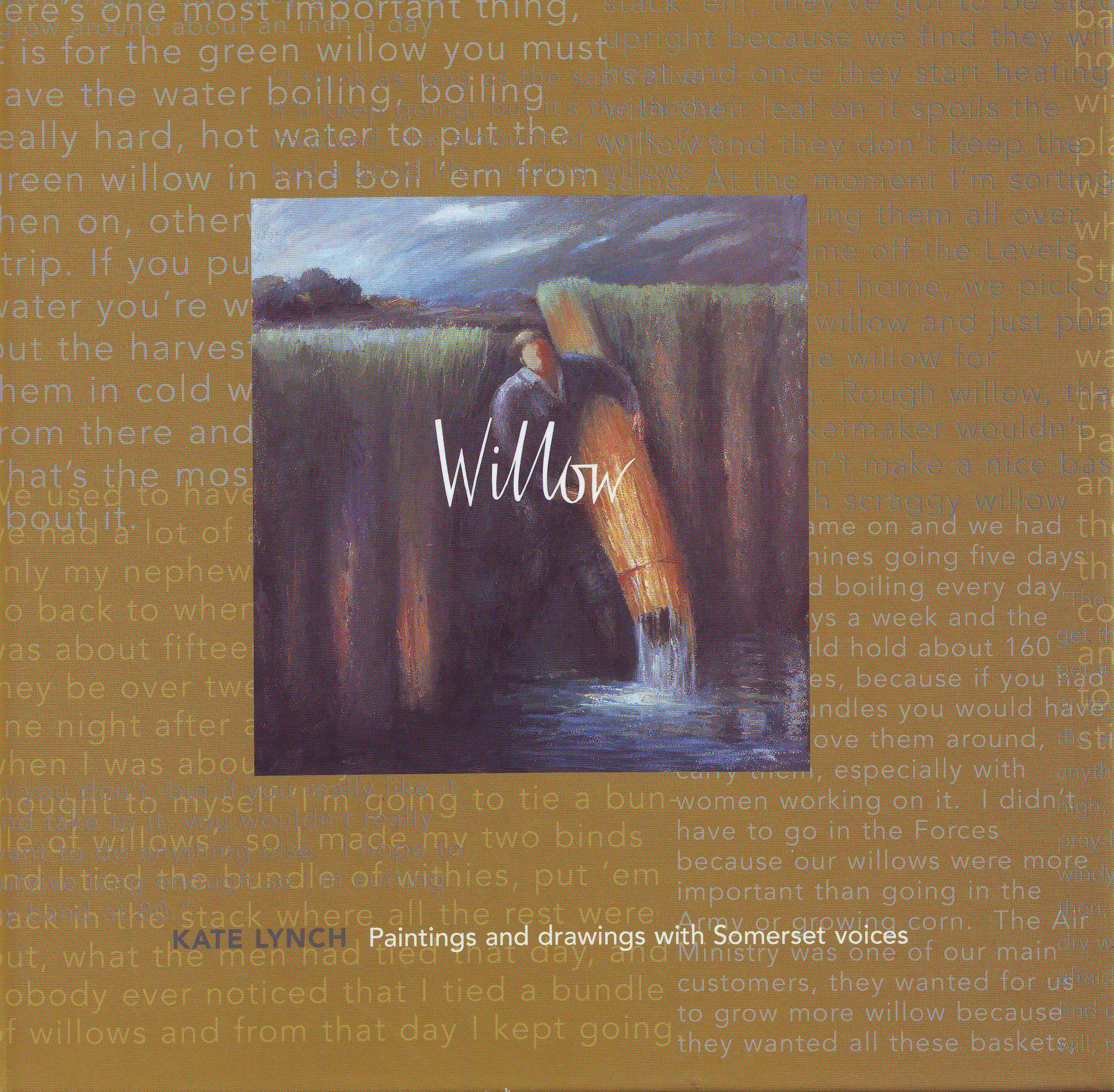
The osier or common willow is cultivated for basket making; an ancient skill that is still practiced in Somerset and beautifully documented in Willow : paintings and drawing with Somerset voices by Kate Lynch.
The forward is written by David Bellamy (Itinerant Botanist); he reminds us of another invaluable use for the Willow and its bark. For many years before it gave the world Aspirin it was used to relieve headaches and to thin the blood. David remembers having biscuits made with willow charcoal to treat flatulence and dysentery

Five Sentence Fiction – Flawed

The girl pushed the lavatory door shut; taking a moment to rearrange herself and wipe her mouth on the back of her hand, before stepping into the scullery. She had hoped the sickness would be less troublesome by now. Here her father was lathering his shaving brush and peering into a broken shaft of mirror propped against a can of condensed milk on the dresser.
Upstairs her nearly new wedding dress lay on the bed, she had shared with her sister for the last seventeen years. She picked up the dress and ran her fingers along her mother’s tiny stitches along the waistband; a minor adjustment was all it needed.
Wednesday’s Wise Woman … Maria dos Reis Firmina

Maria dos Reis Firmina (1825-1917)
‘They put me myself and another three hundred companions in misfortune and captivity in the narrow and filthy hold of a ship. Thirty days of cruel torments, and absolute lack of all that is most necessary to life in this grave until we approached the beaches of Brazil. To fit the human merchandise in the basement they were tied standing and there was no fear of revolt, chained like wild animals of our forests, which lead to the recreation potentates of Europe. ” (Ursula by Maria dos Reis Firmina).
Maria dos Reis Firmina (1825 -1917) was born in Sao Luis do Maranhao to Leonor and Joao Pedro Esteves Fellipe do Reis. She is described in other sources as a bastard Mulatto girl living in extreme racial and social segregation. From my understanding from a translation she went to live with a maternal aunt and was given a good education. So , against all odds she was able to attend school and at 22 years old she trained to become a teacher.
Maria went on to become the Chair of Primary Education; where she was in the position to found the first free and co-educational school. She spent the rest of her life teaching and maintaining a career as a writer; of articles for local press and scholarly journals, poetry , fiction and even riddles.
She became very important in the national culture scene as a folklorist and composer; she wrote the anthem of the Abolition of Slavery.
As a novelist she wrote Gupeva (Indianist) published in 1861 and Ursula published earlier in 1859. This was the first abolitionist romance in Brazilian literature.I understand it was about slavery from the slaves’ point of view; condemning the injustices bound in a patriarchal society in Brazil in the 19th century.
For her own protection she used the pseudonym A Maranhense; the repercussions had she become known could not have been imagined for a black woman from the northeast Brazil. Her true identity was not discovered until 1975. Maria was born ahead of time as a stalwart of female emancipation, she broke barriers of prejudice and racism. She brought to the fore the literature of the Maranhao.
It is noted in the prologue of Ursula, the Maria says that “this novel is worth little, because written by a woman, Brazilian woman, timid and without education and the conversation of learned men.”
Maria proved that without the fine education and other languages afforded by the rich, white males in Europe, she was able to fulfil her quest for knowledge with no physical barriers. Maria Firmina bravely raises her voice through what she calls “a petty and humble book.”
Maria dos Reis Fermina died aged 92 not seeing her worked recognised by leading intellectuals.
Without trusted sources and poor translations this this post cannot be considered a scholarly account. I would value constructive feedback and further information if it becomes available.
Meanwhile I hope that you will this interesting at least.
Weekly Photo Challenge … Silhouette
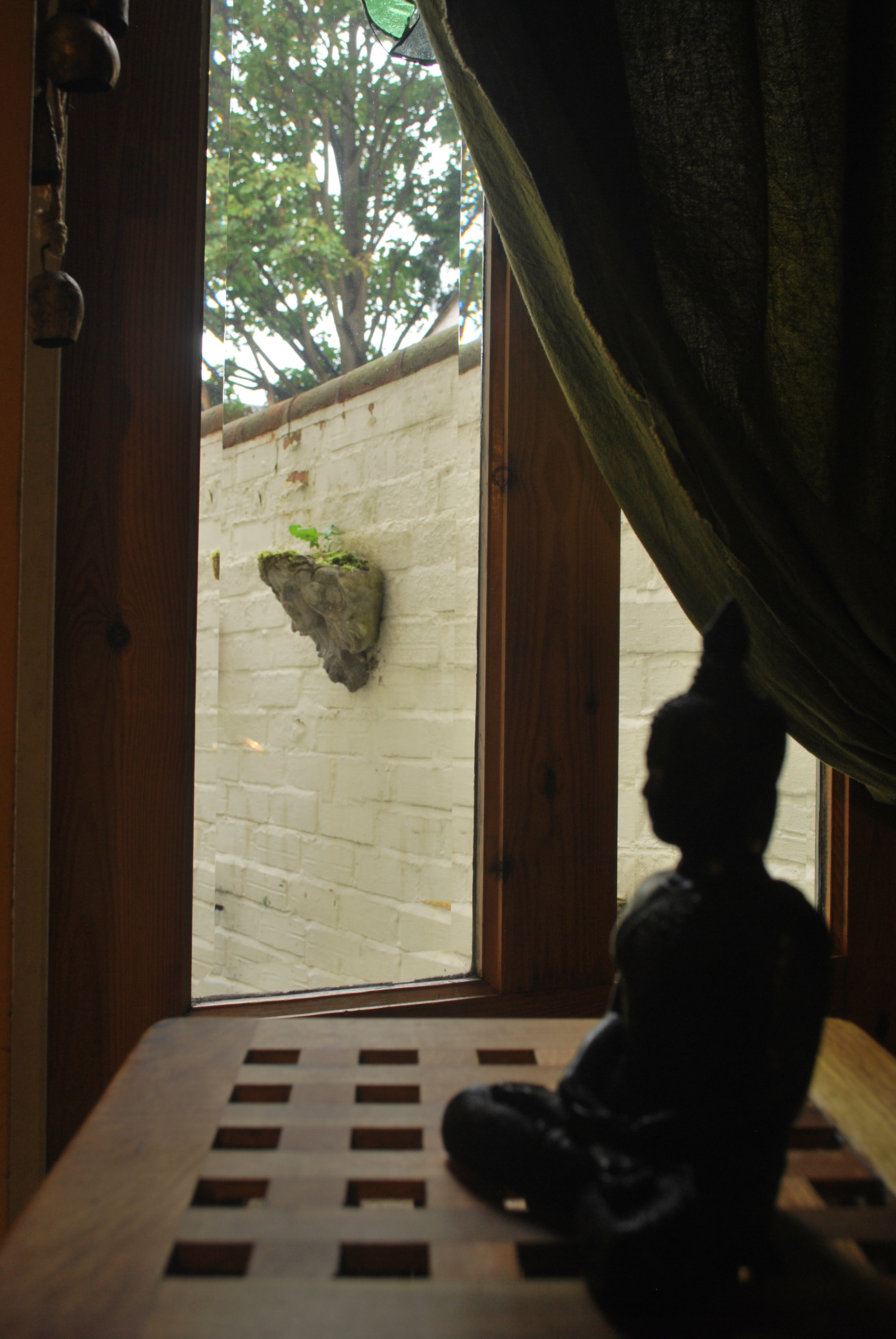
This is the view from my desk in the corner of my dining room. I can watch the change of seasons and the magpies in the sycamores in next door’s garden. The spindly plant; deprived of sunlight is beyond recognition. The beveled window pane gives an interesting distortion to the somewhat bleak outlook!

Last week I learned that … Nothing changes.
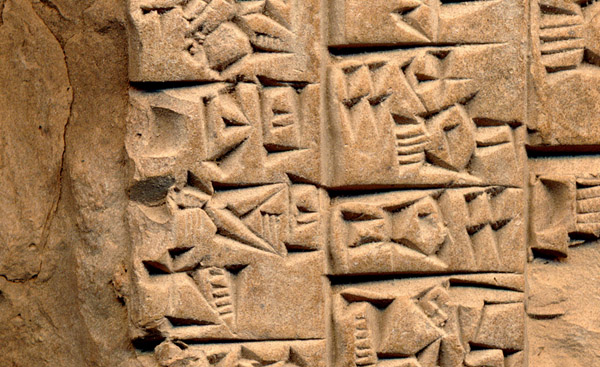
There is evidence to suggest that libraries did exist as long ago as 3000 BC. Inscribed clay tablets were discovered in archaeological remains in Mesopotamia. Although Egyptians were able to write they used perishable materials. The papyrus leaves found along the Nile made the finest quality paper but it was very fragile and evidence of a library was not found.
The Mesopotamians did not have reeds instead they had clay; so while the resulting tablets produced were clumsy, they were durable. They even survived fire. Clay proved to be a cheap and an easy way to produce tablets and became the prefered writing material in Syria, Asia Minor, Persia and for a while in Greece. They remained in use for 2500 years.
The Sumerians devised a style of writing best suited to the tablets using a reed or a wooden stylus; with simple wedge shapes, later called cuneiform after the Latin cunei.
The tablets were used to record numbers of commodities; such as animals, jars, baskets etc., for a a simple form of bookkeeping.
Archaeologists often found the clay tablets in lots; some amounting to thousands . Their contents sometimes more sophisticated; bills, receipts, inventories, contracts; all kept together for easy access.
Sometimes the findings would prove to be different; the subject matter on the tablets was not just facts and figures, but included ideas and creative text. Near Nippur some excavators found a group of tablets dating 2500 BC; on which were listed geographical names, gods , writing exercises and hymns it looked as if may been the remains of library.
In 1980 archaeologists were digging in the remains of a palace in Ancient Ebla in Syria. They came across a room filled with 2000 clay tablets dating between 2300-2250 BC, when invaders set it on fire. The tablets were found in piles on the floor. They would have been kept on wooden shelves; which did not survive the fire.
Thorough research of the tablets show that they were the Palace records and collections of other texts. They had been arranged on the shelves in a room and may have been the working library of the royal scribes.
This collection was relatively small; it could be consulted by browsing along the shelves.
As the libraries grew so did the need for a catalogue. Among the tablets at Nippur, two catalogues were found dated 2000 BC. The second one rather longer than the first; that seemed to relate to the reshuffling of two collections.
It seems that nothing changes … much!
Further reading:- Libraries in the Ancient World by Lionel Casson
Solace on Sunday
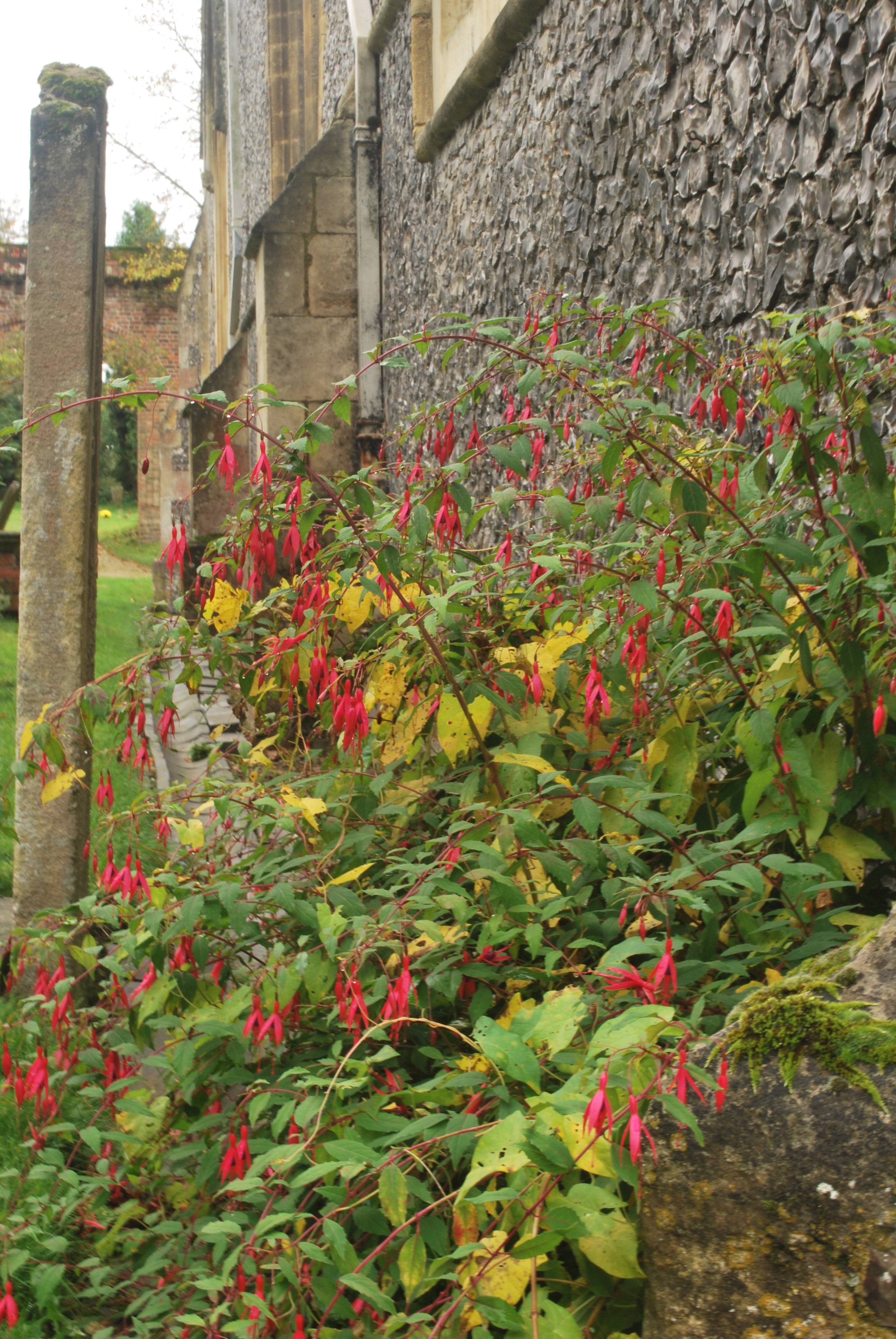
Occasionally I wander into church yard near where I live. I am not a religious person but I find this little green sanctuary after a busy week; restorative. It is quiet because it is away from a busy road. However if you look closely and listen carefully it buzzes with life
Every bit of green land surrounding Reading and much of the Thames Valley has been built upon. Wild life has been squeezed and squeezed into ever decreasing green patches no less than this one.
So while the gardener here goes to great lengths to keep the resting place of the dead tidy by clipping the excesses of Mother Nature. She has other ideas to keep the place vibrant for the living.
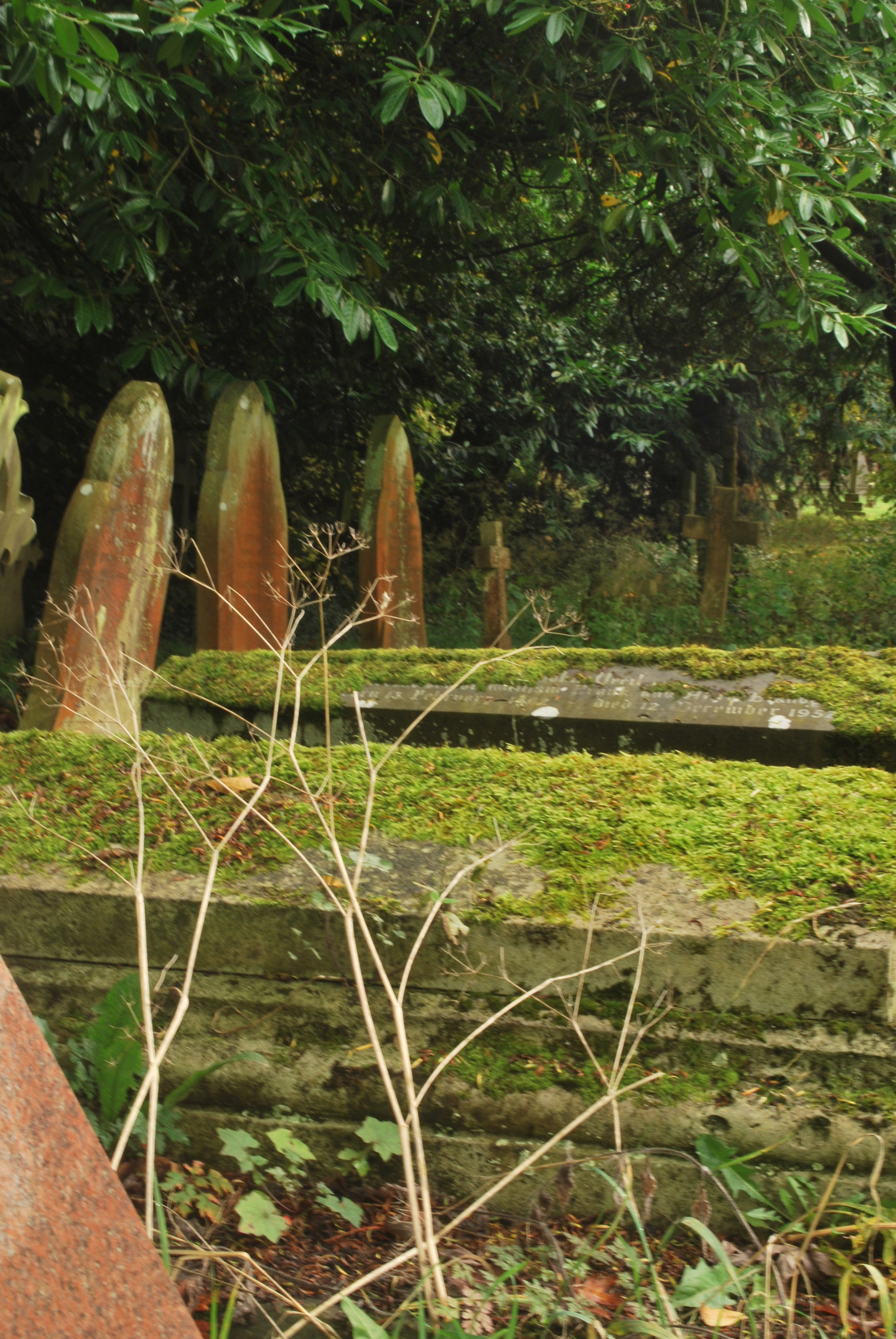
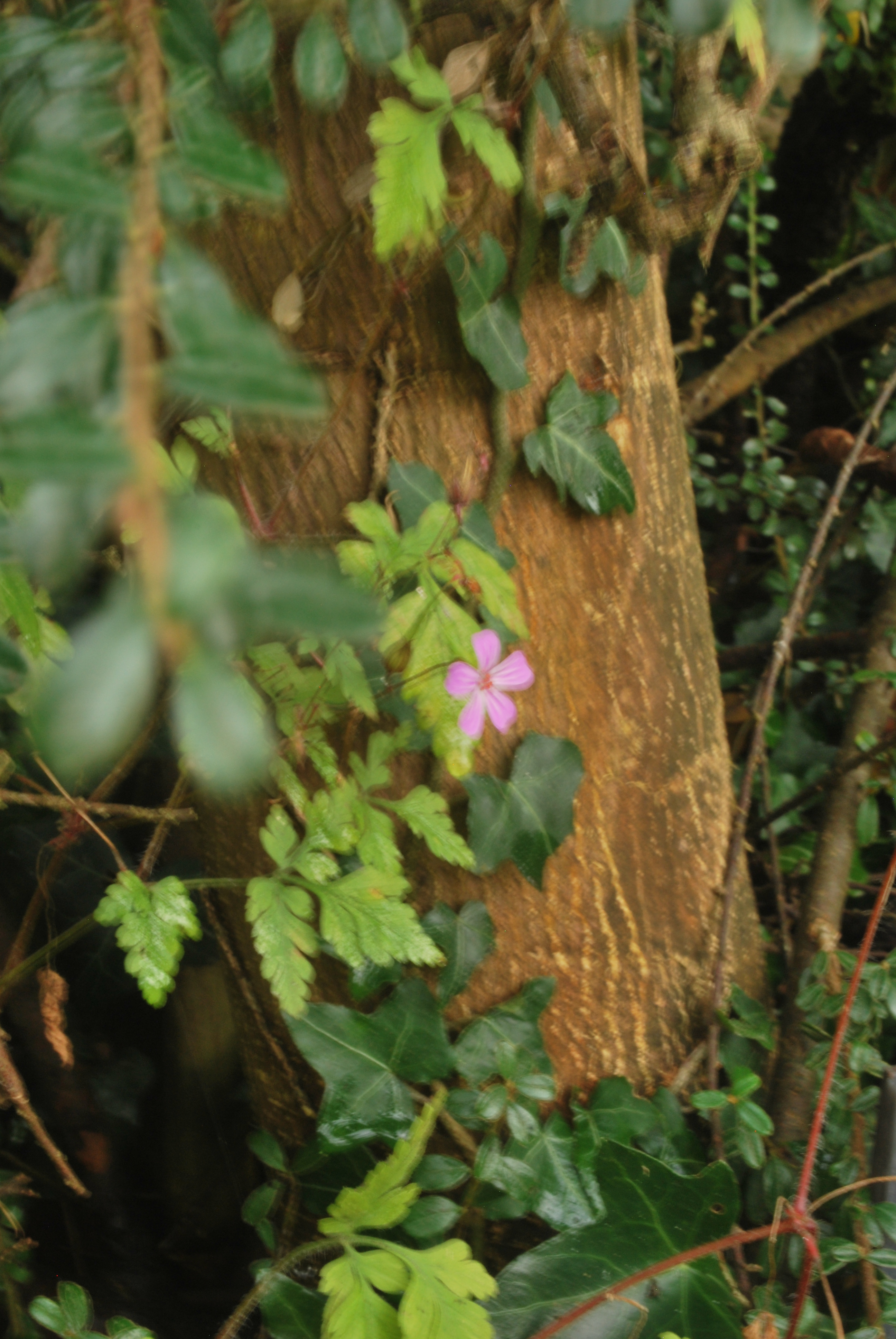
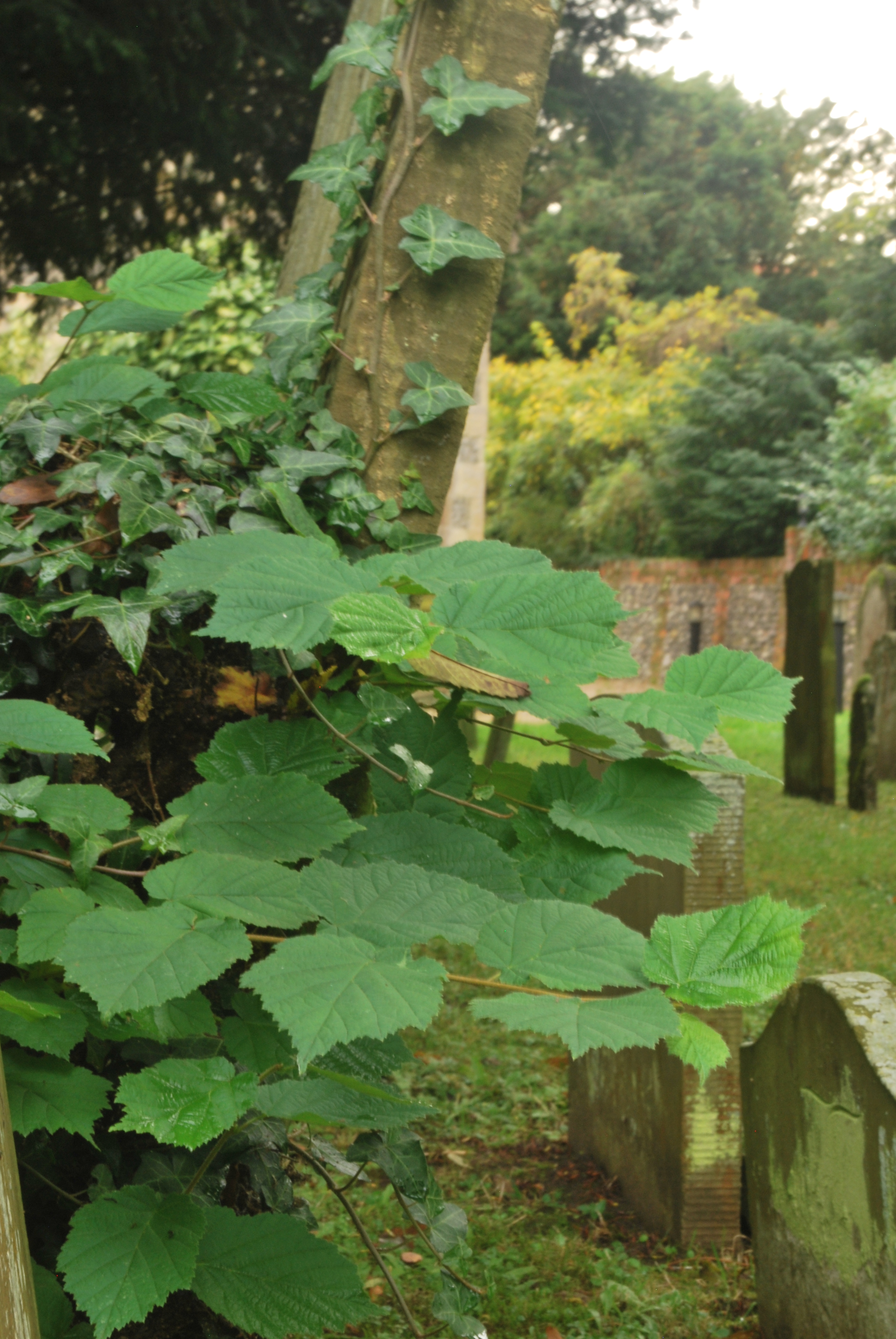
Further reading God’s Acre ; the flowers and animals of the parish church yard by Fransesca Greenoak Illustrated by Clare Roberts.
Saturday Supplication … listening

This supplication come from the my heart. Today I want peace ( I know you have heard it all before) Not as Greta Garbo ‘Leave me alone.’ More I want to hear my heart as life goes on; and respond before rushing on to the next disaster or delight. I have the normal ups and downs; but I find myself at the end of the week or beginning of the weekend making plans. Sapping every bit of succulent energy out of each second – greedily!
Yes i enjoy life; but my heart says ‘not enough!’
So today I am going to spend time with me in a state of gratitude to all beings and the success of the week (and my contribution) before I consider the next week or even the next moment.
So here I am on my cushion with tea
Formless stream
breath
heart beats.
There I said it!!…
Saturday Centus … 29

PROMPT: “The leaves crunched under my boots until they didn’t.
To walk along the river at night may have been the quickest way home. However it was not always the safest especially if the tide was flowing. The path under the trees was protected; even the spring tide never came this high. The intrepid little traveller, hurrying home for tea followed the path as it meandered into the saltings where the little creeks thwarted the path. There, care must be taken; a tiny girl would have to leap quite high and long to cross the running tide.
So when the crunch of the leaves beneath my feet stopped so my heart began to beat louder.
Friday’s Snapshot … Arthur Rimbaud
This week I was researching Patti Smith and discovered that she like other songwriters such as Bob Dylan and Jim Morrison was influenced by Arthur Rimbaud (1854- 1891) I was not familiar with this poet until I started work at the Reading University Library, and in particular Special Collections, where we have a collection of books published by the Two Rivers Press.
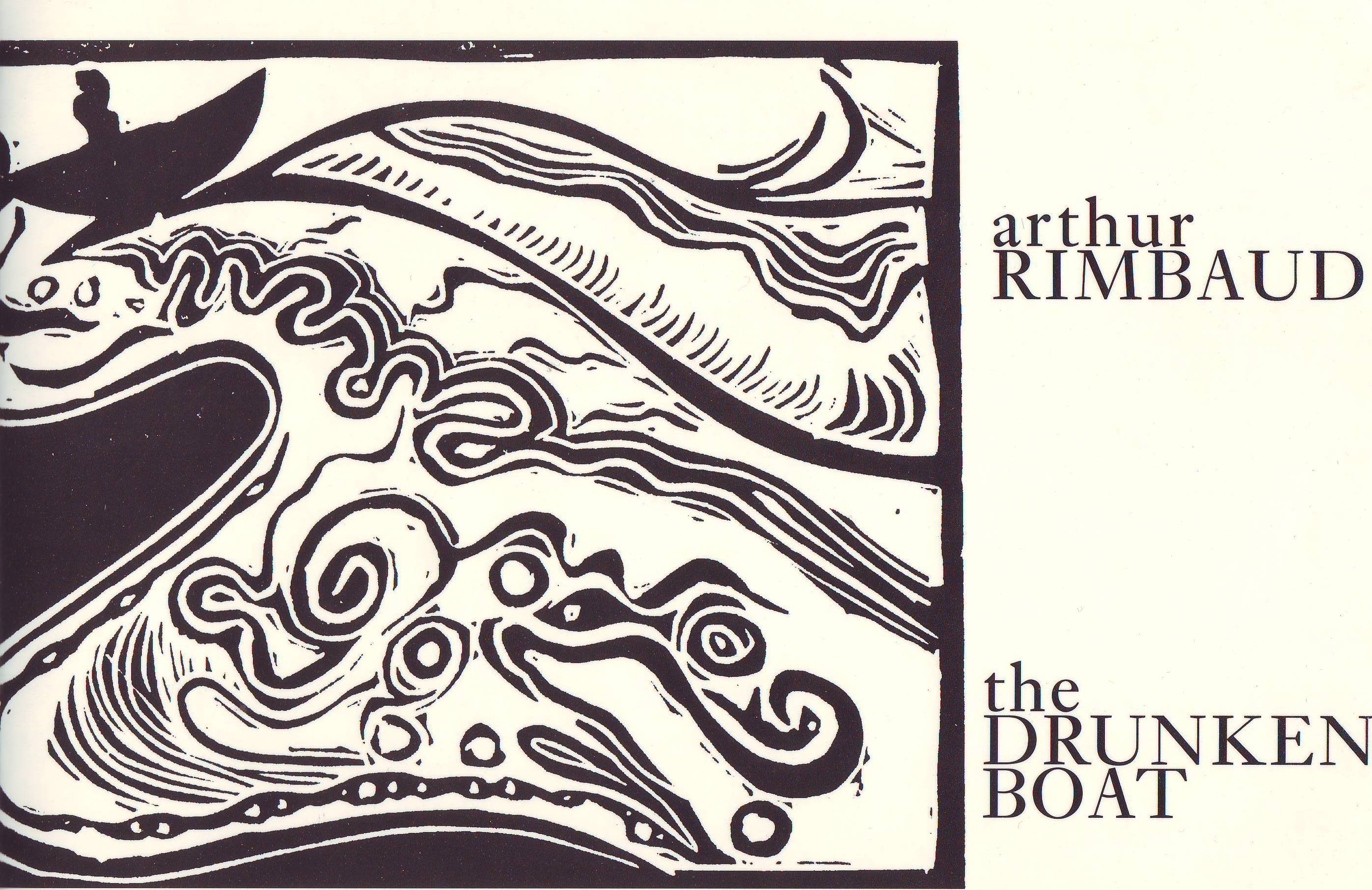
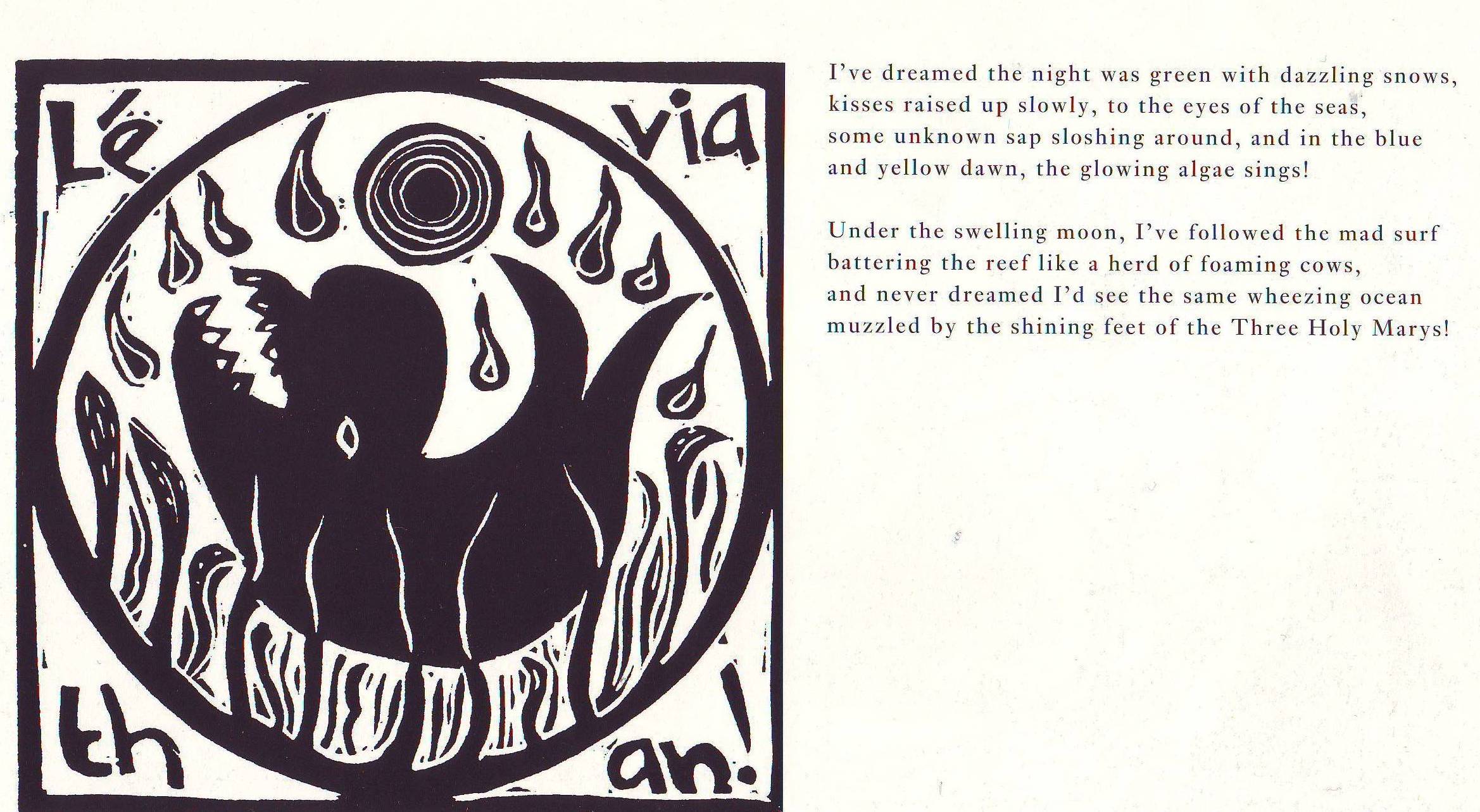
Here I found a translation of Rimbaud’s Le Bateau Ivre (Drunken Boat) by Geoff Sawers. I cannot pretend to be well versed in the poem. I am assured that it is supposed to be the first modern poem; written by Rimbaud before he was 19 years old. It is a very a visual and lively poem, the ‘colourful’ remix by Geoff Sawers and the illustrations by Peter Hay; keep it so.
Jean Nicolas Arthur Rimbaud (1854- 1891) was born in France. His mother was from a local farming family and his father an army captain. As a boy he was a poet and later in life a trader. Of his poems the Drunken Boat was written between 1870 and 1871 while living with his mother (now separated from Arthur’s father) in Charleville . In 1871 he went to Paris to live with the family of Paul Marie Verlaine (1844-1896) a poet associated with the Symbolist Movement. Rimbaud and Verlaine became constant drinking partners.
During this time Rimbaud wrote the rest of his poems. In the months that followed they travelled to Belgium and England and he wrote 40 poems in prose. Most of these were published in a book called Illuminations in 1886 in which Verlaine wrote an introduction.
In 1873 the relationship between Rimbaud and Verlaine ended violently and Rimbaud returned to his family in France. Where he burned all his manuscripts and gave up poetry altogether.
For the next six years he wandered between many countries; he joined the Dutch army and deserted in Java. Rimbaud wandered in the jungle before working his passage as a seaman on a British ship to Liverpool. He travelled to Scandinavia as an interpreter for a circus. He went on to be a farmer’s help in Alexandria, a shipwrecker in Suez and a foreman in a stone-quarry in Cyprus. In June 1879 he became a clerk in Aden to a French trader called Bardey.
From 1880-1891 Rimbaud travelled as a trader between Aden, the Somali coast and Abyssinia; he lived in Hassar. He traded in guns and slaves ; but gained a reputation as an explorer.
In the spring of 1891 a tumour on his knee compelled him to return to France where he had his leg amputated. The disease diagnosed as carcinoma caused his death the winter of 1891.
This little overview does nothing I am sure to describe why; Arthur Rimbaud gave up writing when he was so young and reacted so dramatically when his stormy relationship with Verlaine ended. With, for Verlaine; a two year prison sentence and for Rimbaud a shortened life without roots or focus.

 Coat Hanger Doll's House

