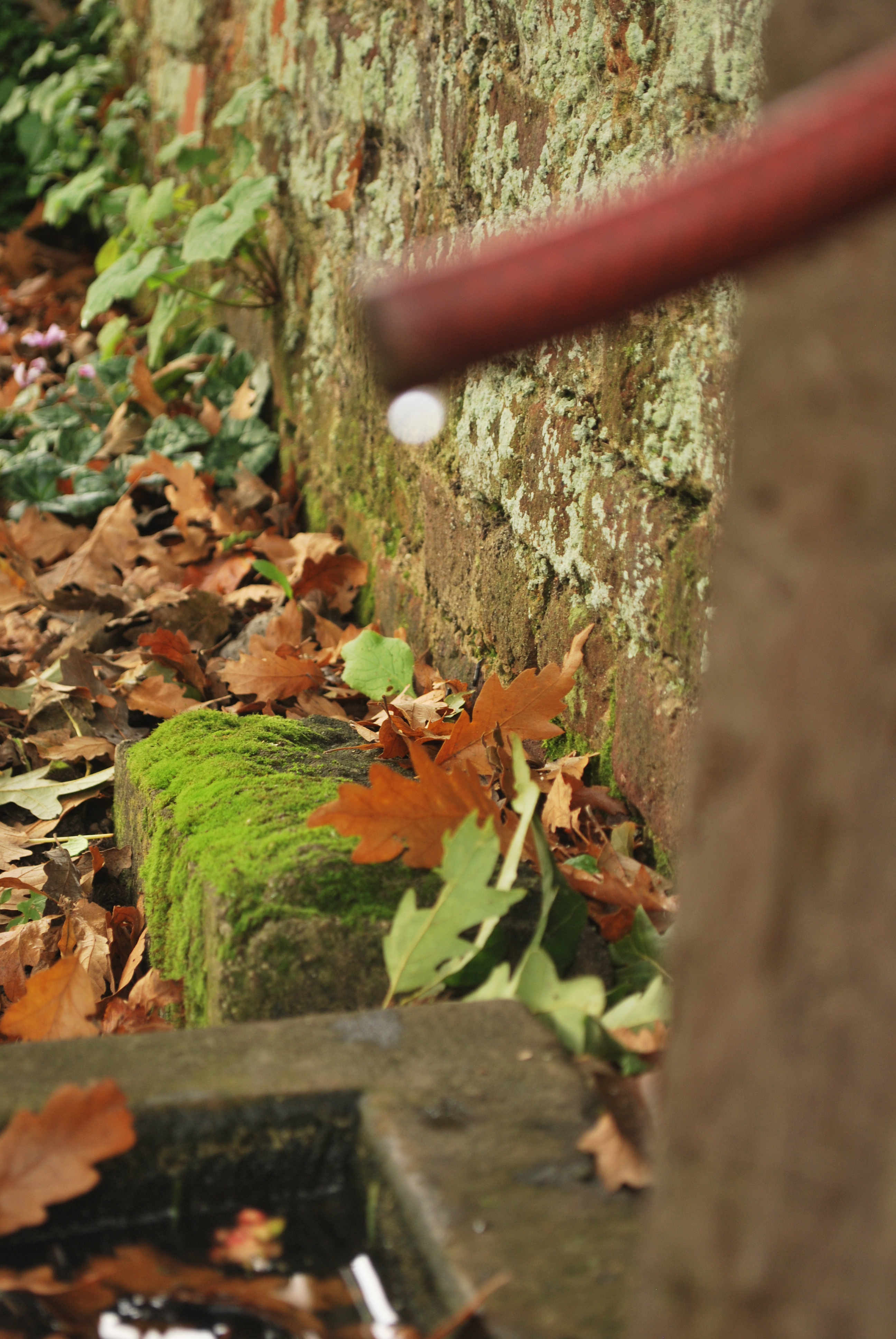
Mindful Writing Day November 1st.

While the last rose petals fall
finches fidget in the whispering grasses
sycamore mindlessly lurches
nagging magpies wood pigeons bicker
Lonely sun glints on the water butt
gutter pipe glistening drip drop drips
nothing stops.
Alphabe Thursday X is for Xerxes
When I began my studies for degree in Classics someone recommended that I should read Gates of Fire by Steven Pressfield to prepare for Homer and his Odyssey and Iliad. I did read it; but I don’t now whether or not it worked; but at least it did arm me with a good example of an X is for … I was thinking that X is for X!!
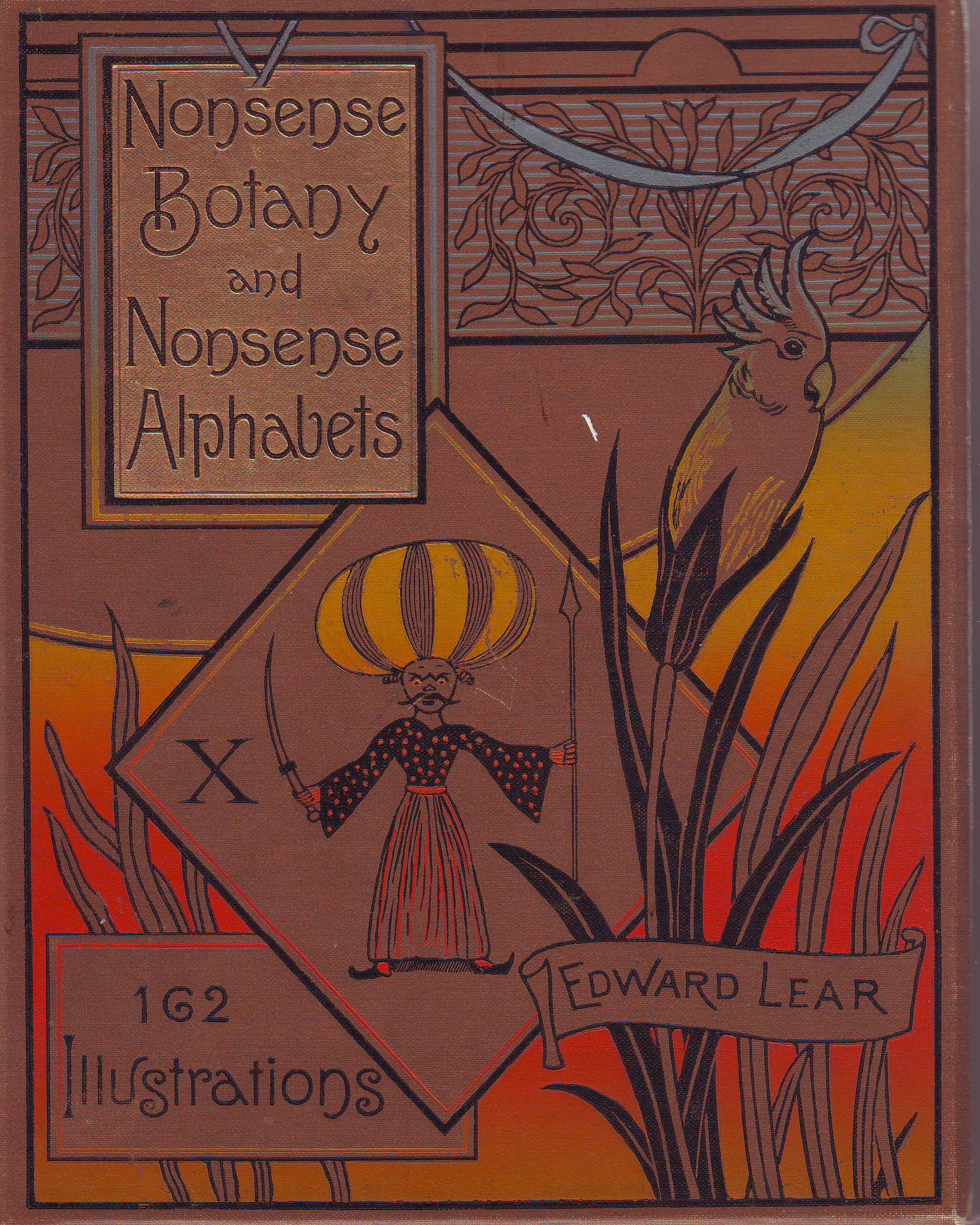
Then to find Edward Lear had the same idea was a bonus … he surely is the expert!!


100 Word Challenge for Grown Ups – Week#64
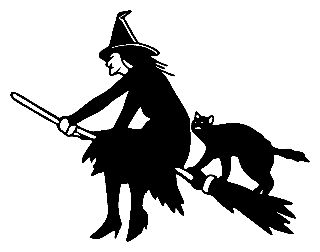
Witch borrowed from Muddy Waters Metal Art.
The night of Hallowen was marked this year with a new moon. For the Rent-a-witch it was to be her busiest night. Like Santa Claus on Christmas Eve; the witch on Halloween had one night of glory. She would have no time to cook; so before she took to her besom broom she placed an order with her local Indian takeaway: Chicken Voodooloo, Shriek Kebab, Puppy Dog biryani, Bunion Bhajee, Wart Saagwala and Spicy Crispy Bat’s Wing. To be washed down with a bottle of Bloody Mary laced with snake’s venom; that was nicely chilled in her cold and dark cellar.

Wednesday’s Wise Woman … A poet patriot

I came across Sarojini Naidu when researching Annie Besant for a recent post.
“Educate your women and the nation will take care of itself”
Sarojini Naidu (1879-1926) the Nightingale of India was born into a well placed Bengali family her father a Doctor of Literature was was educated at Edinburgh University and her mother a poet. She was a child prodigy. At the age of 16, she traveled to England to study, first at King’s College London and later at Girton College, Cambridge. Here she met the man who was to become her husband. As the couple were from different castes the marriage was disallowed. However her father; a liberal thinker and not perturbed by others; approved of the match. They had a happy marriage and four children; her daughter followed her political career and went to become the governor of Bengal in 1961.
In 1905 during the partition of Bengal, Sarojini joined the Indian National Movement where she meet amongst others Annie Besant. Between 1915 and 1918 she travelled around India giving lectures on social welfare, women empowerment and nationalism. She hoped to educate women and ‘bring them out of the kitchen’ During this time she met Mahatma Gandhi, and she totally directed her energy to the fight for freedom.
She helped establish the Women’s Indian Association and went with Annie Besant to London to present the case for the women’s vote to the Joint Select Committee.
In 1925 Sarojini chaired the Indian National Congress and went to America with the message of non-violence from Gandhi. When Gandhi was arrested during a protest in 1930 she took responsibility for the movement. In 1925 when he returned Sarojini and Gandhi with Pundit Malaviya took part in the Round Table Summit. In 1942, she was arrested during the “Quit India” protest and stayed in jail for 21 months with Gandhi.
After independence she became the Governor of Uttar Pradesh; she was the first woman governor in India
Sarojini Naidu began writing at the age of 12; her play, Maher Muneer, impressed the Nawab of Hyderabad. In 1905, her collection of poems, named “The Broken exs” was published. She went on to write many collections of poems; some edited posthumously by her daughter, that were admired by prominent Indian politicians, intellectual giants and social reformers s such as Mahashree Arvind, Rabindranath Tagore and Jawaharlal Nehru.
However it seems that Sarojini remained humble about her work
‘I am not a poet I have the vision and the desire but not the voice. If I could write just one poem full of beauty and the spirit of greatness I should be exultantly silent forever: but I sing just as the birds do, and my songs are equally ephemeral.’
Further reading Five eminent women by S.C. Datta
Weekly photo challenge … Foreign

Earlier this year my husband and I went from south-east England to Rio de Janeiro to stay with my daughter and her partner. They live in a favela called Babilonia very near to Copacabana Beach; I could wax lyrical about the foreignness of all three places. Nothing could have prepared me for the differences. However once I became accustomed and realised it was just different; I love it.
One striking difference between Rio and London is the lack of road signs and ‘paint work’ on the roads. In UK drivers cannot drive safely without having a sign to tell them how to do it. Every 100 yards or so there is a sign to instruct, advice or demand; how fast, slow or stop. Roads are painted with yellow lines to prevent parking. There are red, amber and green lights at every junction. Roundabouts at regular intervals. Not to mention speed humps, cameras and no overtaking etc.
In Rio on the other hand the roads are without signs of any form. Whether this is a good thing or not I will not discuss. However I do think England has become a bit of a ‘nanny state’ in this respect.
Another thing I found alien was the lack of wheelie bins inRio. Over the last few years in the UK our smaller more discreet dustbins that were collected weekly have been replaced with huge wheelie bins; emptied fortnightly. There are usually two or more bins depending on the recycling policy. Now the bins do not fit anywhere so they remain out on the footpaths; overflowing profusely . We have become such a wasteful nation.
In the favela there is a skip and an area where household rubbish is brought daily and there is an attempt to recycle. I am not saying this is a pretty sight, but at least the rubbish is confined to one place and removed regularly. In the city there are litter bins and of course there is litter on the pavement … it is’t heaven. There is a feeling that ‘things’ are not just chucked away; there really doesn’t not seem to be so much waste.
Also in the picture this is my son-in-law is carrying a table; that we had just bought. This is another story! He is about to get on the bus and take it home … this would not happen in UK. Can you imagine getting on the bus with a table in UK?
I am sure before too long Rio de Janeiro will fall foul of the dreaded wheelie bin and the road signs like those that deck our streets.
Please not yet!!

Last Week I learned that I have a lot to learn!!
Last week I learned that writing a blog and subsequent posts is a time consuming and frustrating business … and mostly rewarding.
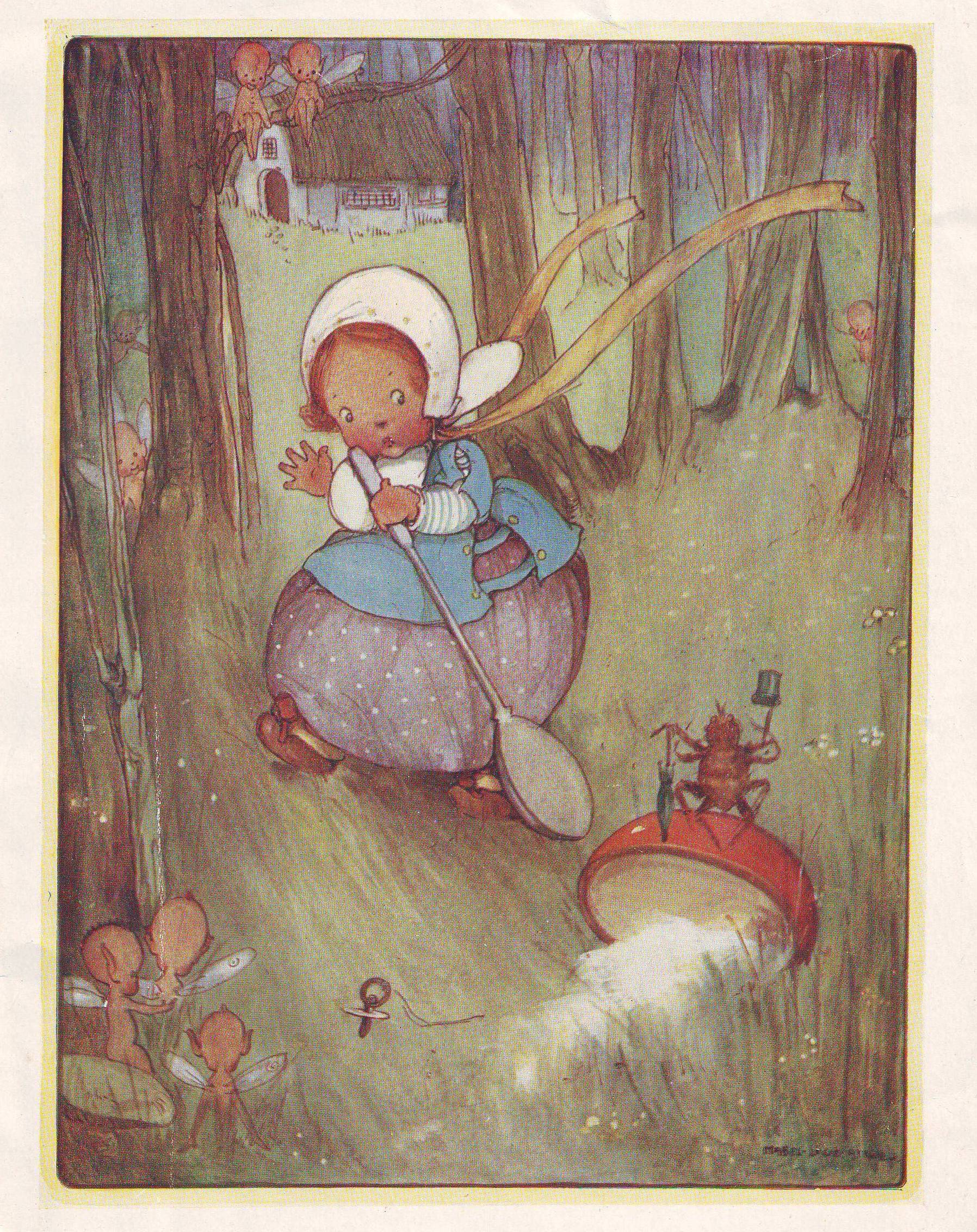
For instance sometime ago I wrote a piece for our Special Collection’s Featured item about Edward Topsell and referred to Dr Thomas Muffett (or Moufet), an entomologist who died in 1604. It is said that Thomas Muffett had a daughter Patience whose encounter with a spider was immortalised in the rhyme Little Miss Muffett. But as this was not published until 1805 in Songs for the nursery and the connection cannot be proved.
It could however have been a coincidence and the Muffett simply rhymed with tuffet and the poem was about Mary Queen of Scots (1543–1587), who was said to have been frightened by the religious reformer John Knox.
I liked the former story, and wondered if Patience had followed in her father’s footsteps and become famous? Sadly it appears that her only claim to fame was this event.
However I did look at images of Miss Muffett in our children’s collection and noted that artists and illustrators had difficulty deciding what a tuffet was or is. Or in my images whether she was sitting on it at all.
So this lead to more research and some answers; but still some what ifs?


Sunday Solace
Spent yesterday in Oxford it was a beautiful day; and the weather was kind
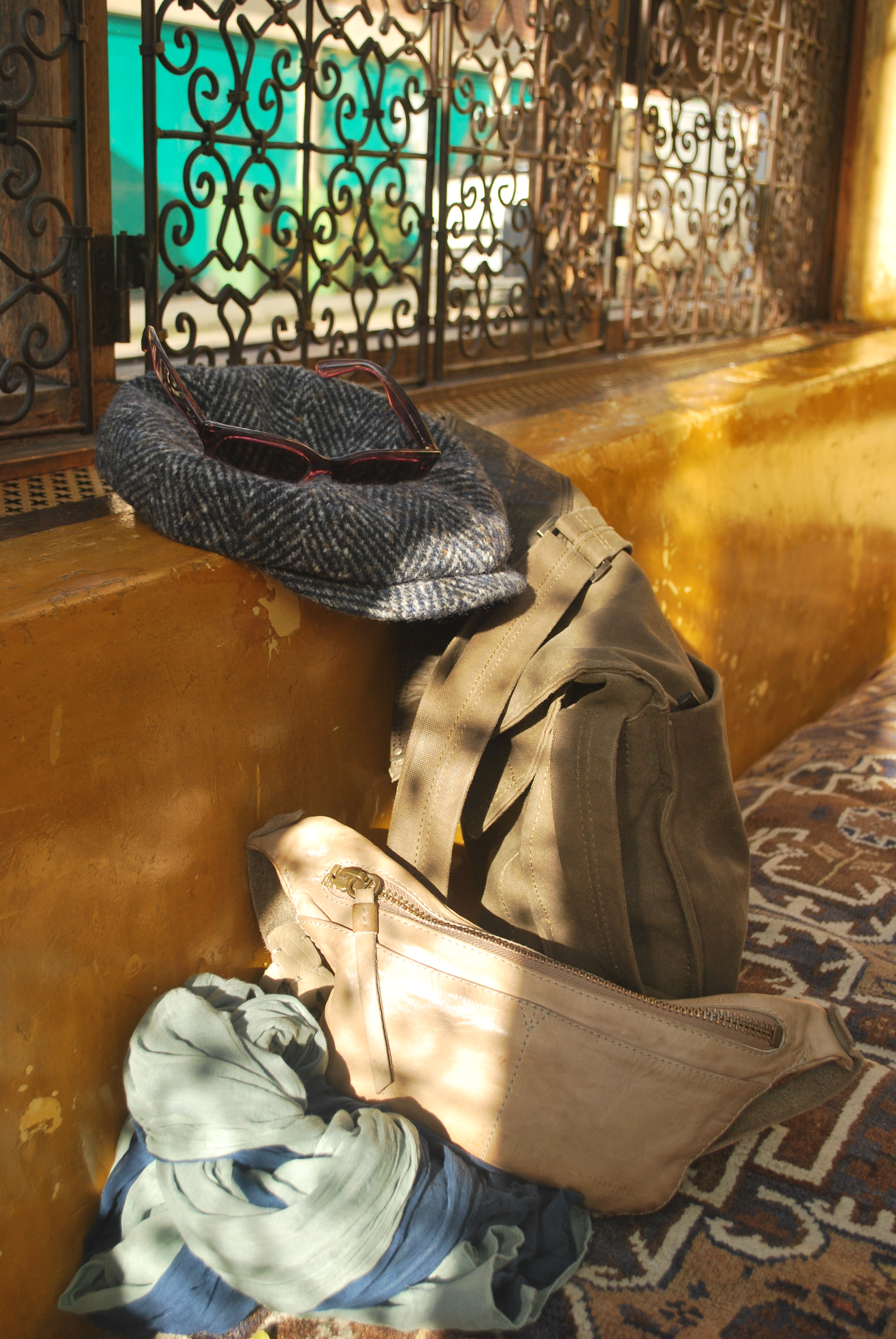
Bag waits,
eye
mind wanders
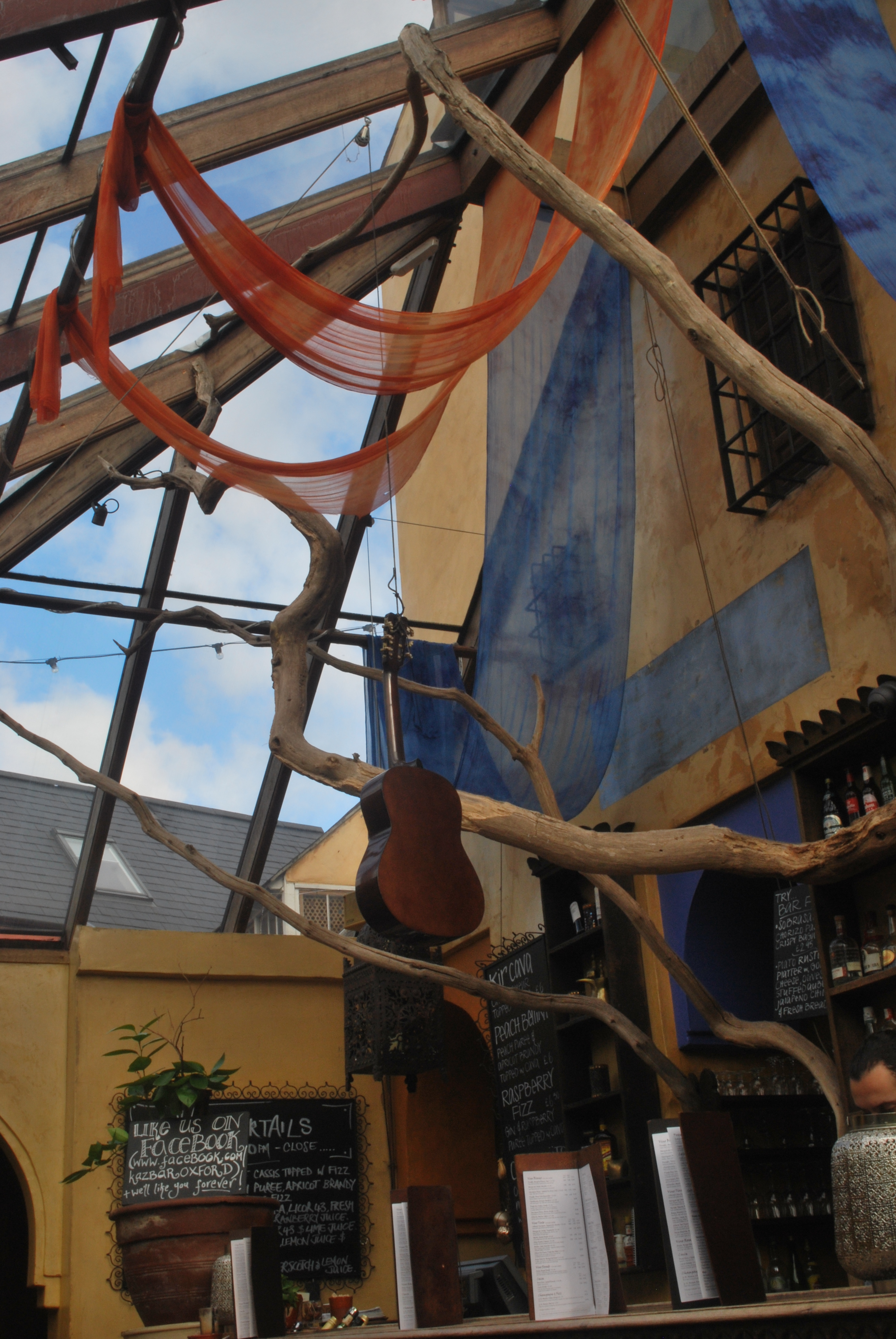
Oh Yes

Something on Saturday …

I sit for hours; it seems and wonder about the complexities of life. One thing’s for sure I will not be a typographer; which is a shame. I had great hopes when I recently bought these little stamps. The price tag should have been a clue; also what did I expect after two an a half minutes effort!
But it did did make me smile (which is always a good thing) as I worked out left and right, up and down and even straight; and failed!
So instead a song
Misshapen letters
stumble to say
straight and sound
Week 130 of Saturday Centus.

Moments before she saw his glazed red eye peering through the knot hole in the door she heard his foot fall on the path. Even the stench of his tobacco breath came before him
Pearl had finished washing; removing the grime of the fields from her face. She stood wringing the face cloth into the basin of water and placed the sliver of soap on the window ledge.
She was a slave and this was part of their procreation. He who had taken her mother’s and her grandmother’s womb and their power to love was about take her like a beast.
Inspired by the ‘red eye‘ and the stories in Bridging the Americas ; literature by Toni Morrison, Paule Marshall and Gayl Jones by Stelamaris Coser.
Friday’s Library Snapshot … of Joan Hassall.
The wood engravings of Joan Hassall with introduction by Ruari Maclean
I came across this little book in a the Mark Longman Library; which is an Aladdin’s Cave of jewels from 1900 -1980 that never ceases to delight me. As with other collections, if I don’t see something immediately, it will point me to something else.
For instance, last week I posted a piece about the Two Rivers Press’s translation of the Drunken Boat by Arthur Rimbaud. I was reminded of a translation by Samuel Beckett. This is without images so not as graphically pleasing for me. However, it was published here at the University of Reading in the Typography department and typographically most attractive and complementary to the my first choice.
You will see later that Joan Hassall does not stand alone for me in the collection (s).
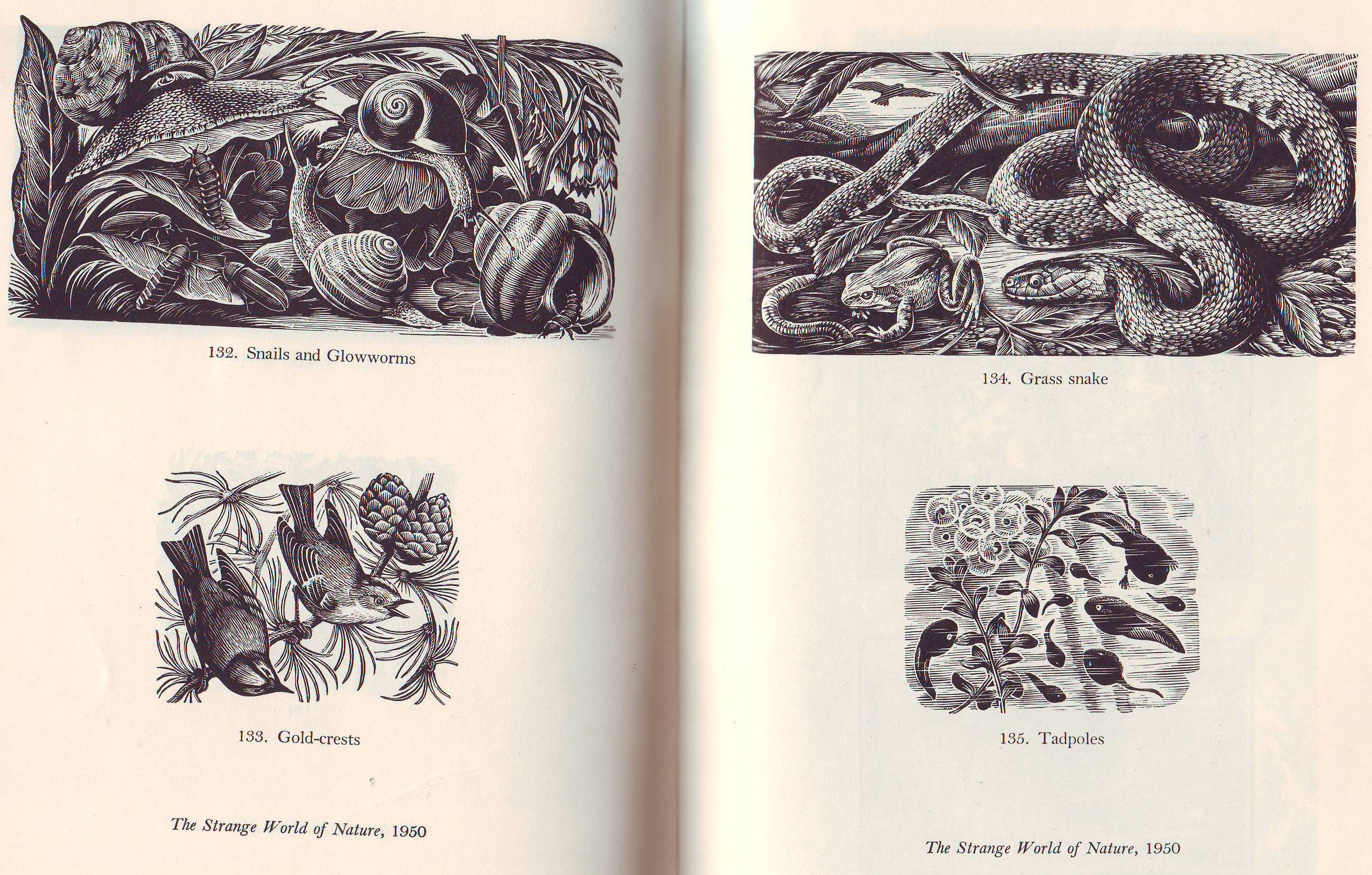
Joan Hassall (1906-1988) was widely known as one of the most distinguished wood-engravers of this country. Considered the most delicate of modern engravers since Bewick. Her decorations and devices for bookplates, Christmas cards and leaflets of various kinds transformed an otherwise ordinary document into a collector’s item.
There are lots of resources that discuss Joan’s expertise as an illustrator and wood engraver. I have chosen not to regurgitate stuff; but encourage you to look at her work.
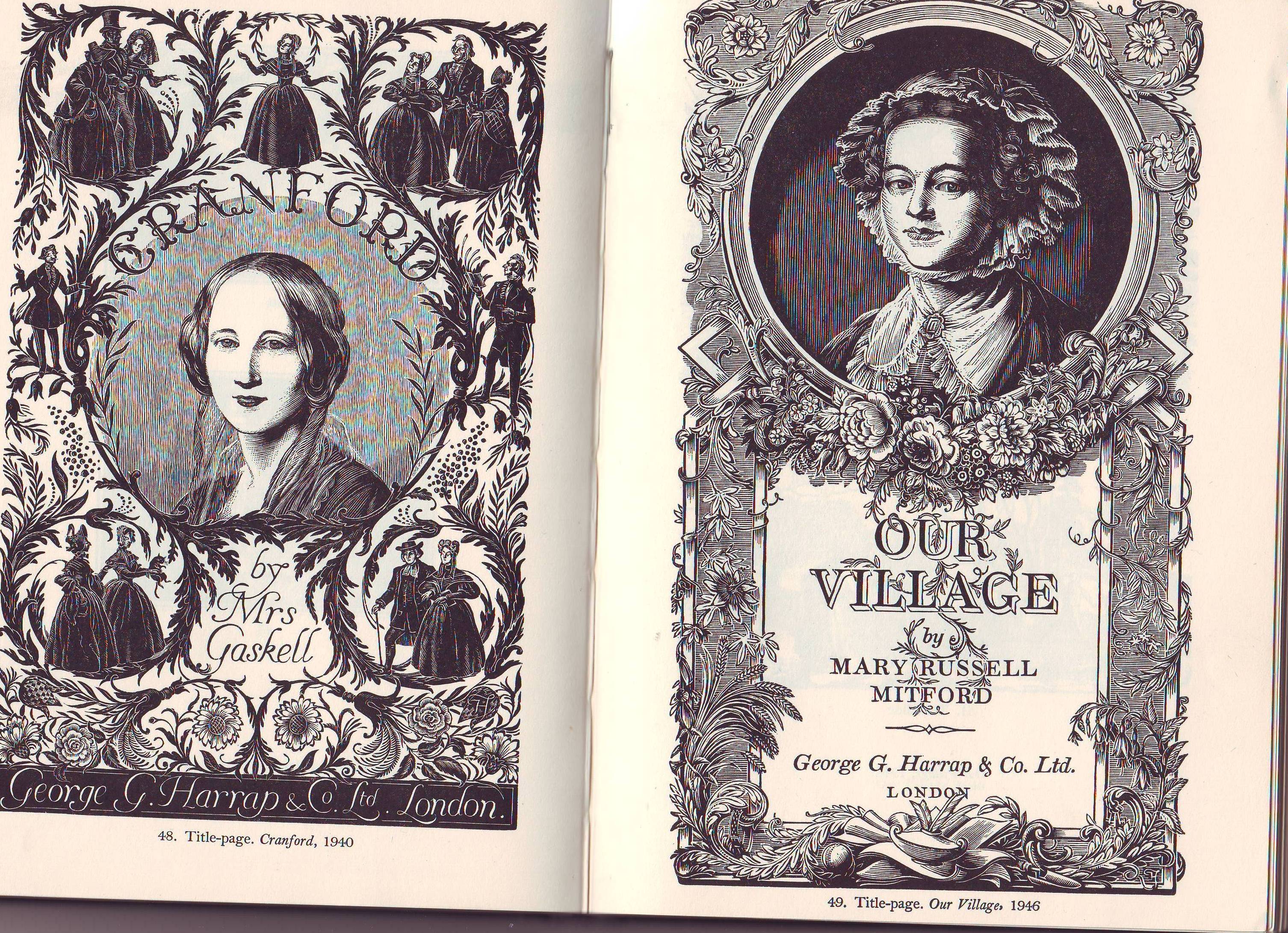
Our Village by Mary Russell Mitford is about Mary’s life in Reading and nearby Three Mile Cross so is very interesting to me – a local lady. Also it has been published several times and graphically produced quiet differently. One copy we have has been published here at the University and the wood cuts are very lovely; I will show you next week.

 Coat Hanger Doll's House
