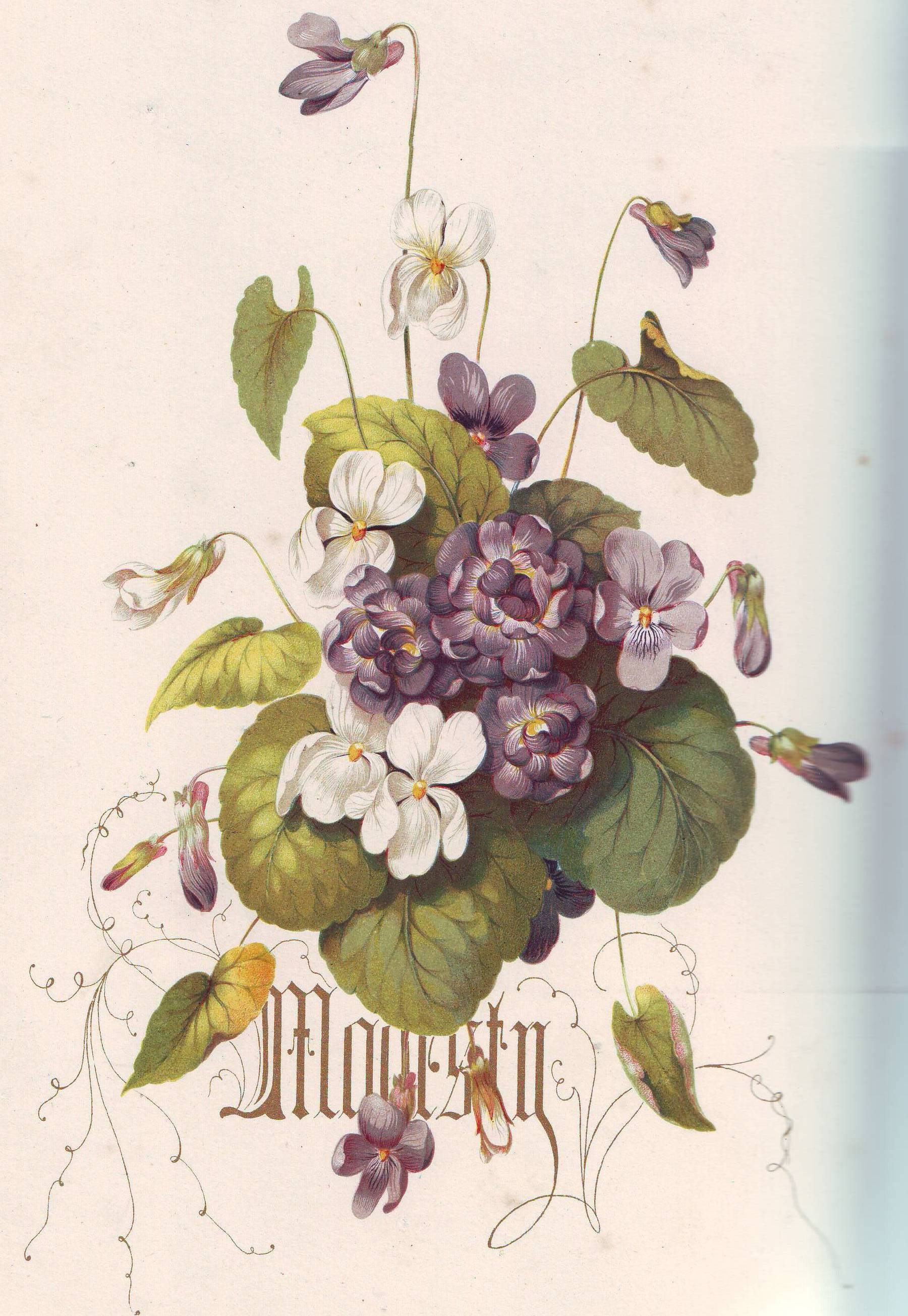
Alphabe Thursday V is for Violets

Violets have delighted us for centuries. Napoleon and Josephine both adored them; Josephine wore violet scented perfume that became her trademark. When she died in 1814 her husband planted violets at her graveside. Before Napoleon was exiled to St Helena; he picked some and wore them in a locket for the rest of his life.
In London during the 19th century poor girls sold bunches of lavender and violets on street corners. Vaughan Williams’ London Symphony includes an orchestral interpretation of a flower girl’s cry. It was possible to to make perfume from violets but it was difficult and expensive; only the wealthy trend setters who could afford to buy it.
Some people found the perfume over powering to the point of nausea but this effect wasn’t for long.
Shakespeare said
“Forward, not permanent, sweet not lasting.
The perfume and suppliance of a minute’
We are told that violets contain ionone which stops our sense of smell. While the flower continues to exude fragrance we lose our ability to smell it. However, after a few moments the smell returns to fade again; and continues in this way … to flirt.
The ancient Athenians too were passionate about violets; they chose it as their city’s official flower and emblem.
Victorian women like to sweeten their breath with cachous violet drops after they had been drinking.
I can remember as child in the 1950s sucking perfumed lozenges called Parma Violets.
From the aromatherapy point of view the violet essential oil remains low volume and high price; so used mainly in expensive perfumery. An aromatherapist would not use it freely because of the cost.
Violet leaf oil is antiseptic; its healing properties are especially valuable in treating skin conditions such as acne. The leaves have been used successfully in the treatment of those with breathing difficulties. Although the leaves contain salicylic acid that is used to relieve pain, it is an expensive alternative as it is available in other plants.
Recent research suggests that violet leaf oil has been used successfully in the treatment of AIDS.
For me it remains a lovely flower spied in hedgerows in the spring and not inclined to flourish in my garden; as proved this week.
Further reading A natural history of the senses by Diane Ackerman
Five Sentence Fiction … Detour
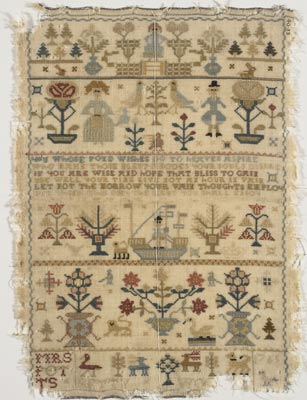
As the woman packed hers son’s last few items into his kit bag she paused. Remembering her childhood; stolen soon after puberty, with her hand on her belly a mass to protect her now dysfunctional womb. Four fine sons were her only reward; but two had died in the war and the other missing. The boy gathered his bags and strode to the waiting truck without a backward glance. She picked up her sampler left undone for the last 20 years and began stitching.
100 Word Challenge for Grown Ups – Week#62 …it can’t be that time….

A three hour stint; invigilating in the Reading Room can be long and tedious; if your bladder is uncomfortable. The readers are engrossed in research and the clock seems to tick slowly. Even the sparrows playing in the ivy on the window sill, usually good for a moment or two of distraction, are otherwise engaged. The silence beyond the clock weighs heavy. Then the last reader gathers up her papers. ‘As if tomorrow will do!’ I think meanly.
I am irritated now as I remind her ‘it is time for us to close’
‘Oh!’ she says ‘It can’t be that time already?’
I smile sweetly.

Wednesday’s Wise Woman … Patti Smith
For a future post; this morning I was searching for an image of a violet. Having none in the garden to photograph myself I had to resort to ‘foul means.’ While foraging; I came across a photography book called Flowers by Robert Maplethorpe; photographs, the like of which I had never seen before. ‘Astounding in their intensity … erotic drama … absolute clarity of composition’. Sadly there was no image I could filch.
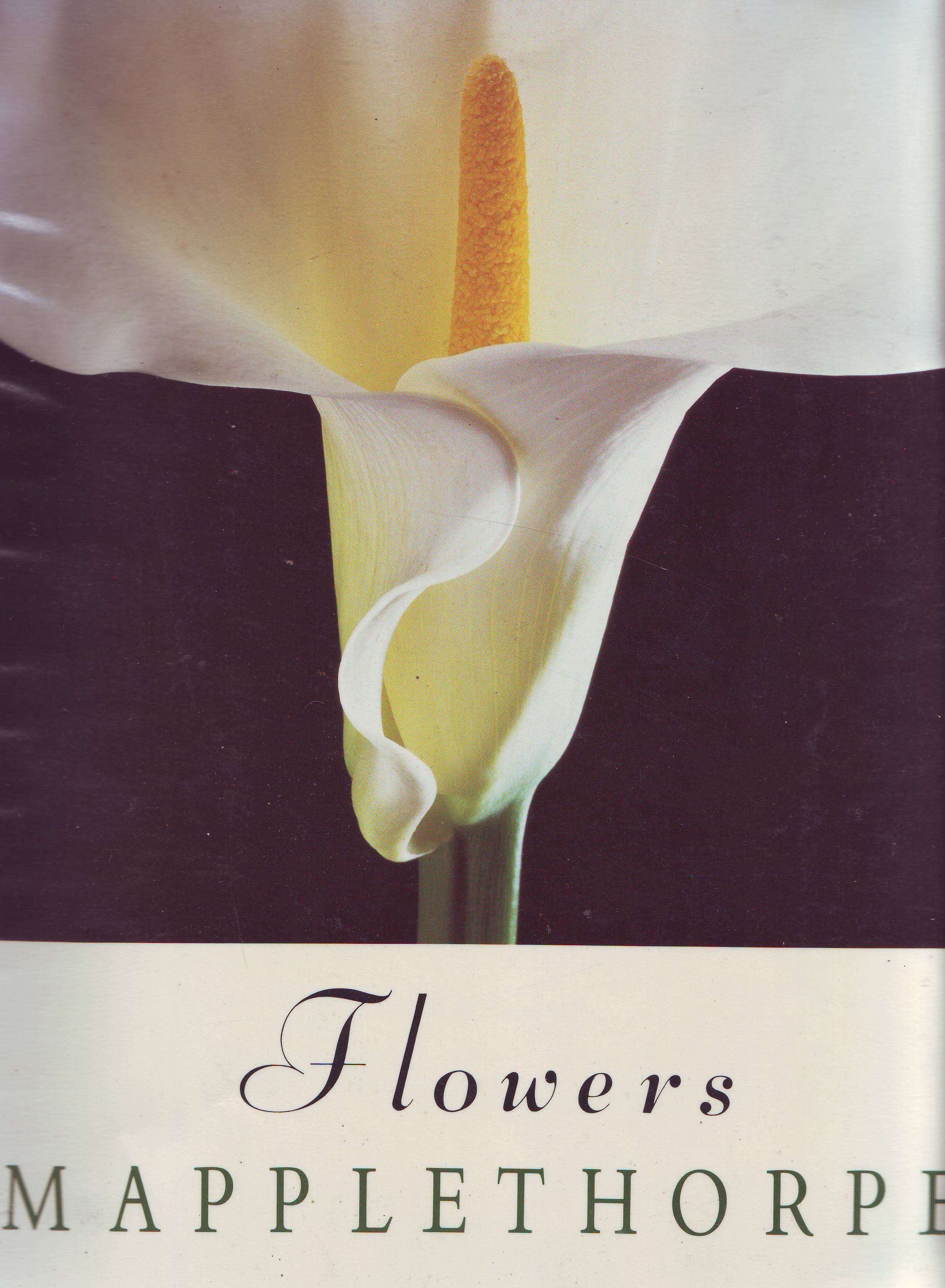
However, what I did find interesting was that the forward was written by Patti Smith. I have since learned that they were close friends and Robert was a champion of her work as a painter and calligrapher. Robert asked Patti to write an introduction to his Flowers also for her to write his story. He was dying; she made the promise but it became difficult to keep. Just kids for which she won National Book Award was the result of that last meeting in March 1989.

I was blissfully unaware of her work as a painter. I have always been a fan of her punk music. Patti was born 1946; Patricia Lee Smith; an American singer, songwriter, poet and visual artist. She was best known for her involvement with the New York City punk rock movement and her first album Horses; in particular the song Because the night which she co-wrote with Bruce Springsteen. Patti; called the Godmother of Punk performed with Blondie, the Patti Smith Band and the Patti Smith Group. She dropped in and out of popularity for about 30 years.

Encouraged by this find I went to discover another little gem; Strange messenger ; the work of Patti Smith. It is a small catalogue that accompanies Patti’s current exhibition of her visual art works, manuscripts and photographs collected over 30 years. This book, published by the Warhol Museum in Pittsburgh, includes some of her rarely seen pieces from the late sixties and seventies, but mainly her her more recent work exploring the physical and spiritual effects of the 2011 destruction of the World Trade Centre.
For example; a silk screen print series showing the remains of the collapsed South Tower. Patti writes ‘I think of Picasso and how he reacted to the bombing of Guernica. How he translated his pain and horror into his monumental work’.
Alongside the delightful and poignant images there are insightful and engaging essays by David Greenberg and John W. Smith.
I was moved by the introduction in the Flowers that begins ‘It is by the grace of [a] god that our fields and hothouses are filled with blooms that can be arranged and exchanged in the act of giving …’
To buy a copy of the Strange Messenger and read it fully.
Flowers by Robert Maplethorpe
Just Kids by Patti Smith
Strange Messenger : the work of Patti Smith with essays by David Greenberg and John W. Smith.
Weekly Photo Challenge … Big

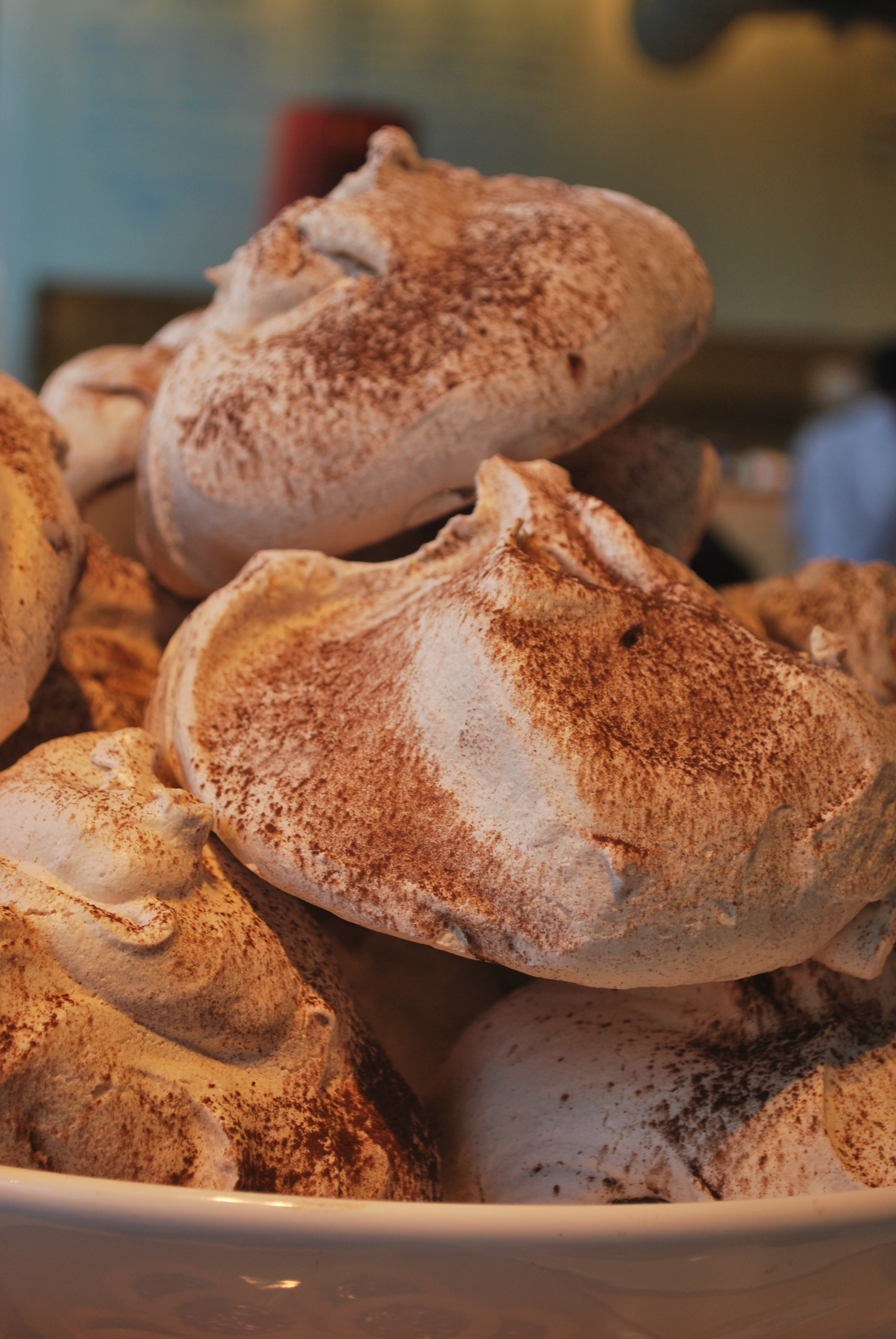
When I saw the prompt I thought ‘Yes! Easy! Big cake … done that!’
However, as pointed out without a comparison who can tell if this meringue is massive!
So thinking …
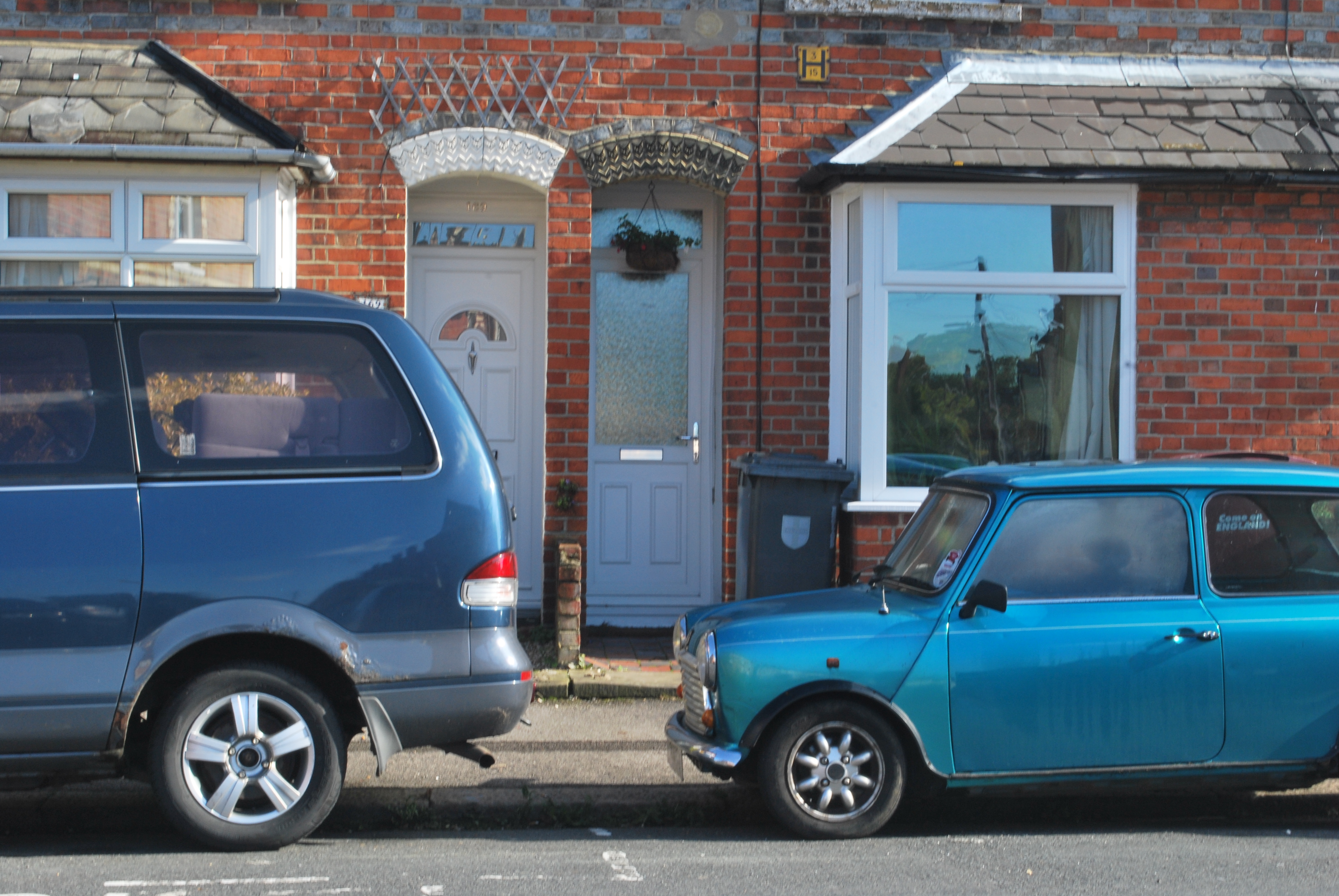
I went to see the Tom Wood exhibition in London and was inspired; to look differently at the streets where I live.
I didn’t hold out much hope as I live in Reading; a large town but no grand facades. But then Tom Wood didn’t do grande or big; just as it is.
So I give you big not big big just bigger!

Last week I learned that …
Last week I learned that I grumble too much and too long. I agree grumbling or voicing our opinion is important. To observe our feeling of ‘grumbling’ or otherwise is a good habit.
But; and it is ‘but’ as a conjunction that is the problem I believe … it should be disallowed or carefully considered.
For instance last week was good; work went well. I met up with friends and chatted with my daughter on Skype. Made arrangements for a future get together I had a day’s leave; with a pamper afternoon. Caught with some long awaited chores. I had a happy and productive time ‘but’ I had a poor experience with a sales assistant the weekend before.
Why does this moment of regret feature so highly? The dreaded ‘every thing was good but … ‘
Instead I should say everything was good and in fact it got better and be thankful.
Made better use of the more positive conjunction ‘and’ !
At the weekend we went to the Photographers’ Gallery and saw the Tom Wood Exhibition ‘Men and Women’ … which I recommend if you enjoy pictures of people and can relate the the culture of Liverpool and the Merseyside area; at the football ground, markets, on the bus, on the ferry etc.
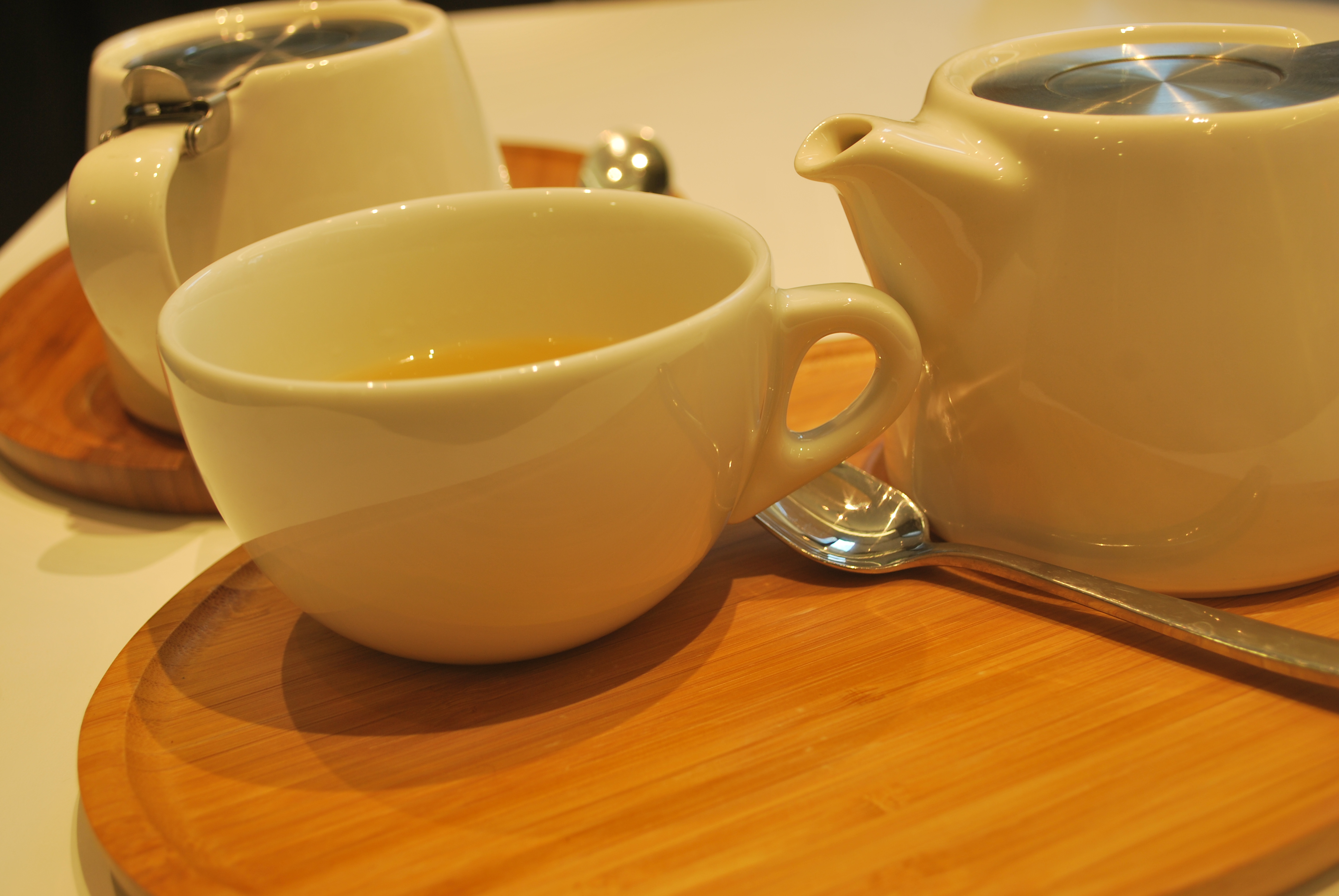
Afterwards we had tea in the cafe …. trying hard not to say ‘but’ and grumble a little … maybe telling you about the mad woman we shared the table with … see what I mean I cannot resist a grumble.
However we did have a reasonable cup or two of green tea.
So I will try can refrain from grumbling one day.
Silent Sunday … maybe not?

From Friday’s expose; here is another image that is silent. Behind a piece of plate glass Elmo or is it Ernie cannot be heard.
This snapshot among others was taken on a cold late winter afternoon in Oxford. My daughter and her partner had recently returned to their home in Brazil. We were trying to adapt to a life in our empty nest; not so easily.
This image brought back memories of a childhood not of AJ’s particularly as she has no memory of Sesame Street or the Muppets. My older children of the 70’s enjoyed the shows broadcast regularly on the TV.
This simple shot has again spoken; gently reminds me no matter how I try my Silent Sunday … will tell me something.
even if Elmo or is it Ernies is saying nothing!!
Saturday’s …. Haiku
Yesterday, it was my intention to get things done, make a plan for the future and spend sometime with myself. However it didn’t quite work out like that. Instead I made a discovery! I have an iphone; bought so I could communicate with my daughter in Brazil more easily.
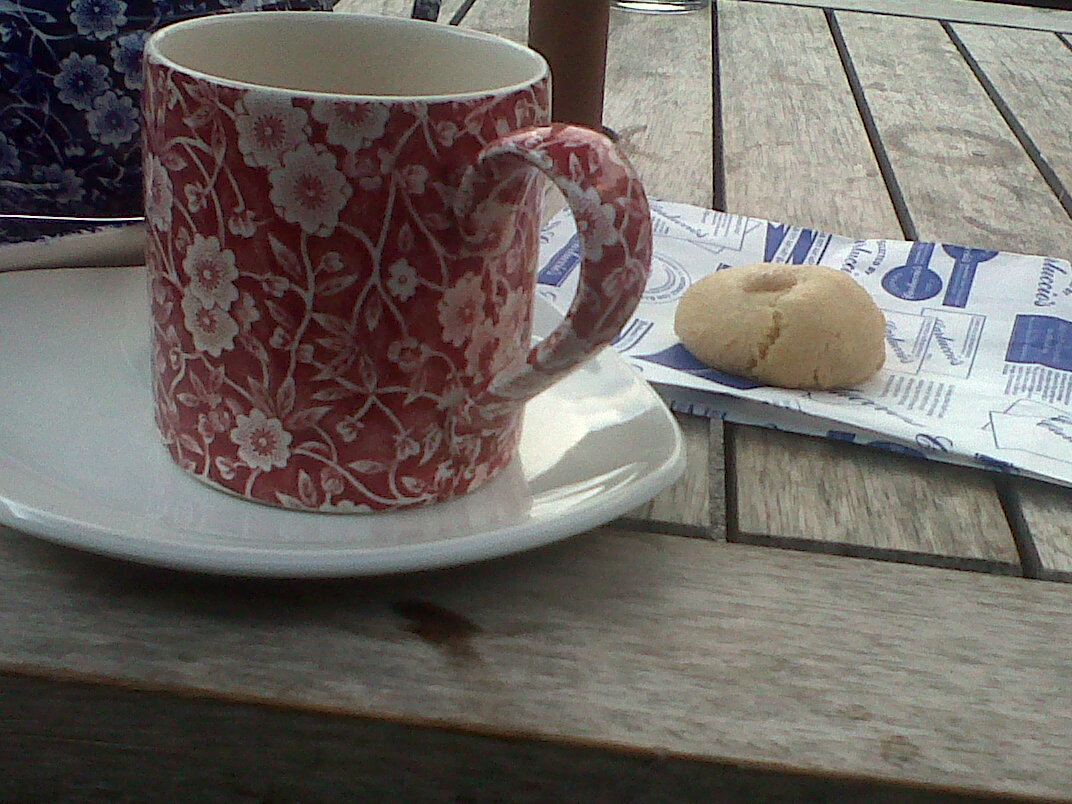
One of the ways I do this; is by taking a snapshot ‘anything’ but it seems on reflection that most are taken while having a cup of tea! I then send it to her with a quick greeting never more than ‘Hello … half a cake and tea at wherever’
The time had come to take a look at the snaps, taken over the last 2 years, and do something with them … delete mostly.
So the next 2 hours were spent laughing, crying, deleting and saving; one or two from more than hundred moments!
This one I saved not because it is a good picture or not being a cup of tea
But said a little about technology old and new and it worth
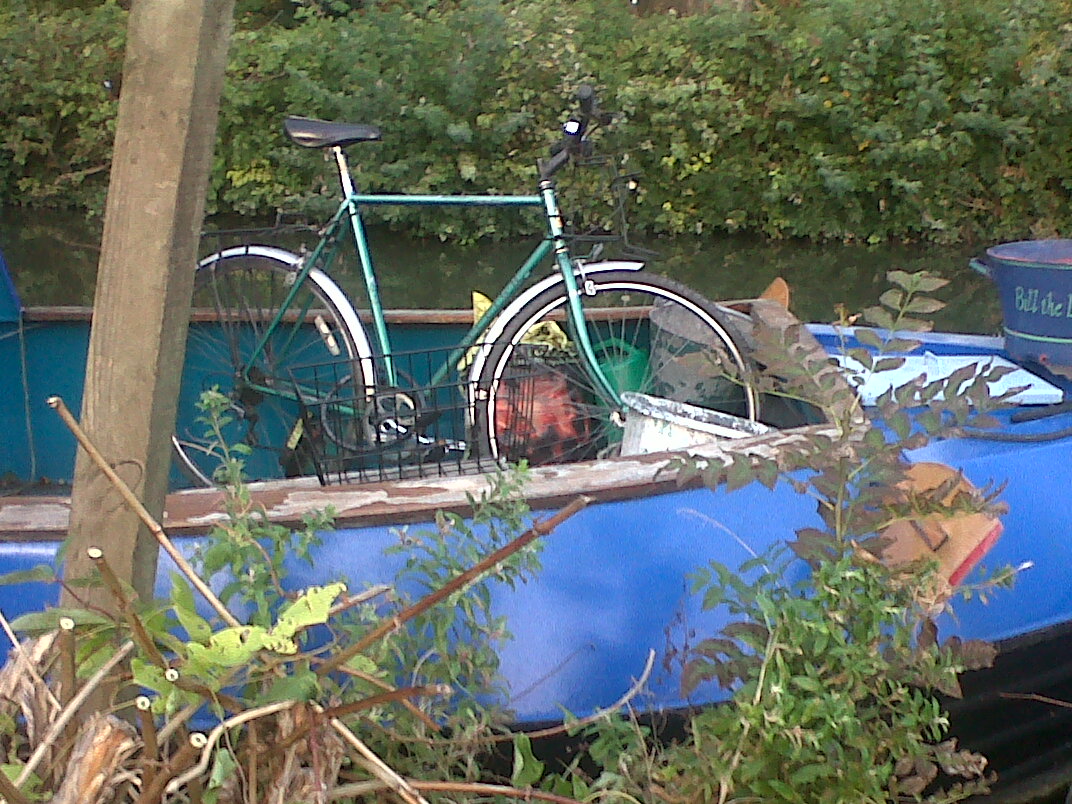
Impetus
boat bike [iphone] idle
without love.
Saturday Centus …. Leaves?

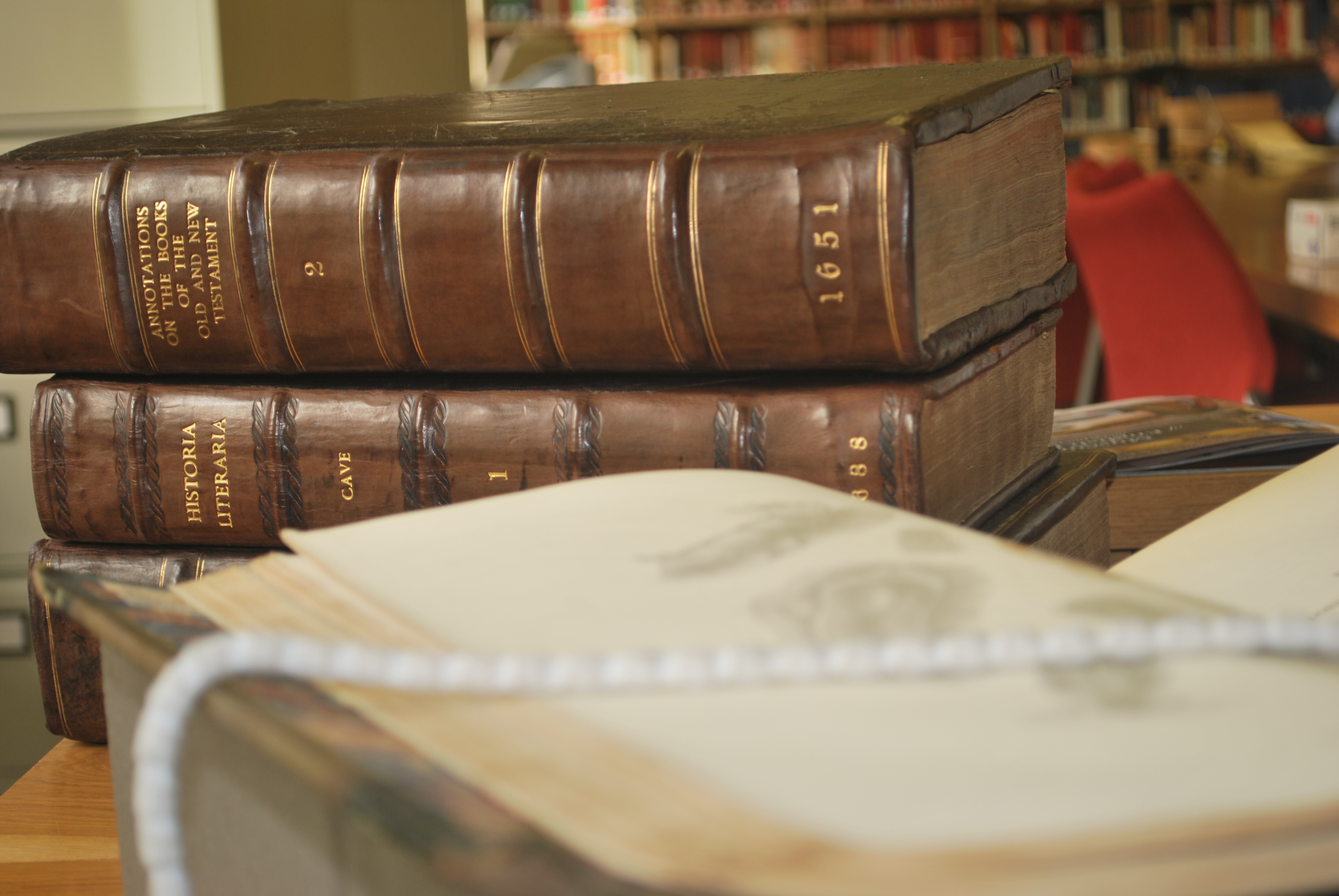
Why is it that new books looking so bright, cheery and desirable; can become so shabby after a few weeks? Students have marked the text with pencil and highlighters, pages are dog eared and even some are removed.
Yet books that were written over 400 years ago; have survived all manner of abuse, war , fire and flood, still remain attractive. Some have been annotated by previous owners in copperplate handwriting. The delicate illumination, illustrations and engravings are still as new. Their vellum and leather bindings glow warmly; polished with constant use. How heavenly their leaves have grown each page tenderly turned and gazed upon.

Friday’s Library Snapshot …
One of my favourite collections of books here at the library is the Gibbings Collection.
Robert Gibbings (1889-1959) was a wood engraver, artist and author. He founded the Society of Wood Engravers in 1919 and took over the Golden Cockerel Press at Waltham St. Lawrence, Berkshire from 1924-1933.
In 1936 he became a senior lecturer in the Typography Department at the University of Reading.
The collection comprises of 300 books written and/or illustrated by Robert Gibbings. There are some books printed at the Golden Cockerel Press and others at the University of Reading, School of Fine Art.

In 1939 Robert built a little boat and sailed down the River Thames. On the way he stopped at nearby public houses; talking and engraving as he went.
This book, documenting his journey, was very popular in the 1940s among people who wanted to escape the harsh reality of England at the time …

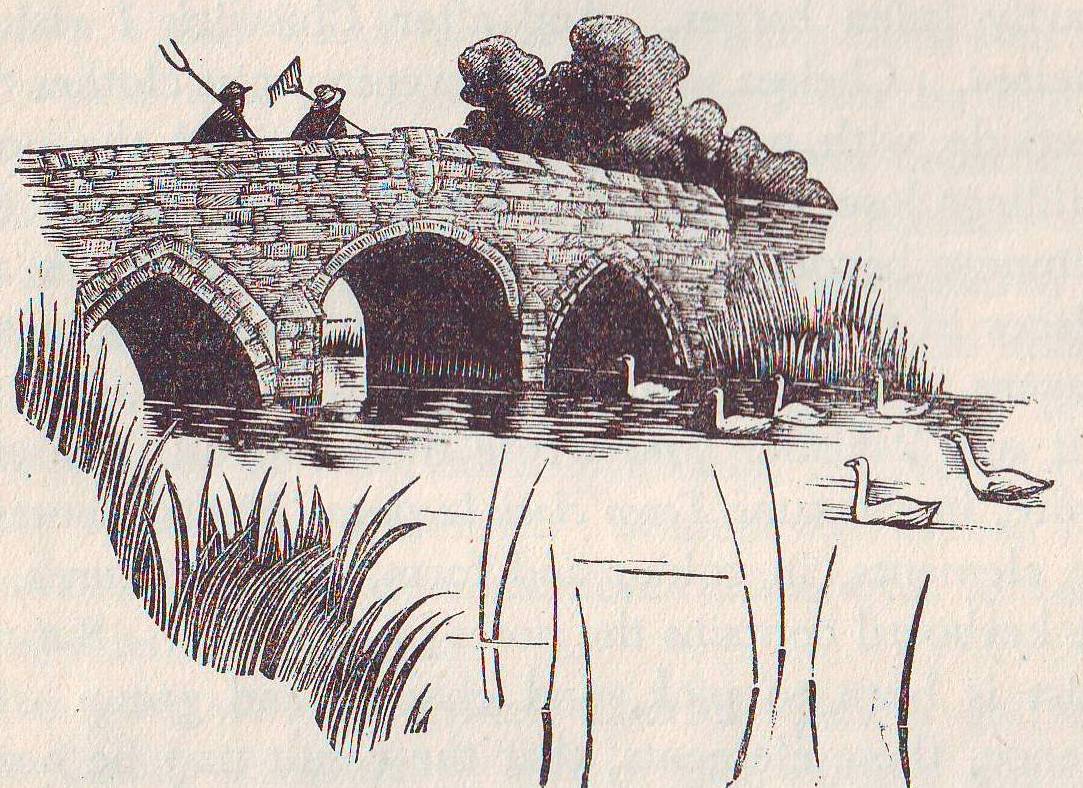
 I am drawn to these images as I live by the Thames and my favourite haunt is the Bull at Sonning and I am sure Robert Gibbings would have enjoyed the Beer and the company there.
 Coat Hanger Doll's House