100 Word Challenge for Grown Ups – Week#80

Despite my pounding in my head, I will mop the sweating brow and wipe away yellow and green slime from the reddened nose. Pour regular doses of soothing elixir and cleanse the the sticky globules that run down the bottle. Pull the blankets around and tuck in the chilly soul as she coughs and wriggles in her painful unrest. Rub camphor on the wheezing chest. Then concoct a nourishing brew from a limited resource now the sickness has gone into several days the larder has become depleted. I empty the washing machine and refill it again while holding my pounding head. As only a mother would.
Weekly Photo Challenge … Neighbourhood


I live in Reading, Berkshire 25 miles west of London; once renown for bricks, beer, biscuits and bulbs. The houses in my neighbourhood were built from local bricks for the workers, in the kilns, Courage brewery, Sutton Seeds, and the world famous Huntley and Palmer Biscuit factory over 125 years ago. The rows of tiny two up and two down houses, without bathrooms, were family homes. The children went to the local school and the little row of shops offered all the needs for the community. The Huntley and Palmer family were Quakers so while they built many houses and other public facilities there were not many public houses provided. There is a very lovely park and library that offers a pleasant alternative. There was a local public baths and hospital nearby. The tram station at the end of our street provided transport into the town centre on market day day and for luxury items at Heelas the department store now John Lewis. These once thriving industries that provided work for the local community for decades have all closed down or relocated.
The little houses have now become part of the unseen economy and items of investment; stepping stones for those who want to become part of the property market. So the streets became gentrified with inside toilets and bathrooms, either tacked on the back or replaced a bedroom. Now homes for workers in the growing silicon valley that stretches beside Thames only a stones through away. The key workers at the local hospital and university will also will never move far away. Because of of the town’s proximity to London, Reading will always be a dormitory for the City workers. Also during a recent economic boom many people were able to mortgage a second house. Many of the homes have reverted back to being rented and a place for students at the university and technical college. The local shops now have become mini supermarkets; so the independent butchers, bakers and fishmonger have long since closed down to be replaced with a takeaway or a cafe that feeds the changing and wandering community.
Even with the general dishevelment caused by the students and their landlords who don’t have the local community spirit, the mishmash of home improvements, UPVC doors and windows and the rows of over full wheelies bins, I would not change a thing … with the natural disorder comes the beauty.
Also the inhabitants themselves have changed over the 30 years I have been living here,with the natural growing old and death and of course the up-and- coming usually get up and go. So those remaining as before find employment and a home for a while. Making use of the last remains of a community that began around 1888 with Mr Palmer and his philanthropic colleagues

Trifecta: Week Sixty-Eight
This week’s Trifecta challenge is ‘Time” and is to be used in the third definition. As usual I have chosen to use 33 words (we could used between 33 and 333) I am looking forward to when I can rally time and maybe do 333 words!
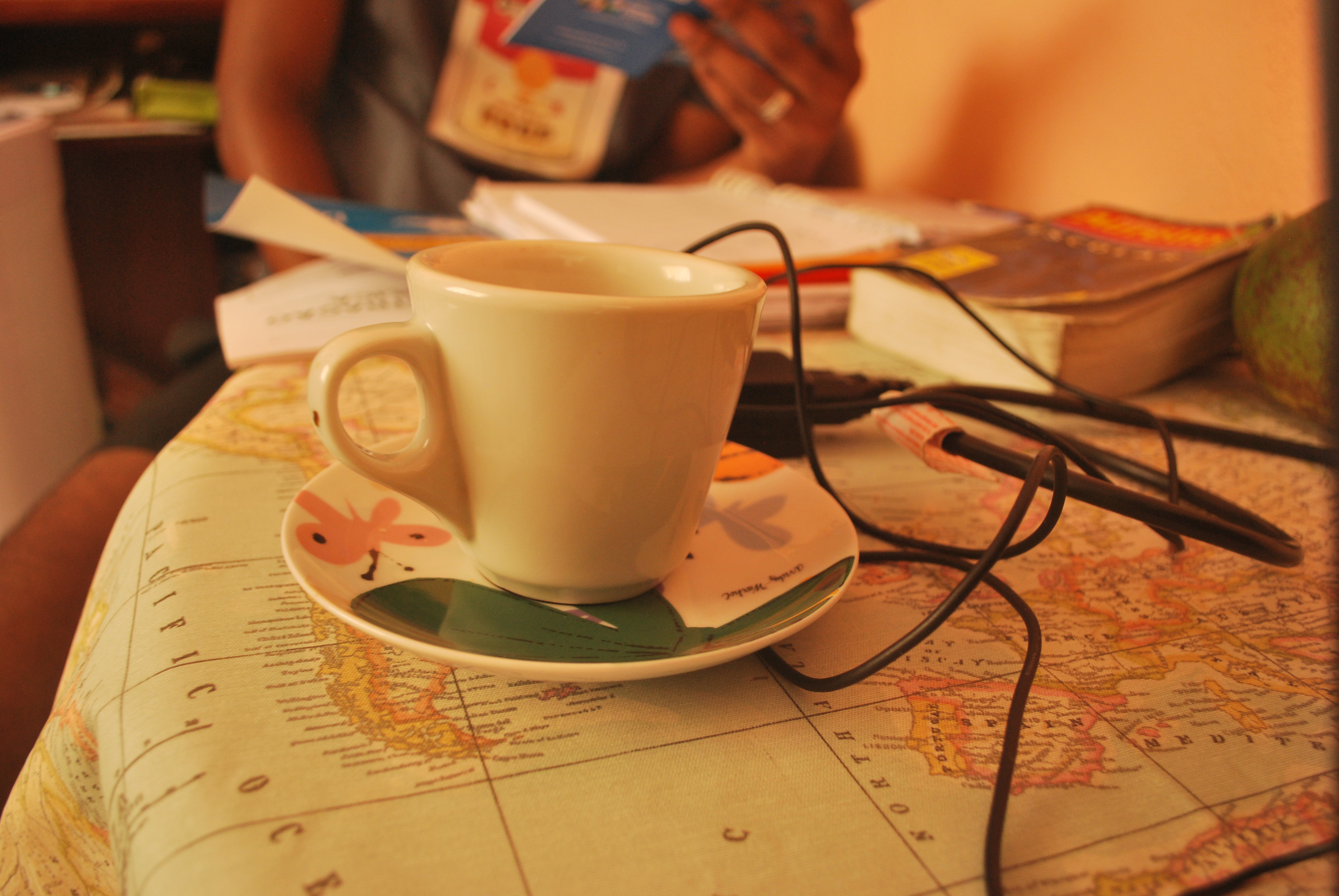
Time is our enemy he takes no prisoners. We can wage war with every electronic device. There is a only one way to sooth the monster; invite him for a cup of tea.
Last week I learned … I cannot learn everything.


I have spent the last 12 years or so years studying Ancient Classical languages. I do not regret one moment. It has given me great pleasure and with the formal accomplishments if have found work where my knowledge has been useful. It will give me delight and stimulation I hope for years to come.
However, since my library work as given me opportunities to travel to Spain regularly throughout the year, my daughter now lives in Brazil and we have increasing spent holidays in Europe, I find my knowledge of modern Languages sadly lacking.
I consider if I had spent the last 12 years studying Spanish and or Portuguese instead of worthless dead languages it would have been more useful.
As I consider my trip to Rio this week, a time when I expect my Brazilian son-in-law to be word perfect in English, I can be little more than polite in Portuguese. Nonetheless people are generous and my ignorance is graciously accepted.
Reading is a little easier with time and the aid of Google Translate. I am particularly interested in women book illustrators and found translations not perfect, but I am happy with my clumsy attempts.
have spent the last 12 or so years studying Ancient Classical languages. I do not regret one moment. Iit has given me great pleasure and with the formal accomplishments if have found work where my knowledge has been useful. It will give me delight and stimulation I hope for years to come.
However since my library work as given me opportunities to travel to Spain regularly throughout the year, my daughter now lives in Brazil and we have increasing spent holidays in Europe, I find my knowledge of modern Languages sadly lacking.
I wonder if I had spent the last 12 years studying Spanish and or Portuguese instead of worthless dead languages it would have been more useful.
As I consider my trip to Rio this week a time, when I expect my Brazilian son-in-law to be word perfect in English while I can be little more than polite in Portuguese. Nonetheless people are generous and my ignorance is graciously accepted.
Reading is a little easier with time and the aid of google translate. I am particularly interested in women book illustrators and found translated not perfect but I am happy with my clumsy attempts.
Until I came across an illustrator called Angela Lago, in an English publication called Under the spell of the moon ; art for children from the world’s great illustrators edited by Patricia Aldana. We are not told from where Angela’s illustrations come. Although, there is translation it bears no resemblance to my Google attempt, which doesn’t surprise me, but leaves me wondering ‘What does this mean?’
There is a short biography at the end of the book with the other artists. Angela Lago was born in Belo Horizonte, Brazil and writes and illustrates books for children. She is particularly noted for her work with interactive animation and new media. She has won various awards and has received a nomination for the Hans Christian Anderson Award.
So while, I would like more information about this lady and perhaps some books in translation or not , I will consider the answer to the riddle .
o que anda com os os pés na cabeça
o que que quanto mais se tira mais cresce?
… It is hair
It has its feet (roots) in my head
the more I cut it the longer it gets!
Clever when you know how.
Silent Sunday …
Trifextra: Week Fifty-Eight
This is my response to the Trifecta week writing challenge to give a 33 word ‘story’ using the word ‘stone’ with any definition.
As I am not the most ‘creative’ writer I am happier that ‘they’ are looking for a serious entry. However I cannot judge whether it is well-conceived; only others can tell … kindly!
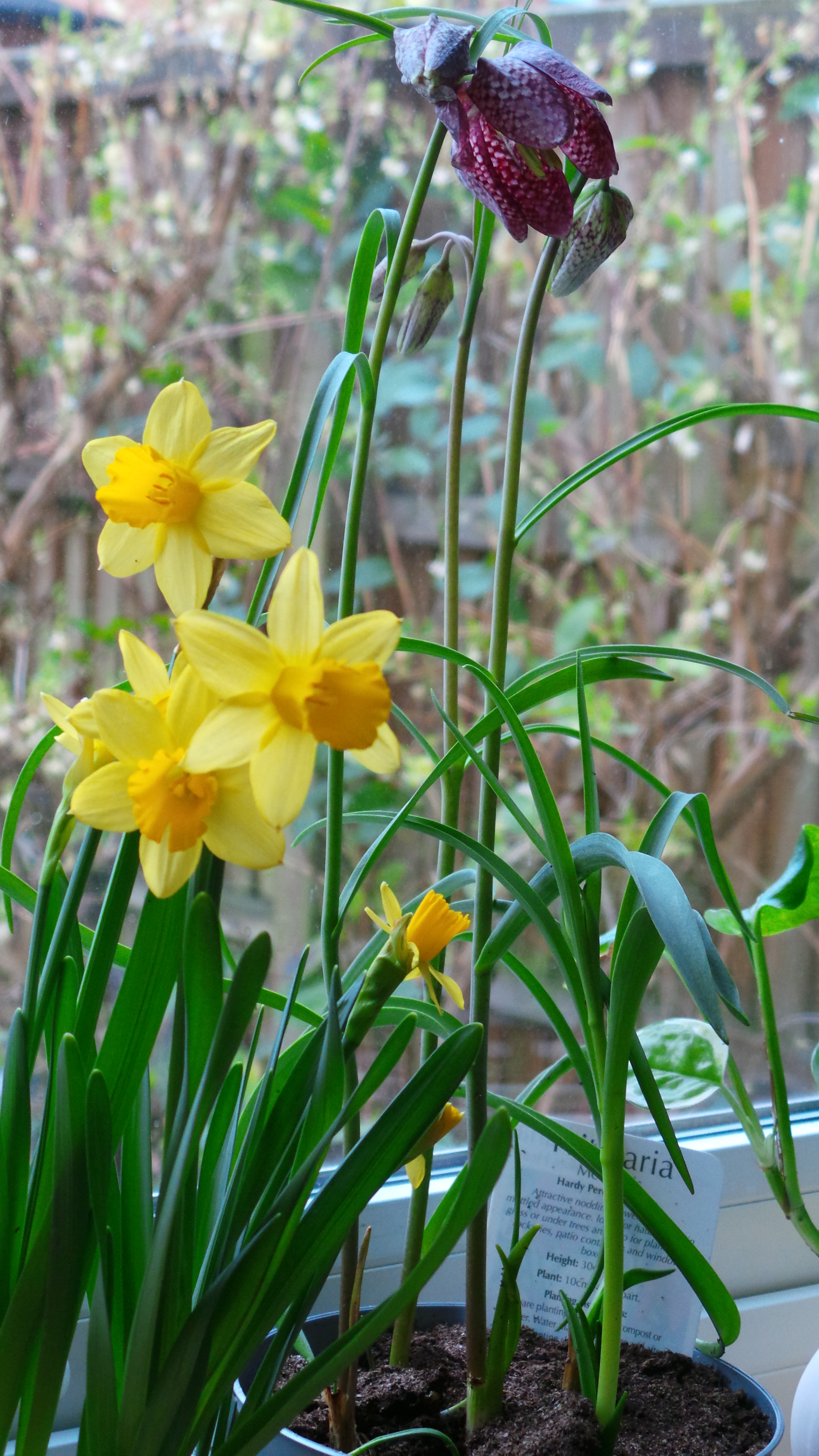
‘There is a stone; hard and heavy as lead that wears down the bravest soul. Its rough edge leaves an angry sore almost beyond repair. However the same inside a an oyster shell …’
Saturday and counting … Is Rio ready for this?

Today I begin the to count the days before my trip to Brazil to visit my daughter and son-in-law. It has been a long time coming and the highs and lows have been well documented . However, these last few weeks have been pleasantly busy. With the planning, buying and discussing the logistics of taking ‘all but the kitchen sink’ in three manageable suitcases.
My long suffering husband has taken the brunt of my eternal cliches that complement each ‘one more item’ as it is squeezed into the case.
‘She is worth it! “We won’t be seeing her for ages’ ‘It was only cheap’ ‘It is only small’ … ‘It will cost a fortune in Brazil’ etc. I am becoming a master!
However as the dust settles and the plans come together the negative thoughts and gremlins invade; probably no different to those we all have when we anticipate with a long journey, so I will not include another list.
It is for me the return to the empty house and the anticipation of the next years wait.
Yet, it seems inappropriate to consider the next plan or even consider anything that could cushion the homeward trip.
Nonetheless there is a plan, whether appropriate or not. A tiny seed, rather than a bolster to ease my fall, a launch pad, from which I am hoping to propel my way into the next stage. Meanwhile, back to the packing ‘Where is the the shoe horn?’
To celebrate women … today on International Women’s Day


For the last year I have each Wednesday celebrated a woman who I considered wise. Here is a selection of images used in the posts.
I add my praise to Women who have made an impact and serve as a model for those like me who wonder ‘How they do it?’
Friday’s Library Snapshot … Eileen Soper
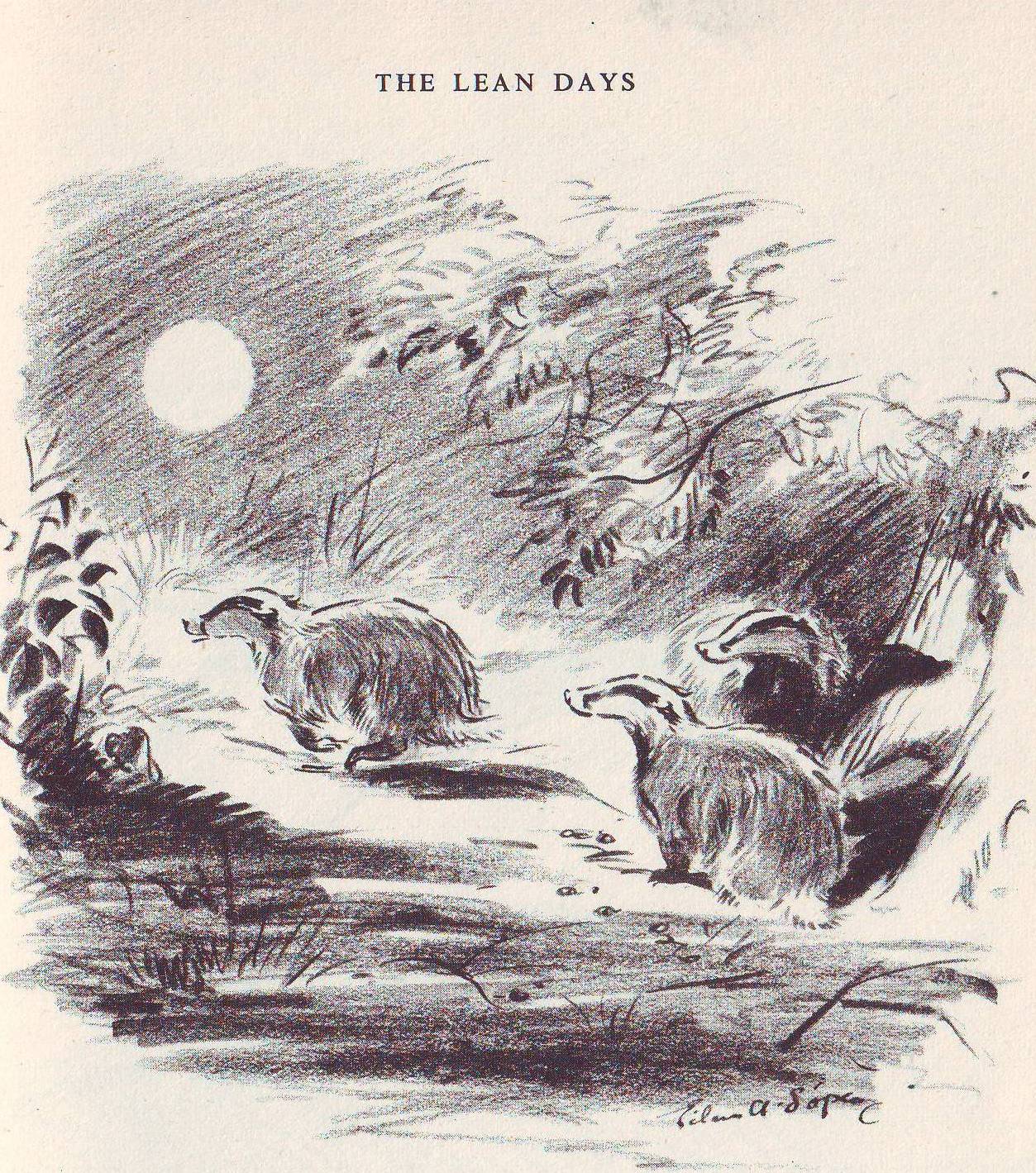
When Badgers awake written and illustrated by Eileen Soper
Eileen Soper (1905-1990) illustrator and print-maker from an early age expressed a desire to follow in her father’s footsteps. Eileen’s father was a book illustrator and his life and work is well documented in the Art of George and Eileen Soper. Encouraged by her father Eileen soon rivaled him and surpassed his popularity.
At sixteen she exhibited some etchings of children at play at the Royal Academy and attracted much attention from fellow artists and the general public.
As she developed she began to work as an illustrator of children’s books. In collaboration with Enid Blyton she worked on the Famous Five Adventures and a range of other books including the Children’s Life of Christ.
She also wrote and illustrated wildlife books and made a considerable impact on the natural history scene with the publication When the badgers awake. It was an account of her four year study of a badger colony. Although she wrote more books about general observations of natural history they never made the same impression as her badger studies.


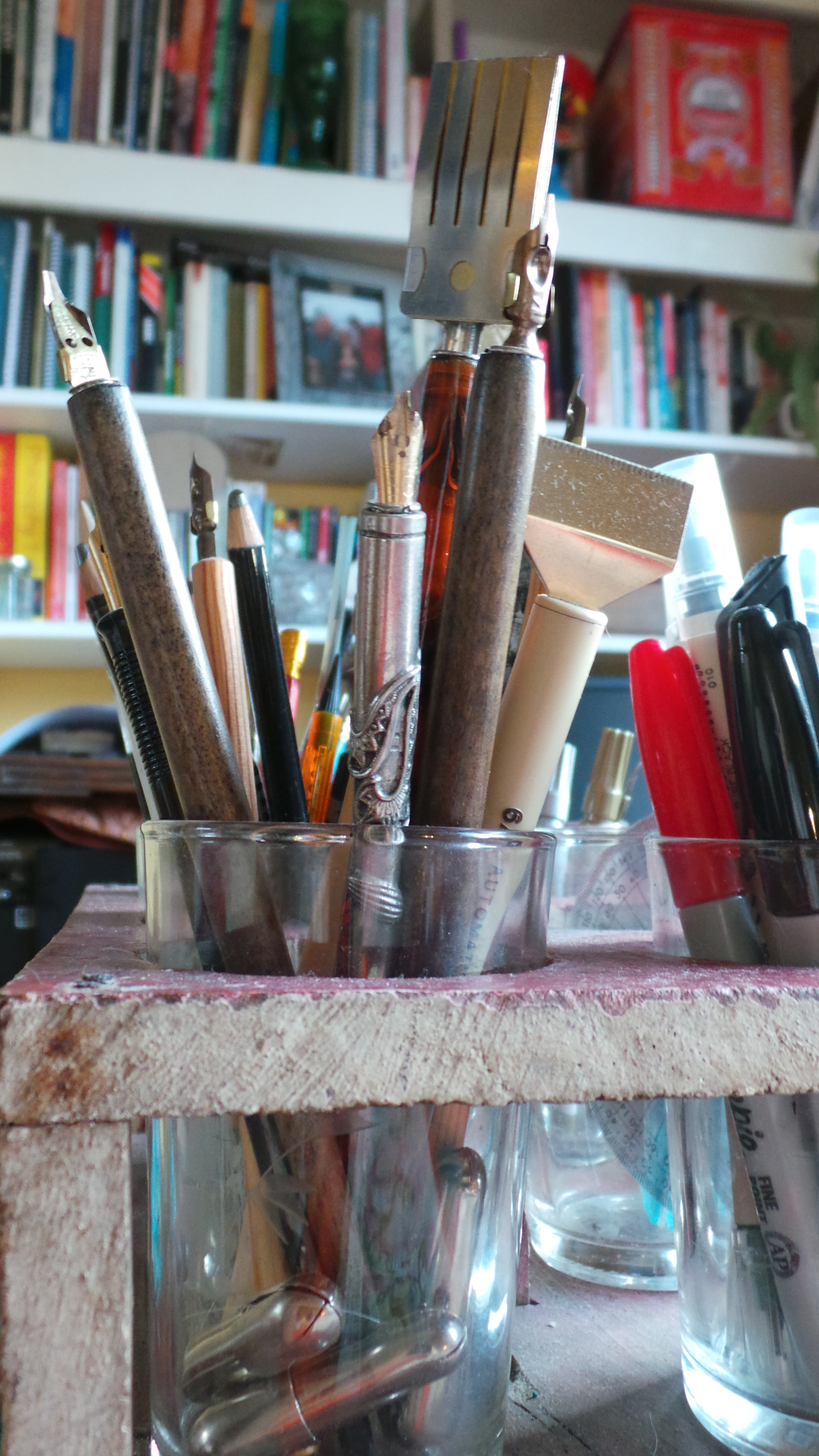
Alphabe Thursday … P is for Pen

The pen is one of our most useful instruments of expression; to share knowledge and in the the shaping of the letters. Before or after the advent of printing no tool has been more important than the pen.
One of the first writing ‘papers’ used by the Egyptians was Juncus maritimus a rush plant which grows in marshy areas almost anywhere in the world including England. The ink used by the first scribes was made from soot or charcoal mixed with gum and water and shaped into a cake to fit a writing palette.
The pen made from the same rush plant was firm and of varying thickness some as narrow as 1/16th of an inch. The rush stem could be used in different ways. First as a brush with one end bruised so the fibres spread. Secondly for adding colour the drawing end was sharpened to point without a slit to give a line of equal thickness either way. Thirdly, and most important as a pen, which was cut at an angle to give a regular writing edge.
Later in about 600 BC the Egyptians were using a hollow stemmed reed, Phragmites aegyptiaca, cut with a slit much like a modern broad-edged quill.
In about 190 BC when the papyrus was replaced with vellum and parchment as a writing material. Then came the quill pen made from the large flight feathers of a bird, which was a similar shape to the reed and had a hollow barrel.
So while the quill became the primary instrument for writing in Europe, the reed continued to be used for certain letter forms, such as Greek cursive script.
There were attempts to produce a metal pen of bronze, copper, silver, gold and bone during the 18th century but none replaced the feather quill.
Metal pens were first manufactured in England at the beginning of the 19th century. While craftsmen would not consider using a metal pen on vellum and parchment, the ‘modern’ pens proved invaluable for the scribe or calligrapher when he undertook specialist projects such as posters, notices, memorandum and correspondence when cost, speed and time were very important.