Wednesday’s Wise Woman … Cecilia Meireles


Book shops are big in Rio; much like those we enjoy in the UK along the Charing Cross Road in London. Each with an independent air and unique range; a far cry from the chains of so called bookshops we see in every town and city in UK strategically placed between Costa and John Lewis with a fine selection of ‘blockbusters’ and little else.
Sadly with my poor Portuguese I am at an immediate loss and can only absorb the atmosphere, colour, music and the cafe.
Last year this obvious disability did have its downfall that I had little hope of improving. So I made sure that this time I was better prepared to engage more with at least a range of some books.
Looking at illustrators of children’s books proved beneficial and I have a stash of books by Angela Laga and Marilda Castanha to take home and research more fully. Also as previously discussed I found works this way by Cecilia Meireles,
Meireles was orphaned at three years old. As a child she developed a deep love for nature. Her lyrical and highly personal poetry dwells in the complex symbolism hidden in everyday objects and events.
She established her literary reputation early in 1919, expanding traditional forms such as the sonnet. She was awarded the Brazilian Academy of Letters Poetry Prize in 1939, her first official honour. Meireles died of cancer in Rio de Janeiro in 1964. Her principal works were Viagem (1939), Doze noturnos da holanda e o aeronauta (1952) and Solombra 1963)
Needless to say that I had no difficulty finding books, by her and about her, to gaze at intelligently.
100 Word Challenge for Grown Ups – Week 83
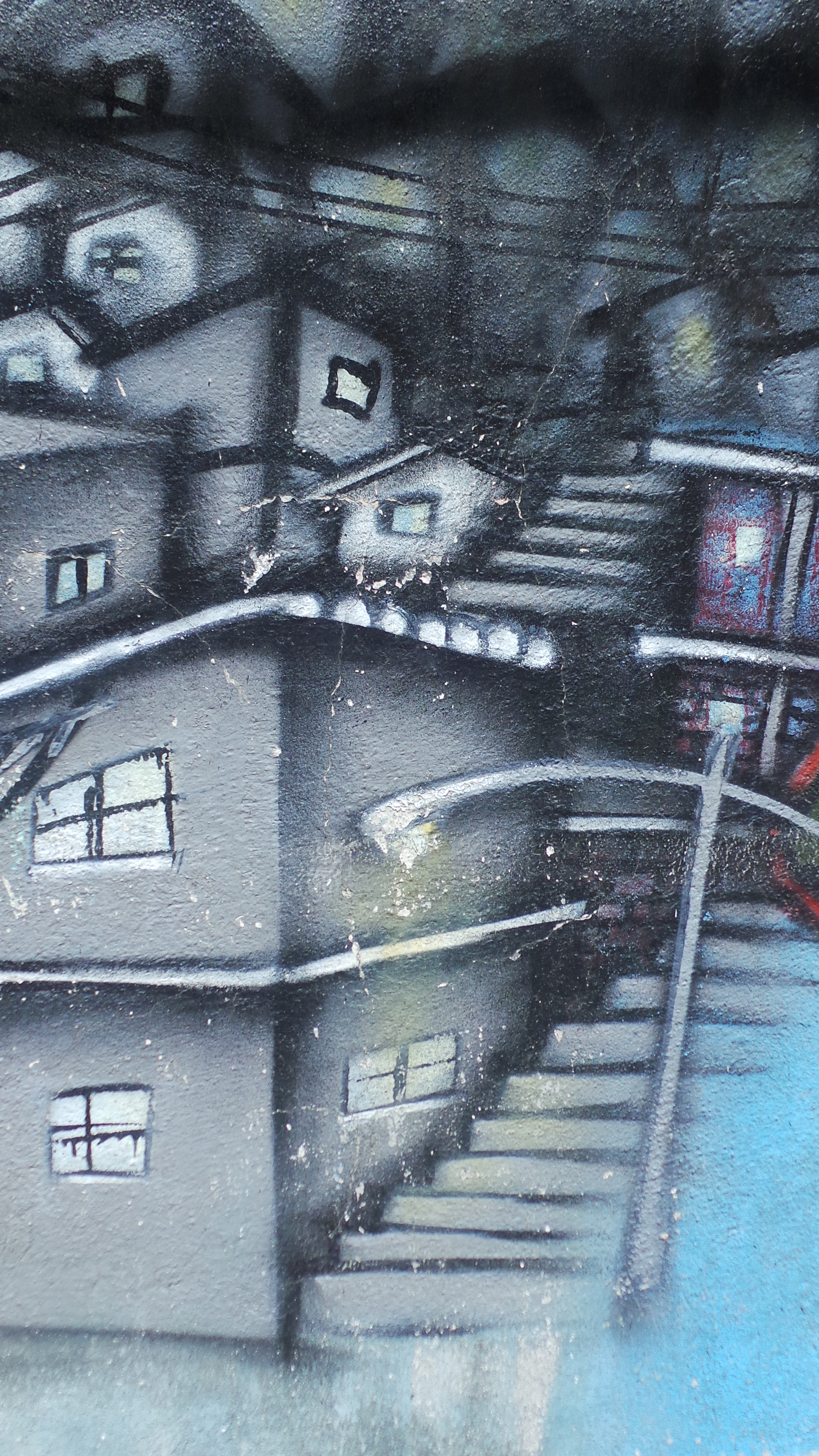
I don’t believe it; to make space for the London Olympic Stadium in 2012 over 100 families were victims of forced migration. We were assured that after the event the arena would be used for affordable housing for local people. Whether or not this happened I cannot be sure.
However, in preparation for the Olympics in Rio de Janerio, the risks to several hundreds of families and their homes is much more serious. The opportunities for affordable housing in the locality will not be an option. Low paid key workers will become unhappy outcasts in their own city while others revel in untold glory.

Weekly Photo Challenge … a day in the life of …
‘A day in the life of … ‘ put me in an unfair advantage as at this moment I am a holidaymaker. I could put together a bunch of photographs taken over the last two weeks and say this was so. Indeed that would not be untrue, this holiday has been a riot of new experiences and joys that could not be rivaled and easily considered in the prompt.
Nonetheless this is called a day in the life of a Carioca on a trip to the Ilha Paqueta . An island of one square kilometer in the north of Guanabara Bay, an easy and pleasant day-trip that is very popular with Cariocas at weekends. It was first occupied by the Portuguese in 1565 and later became a favourite resort of Dom Joao VI, who had the Sao Roque chapel built in 1810. There are 2000 inhabitants; they are all employed and dedicated to and by the tourist trade. There are no cars except an ambulance and dust carts brought regularly from the mainland on large vessels to remove the debri from the beaches. The elegant and colonial buildings, although many in need of renovation, retain a certain shabby chic charm. The trip by the ferry is an attraction itself for well over an hour the ‘sailor’ is given a unique view of the bay, the city and the magnificent Niteroi bridge.
We left Rio just as the market at under the motorway was being set up at 7am. The trip was most pleasant even as the tourists became more wakeful and animated as the time went on. We had a picnic breakfast even though there were plenty of vendors selling tasty morsels. When we arrived we hired bicycles for a circular tour of the island. The silence without cars was almost deafening. Nonetheless one soon realised that whilst one could walk the roads more easily, we must be watchful of the bikes ponies and their traps. It really was a beautiful day much like those I had as child; simple and uncomplicated ….


Last week I went too …


Last Sunday we enjoyed lunch with family; then in the late afternoon we went with my daughter to Praca Sao Salvador, Rio de Janeiro and joined a demonstration and rally to celebrate the International Day of Truth. I expect this ‘day’ went unnoticed in most international cities and the world press, nonetheless this rally was well attended by the press and TV cameras and crew. It should be noted here while my daughter is involved with aspects of the human rights movement in Brazil, I am mere bystander in this place and not in a position to hold political views … Also I did not understand a thing they were saying. However, this was not a pageant for the tourists. I understand it was an opportunity for the various organisations (my daughter’s included) to came together to and share knowledge celebrate successes and raise issues that had not yet been addressed.
The rally was held in a small square surrounded by bars and cafes and filled to capacity. It began with a performance by a theatre on stilts. It was a moving and dramatic piece, but i missed its significance to the realm of Truth without background knowledge. Even in mime, something is lost without the language and a ‘true’ understanding of the culture However no one could failure to be impressed by the skill and balletic performance.
Then followed the speeches of well known people in the Human Rights Movement; again without the appropriate language skills the content was lost. But the passion and opportunity to share their concerns and achievements with the swelling crowd was taken and rapturously received.
One lady I noticed speaking holding a street sign. From my understanding since, she was from a small organisation who in a bid to raise awareness for those forgotten or lost were making street signs. They began with the names of notable women who had made a place in society and the human rights movement and replacing or attaching it to an original street sign. I assume, and stand to be corrected on this and any of the above as mere observations, that this is illegal. If this is so, then depending on the diligence of the local authority will be removed.
The organisation has a plan to continue this ‘infiltration’ of names that might have been previously forgotten in the new modernity. Names not only of women who have played an enormous part in the downfall of the dictatorship but also children and young people who have disappeared.
The closing ceremony was in memory of those lost in the dictatorship. This time I was left in no doubt while there was grief and despair for the past, and the present political situation is still not stable, there is hope.
Trifextra: Week Sixty-One


This weekend Trifextra asked for exactly 33 words including an idiom somewhere within.
Decision making has never been my forte. Even the the most simple choice will painful.
However on holiday choices can be a delight … in 33 words
‘between rock and a hard place’ when needing the convenience of the noisy, air conditioned and nearby bar or the seclusion of a cool cove a kilometer along a hot and dusty track.
Silent Sunday
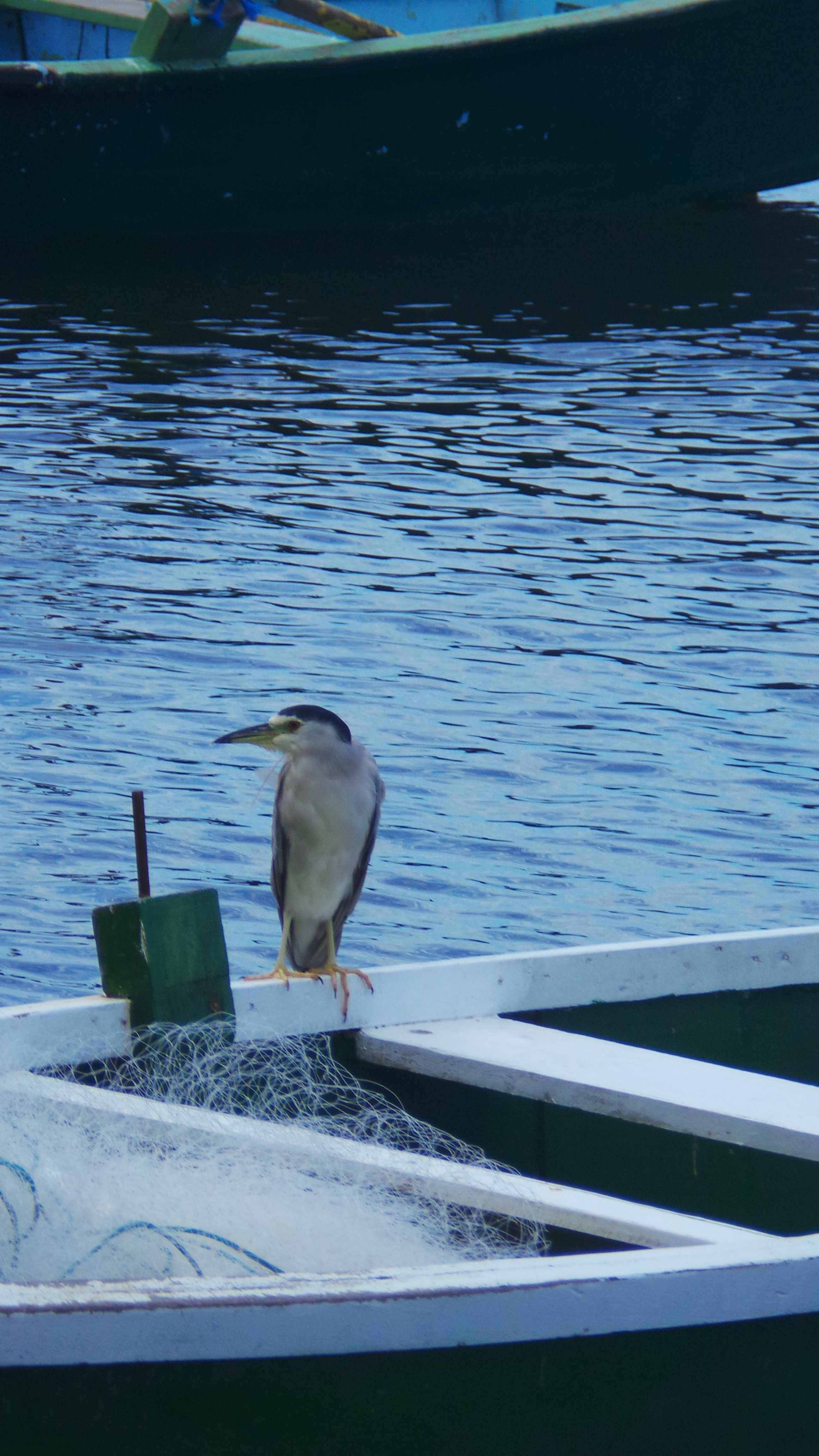

Happy Holiday
From Rio de Janeiro I wish you a Happy Holiday
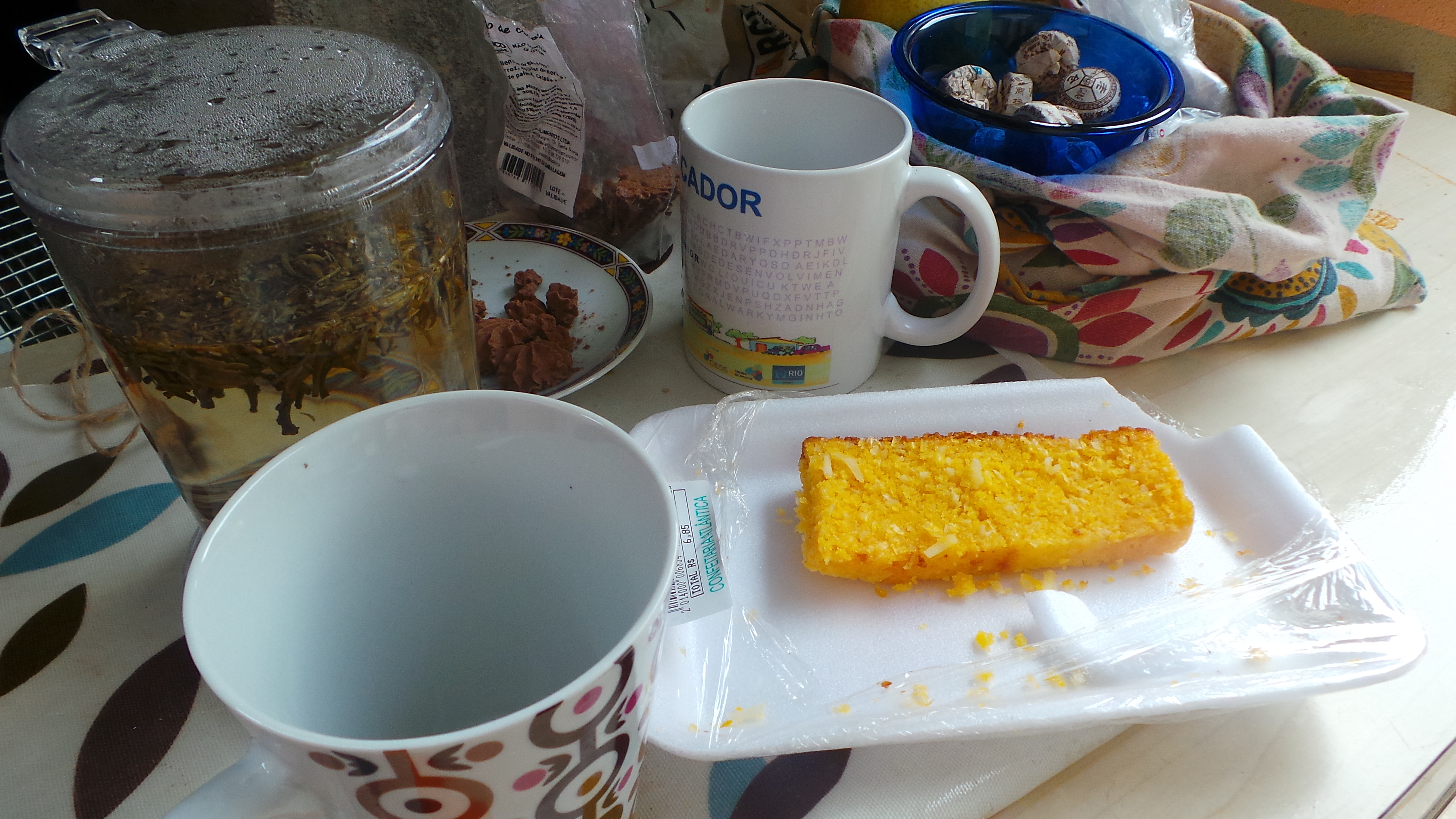
Friday’s snapshot from the gallery …


Yesterday we went to three art exhibitions at two venues in Rio. The first was at the Centro Cultural Banco do Brasil called the Um Olhar sobre o Brasil: A Fotografia na Construção da Imagem da Nação.
A look at Brazil: Photography in the construction of the image of the Nation was an exhibition organized by Fundación Mapfre and the Instituto Tomie Othake, whose aim is to present a wide panorama of national history through images.
The other two exhibitions were at the Caixa Cultural Centre; the first was Adriano de Aquino reads Ivan Serpa.
Ivan Serpa is the widely acclaimed pioneer of Concrete Art in the 1950s. His expansive body of work also includes important contributions to expressionism and geometric abstract art.
The second and the artist I found most pleasing was Lasar Segall and [his] journey on paper. While we were able to discover his birthplace was in Lithuania and his date of birth 1891-1957 from the publicity material, we could see some inconsistencies regarding his wife and children. Although my daughter was able to translate some of the text, the details from limited resources, without more historical knowledge it was difficult. We discovered more from an English speaking art history student who happened be passing. He was able to fill us in on some of the gaps. Particularly about Segall’s second wife; Jenny Klabin Segall who was an artist in her own right and also a model in some of his works. She spent her time during his lif and after promoting Segall’s work in the USA and Europe.
All the exhibitions have put a little meat on the skeleton of knowledge that I had about Brazil and its growth through art and and art history. While there remains the huge distance when I return to UK and of course the language different, there is hope that I will be able to apply my research skills and art history tools used with European art and can add more flesh to the bones.
Alphabe Thursday … S is for Stuff


For this week and the letter ‘S’ I bring together a quite unrelated bunch of images; however they do encapsulate a particular day during my holiday in Brazil not to be overlooked while sevarally they are almost insignificant.
First a poster of Gilberto Gil, the singer, song writer greeted me as I came from from the metro at Cinelandia. He represents ‘S’ for Samba, a lovely sound that I can transport to my sitting room at home when I feel the need for Rio and the carioca sound.
Second,Spices! we saw this man walking in the street with a barrow of spices. He was a librarian’s delight each item was meticulously labeled and laid in order. To bring the little scene into photographic array he adjusted his spotless apron and tweaked his twigs of bay. He was a delight not to be missed.
Finally, Sunhats, as a Brit, I am unaccustomed to continuous sunshine. Although we have had rain and sometimes torrential ; the sun has not failed to appear. The sunhat and its protection has been vital.

Wednesday’s Wise woman and a man!


Again, I have spoken before of Cecilia Meireles; poet and artist. Although I have yet to find examples f her painting I did find another example of her work quite by accident. While in Rio and searching among some children’s book in a second hand bookshop for items by Angela Lago I came across this book. A festa das lettras (1997) written by Cecilia Meireles and Josue de Castro and illustrated by Joao Fahrion. Josué de Castro was a Brazilian geographer, physician, writer and activist against world hunger.
He writes in the preface, the way that someone particularly a child eats becomes a habit and difficult to change as one becomes ‘grown up.’ He suggests that these habits become so ingrained, even good advice and scientific admonishment is not adhered to. We have learned to eat what we like and not what we should eat, even if it is recommended for our health. We usually eat to relieve hunger or for its simple pleasure. But this is not enough, we need to provide the right nutrients. This is more complex than we think. One of the problems is education. and the shaping of our habits. Good eating habits should develop during childhood especially to a Brazilian child who is subjected to a precarious and inappropriate diet. In other words a diet that lacks certain elements indispensable to the nutritional balance or where they are found in adequate proportions.
These deficiencies when not checked in the childhood diet at home or at school is more worrying because at this age the child needs the most strength and energy for its development.
The statistics and specialist observations have shown that these deficiencies maintain Brazilian children in a state of malnutrition; predisposing them to many illnesses and these being responsible to the high percentage of infant mortality.
This series of books; this being volume one has the object to create and cultivate good eating habits in children in the various phases of their development. In this volume he goes on to say they endeavour to present to children with the essential elements fundamental for a complete and harmonious diet. Structuring good habits towards certain irreplaceable elements or foods with which children in general are not familiar due to dominant habits; such as milk, fresh fruit and vegetables.
For this to be successful it must be done in an accessible way taking advantage of the children in various ways. Avoiding where possible the monotony of didactic recommendations, unkind advice and the austerity of scientific principles. They have tried to give this book a suggestive and smooth character, also a playful spirit and rhythm that will relate fully with a growing child.
So for this Wednesday a wise man … and a reminder of a fine and wise woman.
Please note this is a translation conducted in a busy cafe over afternoon tea!
 Coat Hanger Doll's House