Weekly photo challenge the rule of thirds …
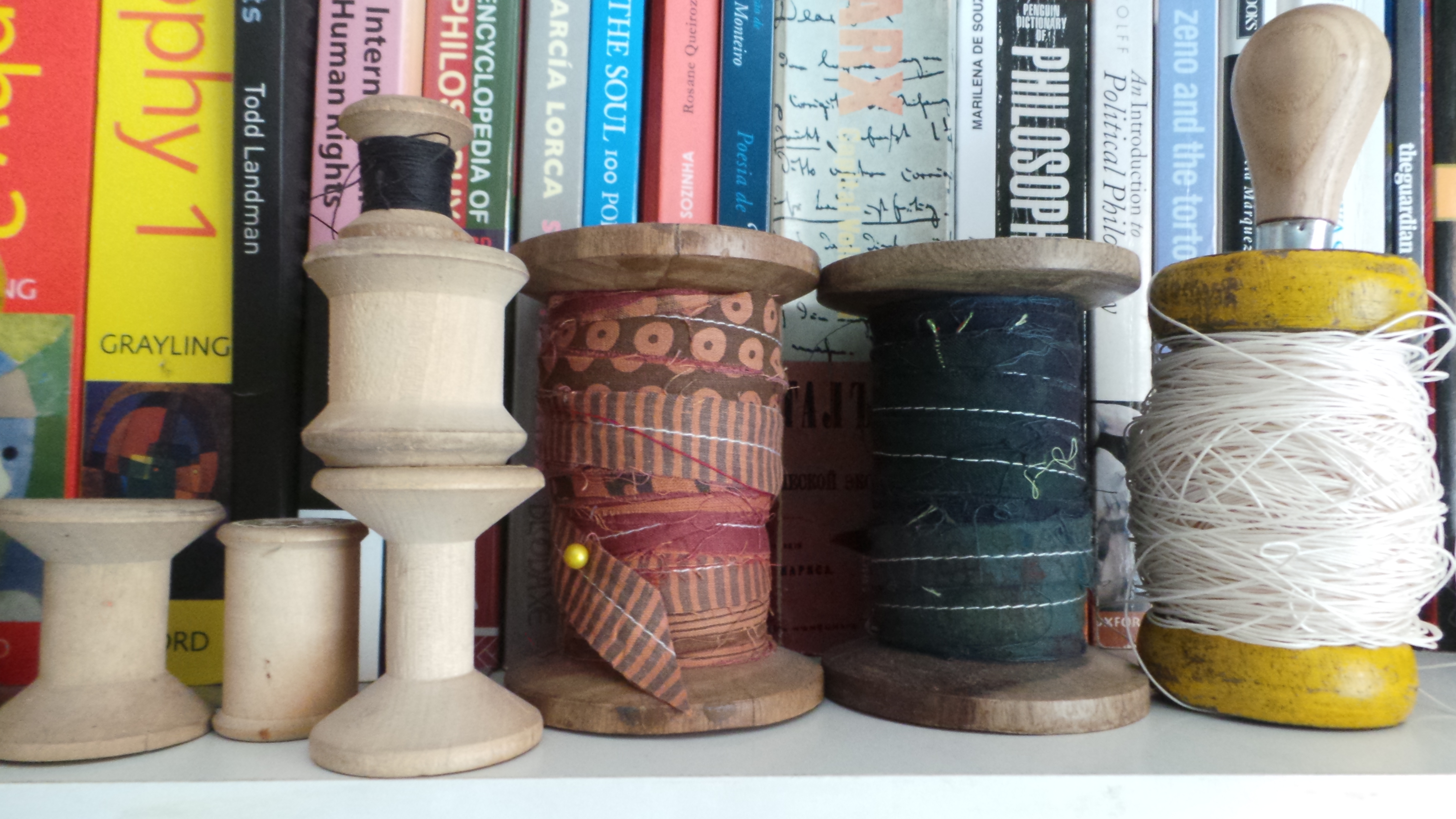
This week’s challenge is easier for me as I practice the rule of 3 unconsciously; it is comforting for me. Although, it was not until I began to ‘study’ art and in particular photography that I realised I was so aware. It is neither a problem nor a delight it just happens if the result is pleasing then it must be simply OK!
Monday and the Bike !!
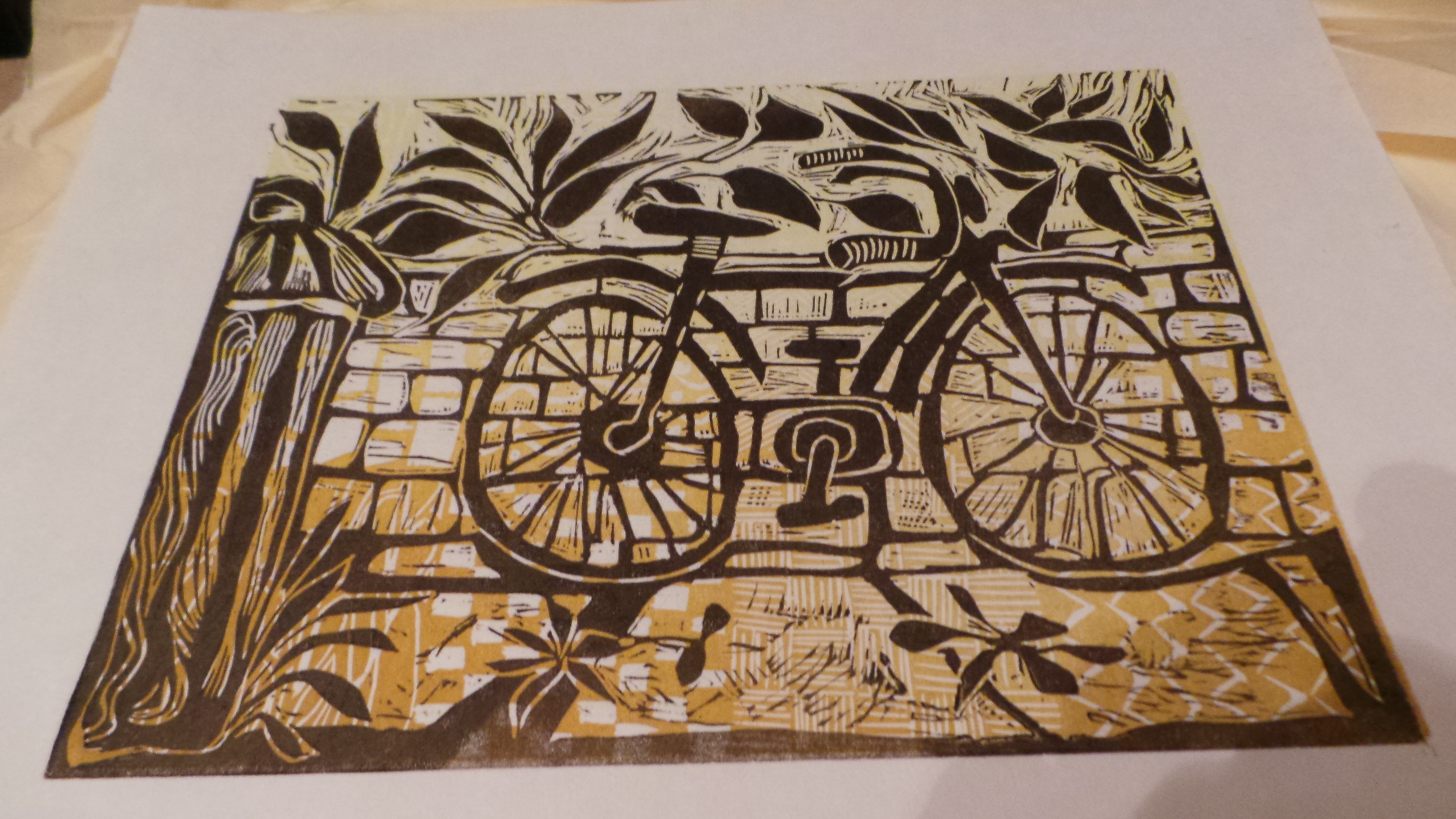
Not wishing to miss a postaday; I celebrate and thank Nick Morley at Hello Press for a wonderful day of printing. I will write more fully about the day later; but meanwhile the bike and its first print … is no longer the ugly child!
Silent Sunday
Its Saturday …
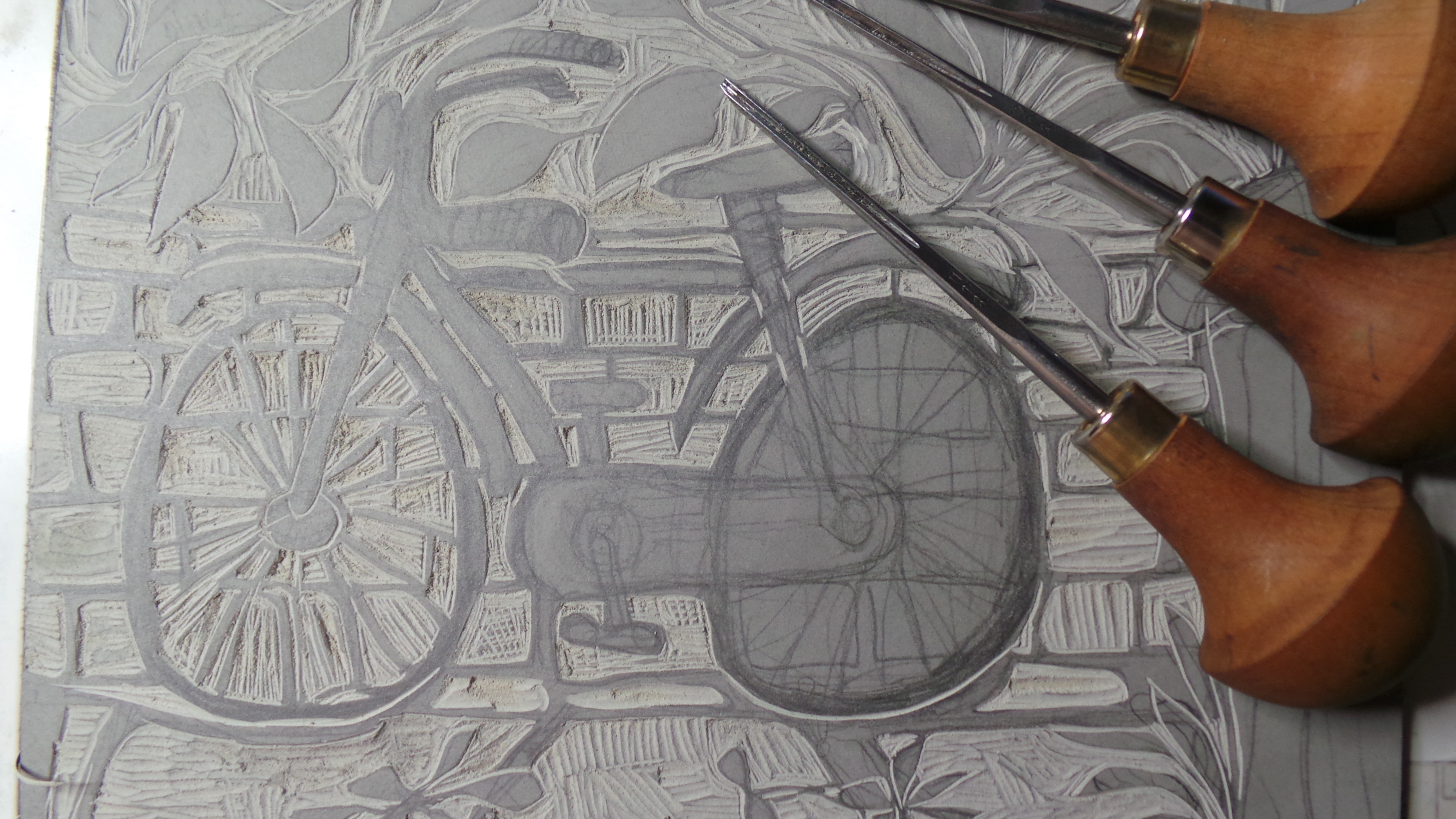
Today is Saturday and I look forward to a busy long weekend! But first I look back to a relief printing class at a gallery here in Reading. It follows a recent drawing class and I was assured that I am no longer a beginner I would learn a lot and of course meet other printmakers which is always a good thing!
However, what I did fail to remember is that the gallery is cold; very cold. While I had learned tricks over the last few weeks to keep warm; talking, for instance with tea clasped in my hands is a good way and wearing layers of clothes too, neither conducive to getting work done, but as I mentioned before that isn’t always the reason for a lesson!
Unfortunately, the lino was not so obliging, so while I did my tricks to get warm, my work of art spent much time balanced on a radiator.
So the little piece (already flawed; the bike, I see is missing a vital piece of its structure ) that I began last week and hoped to take to Margate on Sunday may not get finished.
Friday’s Library Snapshot
Life in Special Collections is always in a state of flux. We always have balls in the air, some days they do come down but not always as planned and in the same order. This is not a complaint; of course there is order and good practices, but sometimes little collections that happen by bring a lovely interlude.
Take the Charles Mozley Collection for instance it was part of the Printing Collection and also a gift from a previous librarian; and the result of an exhibition in the library that happened quite recently. Me, and colleague have been working away at the books with their fine illustrations and design for a few months and the collection is beginning to take a pleasing shape. Here are some images that took my eye.


From A Christmas carol by Charles Dickens ; illustrated by Charles Mozley.
At the back of the North Wind by George Macdonald ; with illustrations by Charles Mozley.
Building the evolution of an industry by P. Morton Shand ; with drawings by Charles Mozley.
Alphabe Thursday N is for New York City and Central Park
Still keeping with my theme of walking and it would seem in some cities during the 19th century it was already becoming dangerous.
Central Park in New York City was shaped in the style of English gardens particularly Liverpool’s Public park. It was a place for the new up and coming citizens to parade their wealth. While the poor preferred to pay and enjoy the privacy of the private parks, rather like London’s Vauxhall Gardens, where they could drink beer and dance the polka and other so called plebeian activities.
However,those would wished only for an uplifting walk would be disappointed and at risk. The Central Park became a popular promenade for the rich and their carriages.
So, the rich frequented the Central Park and the ‘poor’ pedestrians wandered the New York Battery and Broadway once enjoyed by the fashionable New Yorkers; that is, until it fell into decline as the ‘respectable citizens lost control over these public spaces’. It would seem in New York City during the 1850s, carriage owning was the defining feature of the new urban upper-class and that walking was passe or simply unsafe.


Images from Frederick Law Olmsted’s New York ; text by Elizabeth Barlow and illustrative portfolio by William Alex and attributed to Harpers Weekly 1864 and 1886. From the library of the Landscape Institute

Wednesday’s woman wood engraver
I simply adore both these wood engravings by Mary Maddick (1919-1979); I could gaze at them for ages and not be exhausted. Again, Mary Maddick was among the ladies who exhibited at the Oxford Museum in 1979. She studied at the Kingston School of Art and the Royal College of Art. She taught at the Luton School of Art for many years and exhibited widely but sadly due to ill-health she retired early.


Weekly photo challenge …. symmetry
I suffer from depression; although I am stable at present I am inclined to become unsettled and confused in some situations. I have, as you might know, a bag of tools to alleviate some of the unpleasant symptoms. However, the most satisfying method, is my work; I work in a library and bringing order and symmetry to the books is very therapeutic.


Monday a new lino cut …
For the last 5 weeks I have attended a drawing class. Although I have been having fortnightly art classes I haven’t, perhaps, taken the ‘drawing’ part so seriously. It was not until a recent conversation on Facebook that I realised the importance of ‘drawing.’
So while I may not have yet perfected it, after such a few lessons; I will begin a new print where I might practice new found skills.
I love bicycles and ride mine daily and not not always in a position to draw it. It is, as we speak unceremoniously propped in the backyard.
Not unlike this one I see from my ‘studio’ window daily, left out in all weathers.
It is not aesthetically pleasing to most, nonetheless a drawing challenge I will begin today. Through the Venetian blinds!

Silent Sunday …
 Coat Hanger Doll's House