Silent Sunday
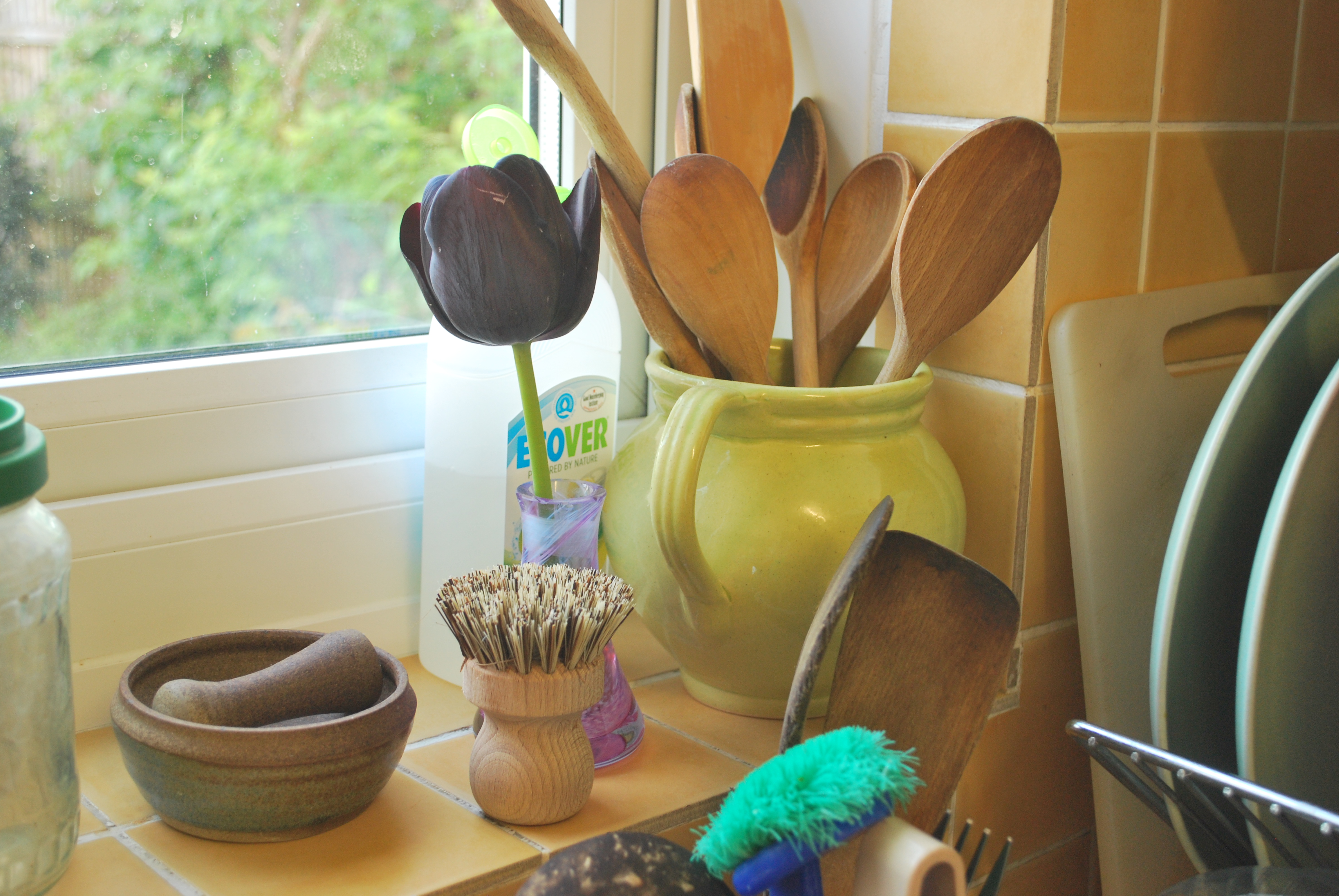
From the favela
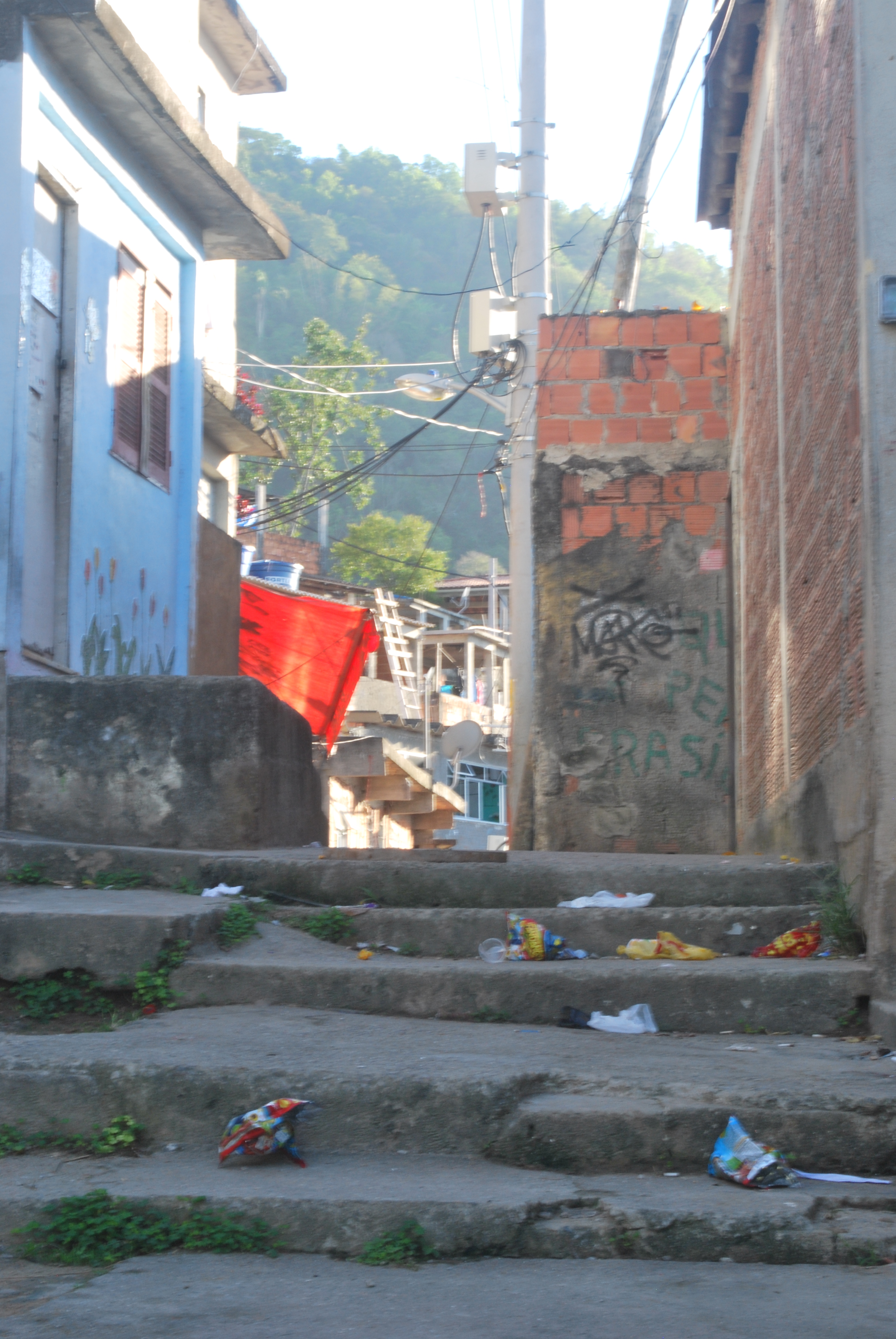
From the favela the lady went down to view.
From the intimate bustle,
And the touch of human clamour.
From behind the curtain of discretion
And the secret warmth of home.
Where the forgotten forest forces through fissures
Of encasing concrete.

Away from the privacy of alienation
That welcome mutter
Bom dia!
A side step on the upward step or down.
No grand façade or colourful display.
To the motorway to somewhere
And the mighty silver glitter stage for the world
To gaze upon.
The backdrop of nondescript haunts
And hideaways
The space for the mundane in carefully selected costumes
The paraders must not catch the watcher’s eye.
The energetic power-walkers
With bouncing golden bosoms
Thighs honed to perfect and buttocks trimmed.
Here the forest must not appear,
Only a strategically placed palm
Its emerald fronds bow only when directed.
The sculpted children and coiffured hounds
Obediently maintain jovial front.
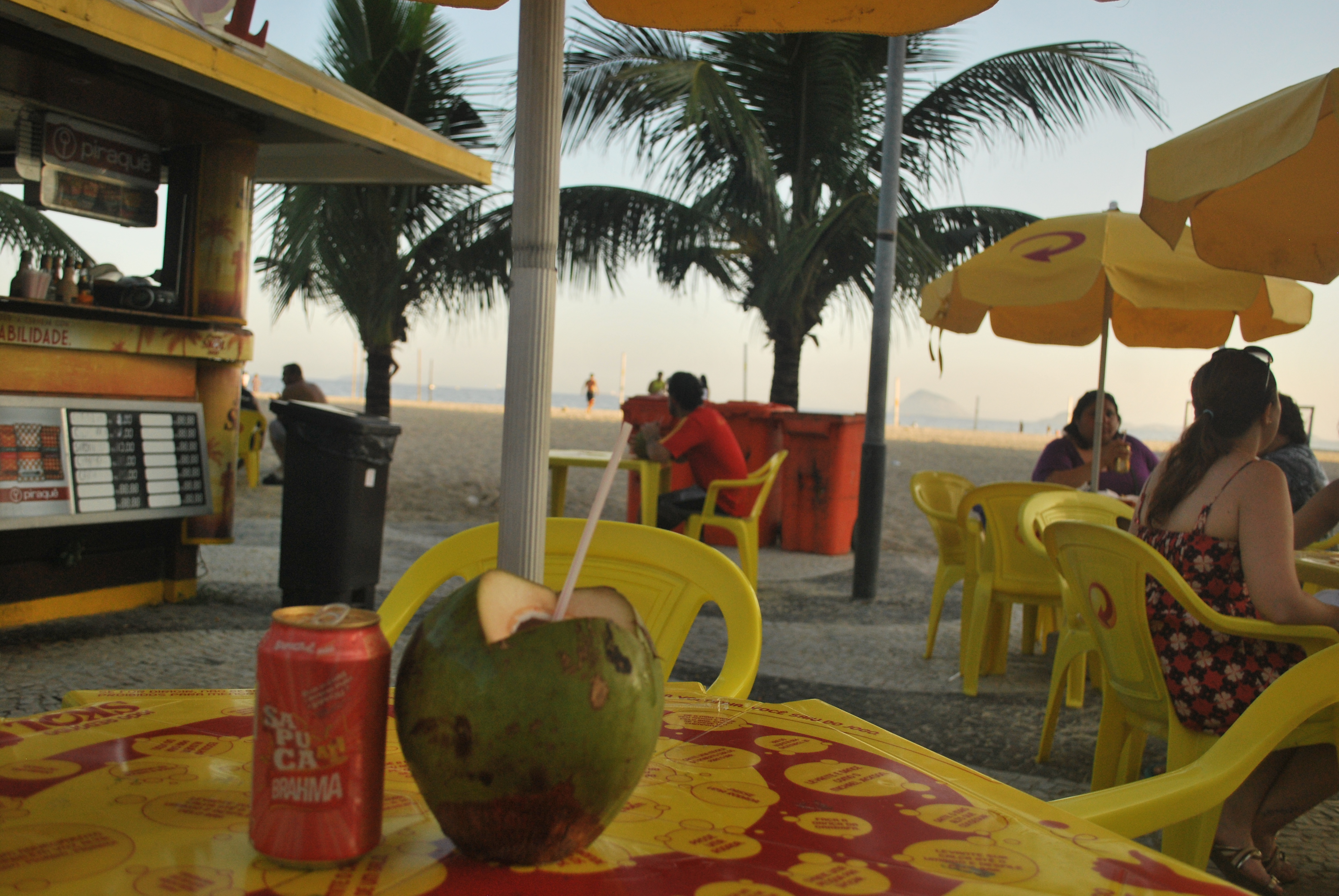
For the lady who keeps her distance
Behind her conveniently placed and chilled coconut water.
Wednesday’s Wise Woman … Carolina Maria de Jesus

“May 31st Saturday
A day that drives me crazy because I have to arrange for something to eat for both Saturday and Sunday. I made breakfast using the bread from yesterday. I put the beans on the fire. When I was washing the beans I thought: today I feel like Society – I’m going to cook beans! It seemed like a dream.
I got bananas and manioc roots at the shop on Guapore Street. When I was returning to the favela a lady at 728 Cruzeiro do Sul asked me to throw a dead dog into the Tiete and she would give me five cruzeiros. I left Vera with her and went. The dog was inside a bag. The woman stood watching my ‘Paulistana’ steps. That means walking fast. When I returned she gave me six cruzeiros. When I received the money I thought now I have enough money to buy some soap”
The child of the dark: the diary of Carolina Maria de Jesus.
Whilst researching the history and formation of Favelas I came across a translation of a book called Quarto de pespejo (The garbage place) by Carolina Mario de Jesus. It was written between 1955 and 1960 and is the daily journal of a single mother of three children. Carolina describes the way she supports her family by picking through garbage, salvaging paper and scraps to sell for a few pence. They live in a cardboard and wooden shack in a favela, where there is no plumbing and the only water supply is one tap that serves hundreds of families.
In a bid to better her life and that of her children she became determined to tell her story in note books made out of paper found while foraging.
The journal published was in 1960. Carolina was discovered by a visiting journalist. Audalio Dantas, who was covering the opening of a municipal playground. When some children were misbehaving in the playground he overheard her threaten to write about them in her book. When Dantas heard this he was intrigued and asked to see it. Carolina was reluctant at first but invited him and showed him her work. Dantas persuaded her to give him a sample that he printed in the paper soon after. It was received well when published.
Although written in a simple unsophisticated style of the favela-without romance, her diary was translated into more than a dozen languages and was a bestseller in the United States and Europe. The English version was published in 1962 and was called Child of the Dark: The Diary of Carolina Maria de Jesus. The book was edited by Dantas, and considered by some to be fraudulent. However, the original manuscript had been preserved and was reprinted in 1999, proving that not only did Carolina write it herself, but that she was a much livelier and more poetic writer than Dantas’ edition seemed to present.
Carolina’s book has been used by historians not just by Brazilians but worldwide to provide a firsthand account of life in a favela. Reflecting on her wretched fate, she wrote about death, excrement, prostitution, race and discrimination – describing and the way in which restaurant holders spill acid on waste food so that the poor could not take the food. Also about how she cared little about idleness and how she believed if people worked hard they ‘they could aspired to a better life’ ’(Jesus 2003)
Often after a particularly miserable day she would describe something that cheered her – the sunset or the city lights. Writing brought her some happiness and a little financial return but it didn’t last long and when she died as she was still making a living scavenging in the rubbish.
Jesus, C. M. d. (2003). Child of the dark, the diary of Carolina de Jesus. New York Signet Classics.
Bibliography
Jesus, C. M. d. (2003). Child of the dark, the diary of Carolina de Jesus. New York Signet Classics.

The night worker
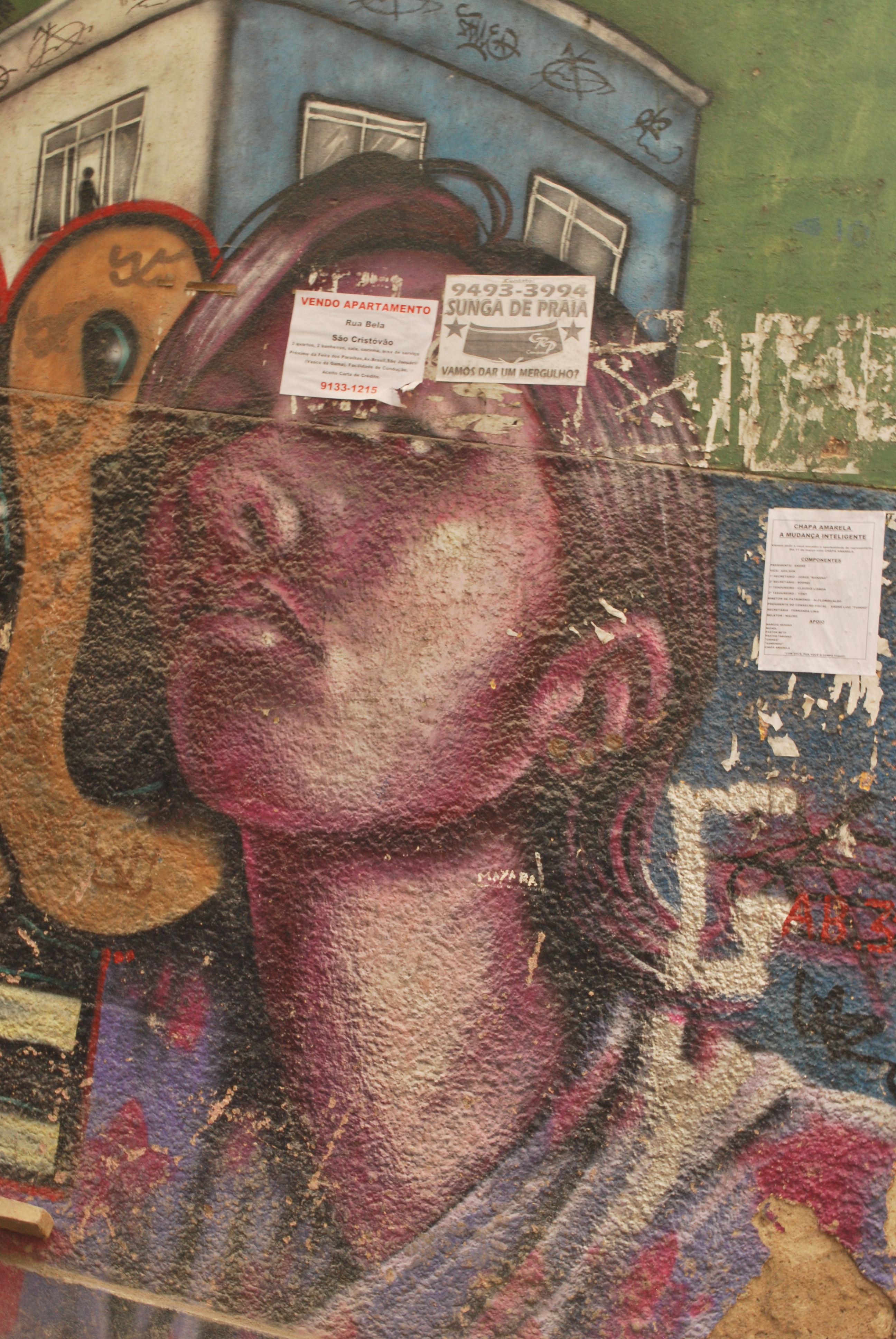
Today is Monday. The day begins early as usual; with nothing much planned as Amy and Dudu have things to do – first thing. So, after breakfast at home, we meet Amy for coffee a bus ride away in Botafogo. Then we wander back through the streets of Rio; seeing sights that most tourists can only dream of -the architecture, gardens and parks, the coffee shops, street vendors and small industries along the busy streets.
And back up the hill for lunch.
Yesterday, we had been to Ipanema, it was beautiful -everything a tourist would expect, palm trees, golden sands, blue sky, crashing waves and Ipanema – girls and boys – honed and bronzed to perfection.
Around the corner we found a market selling crafts by local artists; beautiful and well made but expensive trinkets bearing no resemblance to the real Brazilian culture that I had seen so far. Paintings for instance of a favela; colourful splodges and images of people with smiling black faces, playing guitars and dancing the samba in flamboyant dress – reminiscent of Carmen Miranda. Had these artists really experienced life in a favela, I wondered?
I was ashamed that as tourists we feed and encourage this culture … and disregard the Brazilians who strive to make a living in the streets unnoticed.
Back to today; laden with shopping we enter the favela and walk along the narrow paths. As we pass one casa Dudu calls out ‘Marcia!’ a lady comes to the door way and greets us in a mixture of Brazilian and English. She is lively and beautiful; her earrings caught the sun and clearly not a lady to go without her lippy! – a snap shot of colour in the concrete shade of the passage. We talk lightly of the local beauty spots and places we should visit during our stay in Brazil. We wish each other ‘bom dia ‘ and go on our way. We gather breath before we continue our journey up. Out of earshot I ask Dudu about Marcia’s background as she spoke such good English. ‘Yes’ he replied ‘She is a lovely lady, she has been a good friend and helped us a lot when we first moved in. She also speaks other European languages well’
‘What does she do?’ I venture. Thinking with such talents she may be an interpreter. ‘She works at night’ Dudu discreetly replied.
I ask no more, prefer to keep my romantic version of life in the favela – less honest but more comfortable …
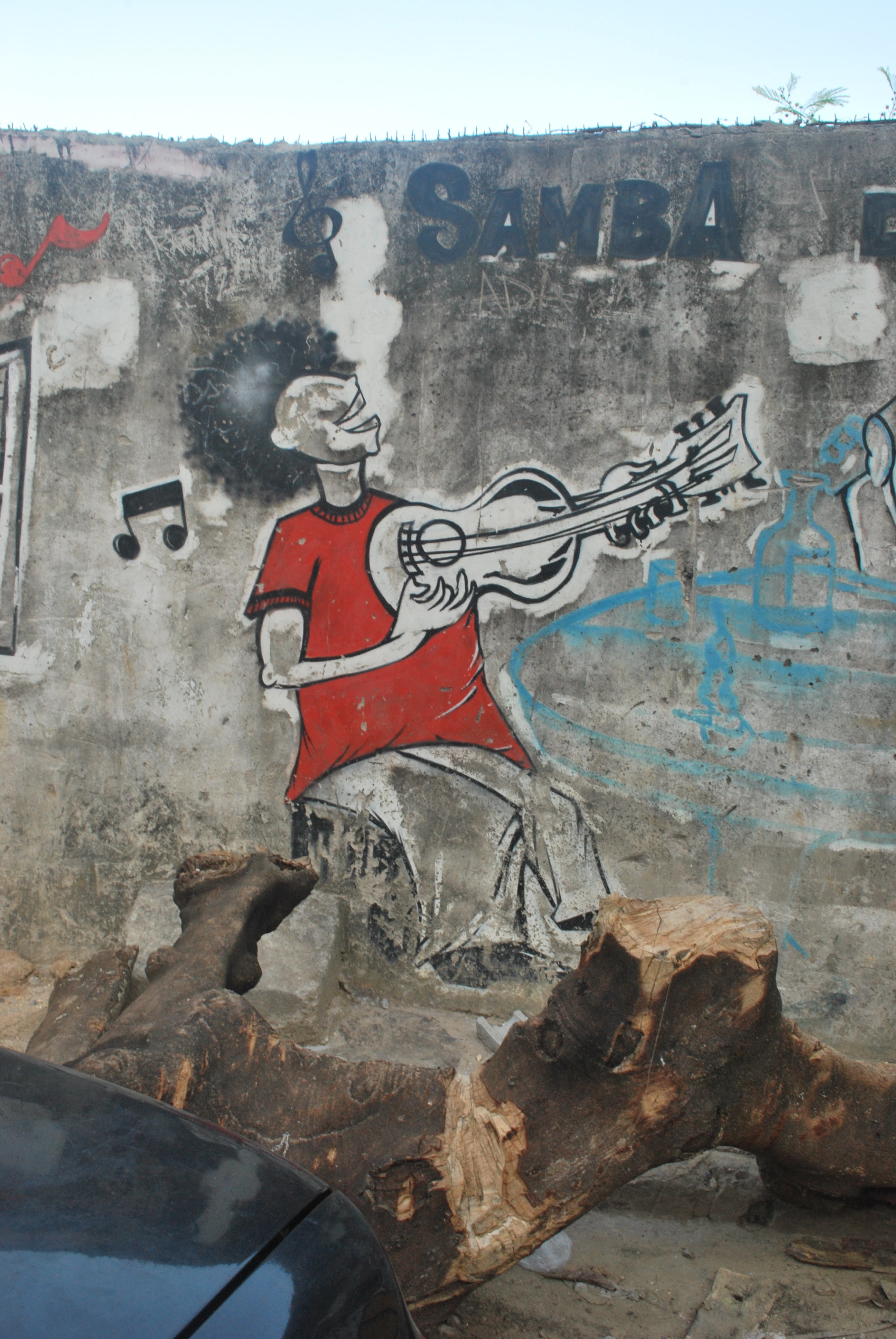
Silent Sunday

The old cycle and must have a brave heart!
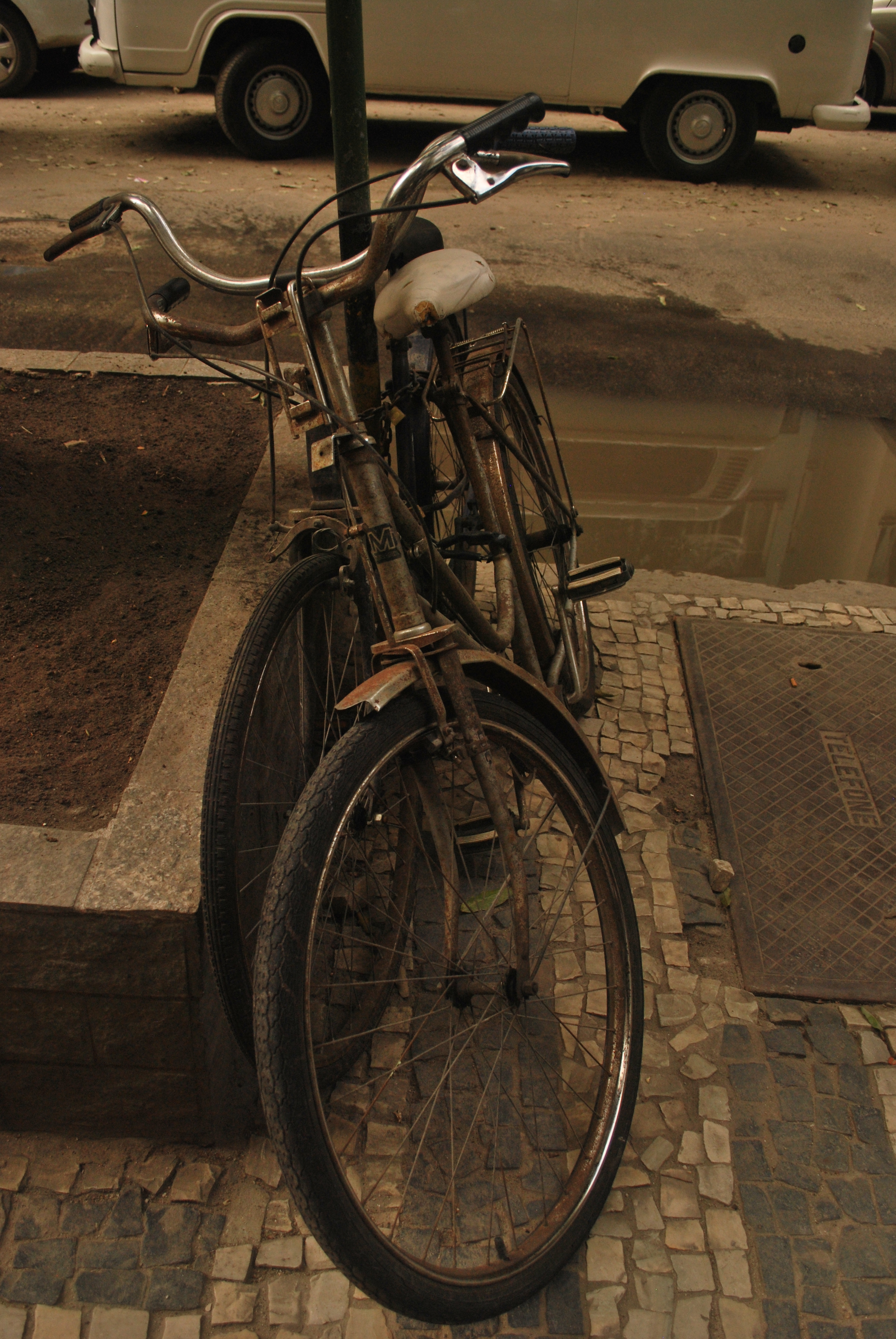


Original colour unknown.
After years of exposure to the sun and rain,
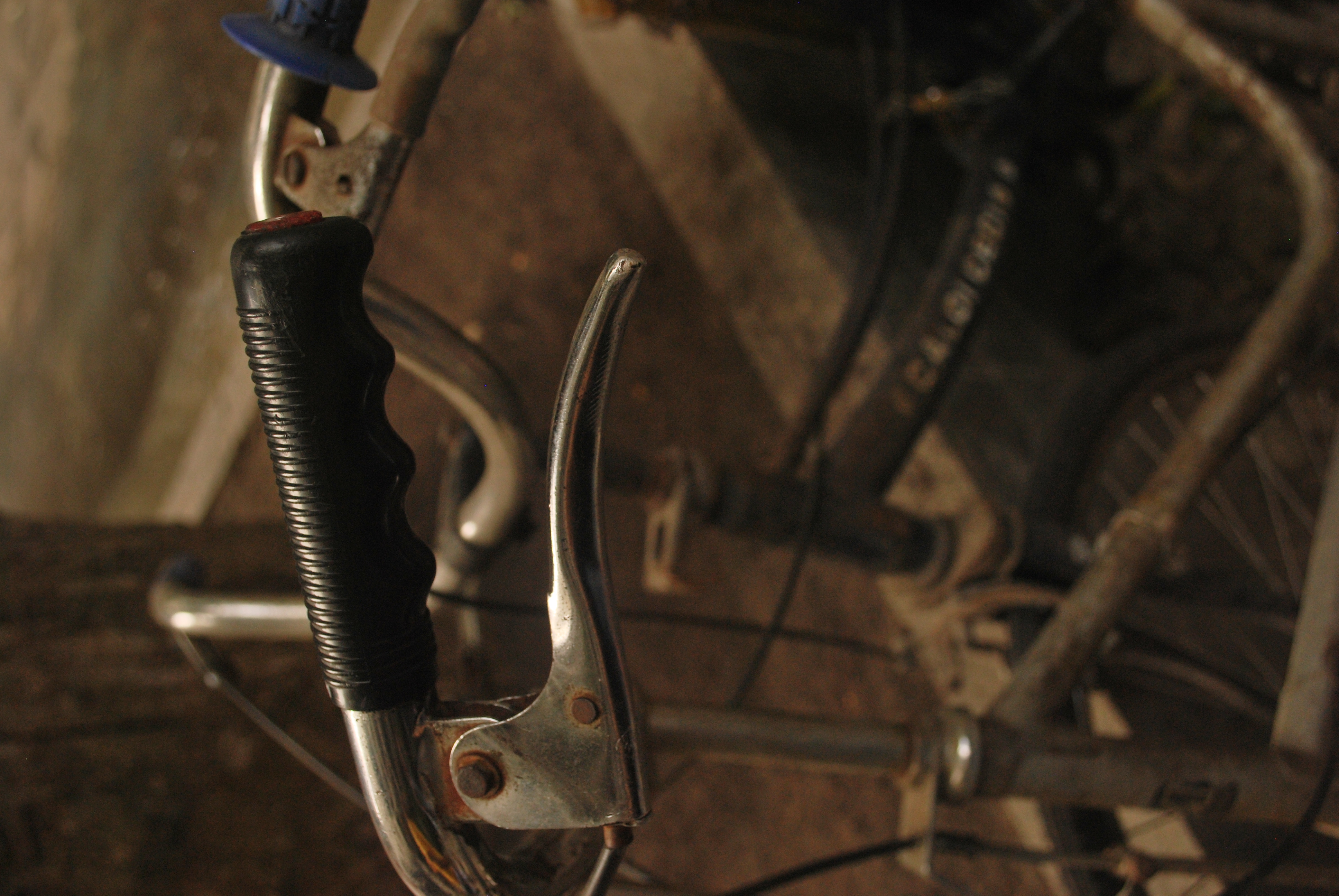
Its paintwork has faded and the surface of the metal corroded
Broken and chipped.
From years of use and misuse the gears
droop as an old thing might.
Its inadequate brakes can no longer be trusted.
Like a dog or cat not given house room,
chained against a lamp-post at the bottom of the hill.
Even the finest cycle cannot assault a gradient of 1 in 6 in 40 degrees.
The cyclist needs all her remaining energy at the end of the day
to climb the hill alone.
The old thing doesn’t deserve the effort.
Nonetheless the cyclist cannot be slack she must not fade
Into the background or be in disrepair!
Having gathered the requirements for a rickety old bike,
She with fitness, alertness, youthfulness and fear
She cannot be fearless with faulty brakes, no gears and a wonky saddle.
Also, disdain, for time, sun, rain who are not her only enemy
The driver is her most ferocious predator
He aims to keep the cycle and its healthy charge at bay
on a cycle track!
Where, the sun and the wind, might tempt her mind to leave its senses behind
it might flutter her hair and warm her heart
No!
The cyclist and her old soul cannot be fooled
Even by life’s pleasantries
Its wondrous forms cannot be observed.
Peripheral vision is on red alert
For other fearsome users.
Consider the skateboarder, roller skater and the other cyclist
Appearing from nowhere
To disappear in a thrice
The dawdling or dashing dog, its walker and the stroller and strolling mama
Then impermanence;
The dual carriage advances path ends
for the cyclist there is no contest
The motorist wins.
Wednesday’s wise woman … Tarsila do Amaral
While I was in Rio, we visited two cultural centres. We were blissfully unaware of both exhibitions, in fact the main reason for visiting the Cultural Centre of the Brazilian Bank (CCBB) was to use the free WFI. The building was a beautifully restored 1906 building that attracts over 120,000 visitors per month. So it was a pleasant surprise to find a potential ‘ wise woman,’ – Tarsila do Amaral, the exhibition, called the ‘Affective journey’ brought together works and personal objects, letters, photographs and a bracelet that belonged to Tarsila. Unfortunately there was one work missing; ‘Abaporu’ her most famous painting, as it is on exhibition at the Malba, Buenos Aires and could not be borrowed. Tarsila do Amaral was born in Sao Paulo (1886 -1973) to a rich coffee farmer and against tradition was supported by her family to continue her education and artistic pursuits in Spain and Paris. When she returned to Brazil in 1922 she joined her future husband Oswald de Andrade and other artists who formed a group working towards promoting Brazilian culture.

After a brief visit she painted the famous ‘a Negra’ depicting a black slave who may have been employed by a mother to serve the children or a wet nurse a baby.

Unfortunately there was one work missing; ‘Abaporu’ her most famous painting because it is on exhibition at the Malba, Buenos Aires and could not be borrowed.

I was drawn by Tarsila’s use of bright colours and simple shapes utilizing her highly developed European style to bring to the fore the indigenous Brazilian subject matter.
I was even more excited when I visited the Museu do Arte Contemporanea in Niteroi a few days later to learn that the exhibition ‘Women in the Joao Sattamini and MAC de Niteroi Collections’ was showing works by Tarsila, Anita Malfatti, Lygia Clark and others who played a part in developing modern and contemporary art in Brazil …
Noises in the Favela
 It is Friday. I remain overwhelmed. There is much to see, do and little time for me to do it in. As I write, it is before 7 am; a street vender is walking through the cool and newly cleansed alleys – there was a long awaited heavy rain storm during the night. He is sounding a horn and shouting his wares – my attentive translators have gone to work an hour a go. So I remain ignorant of his merchandise that he carries on his head.
I close the curtains against the rising sun and dust that will undoubtedly come as the streets dry again.
Now, hearing only the sounds of the alley; as the bar tender next door lifts the metal shutters of the café and begins to sweep – coughing and spitting- his section of the alley. The family opposite spill out on to the path and go down to take the bus to school. Another horn man comes up the steps. A pair of dogs quarrel noisily, but even they realise the futility of this and find a cool spot to snooze a while – I hope. While a child beats a tuneful a rhythm on his school bag perhaps? It is pleasant respite to the un-tuned horn, still squawking up the alleys. A child cries woefully while I consider the reasons, a radio is turned on the newsreader witters meaninglessly as I struggle to concentrate. She does not obliterate the continual throb of the heavy machinery as it drags the poor and makeshift amenities and services of the 19th century, in the road that joins the favela to Leme high street, up to date!
The news reader fades and Witney Houston removes me from my meaningful prose again.
I cannot remain curtained for long refilling my tea cup I watch, men remove and replace beer barrels next door, rolling and spinning them up and down the steps –sitting on them in doorways every so often to enjoy air – still cool. They instruct one another loudly; for me with obvious incoherence.
Mammas tend their door steps more carefully, removing cigarette butts and salvaging beer cans and plastic bottles. These are religiously collected for a small but significant return in a financially delicate environment.
The noise rises above the natural again, men and boys roar cheerfully, the dogs bark and the excitement rises for what? I remain alien.
The looming clouds suggest more rain and the planned walk to the beach may be postponed
It was a Silent Sunday

Wednesday’s Wise Women … Cecilia Meireles etc.

While I was away in Rio, it was my intention to write about three women for my Wednesday Women slot; Clarice Lispector, Carmen Miranda. Today, planned to add Cecilia Meireles (1901 – 1964) Brazilian born poet who was orphaned at three years went on to win literary acclaim very early in her career and won the Brazilian Academy of Letters Poetry Prize for 1939 (2009) Merieles died of cancer in Rio de Janeiro.
I had some background knowledge but inadequate for the job in hand; so I planned to research more while in Rio. Unfortunately, this fell rather flat when I discovered early in my visit that I would be unable to access the internet at ‘home,’ also other access points were a bike ride away. Besides which any research materials found would be in Portuguese and to get any understanding and to do them justice I would need time and a good translation – neither of these I have!!
So I remain an empty kettle without the resources I have readily available at the Reading University Library and the WWW – I am ashamed to say.
However, I did not waste my time I have visited some cultural centres and art galleries and discovered other female artists who deserve my recognition and further research – Tarsila do Armoral for instance.
I did get to the Carmen Miranda Museum; in Flamengo which was one of Rio’s finest residential districts before Copacabana was developed and the upper classes move south.
The museum building is described in the Lonely Planet as being like a ‘public toilet’ and this right when it is compared with the other grand buildings we have seen during our stay. But it was easy to find, free and a very pleasant way to spend an afternoon if you have any interest in cinema, costume, fashion, music and social history of Rio.
I was able to find some book shops for which Rio is notable; not only for their abundance but also for their fine architecture, coffee served and a small selection of English titles. Sadly, I was unable to find translations of reputed Brazilian works as I hoped.
Nonetheless, the whole experience has been much more that I expected and I have added collection lots of information that I can draw on in future and make a more measured contribution to my blog when I return – sadly too soon!
Music shops – or rather CD shops in Rio are again a delight to visit; beautifully displayed in grandiose buildings, serving fine coffee and pastries. Unlike literature, music can to some degree transcend the language barrier, I managed to find some musicians such as Elis Regina and Joao Gilberto who were strongly influenced by Carmen Miranda and went on to develop a new musical movement from Bossa Nova – Tropicalia – Musica Popular Brasiliera (MPB)
So all is not lost!!
(2009). The Oxford book of Latin American poetry Oxford Oxford University Press.
 Coat Hanger Doll's House