Weekly Photo Challenge … Hands
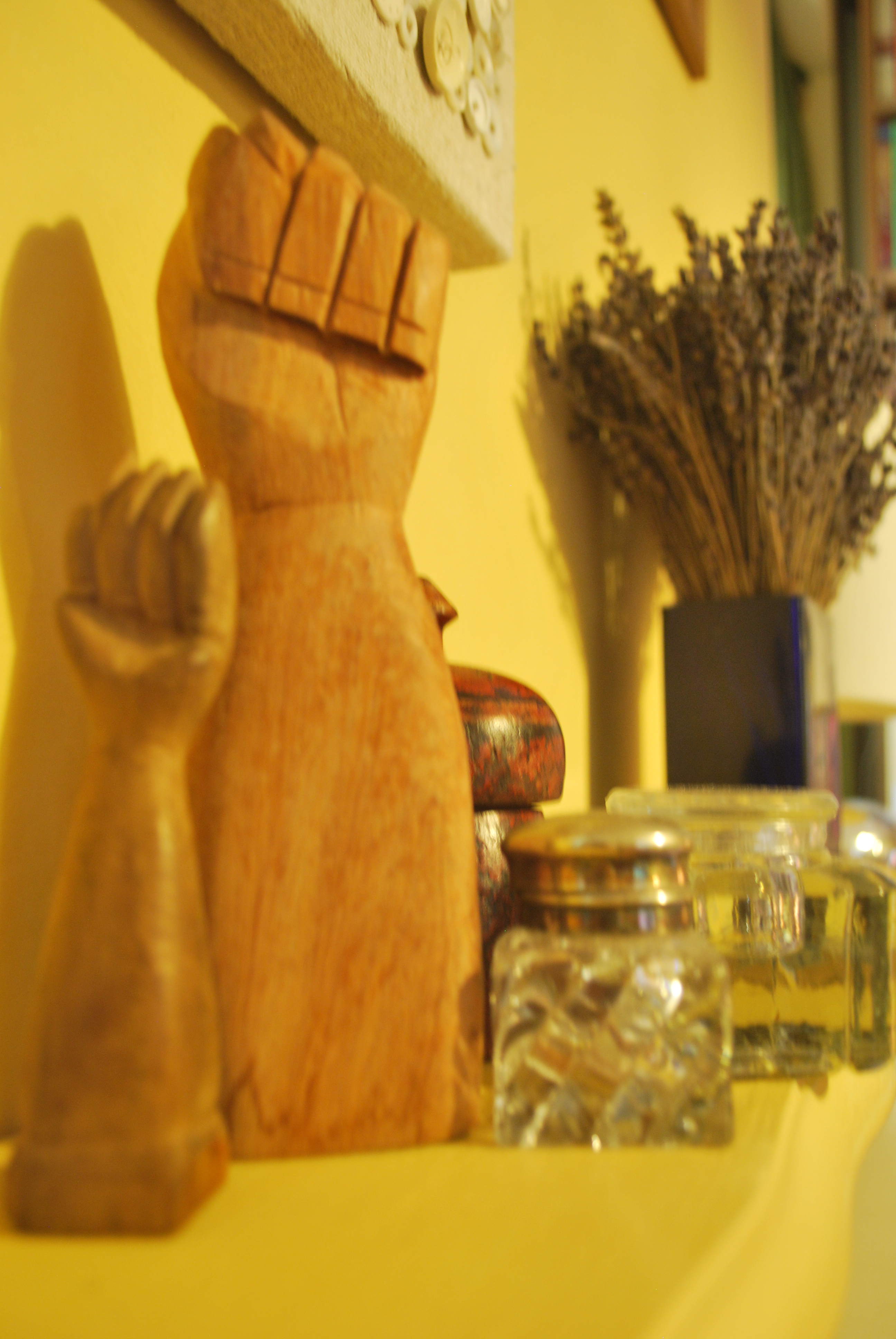
I don’t know much about these wooden fists my daughter bought me from Brazil. I understand that the clenched fist or raised fist is a symbol of resistance and unity. It has been used in art since neolithic times and has been found on cave walls. Also it appears more recently in numerous political posters and leaflets to demonstrate solidarity in the French and Soviet revolutions. I have seen it used in by the Black Panther Movement as a symbol of self defense.
But the images I have seen are not quite like these … so I would value any more information about these very precious tokens from my Brazilian Family.
Silent Sunday
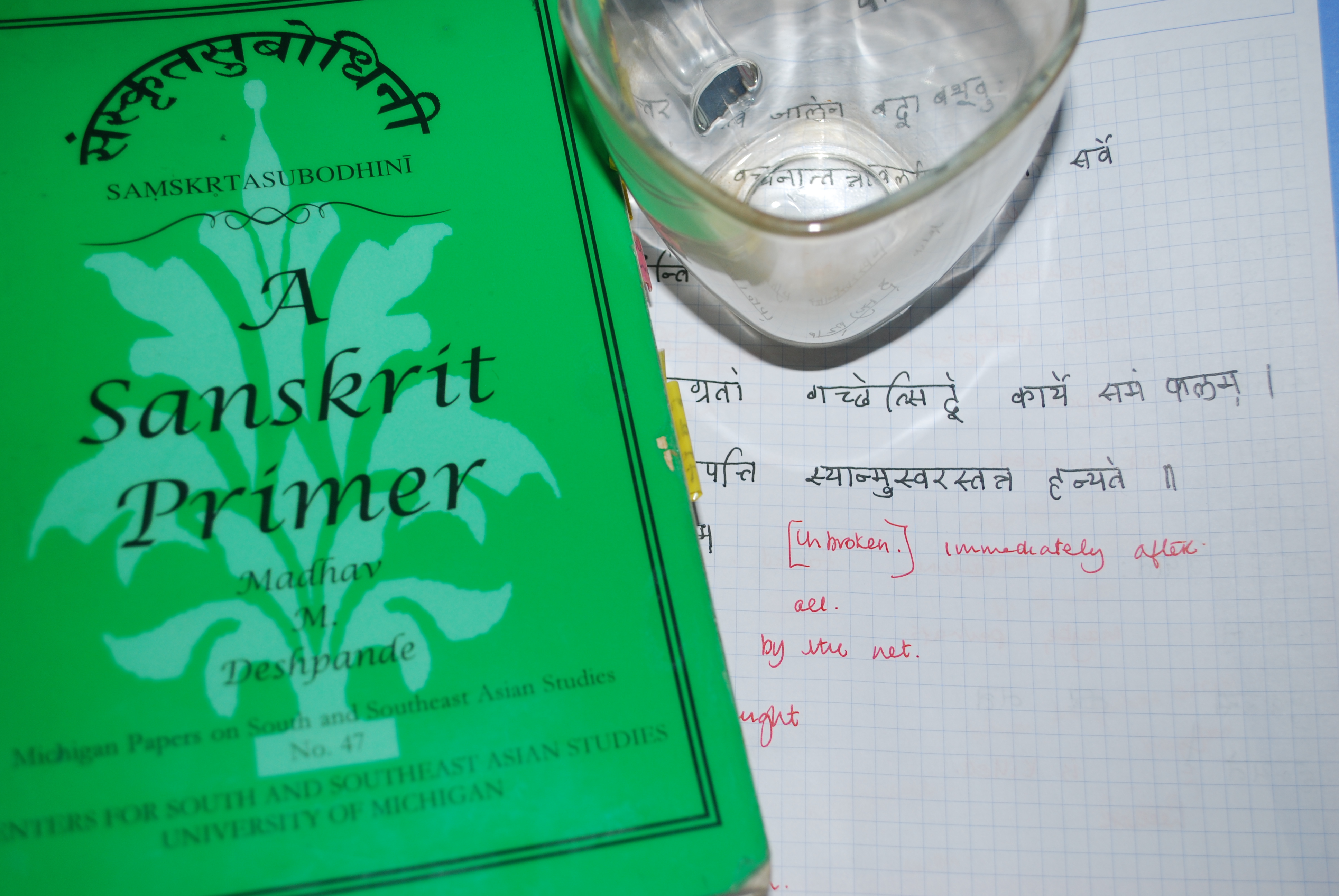
Library Snapshot on Friday
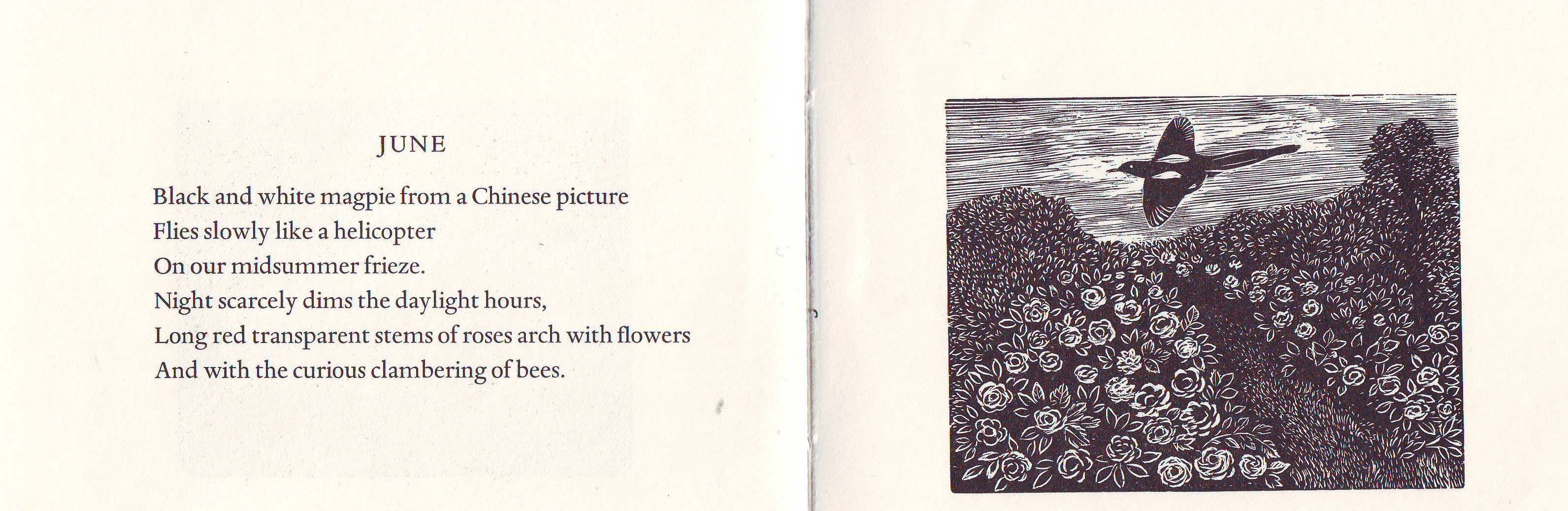
As a library assistant in a cataloguing department of Special Collections I come across some gems. This weekend I am helping at a special event called; Museums at Night: Poetry Night at MERL. So today I retrieved the books that we will display; for example Year of Birds by Iris Murdoch with engravings by Reynolds Stone.
So I was pleased to find some lovely images that I will share on a Friday and will continue to add in the coming weeks.

100 Word Challenge for Grown Ups – Week #42
The prompt … use the following words: LIBERTY EMPIRE APPLE YELLOW ENORMOUS.
The enormous painting was the first we saw as we entered the Art Gallery. It was a spectacular work of an apple displayed on a silken yellow cloth. The exhibition the in the National Gallery was in celebration of the apple; which has been a symbol of knowledge, immortality and liberty since the story of Adam and Eve. It was for this reason the apple was adopted by New York as the State fruit in 1976. The apple has been cultivated and a vital part of our daily diet since at least the days of the Roman Empire.

Wednesday’s wise woman … Susan Utting

I heard Susan read her poetry at a Poetry Reading at Reading on Saturday. I have not listened to poetry since I was a child. As read by my mother or a teacher it was ot always a pleasing experience. Not because the poem was wrong or the reading poor – it was just not exciting -dull.
Having said that I remember later in the 1960s enjoying the storytellers such as Margaret Rutherford and Bernard Cribbins on the TV. Each evening actors would read a story on a programme on the BBC called Jackanory – designed to stimulate reading. The story-teller would transport me on an adventure or make a social comment to trigger thoughts, hopes, reactions – some small others life changing.
So when I heard Susan reading her few I was taken in a similar – I was wrapped in her word, as wannabe poet I was amazed when she read:-
Picture of my mother as a young woman
from Fair’s fair by Susan Utting
Look at her flirt in her flash-vivid bolero,
lash-flutter, hair-flick and kiss-me-soft smile:
she’s wearing the sequins and satin, gold thread
embroidery, pleated-sleeved, edge-to-edge moire
coate, that was bargained- for, haggled and smuggled,
swaddled in khaki, shouldered by kitbag through
mud-field and cart-track, held river-high, ocean-dry,
sky-dropped and army-truck-juddered away from
the home-fire promisers, gunfire and bonhomie.
Look at her, girlish as romance, done up
to kill in the glitter-bright bolero, sweet-hearted,
rescued and true as a love-token, trophy and spoil.
She made it seem so easy. Like an artist she created a picture of colour, texture, shape and emotion not with paints or crayon but with words – sounds … How did she do that?
I wrote this feeble attempt to express my wonder, not just for Susan but the other poets I have celebrated in the last few weeks.
A cup of tea
How did she do that?
The sound of the cup, the kettle, the sip,
the reverberation would have reached my tongue
had she rushed
with her subtle metaphor to India.
Did I feel the warmth of sun on my back?
Or squint against its jagged rays to pluck the tender Camellia sinesis plant?
Now to China,
they claim the right to tea in Suchuan,
the ceremoniously fashionable whipped and green.
With discerning similes and knowing quotes she drew me into her picture
of my cup of tea.
As the dried blackened fermented leaves unfurled
in water freshly pulled boiled poured
golden nectar to sip.
No time to savour, Susan transports me
from the Himalayas to Burma and Assam.
Gracefully in smuggler’s galleons
to the Cornish coast to the Black market.
Daring to enter the political affray
the Boston tea party and tea tax.
Wisely, no longer just a cup of tea
a work of art a moral accord
no less than Hogarth or James Gillray.
Workers in the workshop … part 1

He knows I am there. He steps aside and draws the tilly lamp along the work bench so we can share its beam. My dad carefully places the plane he is using on the shaft of an oar, on its side so as not to damage the blade. He takes the pencil from my outstretched hand. He selects a chisel from the bag by the door, checks the cutting edge and gently sharpens the pencil with the three required strokes- looks at the point and hands it back. He returns to his work
‘I want to draw, what can I draw?
He clears a space amongst the twirls of shavings and places the cup back on the bench.
‘The cup?’
I position myself on the floor back in the doorway and make careful lines looking back and forth at the cup as an artist might.
Making careful pencil marks, I wonder ‘why he doesn’t drink his tea – he know it make her cross’ Instead he sweeps away the shavings some fall at my feet, others fill the vacant saucer.
Thinking perhaps, ‘If I should tidy some away but where?’
I begin to make finishing touches to my drawing, I put the pencil on the tip on my tongue to intensify the colour of the cup on the page and write my name in the corner – the picture is boldly finished
I hope that he now drinks the tea and reunites the cup with its saucer. Sometimes his ‘ways’ amuse her but usually they make her cross. Today I don’t want that, already I am not in favour my school shoes are showing considerable wear. His relaxed attitude to domestic stuff and the behaviour of his little brood was difficult for her.
‘Where will the money come from?’ my mother had asked uneasily.
This is why I find solace in the workshop; my dad cares little about worn shoes.
Weekly Photo Challenge: Blue
Silent Sunday

A poem … the learner
This is a the poem … I really would value your thoughts even on Silent Sunday
The dinghy was robust, squat and buoyant
pulled up on the slipway
undignified and vacant.
On the shingle slightly tilted to one, side -waiting
The coming tide lapped at the river’s edge.
She tiny, not so robust
had made the journey many times before.
but now alone.
The breeze still and warm
the second tide at noon was slack .
The ideal time for the learning girl.
Tentative steps in her summer pumps
on shingle, golden in the sunlight.
He walked behind rolling a cigarette
not anxious, his first born taking the oars
alone
Until now he had taken the strain
her within his arms
Her tender limbs not meatier than the the oars themselves
they too – taller!
He, now cigarette rolled and strategically behind his ear
Boat pulled into the water at right angles.
He remained at the edge,
she walked into the water, amidships stood
waiting for his assuring nod.
She stepped , mighty leap for the girl of eight.
Arranged upon the middle thwart with a gentle thud
the effort required a sucking in of her bottom lip.
placed feet on a cross timber to take her weight
and first stroke away from the edge.
Now the oars already in the rollocks
she takes first right and left.
Turned them smooth rounded in her tiny grip.
Dipped and lowered the blades into the surface of the water.
Pulling slightly back he pushed a little from astern.
Straightening his back, took the cigarette
Struck a match, and lit it in the shelter of his hand
not taking his eyes from the little girl
As she dipped and pulled into the widening channel.
Rowing a boat
I have started to write poetry; and it has been more difficult than I thought. Each day I sit with a pad and a cup of tea or more. Sometimes I write and most times I don’t.
This morning I thought I would try and write a poem about learning to row … of this I am well accomplished – the rowing I mean.
But still I got no further than the sitting and drinking tea stage
When I remember I have a piece that also began as a poem
Ah well back to the drawing board and the cold tea … boom te boom
Don’t know what came first – the ability to row or the sense of balance (or more importantly getting into a dinghy)
The sense of balance becomes so highly tuned that one never forgets. Even after the initial joy of being old enough to row a boat. When the skill has lain dormant and the opportunity comes again so the adrenalin and energy comes into play. One can take the oars and manoeuvre the little dear – perhaps not at first like a 10 year old. Nonetheless it is a beautiful experience.
As a farmer might have a wheel barrow or work horse, every boat person has a dinghy
A small dinghy was often called a pram dinghy which might give some idea of its shape. It was about 6 feet long and about 3 ½ feet wide and made of ply wood that was moulded and screwed on to a simple wooden frame. It was a little more sophisticated than a coracle. My father could produce a dingy in a few days. He would select the finest timber and trims to demonstrate all his joining skills. Or as one dinghy became beyond repair be would build another from recycled materials. So there was always a dinghy ‘on the go’ in his workshop.
I learned to row as my mother nursed my siblings on the aft thwart, I sat amidships between my dad’s knees. At 10 years old I was able to row for real between the jetties taking messages, mail and groceries.
Rowing is an art – First you must take measured step to a central floor plank without overbalancing or allowing the boat to wobble out of control away from the shore.
Only when seated comfortably can you take the oars – usually ready in the rowlocks to be used – when the forward painter is released. Holding the oars one can gently use one to push away from the shore’s edge.
You should use a turn of the wrist so the wooden oars twist and strain against the steel of the rowlocks and the blades dip into the water. With another twist so the blades skim across the surface of the water no effort is wasted – like a dancer – as she glides across the stage tide. Eyes to the rear but glancing forth and back, holding, turning, pushing and waiting, with legs outstretched and straightened back.
Ever watchful that we are not taking in water with baler at the ready and a quick look for imminent danger – taking oars in board and to bale hastily. Then, with a rearrangement of balance and dignity we are back on course.
 Coat Hanger Doll's House