100 Word Challenge for Grown Ups – Week #44

Celebration
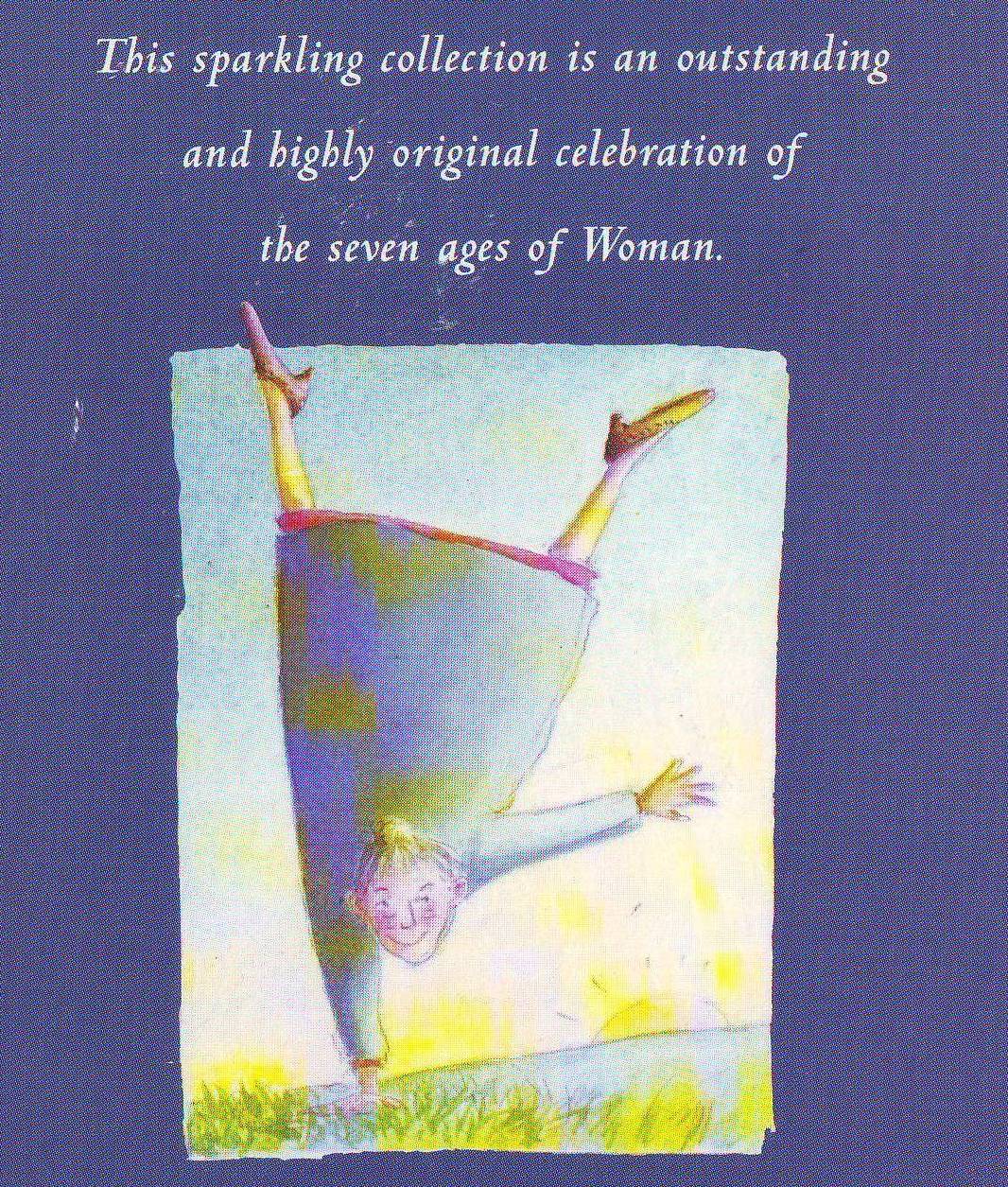
Inspired by Jenny Joseph’s Warning

I have done sixty two years being thrifty make do and mend.
Now Watch me! Spend and celebrate
the next thirty years growing old un-gracefully
and the inheritance.
Wearing purple with shapely and shapeless, indeed
red hats to clash.
Drag my heels is shiny DMs,
or strut like a slut in stiletto slingbacks!
Spend my pension on Bacardi or priceless french perfume.
Imagine me walking the red carpet,
wearing a topless, backless, sideless and halter neck mini -maxi dress,
that was done severally when I rocked in 1970 even ‘see through’
Then pour me into ice blue skinny jeans.
Weekly Photo Challenge … Summer

 The way in which I measure ‘wiseness’ for my Wise Women feature is not an exact science.It does not relate to age, time or place – it just happens. For instance, you know I am new at creative writing and inspired by all sorts of things but mostly by other poets. Recently I came across a poem by Deborah Harding called How I knew Harold. She, in turn gave credit to Terence Winch.
Here is my humble attempt to emulate two fine poets
On dry land.
Around 1949, my Uncle Hector said he would buy a pram for his sister’s expected baby if it arrived on his birthday. I didn’t.
Around 1966, I went to a Spencer Davis Group concert at the Royal Pier, Southampton – alone. Wearing an orange trouser suit ‘borrowed’ from my sister.
Around 1954, my mother who was a school teacher took me to the classroom each day; while a neighbour looked after my baby sister. I was so not interested in learning or even looking at the teacher.
Around 1977, the year after the well remember hot summer of ‘76, I left my home, husband and children. It was for the best.
Around 1995, I began an OU degree course; after 6 years I felt that all my brain cells had been removed, squeezed and twisted. Returned absorbent. Also, the doors of my shuttered mind had been opened and the light came in. That was result enough!
Around 1961, we moved from the houseboat on the river to a house – on dry land. My father decided not to join us.
Around 1988, the Year of the Dragon, on the eighth of August my daughter was born. She came with more than we ever dreamed.
Around 1967, I met the love of my life, we learned, loved, laughed and loathed.
Around 1982, Colin and I honeymooned in Paris for 5 days and £500. What more could we ask?
Around 1964, I wound my fair into a french pleat. To my eyes I applied three coats of Max Factor Coal Black mascara and some! For my lips, a flick of Coty Pearly Pink. I pout.
All is not lost … yet!
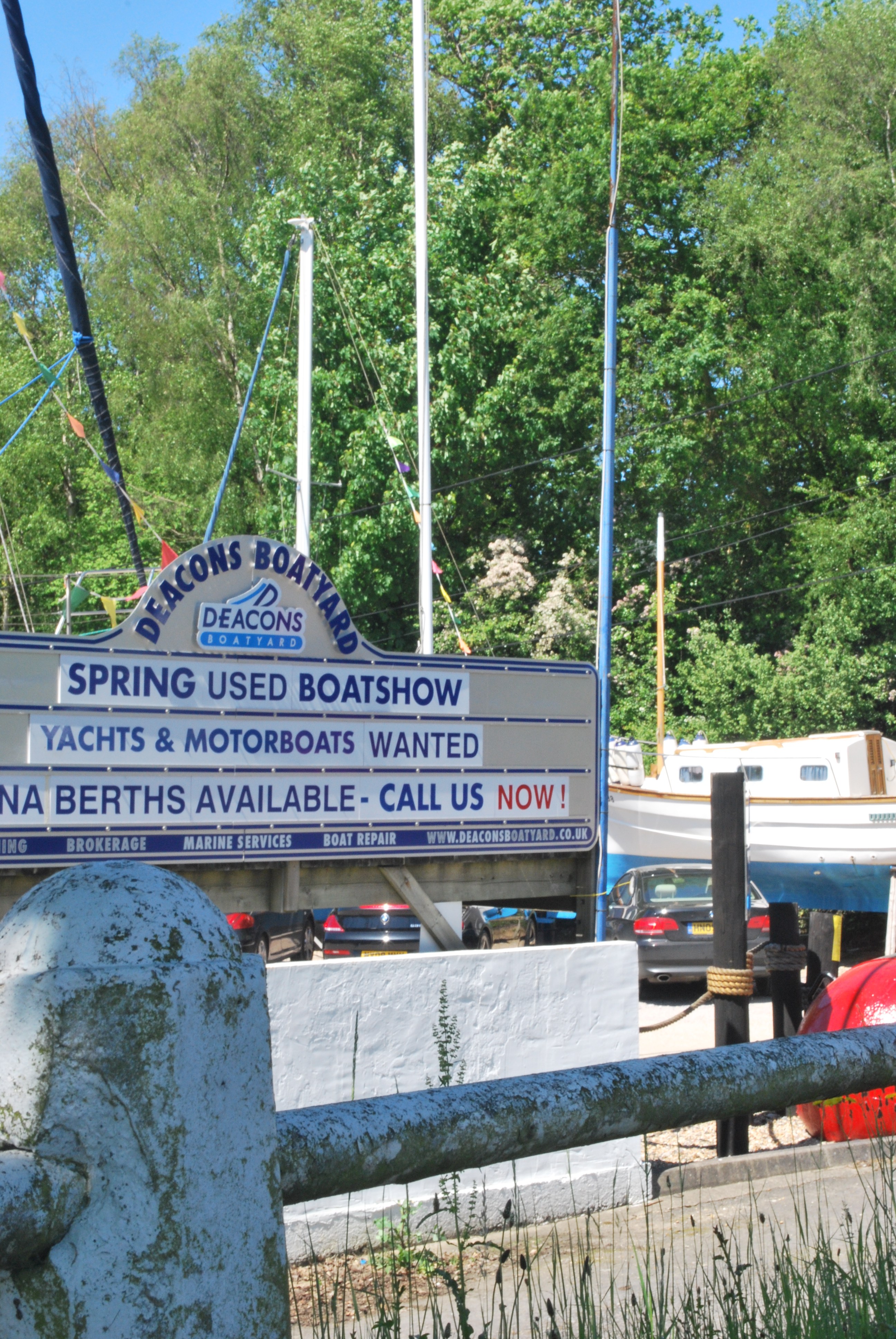

On Saturday while enjoying a trip to the coast , I was able to add some more knowledge to my memories.
Last time we did the trip we parked in Moody’s Boatyard and walked down river reversing the journey I would have taken each week to do the family shop. This time we parked in the same place but walked up the river side to Deacon’s and Foulkes’ boatyards at Bursledon. This was where my parents had lived and worked from 1948 until 1954, when we moved to Crableck.
My father with my mother recently moved to the area from Canvey Island, Essex to build and repair boats. He and a his friend Dicky salvaged old and disused warships, that littered the waters edge. He , broke them, keeping the wood and sold the metal to a local scrap dealer to maintain a small income while building up his business. Meanwhile, he built a home for his wife and their growing family from the salvaged remains. I was born in 1950 and my sister was born 2 years later. During this time my mother was a school teacher in the local village school. When I was big enough I went with her, while my sister was cared for by a neighbour.
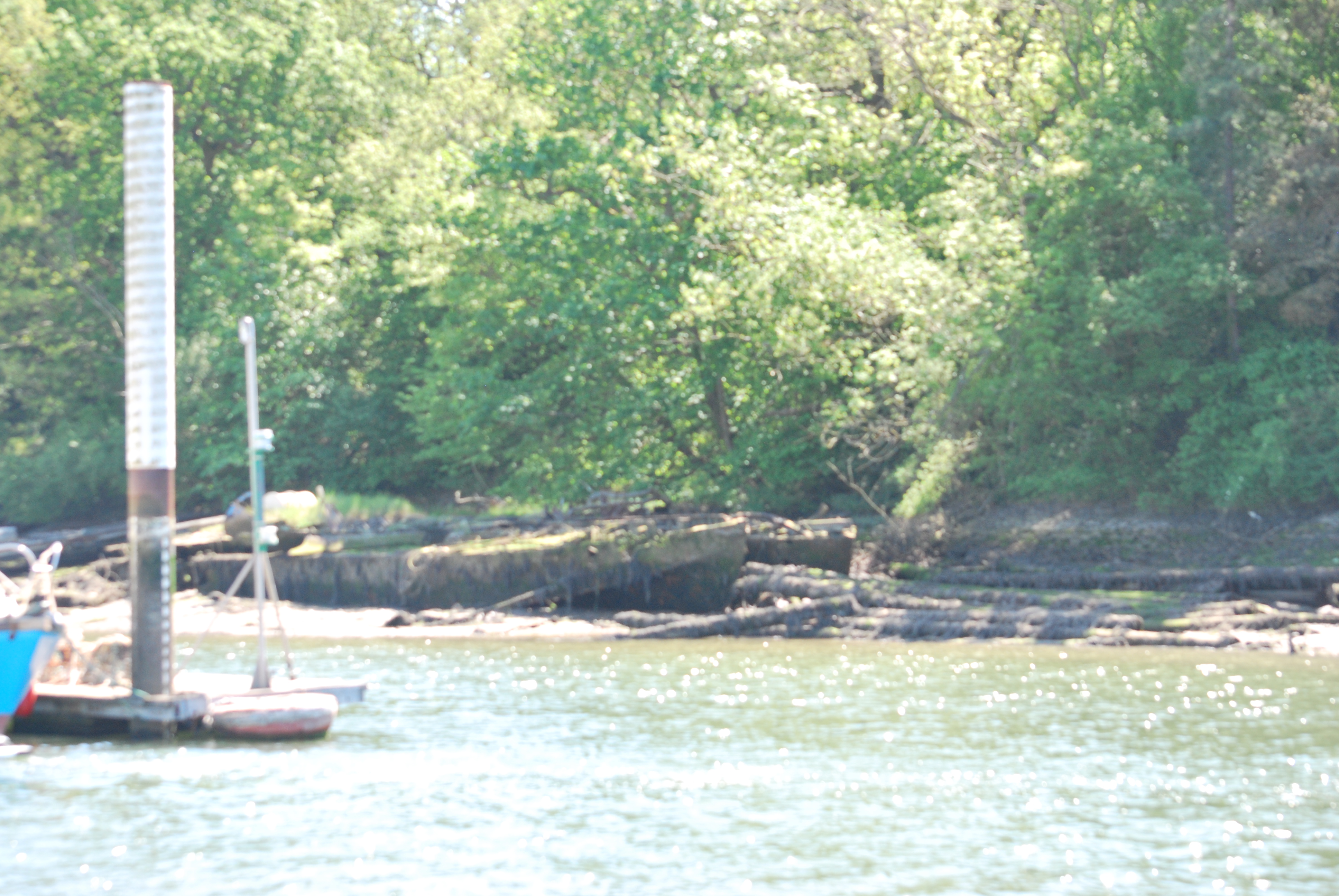
Back to point of the exercise – We came to see the area where my father had worked and lived. Bursledon, had always been famous for its shipbuilding industry. There would have been a vibrant community making a living on the Hamble since Henry VIII’s fleet was built there; remnants of old ships can be seen at low tide. Also, Daniel Defoe the author of Robinson Crusoe worked in the shipyards in the early 1800s. It is also the setting for Nevil Shute’s Whatever happened to the Corbetts.
The war in 1939 to 1945 bought an influx of residents to the river when nearby Southampton and Portsmouth were badly bombed. Along the water’s edge were jettys and a makeshift quayside where a house boats were moored. My parents lived here in a converted landing craft much like those that were used in the Dunkirk evacuation.
When the war was over most people returned to the cities. And over the years since, the other boat dwellers have found more stable and comfortable homes. The houseboats fell in disrepair. However, some still remain and it was those I visited on Saturday. Foulkes’ boatyard has remained in the family and and the grandson still lives nearby remembers my dad who remained living and working on the river until 1995.

Silent Sunday …. and the best unsaid!
I am a Buddhist (amongst other things). I tend not to talk much about this because some people and I included have preconceived about how such people should and shouldn’t behave. I don’t usually match up to expectations; so I prefer not to embarrass myself or others. So it is best kept quiet.
A question usually asked, after a stony silence, when I say I meditate
is ‘What is that and how it feel?’ This is very difficult to answer; might be compared with telling a blind person about a banana ! So best left unsaid.
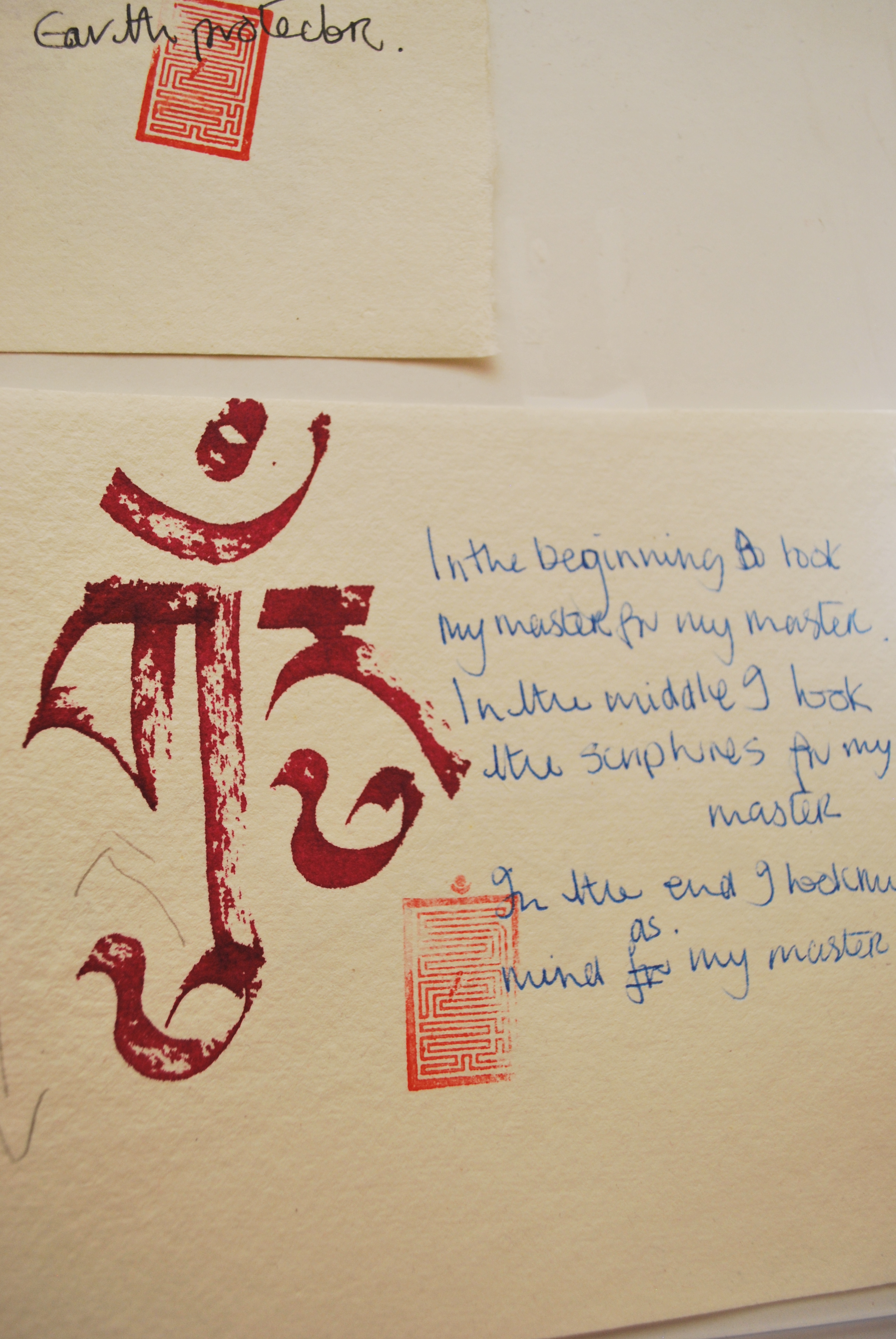
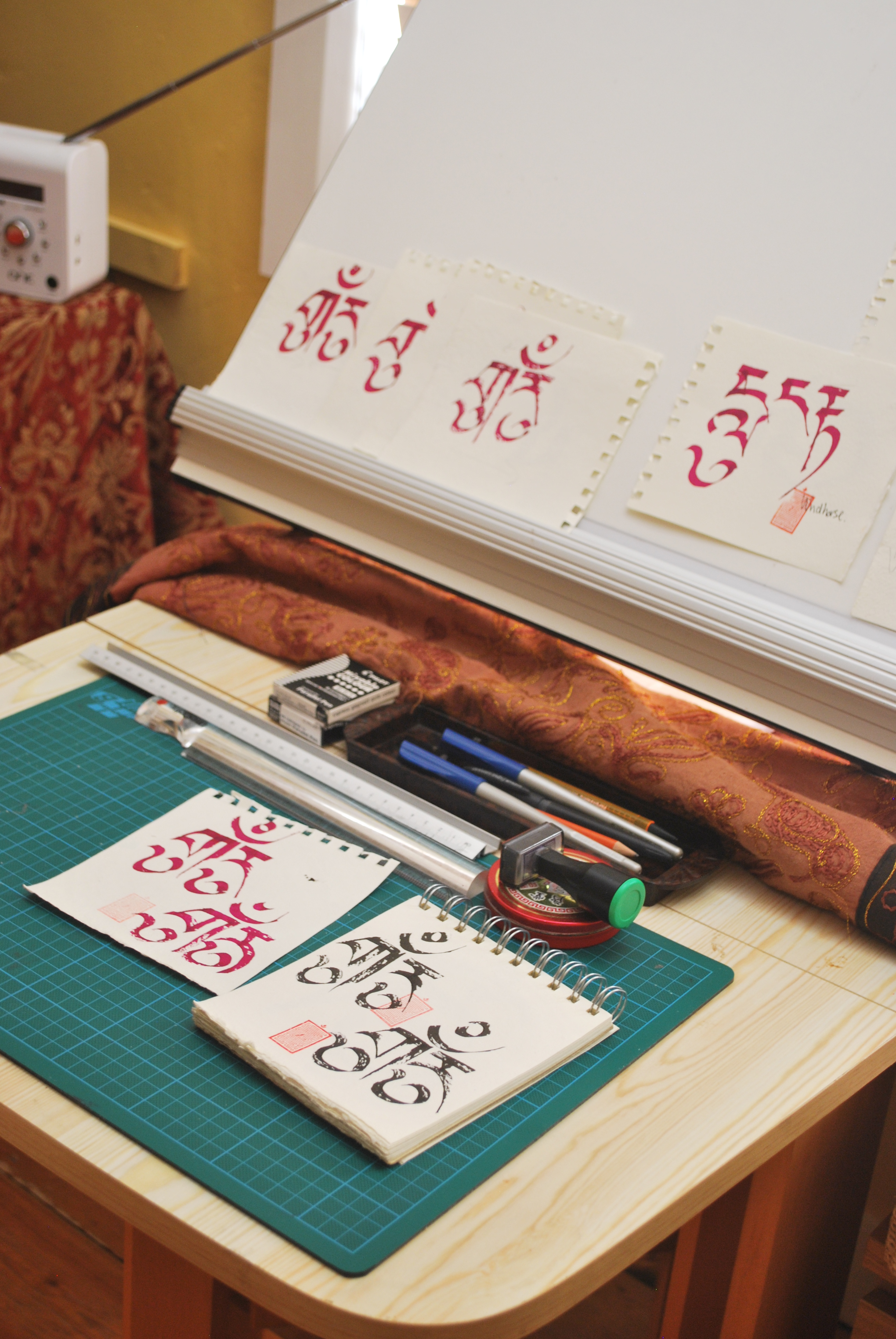
So after a busy and wonderful Saturday I spent this morning with pen, paper and a poem
‘In the beginning I took my master for my master,
In the middle, I took the scriptures for my master,
In the end, I tool my mind for my master.
Quietly
PS While the poem is not mine the attempt at calligraphy is
Namaste!!


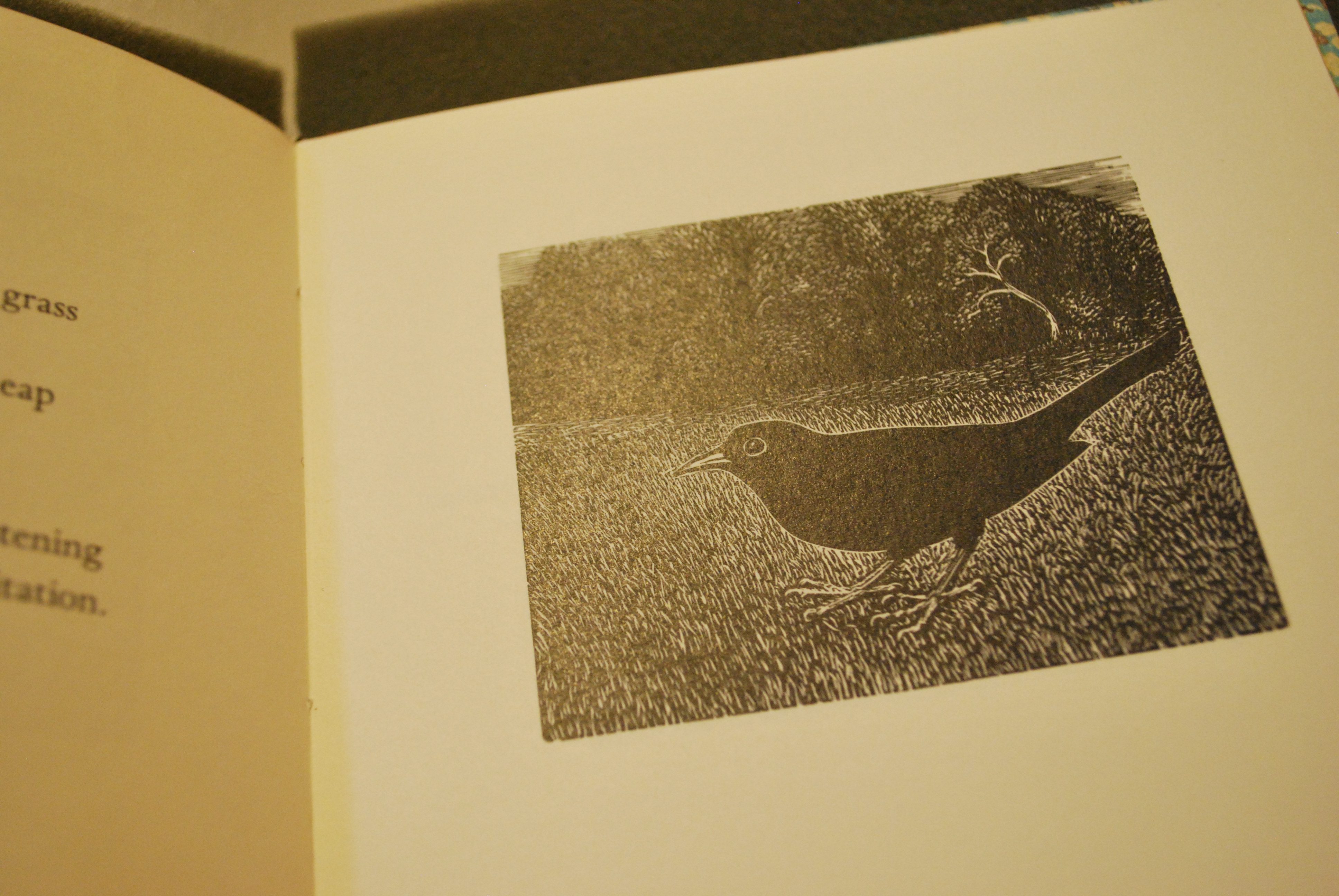
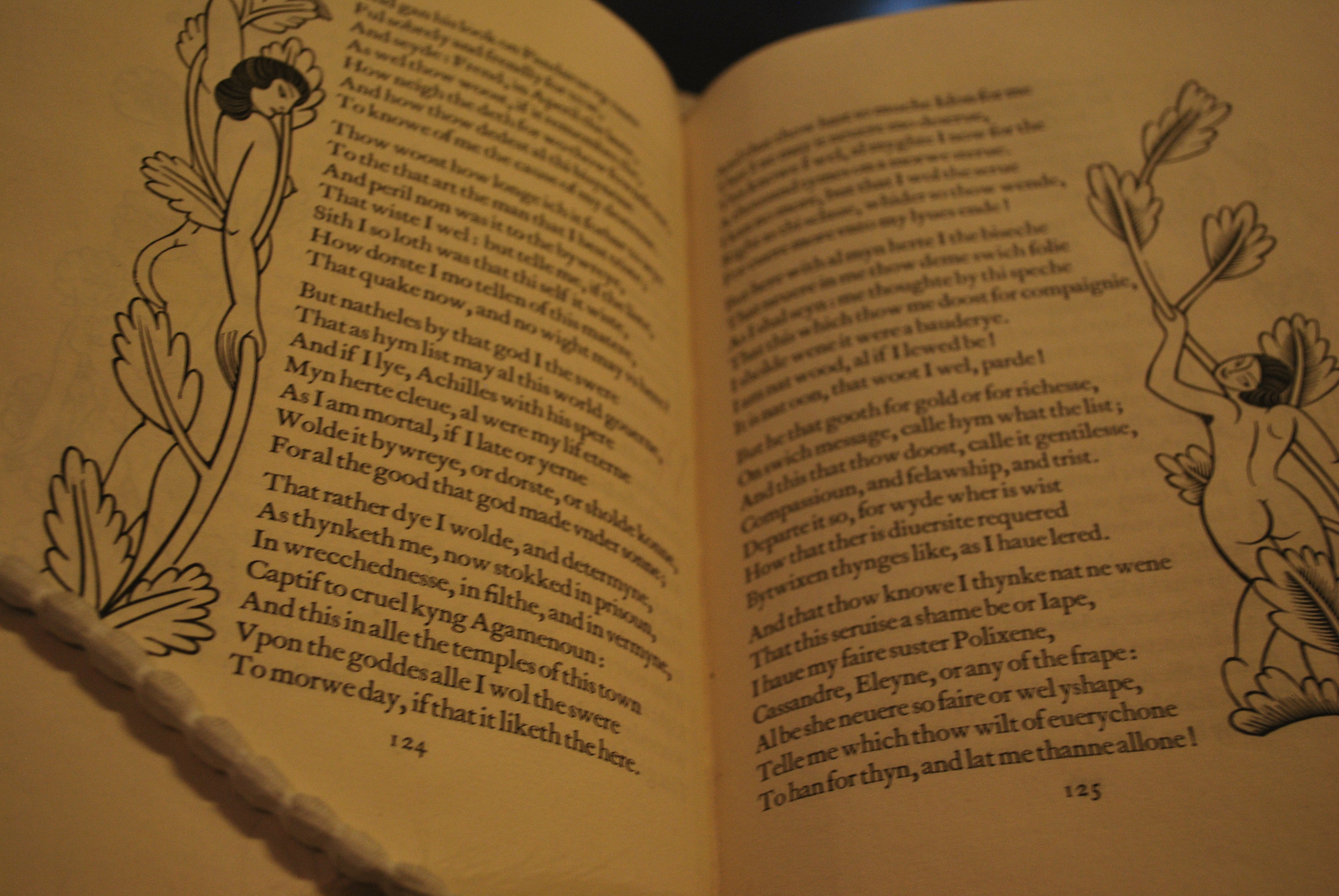
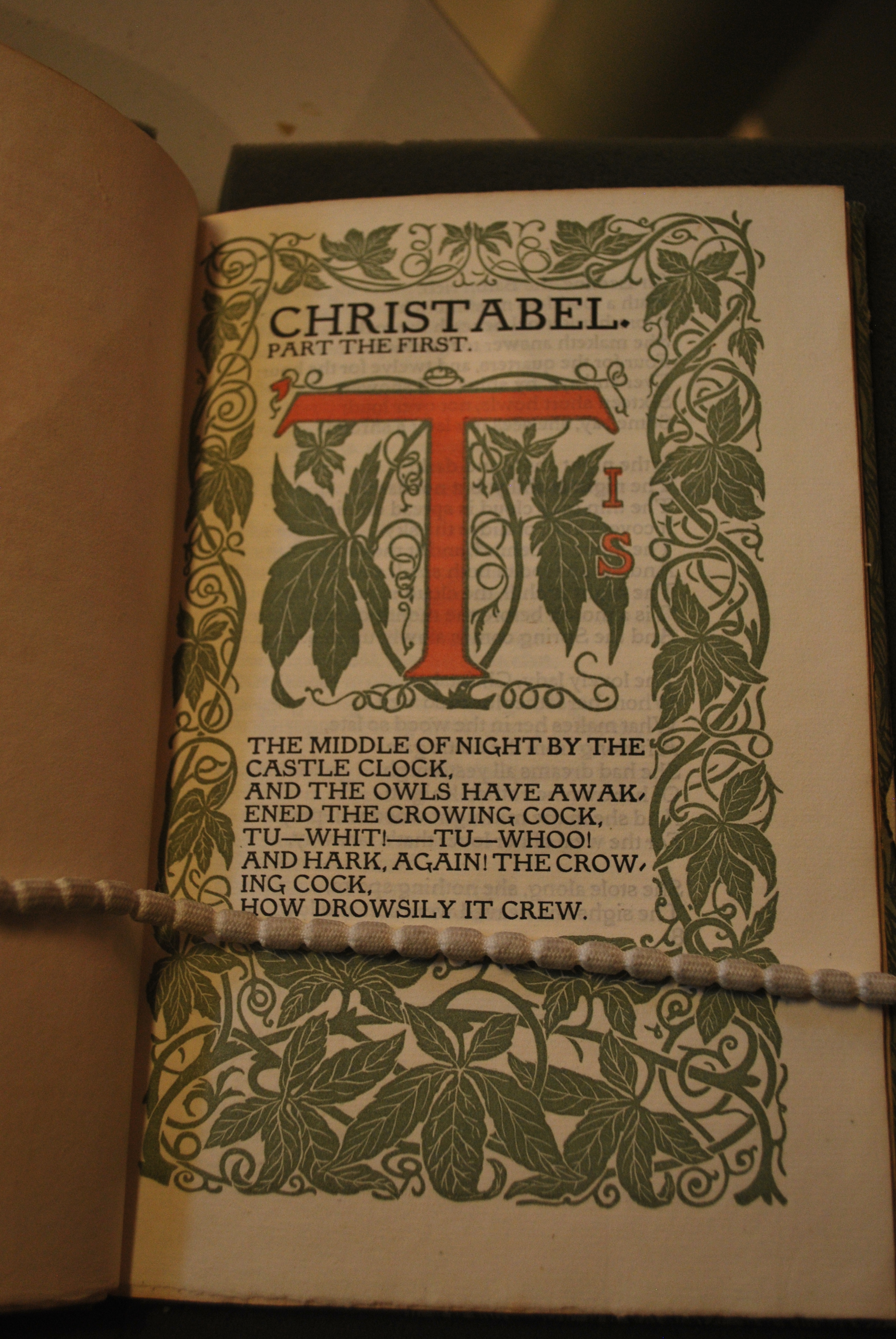
Library snapshot on Friday
Museums at Night: Poetry Night at MERL happened on Saturday I volunteered to man the a small selection of books from our Two Rivers Press collection and some rare poetry books from the Reserve and Printing Collection. Here are a few snaps that I hope you will enjoy.
http://www.reading.ac.uk/merl/whatson/merl-specialevents.aspx


100 Word Challenge for Grown Ups – Week #43

The Match
….the flame flickered before….

Long before we started to save the planet; and trying not to sound like an old Monty Python joke, my mother was a dab hand at using a single match economically. This was not possible without her womanly skills as multitasker. She could light the fire and the Aladdin Mantle Lamp and return its glass cover in the sitting room. Then, ignite the primus stove in the kitchen, returning to the fireside where my father would be listening to the weather forecast on the radio, to light his cigarette as the flame flickered before it went out.
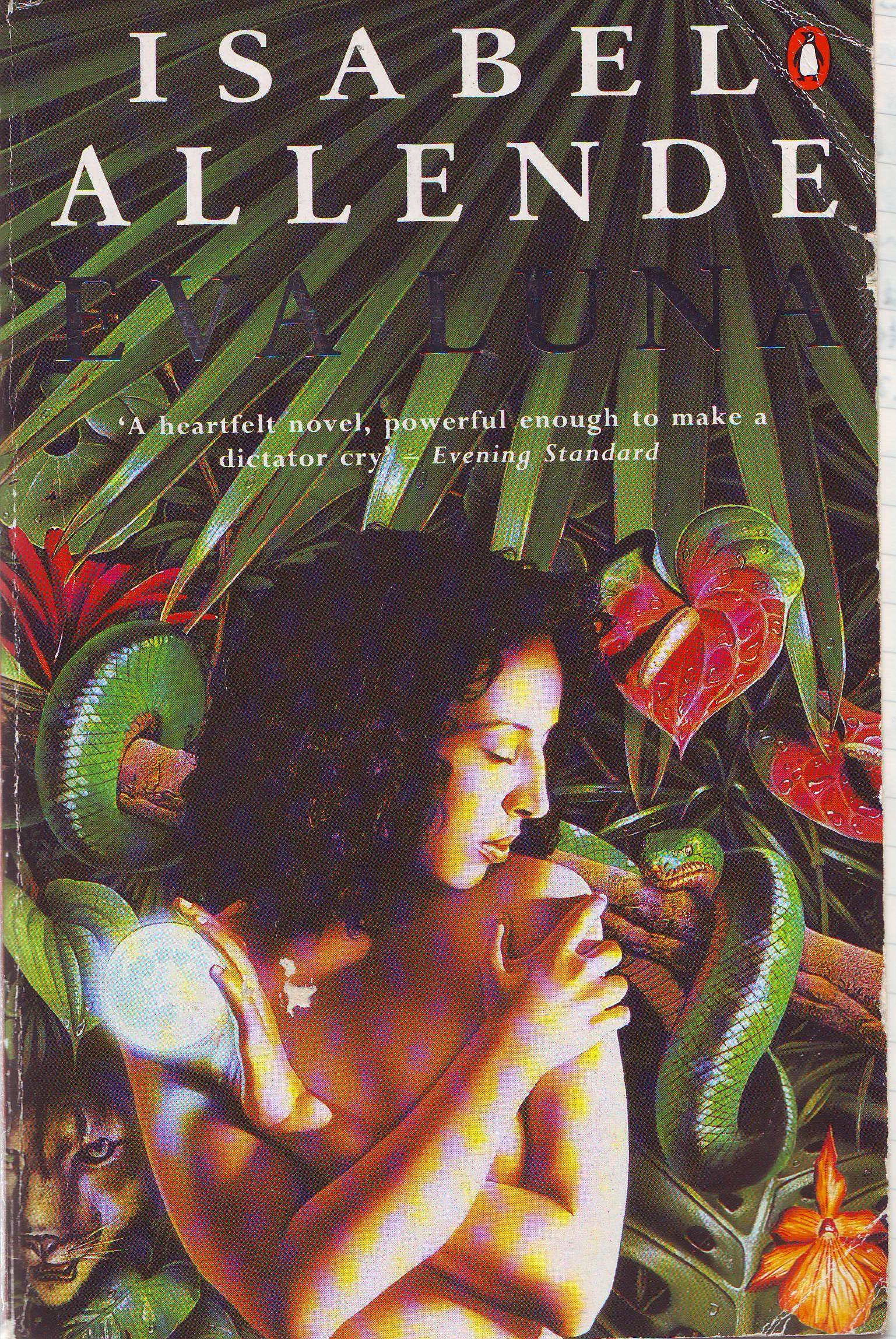
Although it is a long time since I read Eva Luna by Isabel Allende parts have stayed vivid in my mind.
Consuela was abandoned as a baby and grew up poorly nourished and uneducated until she was rescued with some other girls and taken to a convent . She didn’t like the closed environment and didn’t take kindly to the religious instruction. Although she did spend much time in the chapel. Rumour suggested that Consuela was blessed with heavenly visions. The mother superior was not fooled by this; soon realised that Consuela was not saintly but a incurable daydreamer. So as soon as her training was complete; Consuela was found employment in the house of a foreign doctor called Professor Jones. Hereafter, Isabel Allende’s story of geo-political uprisings of Latin America unfolds and we learn how Consuela and Eva Luna survived the oppression of religion, men, politics and life by the story telling and daydreams.
Eva luna was conceived on her father’s deathbed; an Indian who had been bitten by a venomous snake. When she was born a girl it was suggested that this was unlucky. However her mother, Consuelo who was not put off by this said ‘as she had been born feet first she was lucky!’ And despite the advice of the midwife, she decided not to have the baby christened. Also, she would not give her a ‘last’ name -her father’s name was unimportant. Choosing to call her Eva so she will ‘ love life.’ ; her father belonged to the Luna tribe, the Children of the Moon; Consuela named her Eva Luna.
The umbilical had been tied and cut by the impromptu midwife. Then her mother checked the baby for any abnormality caused by the venom from her father. She breathed a sigh of relief when there was none.
She remained healthy and rebellious; traits that she says were inherited from her father who ‘must have been very strong to fight off the serpent’s venom for many days and give a woman pleasure when he was so near death.’ Everything else she owed to her mother.
Her mother, she tells us was a silent person who could camouflage herself and never made a commotion. However, in the privacy of their home she came alive telling stories of incredible landscapes, unimaginable objects from faraway countries that she invented or borrowed from the professor’s library…
I will not perhaps reread the book in the near future but I will dip in again to remind myself that wisdom is a gift and we don’t all have it.
Workers in the workshop … part 2
I straighten my legs and lean back on the door post. He stands back and adjusts his sleeves. He removes the blade from the plane. Then he pours a little oil on to a sharpening stone that he has found under the shavings and begins to sharpen the blade with a gentle movement to and fro. He lifts it to the light and runs his thumb across the sharpened edge. He screws it back in place. Swoops away another swathe of shavings. Then makes a few more finishing touches before he removes the oar from the vice and stands it in the corner with its pigeon pair.
He takes the final swig of the tea and pushes the cup back on the bench among the shavings. Reaching for his baccy tin and he sits on the stool nearby. It is the only piece of furniture in the workshop serving a multitude of purposes none less than that of a ‘step up’ for a small person helping. I did not need the prop.
He sits and lifts the lid from the tin propped on his knee; he removes a Rizlar from the tiny green packet and straightens the delicate fold. He tugs a little tobacco from the packet and spreads it across the paper and twirls it into a tube, then licking the glued edge he gives it a final twirl. We both admire his work without a word. He places the cigarette between his lips and carefully repacks his baccy tin and secures the lid with tender tap. He reaches for the matches strategically placed beyond the heaps of waste. He strikes the match to light the cigarette the tiny glow brightens his tired eyes. He draws on the cigarette and blows the spoke towards the tilly lamp as it continues to blaze and attract a couple of moths.
I show him my picture; he takes his pencil from behind his ear and makes some corrective strokes pointing out the elliptical curve at the top of the cup and elaborated the arch of the handle. It was as I expected but his timely attention was approval enough.
 Coat Hanger Doll's House
