Weekly photo Challenge … Mine
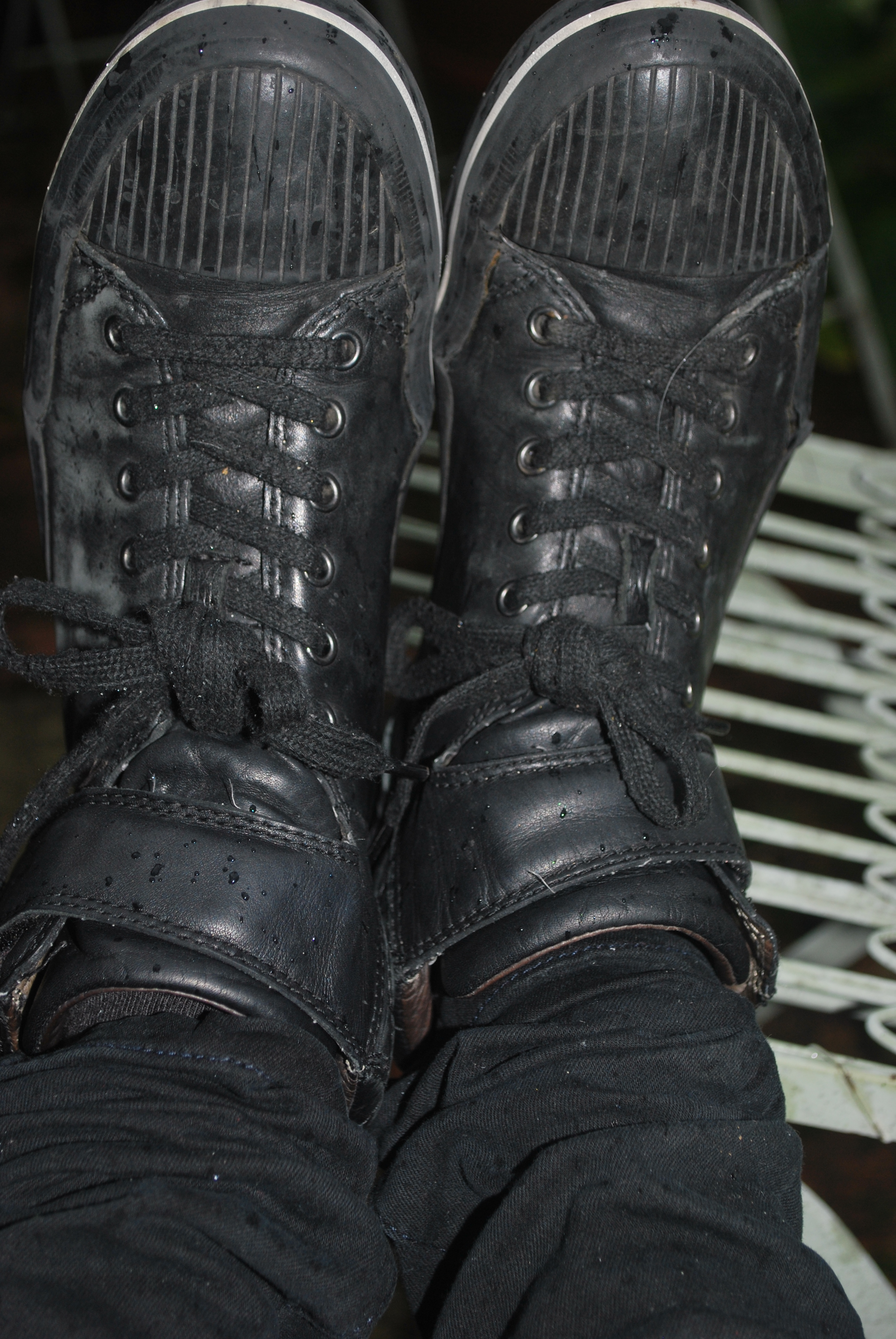
Here is another concept not easily quantified. Take these boots for instance they look like mine; they are on my feet. They seem to belong to me; I paid for them. However, they are about 8 years old; shabby and need to be replaced. They will be be put into the rubbish bin and taken to the landfill. They will no longer be mine.
Moreover, they have another tale to tell. When I bought these boots my daughter was a student and raising funds to do the the World Challenge to Peru. She worked as a waitress and needed a substantial pair of black shoes. Even the cheapest pair would eat into her hard earned cash. So the dear girl borrowed my boots. By day I wore them to the library and during the evening she wore them to wait at tables. Whose boots where they?
So I wonder what is mine … and for how long?

Alphabe Thursday … T is for the Tea Tree and its Leaves
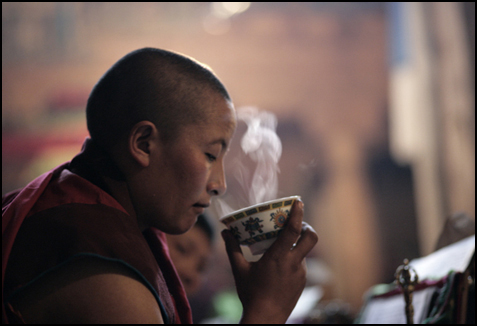
It is assumed that tea has always been taken as an infusion of leaves in hot water. Of course on reflection this doesn’t seem logical; it would have been monkeys and small mammals who first demonstrated the fine attributes of the tea tree leaves.
Studies show that forest dwellers in Thailand, Burma, Assam and south west China actually ate the tea tree leaves. The tribal peoples used wild tea tree leaves to make small bundles of steamed and fermented tea for chewing.
Legends suggest that it was later when a camelia leaf was accidently dropped into boiling water and made into a drink. Thus becoming the normal way to take tea in China and central Asia. However, in Tibet and high altitudes it is continued to be served in a semi-food form made with yak butter and sugar or balls of tea leaves much like it was in the early tribes as mentioned before.
The trade in this attractive and useful leaf began hundreds of years ago. There are legends dating back to the 4th century BC when religious teachers were considering medicine and herbs to increase their spirituality and that of their students and to safeguard their worldly position.
Taoists and Buddhists were particularly attracted this new plant elixir that could help meditation, mental concentration and stave of sleep.
There was one difficulty; the leaves grew on tall trees far away in the forest. However the rich Chinese with their mighty organisational skills managed to change the shape and size of the tree into a small and easily harvested bush.
Tea become and continues to be highly prized for relieving fatigue, delighting the soul, strengthening the will and repairing the eyesight. It was not only used as an internal medicine it was applied as a paste to alleviate rheumatic pains.
The Taoists claimed tea was an active ingredient for immortality. The Buddhists continued to use it extensively to prevent drowsiness during long hours of meditation.
However this was just the beginning …
Further reading:-
The book tea by Kakuzo Okakura
Green gold ; the empire of tea by Alan Macfarlane and Iris Macfarlane

Wednesday’s Wise Woman …

This weeks post does not venture far from the Brazilian music theme I have recently adopted. However we do go back in time to the late 19th century; To Rio in the hillside favelas where the modern samba emerged among the black and mixed-race peoples. It was during the time that slavery was abolished, the monarchy had ended and the first republic was being formed.
The question of citizenship was the topic of debate in literary and political circles. The Brazilian elite discussed the role of former slaves,immigrants and others who until now had been socially and politically excluded. According to some studies it was when the European dances such as the polka and Brazilian musical practices intertwined that the mediation began. It was a long slow process but it did give rise to Brazil’s first distinctly national urban musical genre; the maxixe and the acceptance on some level of the Afro-Brazilian culture. Although there was still some controversy as regards the notion of maxixe; with suggestions of lasciviousness and indecency and it being a ‘dangerous’ dance.
Although the genre remained popular its name changed to the safer Brazilian Tango and then Samba emerged.
One Bahian migrant Hilaria Baptista de Almeida (1854-1924) better known as Tia Ciata (Aunt Ciata) became famous for the late night samba sessions held in her home on the square called Praca Onze (Little Africa)
In 1917 a young musician called Donga registered a song that been collectively composed at Tia Ciata’s home at the National Library. The song Pelo Telefone may not have been the first samba song as Donga claimed; a rival musician called Ismael Silva suggested that it was not Samba but on old time maxixe. But the registration stood and Donga’s claim was honoured.
The recording of Pelo Telefone was symbol of samba’s place in the modern urban society and the might of technology and communication. The recording coincided with general strike in Sao Paulo; involving native born and immigrant workers. It was a significant time in Brazilian labour history and the beginning of the end of the first republic.
It was in Tia Ciata’s home where musicians, composers would meet with bohemians and politicians. Attracted by her culinary and healing skills and music. She had a large family to provide for; during the day she would sell tit-bits in the street. There was no public space for black people to meet and socialise. Samba was still considered unacceptable by the police. At night Tia Ciata was able to disguise the so called anti -social behaviour as religious activity.
Tia Ciata was a tap-dancer in the best traditional folk samba from Bahia she was instrumental in the setting up of cultural centres and the introduction of Cariocas in Rio de Janeiro.
100 Word Challenge – Week#60

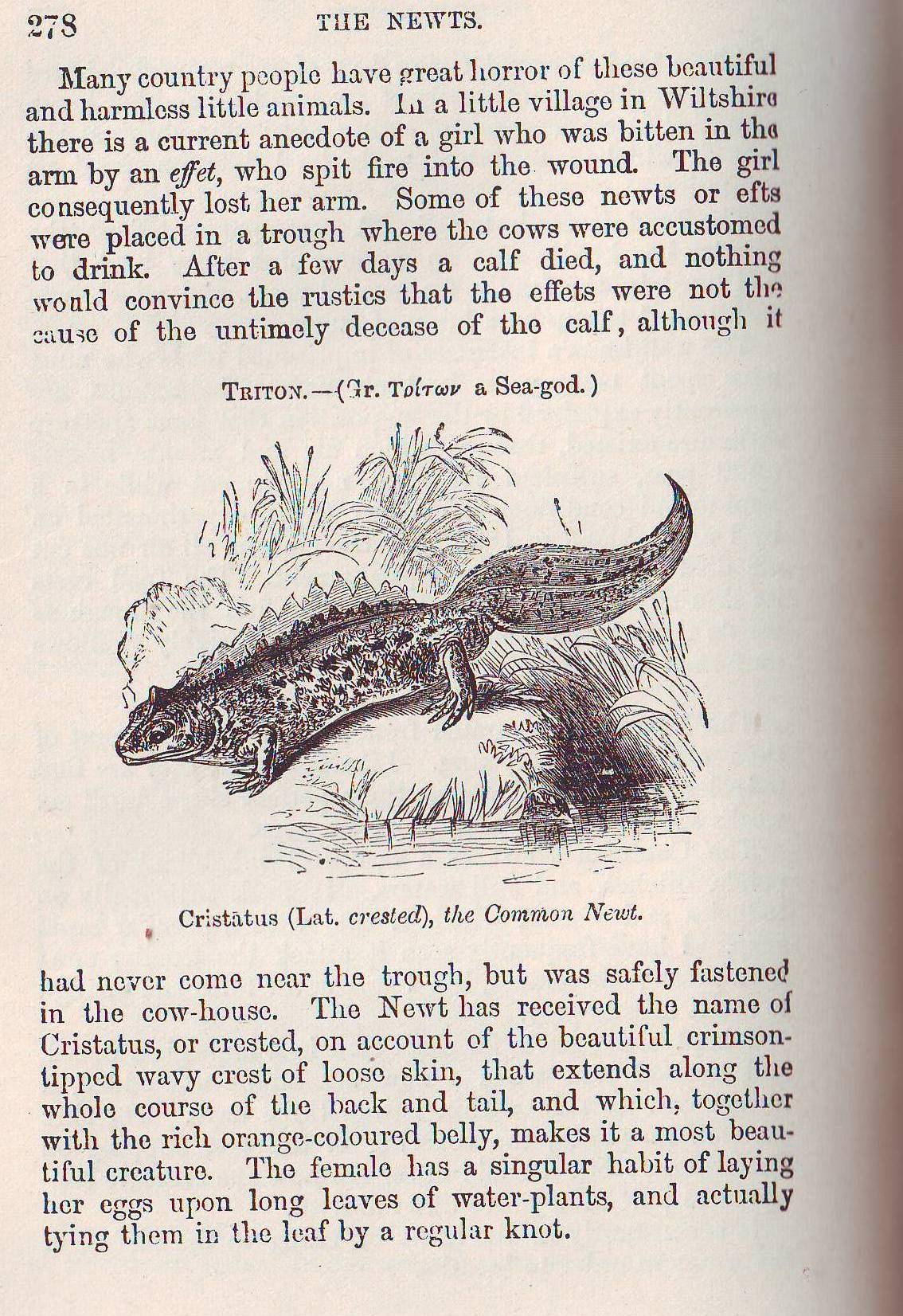
Before school Norman had been fishing in the river. He was holding a newt in his hand when the teacher walked into the classroom and asked him to clean the black board. Suddenly it was in my hand. I, not knowing what to do; dropped it into Miss Wilson’s water cup standing on her desk nearby.
We all sat down to attention, waiting while she arranged herself and her belongings behind the desk. We watched with bated breath as she took several large sips of water, peered into the bottom of the cup and gasped as if she had seen a ghost … Arhhh

Five Sentence Fiction … Devotion

Susan was going through the motions; she hated school. Not because the teachers were unfair, Miss Curtis was cool. She coped well with squeezing her blossoming body into her shabby school uniform; anyway she wasn’t ready to show her womanliness yet. Not even that her grades were low; Susan enjoyed the study and straight As. Rather more that Teresa had not responded to her tender glance.
Last week I learned that ….
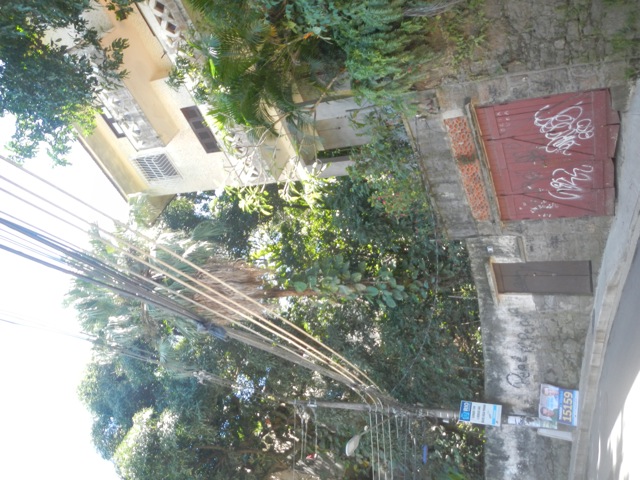
In the absence of a prompt from WordPress this week; I was invited to submit a post entitled Foliage to Where’s my backpack? And of course I will do this. First, I will explain my reluctance in the past to consider travel blogs as a way to promote my own. Then why I have changed my mind.
I have learned that although I have traveled all my life; my journey only began little more than a year ago. Since I was a child from need and occasionally much pleasure I have roamed, cycled, run, climbed, traveled by train, coach, bus, prop plane and of late on a jet plane. I admit not much further than Europe; but always an adventure. Also, never with any more than the necessary clothes in a battered case or borrowed backpack and a few pounds. On one occasion probably the most arduous was in 1978 when I left my home and an abusive relationship with a shopping trolley and sixty quid from southern England to north London barely 70 miles!
Needless to say I have never felt part of the traveling set who swanned about the world with a credit limit beyond imagination.
However, my need to wander faded; when with the joy of building a stable home for my family took priority. Although I found other ways in which to travel; reading and dreams help. But still this do not allow one into the elusive and exclusive club!
A little over a year ago Social Media allowed this little [old] lady going past her sell-by-date into the realms of the untrod and allow her to become would-be traveler
Meanwhile, my youngest child embraced the nomadic lifestyle albeit from the academic sphere. With a degree in modern languages and the Latin American culture which of course helps when adopting the real travelling lifestyle; she moved to Rio de Janeiro. Which brings me back to the Theme of Foliage and my journey as a blogger and travels to Rio; my child’s home and the little twig.
The foliage hangs on in a difficult terrain and brings delight in an environment where others fear to tread and grow.
Silent Sunday … Sort of!
You all know how difficult I find the concept of solitude; and indeed silence. At first the idea of a lone picture with a direct relation to silence seemed like a perfect solution. A day when a blogger can refrain from thinking, participating, creating or connecting; a lay in!
For me dragging a photograph from a previous sortie each Sunday didn’t quite do it. I seemed to find the need to explain. To break the silence.
So I beg your forbearance once more; for another un-silent Sunday.
A few weeks ago during our long ‘Collections Project’ here in the library; I came across a book that I enjoyed so much I bought myself a copy.
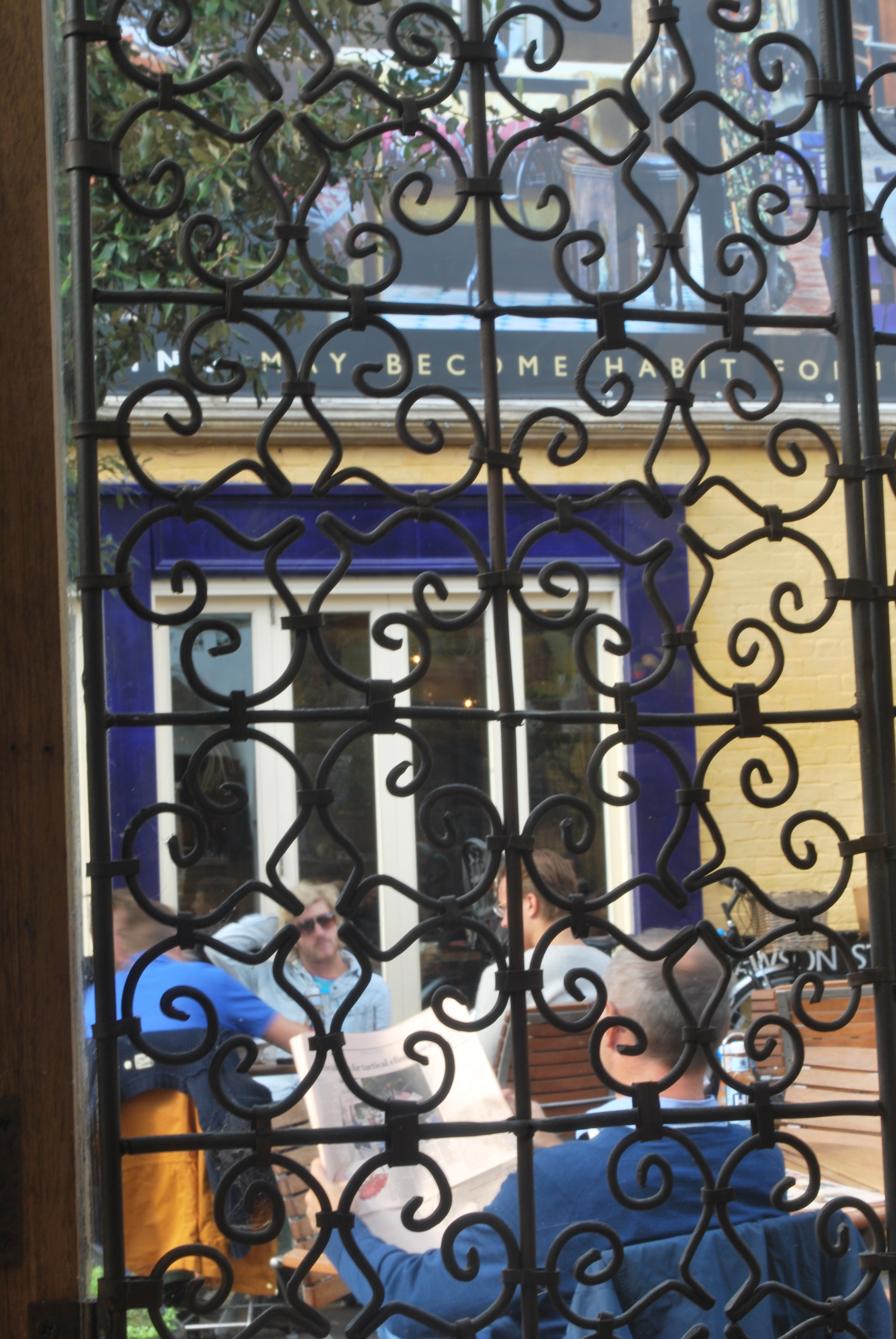
On reading by Andre Kertesz a playful and poetic book of pictures taken between 1915 and 1970 of people caught reading … a deep, personal and silent yet universal moment
I thought ‘I could do that!’ Would you join me?
Saturday Haiku … for Fresher’s Week.
As you know I work in a university library. In a few days we welcome new students at Fresher’s Week and thereafter the returning scholars and academics. While the campus and particularly the library has been bereft of wall to wall students we have remained busy. Undertaking all sorts of tasks; so the experience has been different and for some a welcome change.
My job at Special Collections has gone on much the same; as I do not have the termly fluctuations my colleagues face.
However it will be good to see the students on my cycle route through the meadow.
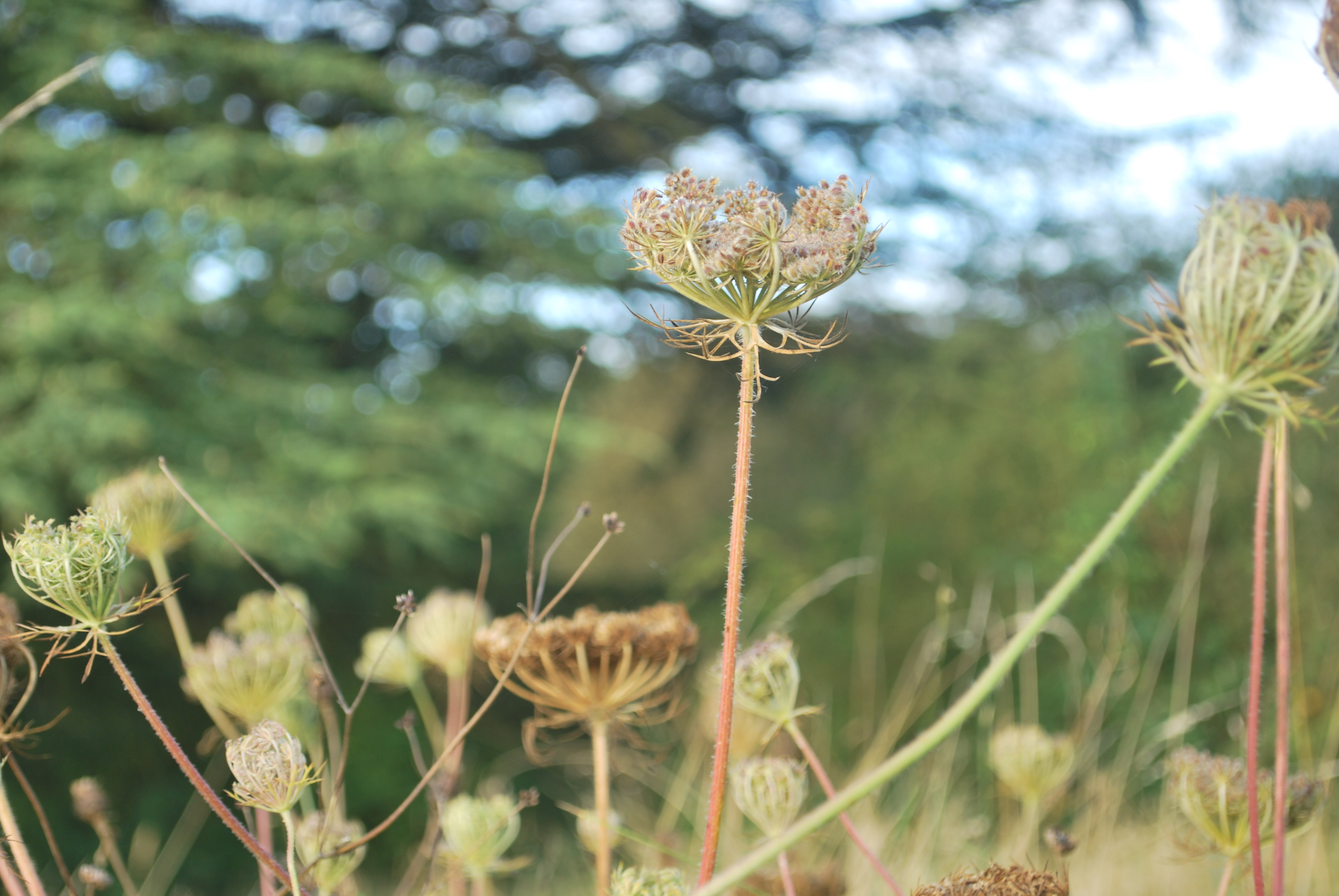
Scholars tread the path
by brittle cow parsley
rich seeds scatter.
Saturday Centus No. 126

There is no such word as blah blah blah; it is not in the English dictionary. There is however blah and blah blah. It is a skill only to be undertaken by a select few. Hairdressers, do pretentious, insincere, meaningless talk well; they are masters. We all know about politicians who use blah blah as a derisive interjections. Blah is sometimes welcome a doctor might try it occasionally. Estate agents also talk a load of bunkum.
Any conversation blah blah or otherwise should not be undertaken by your dentist simply because you are not able to respond with a fist and a mirror in your mouth.

S is for Stupa
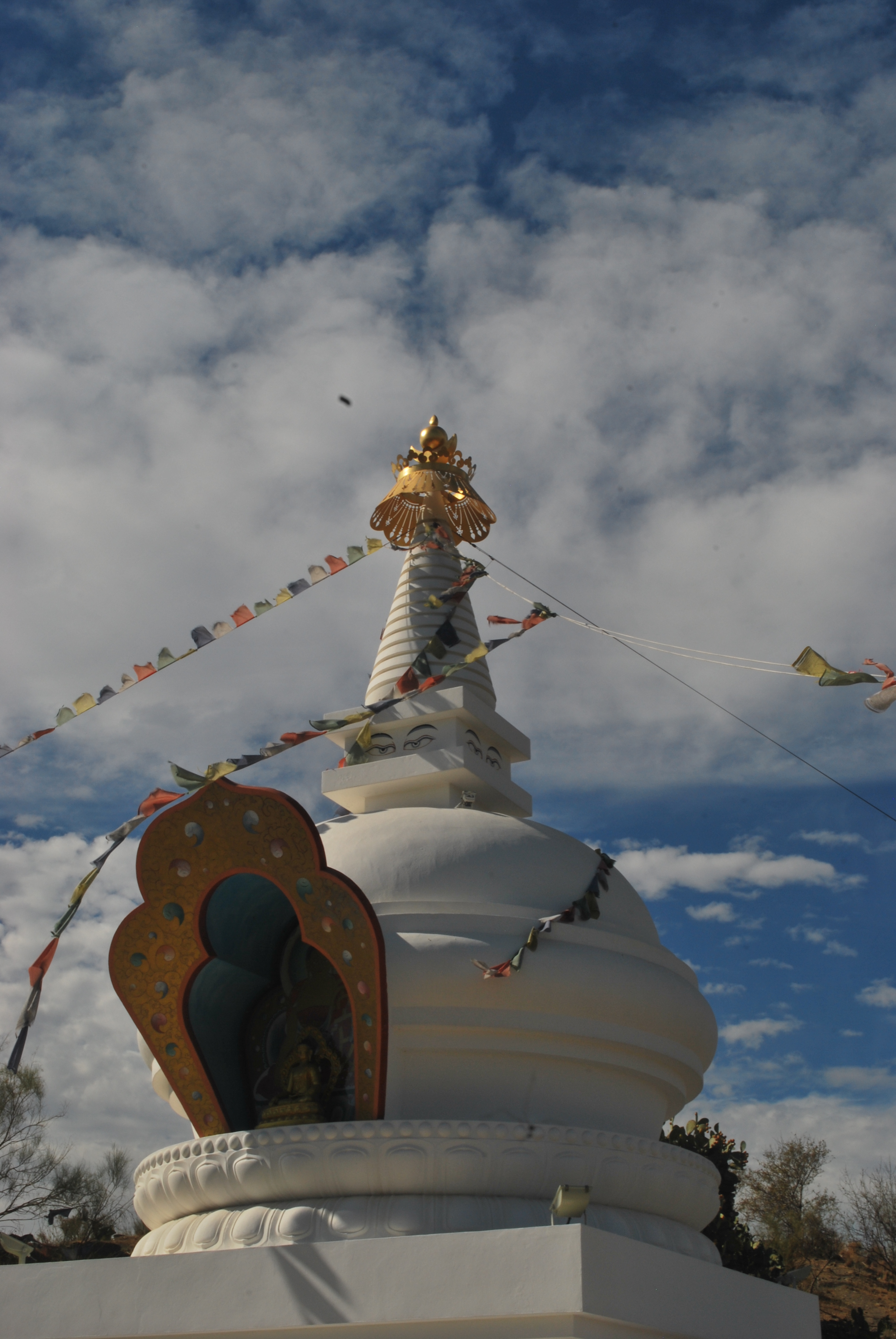

Stupas (mcod rten) are found throughout Tibet; particularly in cultural areas. Sometimes they are found in groups, often in remote and uninhabited areas. Built by people as they travel through; it is believed that stupas subdue the local spirits and make it safe for travelers to pass through.
The Stupa in Sanskrit means heap or mound. originated in the 3rd century CE first to mark the domain of Kings. Then later adopted by the Buddhists to place cremated remains and sacred objects.
However, in Tibet they became more useful in wider religious purposes. Translating the term stupa as a ‘receptacle of sacred objects and offerings’ So in Tibet they contain all sorts of religious objects; such as the relics of past teachers, texts and images. During religious ceremonies they were consecrated with spiritual energy.
As a result pilgrimages to the stupas followed by prostrations and circumnavigations were thought to earn merit.
Stupas were often built to commemorate an auspicious event or for the spiritual well being of the local inhabitants. Those who built them also receive much merit and the benefit continues as the stupa’s function develops and the devotional practices increase.
In Tibet stupas are also used for repositories for sacred articles that have outgrown their usefulness, such as texts, paintings, images etc. These old, worn or damaged things can not be discarded like normal rubbish. They are still considered sacred and representative of the dharma and it would be an act of desecration. To throw them on the tip would be an insult to Buddha and his teachings.
Tibetan stupas come in all shapes and sizes some are a few inches tall while others are towering structures with many levels . Many towns have several stupas along the approach roads. Some straddle the road offering protection against outside evils and blessing to those who enter the town.
Sometimes the gateway to the town will be marked by several stupas joined by long wall of stones inscribed with the mantra ‘om mani padme hum’ symbolic of Avalokitesvara who is the embodiment of compassion.
According to Tibetan architectural theory stupa designs are based on eight Indian models that mark a particular event in Buddha’s life.
1 Lumbini grove where Siddhartha was born
2 Bodhgaya commemorating Buddha’s enlightenment
3 Sarnath first turning of the Wheel of Dharma
4 Rajgir the second turning of the Wheel of Dharma
5 Sravasti teachings at the Jetavana Grove
6 Sankashya where Buddha ascended in Tusita Heaven and returned again.
7 Nalanda site of the great monastic university
8 Kusinagara where Buddha attained enlightenment.

 Coat Hanger Doll's House