Friday Snapshot … Val Biro
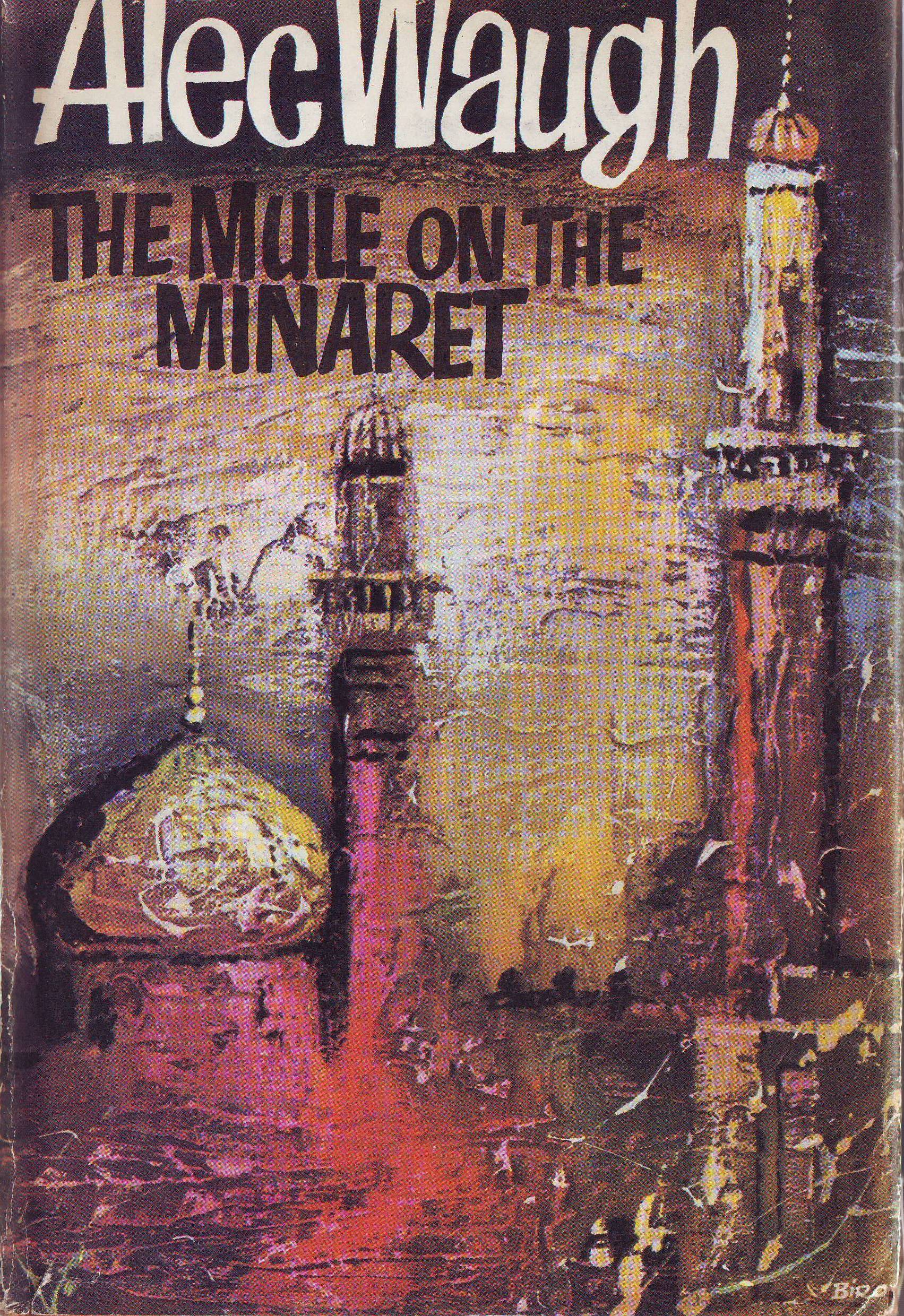
During a recent exhibition here at Special Collections of items from Westerby Press; some dust jackets designed by Val Biro were featured. We have quite a collection of books with his jackets in our Reserve Collection and in the Children Collection we have some of his other illustrated works particularly the Gumdrop Series published by Brockhampton Press.
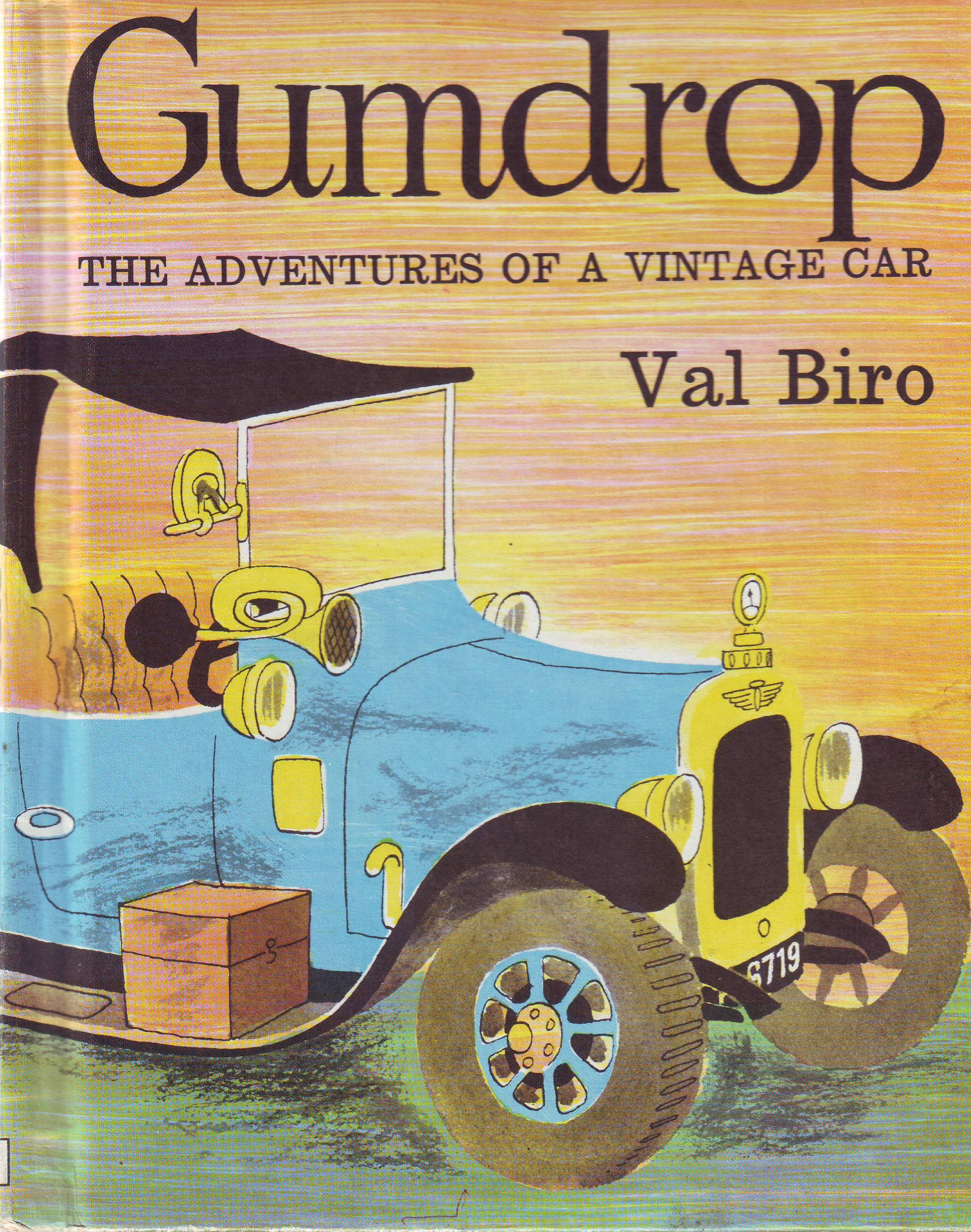
Gumdrop was a real car. An Austin Clinton Twelve-Four of 1926, which won a Vintage Concours at Newbury and Chartridge. No one knows exactly who his former owners was. So it is reasonable to assume that Val Biro and Gumdrop may have had adventures like those in the book.

Val Biro was born in Budapest in 1921, and educated by Cistercian Monks. He came to England in 1939 and was a fireman during the war. After the war he worked in a publishing before becoming a freelance artist and designer.
He is probably the most widely employed designer of book jackets, and a regular contributor to the Radio Times.

Wednesday’s wise woman …

When Amy Winehouse died last year there was much discussion about the ways in which talented rockstars met untimely deaths. We talked of Janis Joplin, Jimmy Hendrix and Brian Jones and the ‘curse’ of 27. It would seem that she now belongs to the Forever 27 Club.
Since my daughter moved to Brazil I have become directly and indirectly interested in Brazilian popular music and culture. I have a growing collection of cd’s and recently acquired an album by Elis Regina. I have since learned that she too died young of an overdose in 1982.
Elis was according to various sources a woman who made the greatest contribution to Brazilian musical history.
She burst onto the music scene when she won a national singing contest televised in 1965.when she was 18.
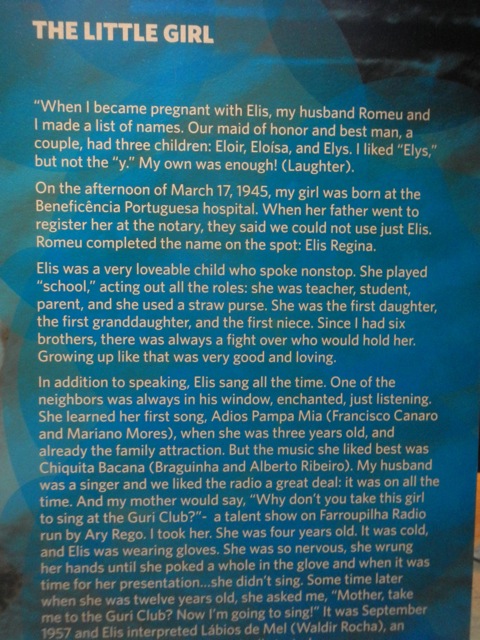
It was clear that Elis had the finest voice of her time. She released a series of records that made her the Queen of MPB (Musica Popular Brasiliera) Her voice was a mixture of technique and soul; able to express deep emotion while keeping perfect control.
While Elis’ records at the beginning of her career were apolitical as she progressed she became more politically outspoken. Her songs criticised the military government, capitalism, racial and sexual injustice and other forms of inequality. For example during a show the singer Marcos Valle was singing and playing his guitar Terra de ninguem (Nobody’s Land). When he got to the chorus the heart of the lyrics a spot light illuminated a tiny woman; Elis, whose voice filled the entire theatre sung:-
‘But the day will come,
And the world will know
You cannot live without giving yourself
Those who work are the ones who have
The right to live
Because the land belongs to nobody’.
It was a miracle according Guy Castro in Bossa Nova ; the story of Brazilian music that seduced the world, how those 2000 people managed to resist leaving the theatre and overthrowing all the major landowners there and then!
Elis said in an interview that Brazil was run by gorillas; and aware that many musicians of her generation had been persecuted and exiled. It was suggested that her popularity kept her out of prison.
She joined the Workers Party; but upset her comrades when she sang the Brazilian National Anthem in a stadium show. Elis was forgiven; the party understood that as a mother and daughter she had to protect her family from the dictatorship.
Tragically Elis became something of a Edith Piaf figure, she struggled with drugs and alcohol for most of her career and died alone in 1982 at the height of her power.
100 Word Challenge for Grown Ups – Week#59
‘For that price Sir; you cannot have solitude and a panoramic views and bathroom, with a sunken bath and golden taps. We will not considered a designer fitted kitchen or five bedrooms all en suite with his and hers dressing rooms. Or a spiral staircase; an entrance hall; with open log fie and wall to wall deep pile carpet. You will not get local amenities and the school is more than a bus journey away. There is no scope for a walled kitchen garden with a south facing on which to grow peaches. What more do expect?’ said the estate agent.


Weekly Photo Challenge … Solitude
Like many beings I have not experienced real solitude. I have been alone but never for long. I can imagine it is not always a pleasant encounter especially for those who have to endure solitary confinement in prison or exile.
As the eldest of four siblings I was rarely alone. Then as a mother my offspring became another limb; from conception they were never more than a thought away. However, I did wish for a moment to myself. Of course I did!!
I am still a mother; but now without the constraining bonds. Those almost painful links, put in place to keep a vulnerable child safe and secure have become redundant.
Nonetheless it is still difficult to find total solitude. The links to a mighty force have become real and profound.
I will keep returning to my yoga mat or meditation cushion and find a degree of oneness but never solitude …
 This picture of me taken by my daughter in Brazil this year is as solitary as it gets, just looking for it!

Last Week I learned that …

Last week I learned that I should forget Google for a bit and trust my memory. For instance while at work; shelving some Ladybird Books; part of a recent deposit and forthcoming exhibition I remembered …
In 1978 as part of my role as a buyer’s clerk; I had to marry; the delivery note and invoice with the original order for any item received at the ‘goods in’ department.
The factory was a huge site on an island between the Grand Union Canal and River Colne.
I walked between the departments with a clipboard looking important.
Each week I went to the Salle to ensure their package order from Nash Mill had been fulfilled correctly. Here the newly milled paper was cut and prepared for dispatch; home and abroad.
While some printers like Longmans’ and Ladybird books required rolls of paper. Others like the Houses of Parliament, Banks, solicitors needed cut; Croxley Script was known throughout the world.
The women who worked there, as the other employees in the mill were from the local community and worked in poor conditions for very low wages. Yet their skills won them in national acclaim; winning competitions for counting sheets of paper. Long before computers and automatic counting machines these ladies could count paper at the speed of light almost; using only their fingertips, so not to damage the paper, with perfect accuracy.
It was a quiet and peaceful place compared with other parts of the mill where you could not hear yourself speak. However, it was overlooked by a fearsome Charge Hand with a rod of iron ; not just watching the women diligently counting and ensuring that they didn’t slacken; but also for the cats … for them there was a deadly charge … to be continued
Silent Sunday
Flags unfurl
oppressed nations
liberation prayers.


This is a Silent Sunday post inspired by Mocha Beanie Mummy. Check out the rest of the entries using tag #silentsunday on twitter.
Saturday Haiku … Thankfulness

My tiny walled garden is a constant joy as the seasons come and go. Now as Autumn comes I am able dry a few herbs and roses in a bid to extend their beauty and usefulness.
During this week I have enjoyed conversations about our English weather and its inconsistencies on all levels. We discussed the need for some sort of balance between the sun and rain. He in Scotland had had more than his fair share of rain while we in the south have had sun and clear blue skies for more than a fortnight. Neither of us was particularly thankful.
Then looking more closing at his blog Poems and Pixels I have copied his subtle recombination of words and picture. I hope he likes it.
Rose no longer quenched
summer rain
sings.


Saturday Centus … No. 125
English words can be very puzzling. It must be very difficult for students beginning to learn English as a second language; until they understand the many irregularities.For instance; box the plural is boxes,but the plural of ox is oxen, not oxes.One fowl is a goose, and two are called geese, Yet the plural of moose is not meese. You may find a lone mouse or a house full of mice, But the plural of house is houses, not hice.
The plural of man is always men; but the plural of pan is not pen and so it goes on …

Friday’s Snapshot … Off at a tangent!

I go off at a tangent; I will bring you back to the library theme I hope. In 1978 aged 28 years old for reasons not necessary to discuss at the moment I found myself in need of a full-time employment. I had been an accounts clerk; but out of the job market for 6 years, so I had to gain experience for my future career and settled for a job as a clerk in the Buying Office, for John Dickinson Paper and Board, Croxley Mills in Watford.
John Dickinson was pre-eminent among the English papermakers in the period 1810-1860. In partnership with the publisher George Longman he acquired Apsley Mill in Hertfordshire in 1809 and nearby Nash Mill in 1811.
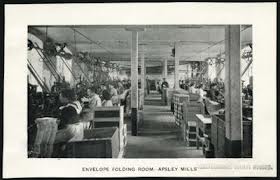

During the next twenty years steam engines and machines were installed. And then Croxley Mill was built, while high quality rag paper was produced at Nash Mill and Apsley Mill produced stationery and cards; the firms paper manufacture was concentrated at Croxley.
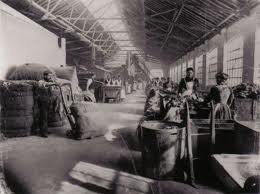
When I joined the late 1970s the company was in decline. It was easy to see why; the machines in use had not changed much from the previous century. Any replacements were not functioning to their full capacity. Also the working conditions were poor there were no health safety rules in place. Unfortunately the management were inadequate and the trade union was growing more and more dissatisfied and becoming outspoken.
I was directly responsible to the Buyer who bought everything required to make paper, such as the wood pulp that came from Canada by ship and then up the grand Union Canal by barge to Croxley.
My boyfriend at the time worked in the sales office as a Progress Chaser. So while I was ensuring that the wood pulp had arrived and that the quality was good. He would be making sure that the paper for his customers was being delivered on time and that it was to a high standard.
One of his customers was Ladybird Books; they expected the best paper. To make a profit it was necessary to run the paper once. For example from the wood pulp to paper; if there was a flaw or blemish then the paper was repulped and re-run.
Unfortunately while using machines that were outdated and unreliable; the paper needed to be run two or three times before it was perfect . Also Croxley Mills and her paper had a reputation to keep. So for 50 years or so; while they made the finest paper the mill was making a loss.

It was a wonderful opportunity for me to get back into the employment. I have many stories to tell about my time there.
But the main point of my story is that here at the the Museum of English Rural Life and Special Collections we are the custodians of the entire collection of Lady Bird Books.
Books that I remember as child, my children enjoyed and now my grandchildren have a small collection.
More importantly I actually had a significnt part in their production.
Alphabe Thursday … R is for Ruin
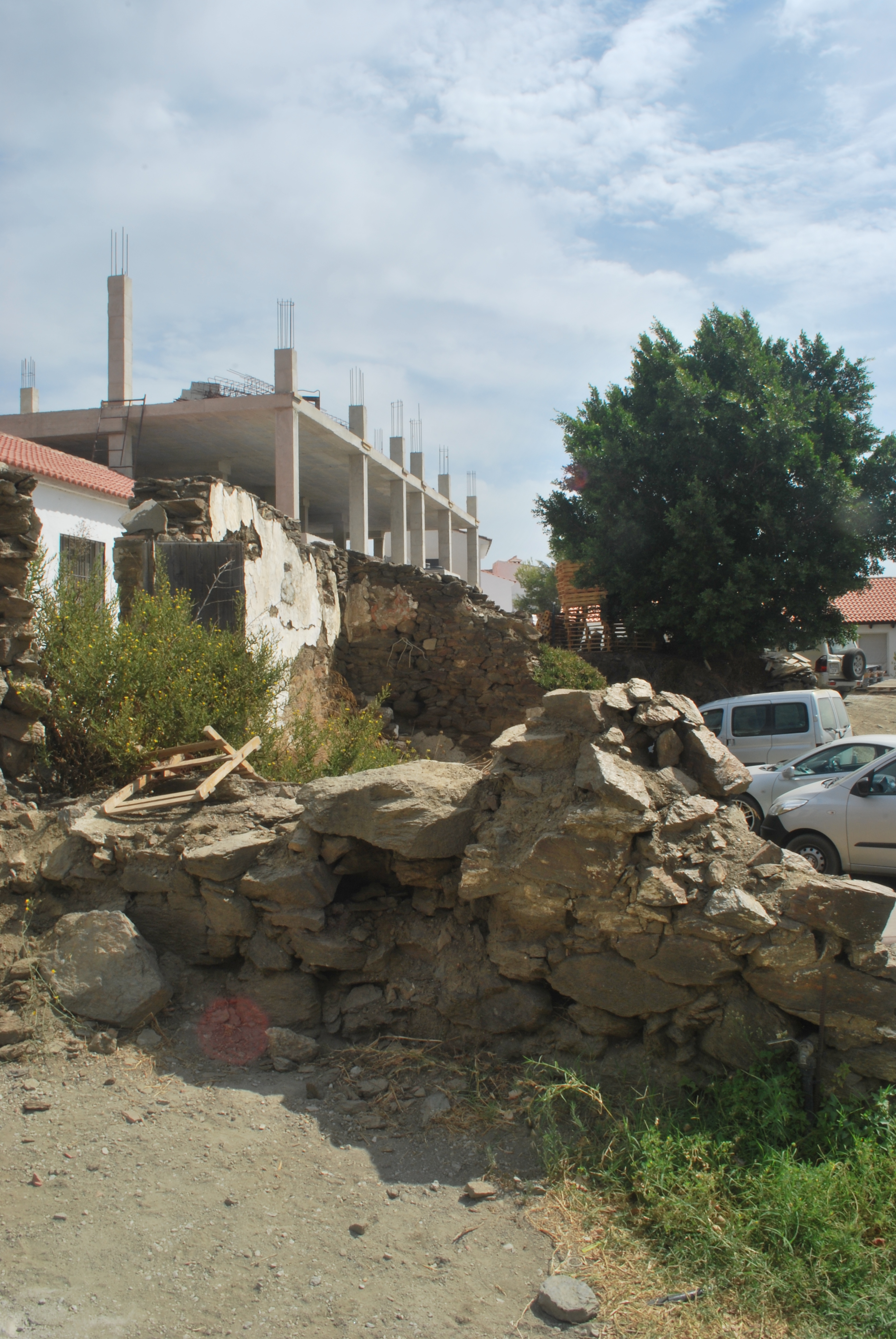
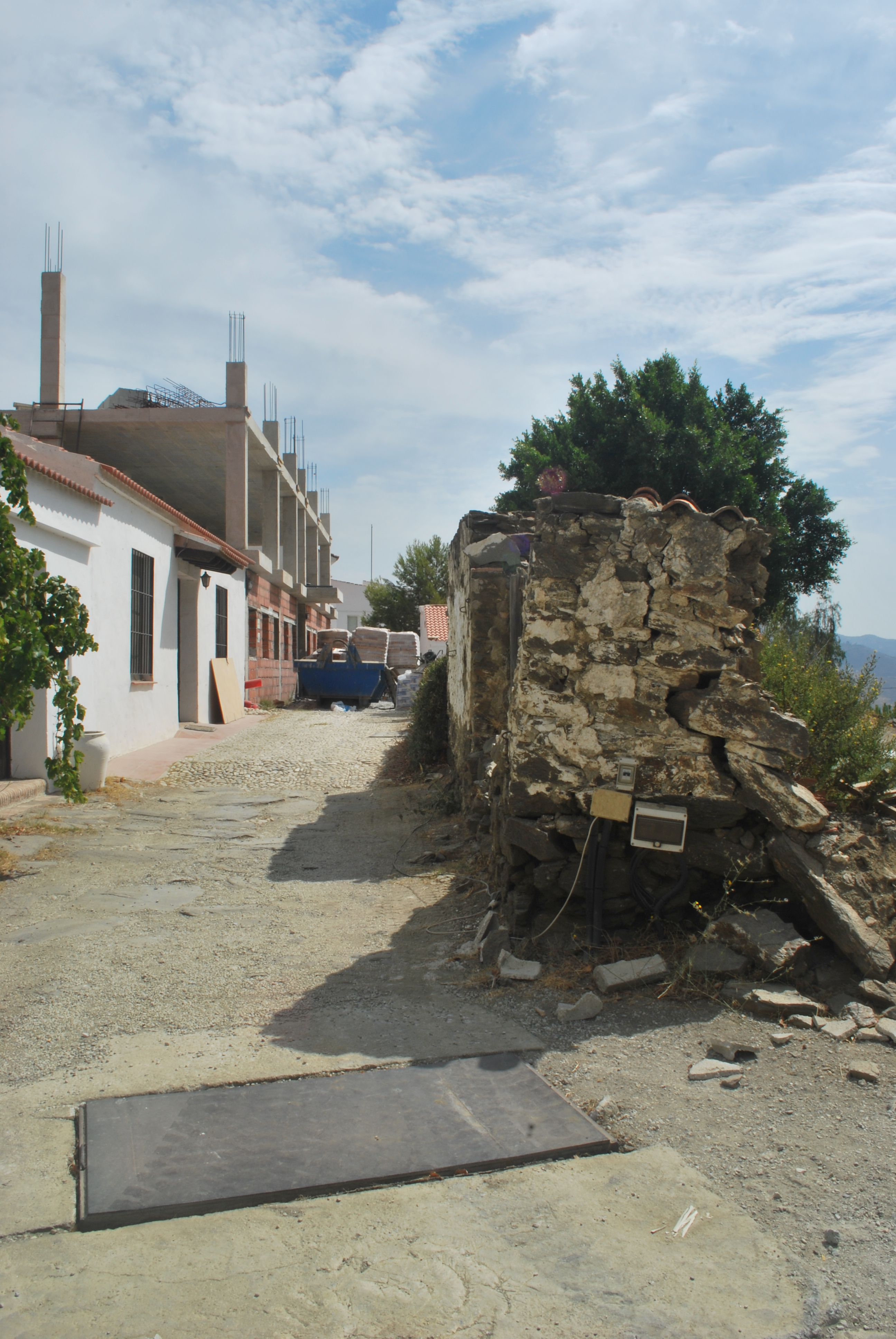
I like to photograph ruins usually in juxtaposition to a rambling rose or a desperate daisy or a towering architectural delight or carbuncle. Sadly no daisy or rose survived the Spanish scorching sun. Whether the other building is a delight or a carbuncle is not necessarily up for discussion. However the ruins you see are the remains of a little village in the mountains of southern Spain. Once inhabited by a community of farmers and their families; making a living on the terraces growing olives, almonds and avocados. Perhaps a herd of goats roamed the rough and rugged terrain.
There was a chapel and a school room maintained by an itinerant teacher and priest who would walk the mountains from Velez Malaga. The houses were built of local stone and offered little comfort except shelter from the scorching sun and wind. The facilities would have been very basic and insanitary.
Gradually the tourist trade developed on the coast; offering work and stability to the poor inhabitants struggling to make a living in the mountains.
So the little communities died; leaving the little pockets of houses and land to ruin.
Property developers moved into areas more convenient to the ‘desirable’ amenities.
The more remote properties laid abandoned a bit longer.
This sight was ‘discovered’ by a travelling Buddhist teacher who was surprised by the local geography and its resemblance to the Himalayan foothills. The village was renamed Karma Guen after a Tibetan Monastery he knew well.
With considerable investment; modern facilities were bought in; electricity, water and adequate drainage. The buildings were made sound and before long a new community had moved in and the village became a Buddhist retreat. Attracting visitors and travelling teachers from all over the world.
As the years have passed so buildings have been added using better building materials; whilst there are modern facilities and are much more comfortable; the buildings are essentially Spanish and remain in keeping with nearby old style Spanish dwellings.
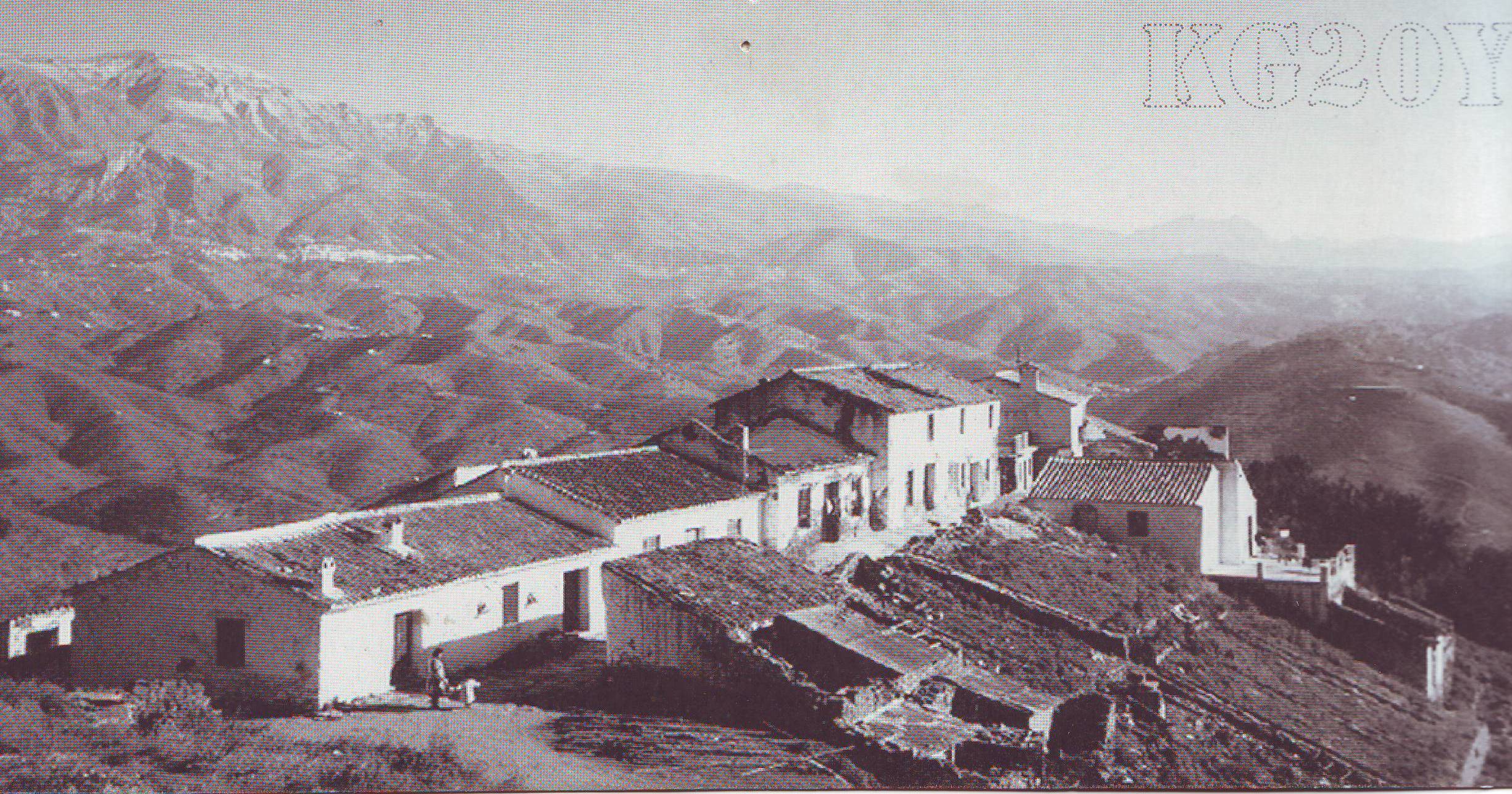
In the Andalusian mountains overlooking the Mediterranean Sea to the south and the mountain pass called Zafarraya Gate or Lion’s Gate at the north is a small village called Aldea Alta (High Village) near Velez-Malaga now Karma Guen.

 Coat Hanger Doll's House