Happy Silent Sunday

I came to Silent Sunday like a bull at a gate; in fact I hit Social Media running. Breaking all the rules with no social graces; thankfully I have come through. My peers have not noticed or politely ignored. I have since seen subtle suggestions and reminders of rules and regulations; so now looking forward the Silent Sunday and all that it entails.
Meanwhile a picture taken not by me (Broken rule no. 1) but my daughter and some dialogue (Broken rule no. 2)
The image marks a point when I can look forward to my trip to Brazil next year! I haven’t have hugged her for eight months. During that time I have remained in a dignified and not so dignified place of ‘in the moment’ ; trying not to look forward or back and most of the time not making a very good job of it.
So today on Silent Sunday I say hurrah!
Amy’s bike bright red
a beacon of her at home-ness for a while
an opportunity of movement, power
and mostly choice … in Brazil.
Saturday in honour to those who don’t grow old …

I am usually reluctant to write too much about women who are not dead; mainly because they are in a position to answer back. However I feel I must write in honour of Maya Fiennes. If only because she mentioned at least three of my ‘favourite’ women and my favourite painter in one paragraph. I would like to write about them; but could never do them justice in my self inflicted word limit. So they are best left to the experts.
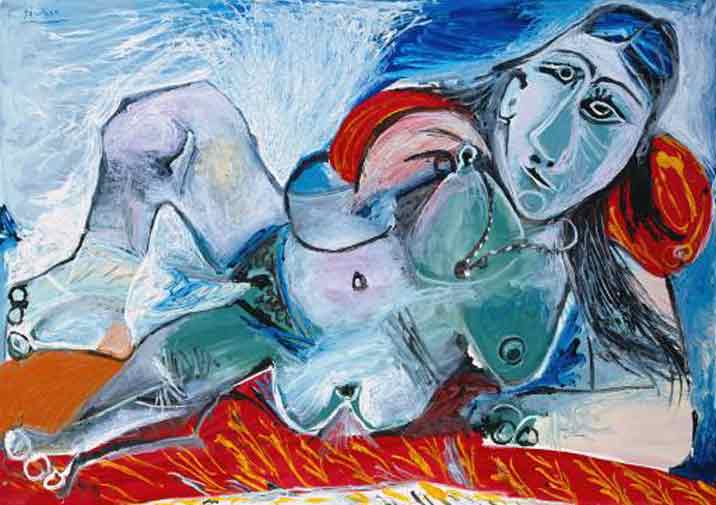
Maya; in her book Yoga for real life discusses the contribution ‘elderly’ people make to society. Those such as Pablo Picasso who continued to produce innovative works of art until his death at ninety one.
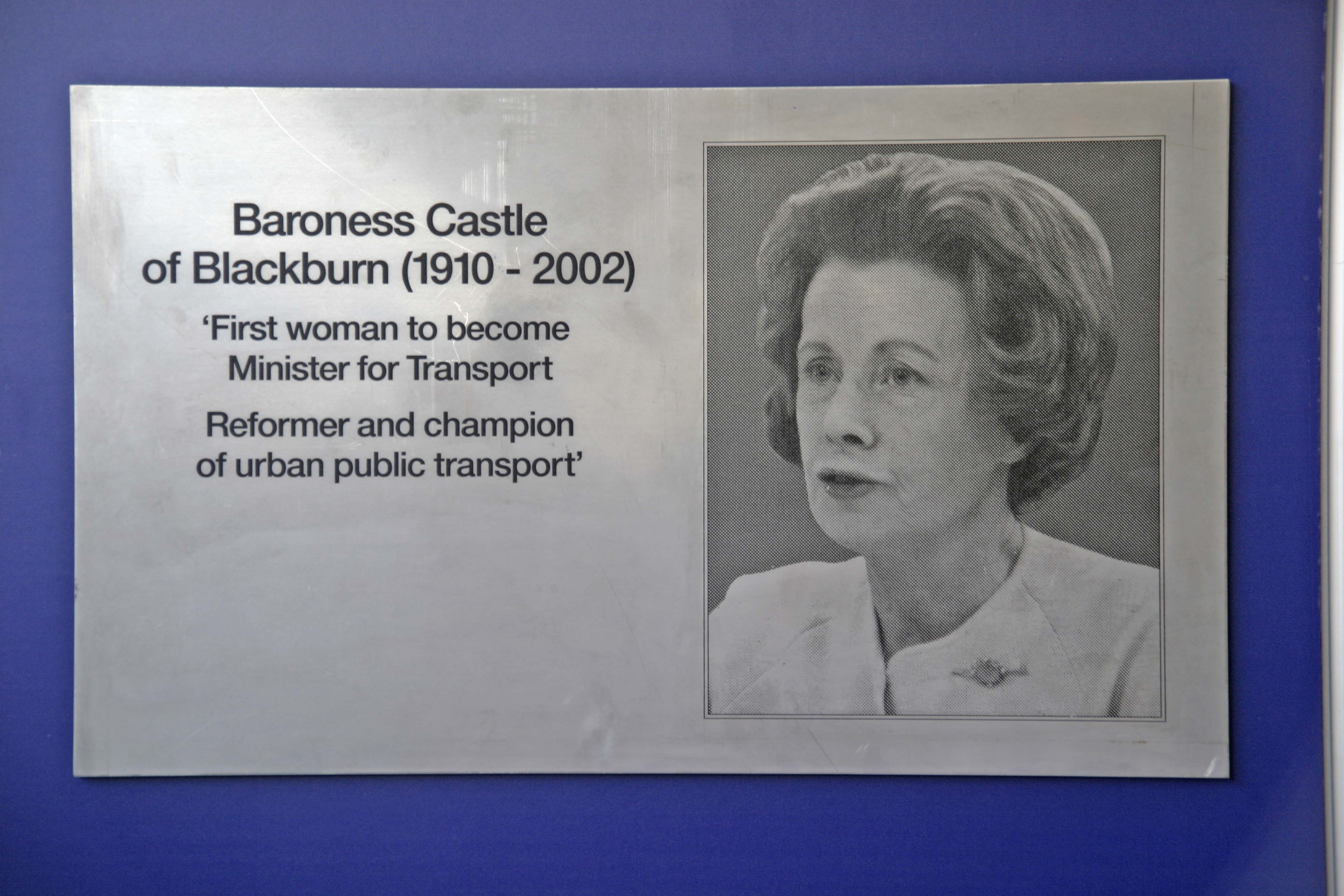
And Barbara Castle, the Labour minister who broke new ground for women in British politics, was still active in the House of Lords right up to her death in 2002, aged ninety one.
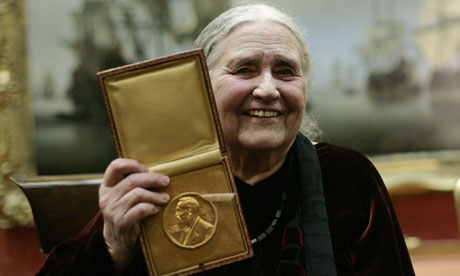
Then Maya mentioned my all time favourite author Doris Lessing who accepted the Nobel Peace Prize for Literature in 2007; when she was eighty seven and she gave a powerful speech on global inequality.
Popular and classical music if full of icons old enough to ‘qualify for a free bus pass’ in particular Maya considers Tina Turner who is my most- liked female rock star who seem to go on for ever.

In this context Maya Fiennes suggests that we should not use lines such as ‘ I am too old for that’ instead we should be saying ‘I am wise, capable and I can do anything’
Special Photo Challenge: My Inspiration
She the one :-

Who flicks the mascara and lippy with perfection between tasks
as if she knows there really is no time.
The one who knows sooner when to stop;
makes favourite tea in my best cup.
She will tirelessly search for the right shade of embroidery silk
she will not make do.
The woman who pushes the pedal with a Spartan tread up the hill.
then the girl of the high kick skirt to freewheel down the other side
The mama;she crisply launders the outfit for the important event
and delicately folds the silk camisole just in case.
She a trollop who can eat a sandwich on the fly with hair half done
and smile awry especially when time really has gone down the pan.
She is accomplished at road rage will scream and scoff
with the best for unfair reprisal
She will stand through thick and thin
lie on the bed and bear the situation as it is.
She will twist my top knot fair and true
tie a ribbon with flair, fashion and some!
She is readily inclined to smooth my tired brow
just as likely to kick arse!
My inspiration, dakini, goddess, yogini or angel call her what you like
is the master of disguise and has the stealth of an alley cat.
She find her way onto the stage and wave her wand and steal away
and leave me wondering ‘where did that come from?’

Friday’s library snapshot … Randolph Caldecott
Randolph Caldecott’s (1846–1886) name is often linked with Walter Crane and Kate Greenaway, a little group of illustrators who began a new era of picture books for children in the 1870s. However, Caldecott’s immortal pictures are quite different from the more static, decorative work of Crane and Greenaway. He was able to sketch closely observed scenes of everyday happenings of animals and people ‘full of the joy of living’ with little detail and subtle palette of colours.
Skills learned as boy drawing animals from models he had formed himself from clay. Later while working as a bank clerk he spent all his spare time wandering and drawing in the countryside.
In 1867 he studied art in Manchester School of Art for five years. After several contributions to the London Society magazine, his illustrations were soon appearing in Picture Books.
A decade after this he began a fruitful association with Edmund Evans (1826-1905) the printer and engraver on a series of shilling toy-books. The first printing was 10.000 copies which sold out very quickly. Caldecott’s success was assured; with his name the Lord of Nursery he gained international acclaim and the respect of other artists such as Van Gogh, Gauguin and Beatrix Potter.
He sailed to Florida in 1885, hoping the the climate would revive his poor health. Sadly he died early in the following year.
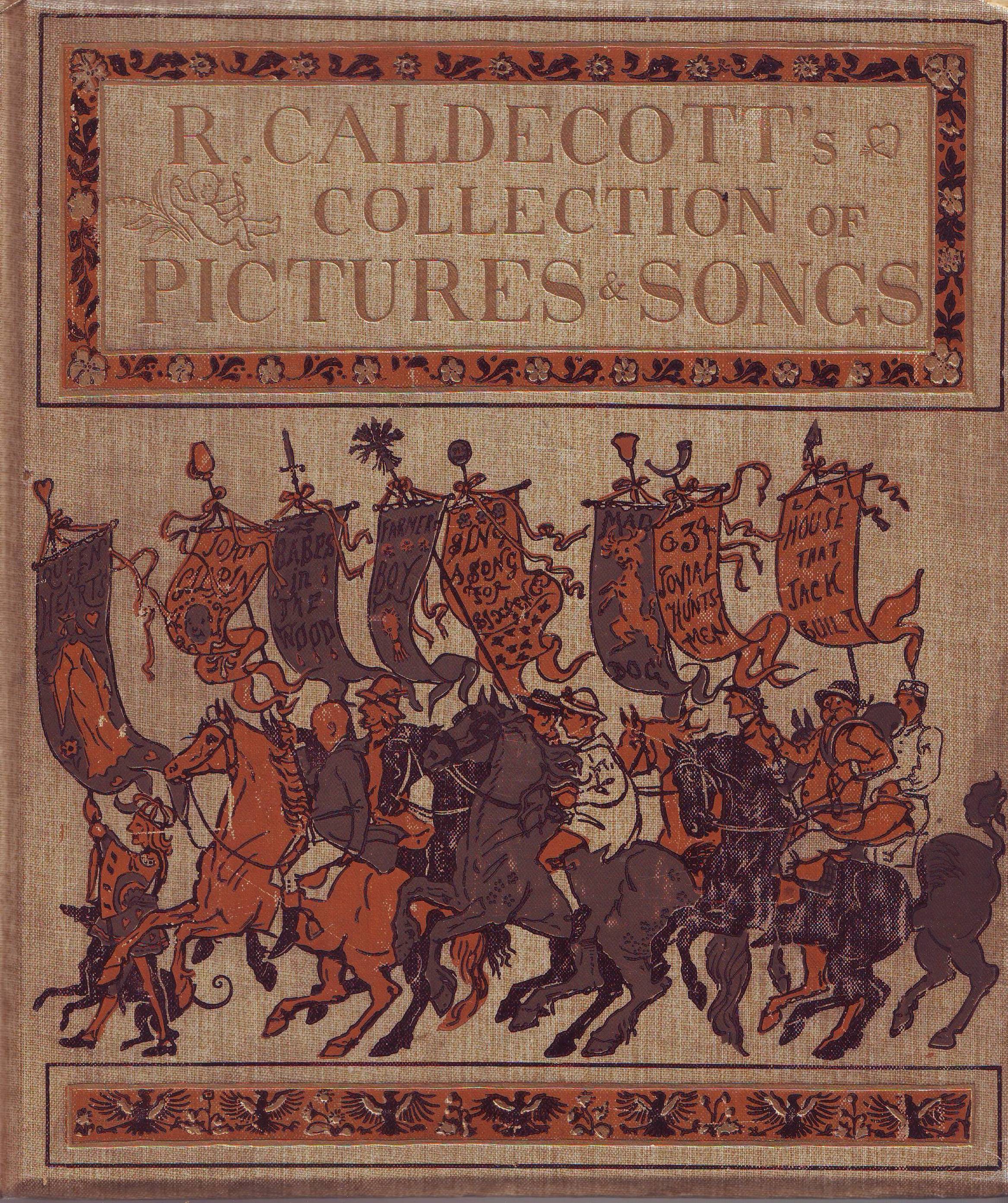
Caldecott’s collection of pictures and songs 1896
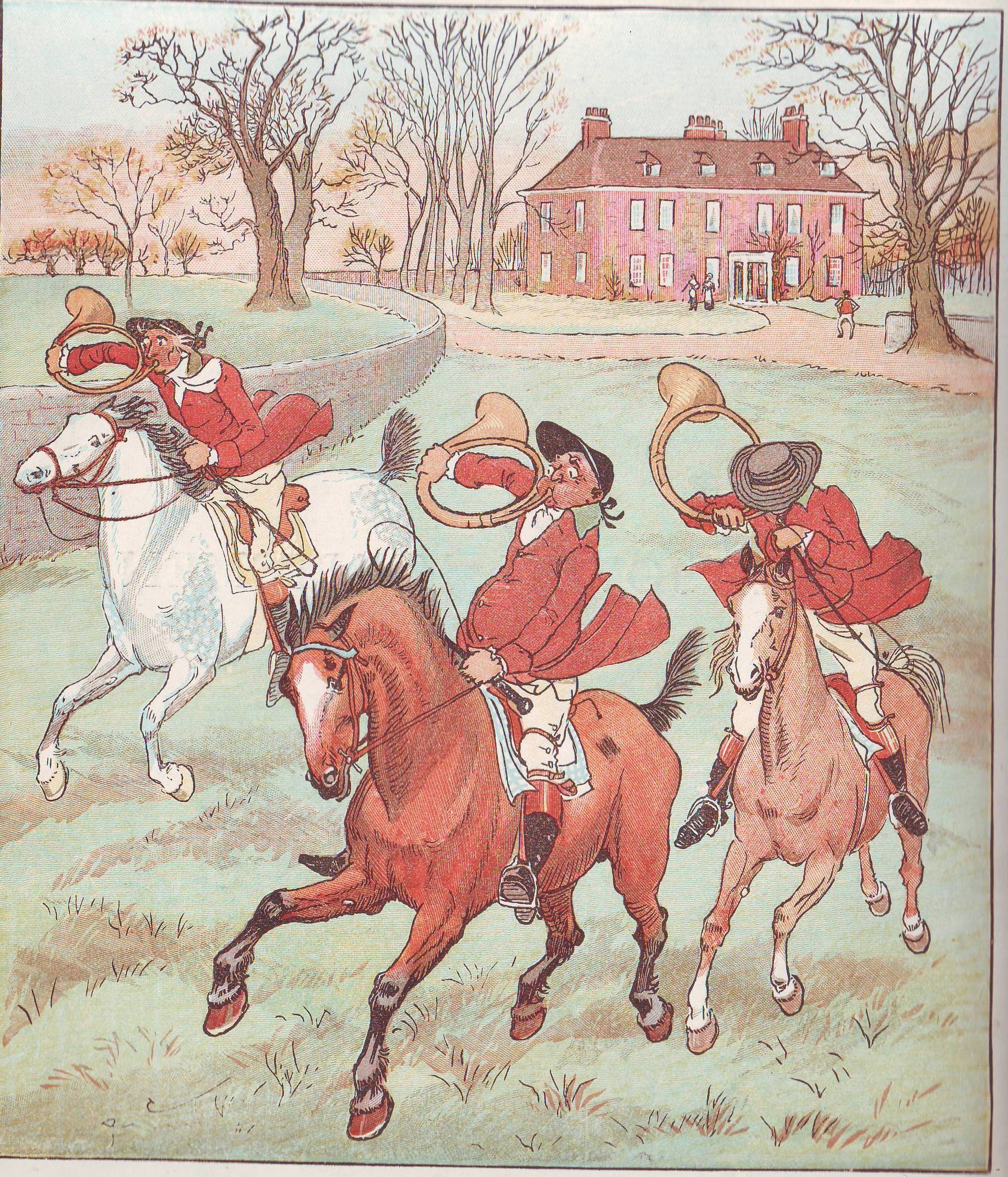
Three jovial huntsmen
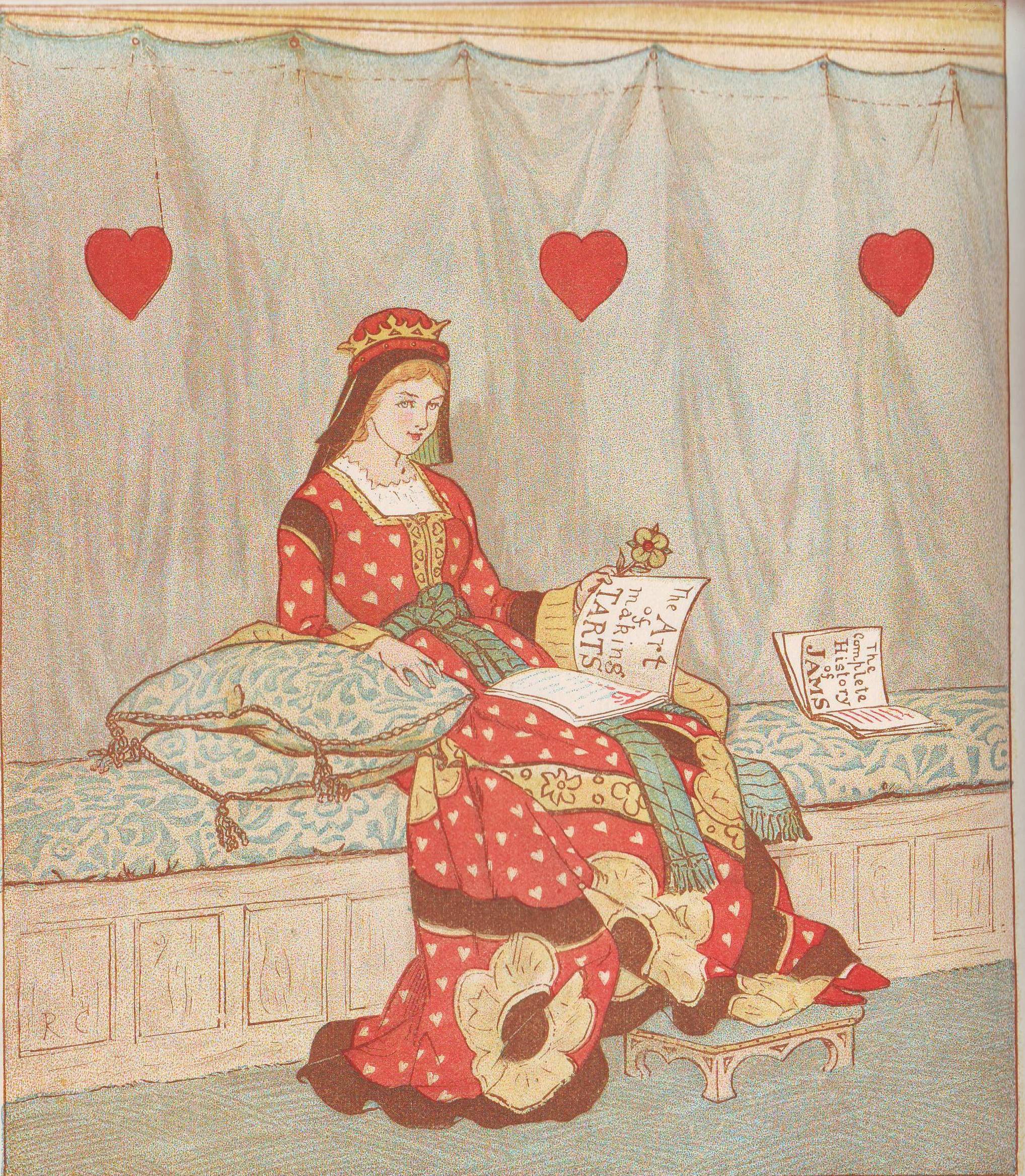
The Queen of Hearts
Pictures from R Caldecott’s collection of Pictures & Songs.
100 Words For Grown Ups – Week#67
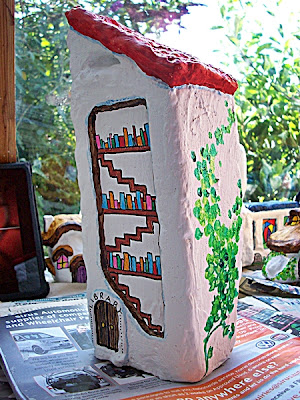
I regularly sit at the information desk on the Life Sciences Floor; I answer all sorts of questions; some about the location of the toilet or the photocopier. Others, of course are more complex connected with a particular academic assignment and then I glazed over and hope for some divine intervention
I really try not to laugh out loud; when a fresh faced student or a not so fresh academic comes to the desk and asks ‘for a book?’
‘Any particular book?’ I inquire.
‘Yes, its a maths book and its yellow’ he replies
‘Title , author? I ask
and he shrugs!

Alphabe Thursday … A is for Ampersand
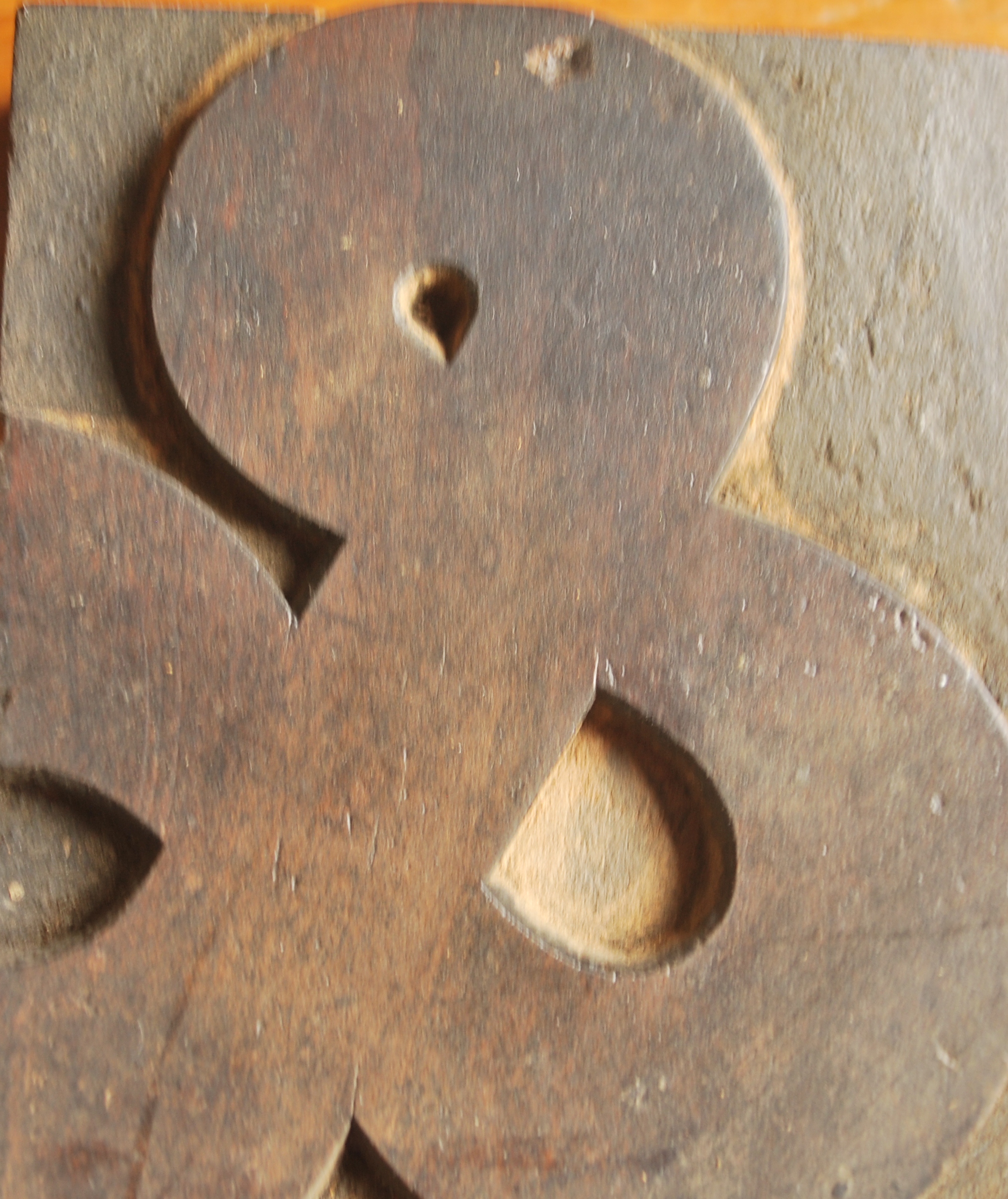
A is for Ampersand which stands for ‘and per se and’ and is the name of the character ‘&’ as it appears at the end of the alphabet in a primer or horn book.
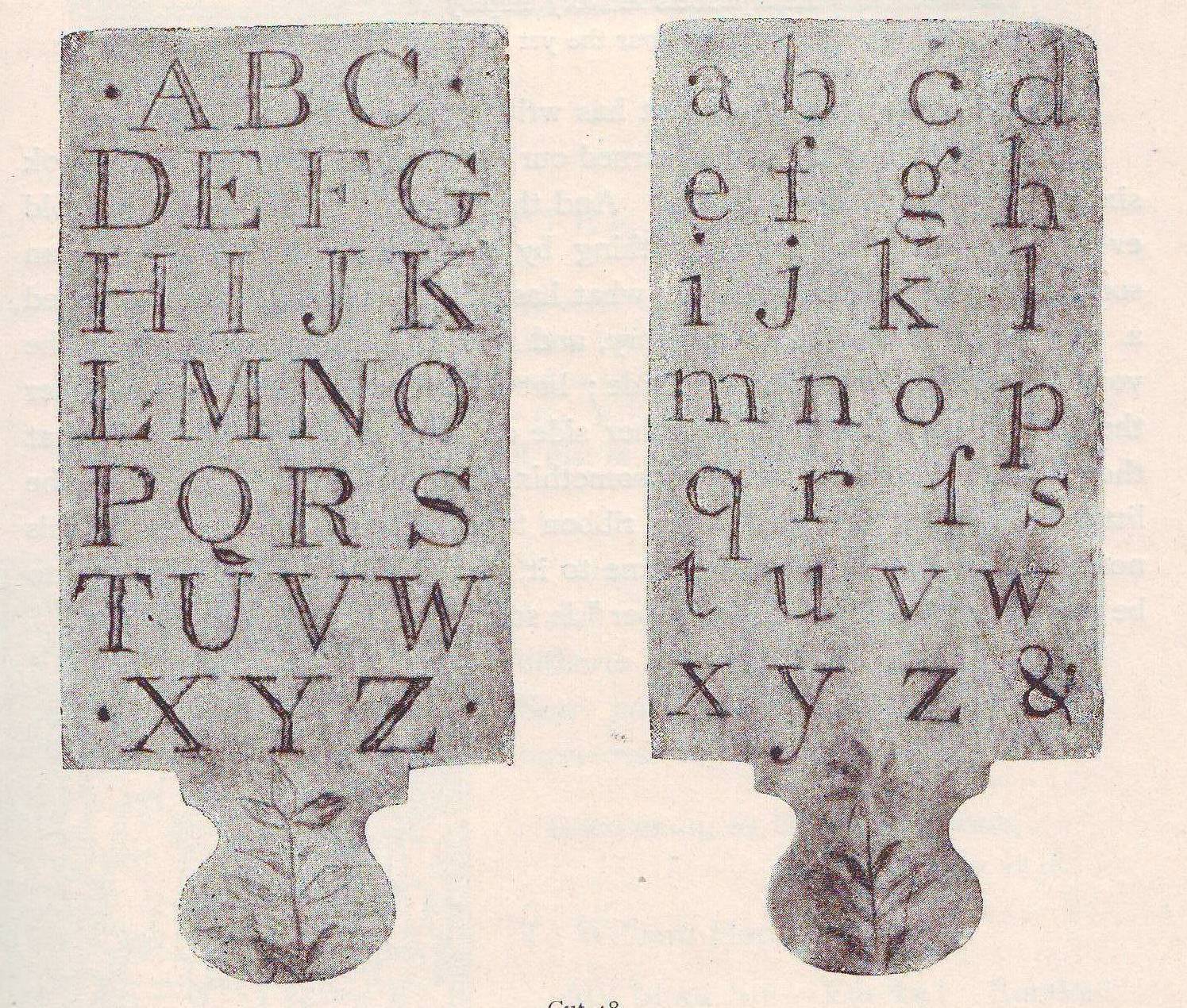
A horn book peculiar to England North America; but was later produced in Europe. A pointer was made with a horn book; the teacher pointed to the letters and child would recite them.

Some horn books showed only the alphabet; others had another image such as the Lord’s Prayer.
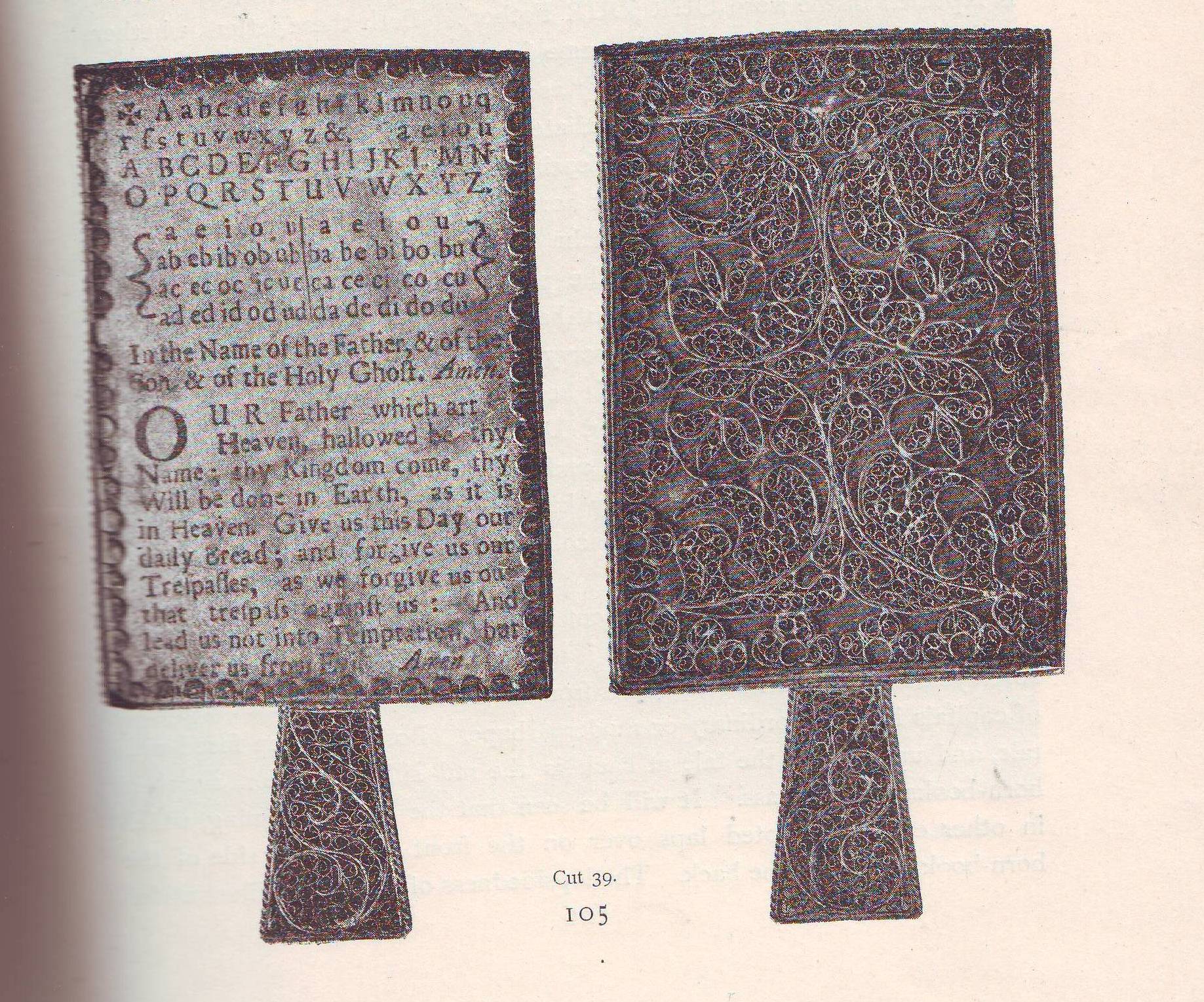
A horn book was made of a thin piece of oak with handle at one end sometimes they were covered in leather; the printed sheet was glued to one side. Horn was fastened over it with strips of brass and rose head tacks.
The children might have worn the books dangling from a string tied at their waist or round their neck

True horn books with horn faces were used as early as 1450 and were common by 1600 and continued to be used until the end of 18th century.
Further reading :- History of the Horn-Book by Andrew Tuer 1897

Wednesday’s wise woman … Ada Byron
Ada Byron (1815-1852), born in London; the only legitimate child of the poet Lord Byron (George Gordon Byron) and Anne Isabella Milbanke. Born Augusta Ada Byron but better as Ada Lovelace; didn’t have a close relationship with her father; her parents separated when she was a month old and he died when she was eight.
Ada was a sickly child and suffered headaches and blurred vision. Later, after a bout of measles she was paralysed and confined to bed. As a result she could only walk with the aid of crutches. However during this time she continued her education. Her mother obsessed with the idea that Ada may be insane; taught her mathematics from a young age. She was schooled privately by eminent mathematicians of the day
By the time she was seventeen she was recognised as having ‘remarkable mathematical abilities’ and her interest dominated the rest of her adult life.
Ada formed a close relationship with Mary Somerville a former tutor, researcher and scientific author. In 1834 Somerville introduced Ada to Charles Babbage (1791-1871) an English mathematician, philosopher and inventor.
Byron translated into English an Italian article about Babbage; the inventor of an imaginary calculating machine. This machine would make predictions and act on them. Byron added her own ideas to Babbage’s theory. Her plan is now regarded as the very first computer programme.
Weekly Photo Challenge … Green
In a fiery furnace,
a boiling vat
of burning soda ash, sand and limestone
melt together;
a glowing form continues
until from globs
glass bottles are blown … and their greenness?


Last week I learned about the Gutenberg Press …
My relationship with social media and the hardware required was not made in heaven it has been an association of necessity. Although we have become bedfellows we do stick to our own sides of the bed. Until Friday when I got intimate with the Gutenberg Press and its Bible of circa 1440.
The Gutenberg Bible was the first book to be printed with moveable type in the west; and the first to be produced on a printing press in the world.
Here at the University of Reading in the Typography Department we have replica of the Gutenberg Press, built for the BBC documentary Stephen Fry and the Gutenberg Press. My colleagues from the Library were given an opportunity to use the press on Friday. While my printing of the page of the bible was not perfect I will treasure it. I will also wonder how my forebears must have received the printing press; For some it was not such good news especially for those who made a living from hand copying books. On the other hand for up and coming authors; such as Desiderius Erasmus and Martin Luther it must have seemed like a miracle.
So now I will try to embrace technological the changes as they come and go; my difficulties are nothing to those undertaken just under 600 years ago; before and after the Gutenberg Press!

Behind the Bike Shed …

The man from gardening department
is planting a copper beech hedge;
behind the bike shed.
He has almost finished
and smiles, as I watch him
carefully placing a spindly twig with a cursory cornflake coloured leaf;
and untamed roots into a hole,
lightly back fills and heels it down.
I’ve seen Monty Don do that.
Next year we will have a architectural feature,
behind the bike shed.
 Coat Hanger Doll's House