Alphabe Thursday … G is for Grimm
Jakob (1785-1863) and his brother Wilhelm (1786-1859) Grimm were German folklorists and linguists. They spent their lives gathering fairy tales of Europe as a cultural and academic research. However, they are best remembered as tellers of dark stories for children; such as Sleeping Beauty, The Frog Prince, Rapunzel and Hansel and Grethel. It is suggested that Household Stories by the Brothers Grimm published in the 19th century was written in response to the Collection of Popular Tales written by Johan Karl August Musaus in 1787; published, Grimm points out for the literary salons and aristocratic audience. While his work was formed on the research on the national identity and therefore to be read and enjoyed by the common folk.
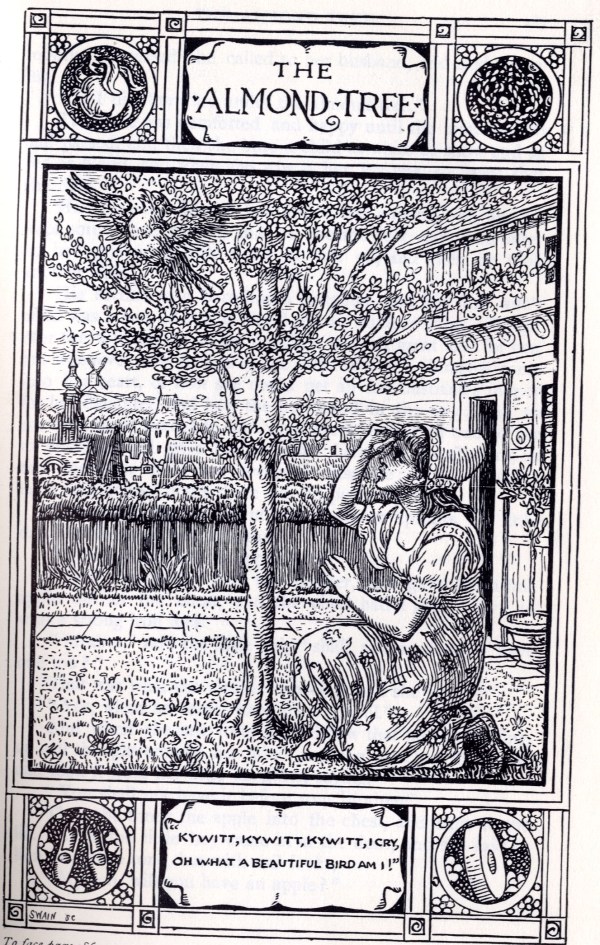
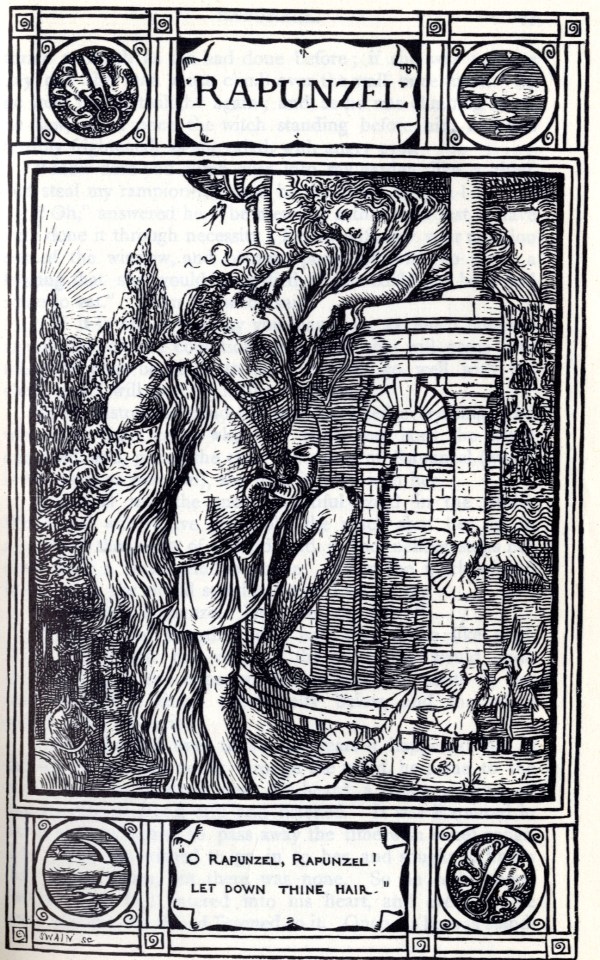
Images from Household Stories by the Brothers Grimm; Jacob and Wilhelm Grimm ; translated by Lucy Crane and illustrated by Walter Crane.

The Gift … a small stone.
I received a notebook for Christmas I was in no doubt how I was going to use it!

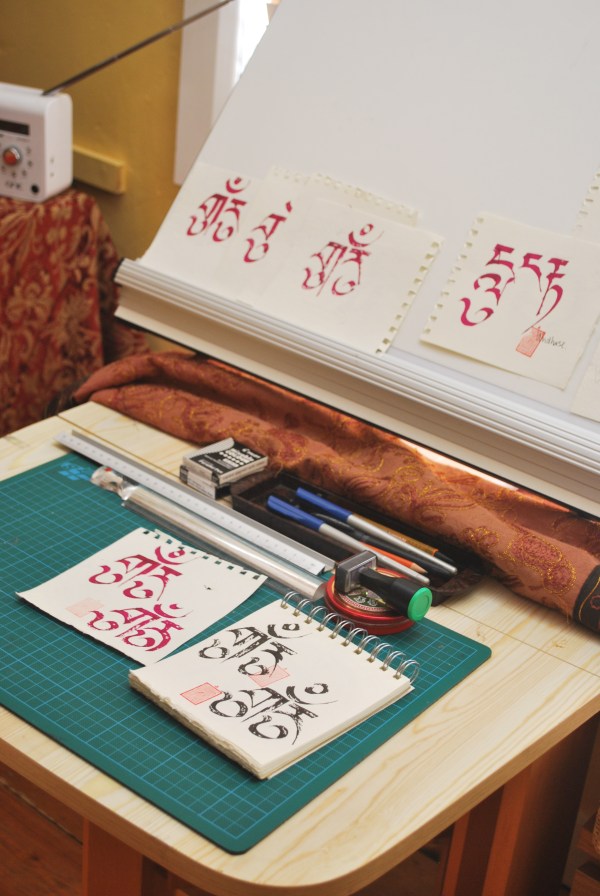
Sheets of fine dove white paper folded, hand stitched. Bound with pink illustrated boards tied with cream linen tape. A writer, artist and print-maker was born . A small stone, illustrated with an image using a print cut from an Indian rubber eraser. Robust, clumsy with tender flourishes. Slither of my soul etched onto each page. Masterpiece of joy; not bound for social media; a gift, from me to me.


Wednesday’s Wise Woman … Irena Sendler
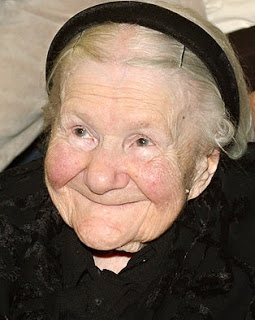
Irena Sendler born Krzyzanowska (1910- 2008) in Poland who was a social worker who served in the Polish Underground during World War II. She was responsible for the placement children in Zegota an underground resistance organisation in German occupied Warsaw. Sendler, with a team of twenty Zegota members smuggled 2,500 children from the Warsaw Ghetto giving them a new identity and homes outside the ghetto and allowing them to escape the Holocaust.
During the German occupation of Poland, Sendler lived in Warsaw. In 1939 when the Germans invaded, she began aiding Jews even before joining Zegota. With their support she was able to provide the false documents. However it was very dangerous situation, those found hiding Jews risked death.
Sendler was a valued member of the team as she was an employee of the Social Welfare Department with a special permit to enter the Warsaw Ghetto to check of signs of typhus. The Nazis were afraid that it might spread beyond the ghetto.
As a sign of solidarity with the Jewish people Irena wore a Star of David.
Sendler was able to cooperate with members of the Social Services and a Polish relief organisation that was tolerated under strict Nazi supervision. It was under the guise of the typhus prevention and the inspection of sanitary conditions that Sendler and her colleagues were able smuggle out children and babies sometimes disguising them as packages in ambulances and trams. There still remains an old courthouse that was at the edge of the Warsaw Ghetto and was one of the routes taken by the ‘smugglers.’
The children were not only placed with Polish families but also in a Catholic orphanage run by a convent of nuns. Some were smuggled to priests in parish rectories. Sendler worked with social worker and nun Matyida Getter and rescued 2500 vulnerable Jewish children.
Sendler was careful, although the children were given new identities and homes their original names were diligently recorded and stored in jars so that when war was over they would be returned to Jewish relatives.
When the Nazis uncovered her activities she was tortured and sentenced to death, however she managed to evade execution and she survived the war
In 1965 Sendler was recognised by the State of Israel as Righteous among the Nations. Later she awarded Poland’s highest honour for her wartime humanitarian efforts; she was also nominated for the Nobel Peace Prize in 2007 sadly she didn’t win.
I had not heard of Irena Sendler until I read about a play called Life in a Jar produced in 1999 by students who had researched Sendler’s life story. It has been also adapted for television as The courageous heart of Irena Sendler
100 Word Challenge – Week#71 … as midnight strikes …

A new tradition not so accessible for me sadly
We prefer not to become embroiled in the commercial hype or the stagnant traditions of Christmas and the New Year. Instead we regularly adapt and change our own rituals and customs as necessary; still with plenty of fun and bonhomie. New Years Eve is usually a family party with one eye on Jools Holland’s hootenanny into the early hours. I can remember when New Years Day was not a national holiday and how difficult it was for us all to get up the next day to go to work. So even now as midnight strikes I thank goodness for a day off.

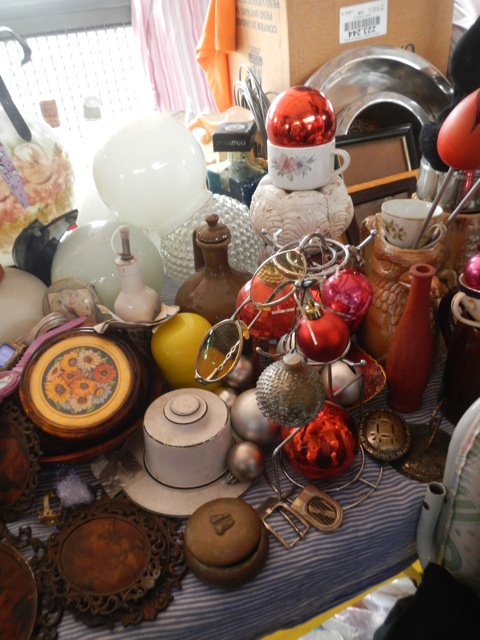
The Parcel.
Today I begin a Writing our way home ; mindful writing booster course. It is suggested that we write a small stone each day for a month. I have been looking forward to doing this for a week or two it will be a real boost after the Christmas and New Year celebrations when there is a lull the proceedings.
I did not expect this holiday to be the best yet, as it was our first Christmas without our youngest daughter since she had begun her new life in Brazil two years ago.
We have never been great ‘celebrators’ of Christmas and New year; in fact we usually go away and allow the hullabaloo to pass us by.
So in some respects it was business as usual; we made the dutiful family visits and planned a peaceful holiday with a lunch/brunch with the Brazilian contingent via Skype on the 25th.
It seemed to go according to plan except for a dirty great cloud that has not yet on New Years Day passed.
Early in December I parceled up my daughter’s gifts and posted them in time to arrive ready for Christmas; I do enjoy this part of the occasion. Unfortunately this didn’t happen; as the delivery time has long been exceeded I have become more and more disheartened. The mood has not lifted, each time I check the tracking and see it ‘Held’ in Sao Paulo so the anguish increases. During this time my daughter has remained patient; the present giving in Brazil is not such a ‘big thing’
Meanwhile, I weep and wonder why a grown woman who has had more disappointments in her sixty two years than she could ‘throw a stick at’ should allow such a thing to dampen the festivities albeit ‘low key’
I am hoping this method of mindful writing will address this stony heart.
a small stone
In a box each gift thoughtfully chosen; almost pocket sized. Delicately wrapped tissue of a pastel shade with a twist of satin ribbon. Name and kindly greeting. Expecting the parcel to be scrutinised at border control a silent prayer of protection and safe arrival. If not soon certainly by the 25th was the mother’s only wish.
Weekly Photo Challenge 2012 -2013
When I thought about this prompt I was pretty much as usual overwhelmed. Especially when I realised the technical implications; immediately I penned a message to my technical guru while he was many hours ahead with other things on his mind in India.
It seems my life from this moment is complex and not easily put into a series of pictures snatched from a years worth of posts on my blog. It is a monstrous tangle of ups and downs, in and outs, overs and unders and happy and sad.
Then I look again; penned another email to the said Guru while still he languished oblivious to my tangles and since untangles.
It really isn’t that complicated; I am tiny thread of life weaving around experiences doing what I can or need. Whether is in my home, garden, Brazil, with my grandchildren, partner or of course my children who remain kindly non plussed as I meander along twisting and untwisting. I find myself in and out of information and experiences, grabbing and letting go on my way.
So this year has been a microsim and action movie that belies the anxiety that had begun to suffocate and rot my soul as I turned in my 62nd year, I honour 2012 and applaud 2013

Practice with new tripod

Lake at Whiteknights University of Reading






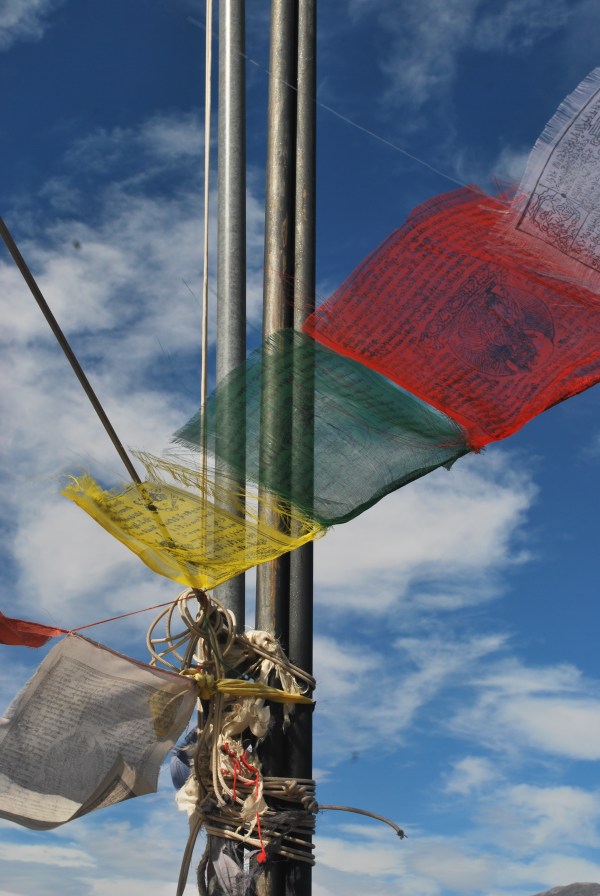

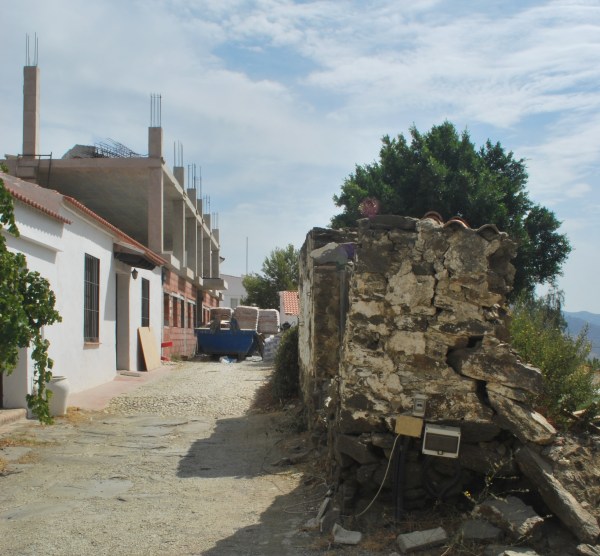

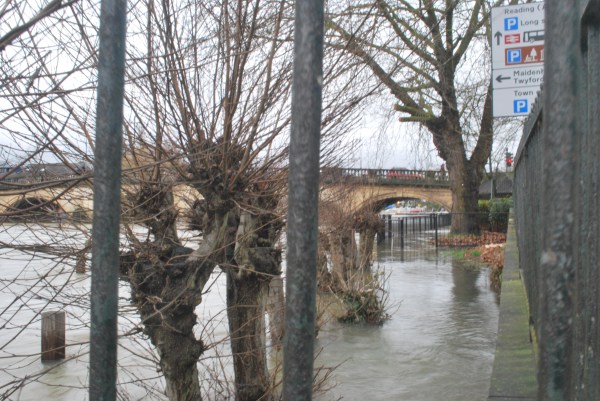

Last Week I learned a little about Mary Anne Sloane
Earlier this year while visiting the William Morris Museum, by the Thames at Hammersmith we came across a little community that warranted further visits at some time. This holiday at home seemed to be the ideal time.
Hammersmith, is near enough to London to retain its city feel but only 45 minutes drive away and free parking. Thus making it a desirable ‘outing’ without the added costs and inconvenience of trains and limited and expensive parking costs.
Also, being beside the tidal Thames there is the nice feeling of sea air and a holiday feel of the walkers, bikers and runners along the ‘promenade’ or better known Thames Path.
The weather was not kind, so we walked only a little downstream beyond the Hammersmith Bridge and back to the Dove for a nice lunch. With hindsight this was a good move as it is a very popular public house and was soon packed to the gunnels. I have since learned that it is very popular viewpoint for the Oxford and Cambridge Boat Race. So after enjoying a very nice leisurely lunch out of the wind and rain, we ventured back up river to the William Morris Museum. Where there was a little exhibition of the work of Mary Anne Sloane (d 1961) who was born in Leicester, a painter and printmaker trained in etching and engraving by Sir Hubert von Herkomer at the Art School of Bushey in Hertfordshire. Mary moved from her home in Leicester to London where she became friends with Frank Short and Constance Mary Pott at the Royal College of Art.
Mary lived in Hammersmith Terrace and was a close friend of William Morris’s daughter May and was a regular visitor to their home. So with the support of William Morris and Phillip Webb and her exceptional education in the arts she laid the foundation for a ‘groundbreaking career in the creative world’ demonstrating how her work broke the gender roles undertaken by women at that time.
It was a very small exhibition at the William Morris Museum; but it does illustrate Mary Anne Sloane’s interest in the traditional craft of weaving practiced in her hometown of Enderby. I still know little of Mary but will look more closely at her collection in the VA later this year.
Meanwhile back on the path up stream we aimed for the Barnes Bridge; but sadly the rain and cold wind beat us.
We will return as it would seem that this little area on the Thames was the home of other artists, writers, binders, publishers and reformers,
Preparing for Silent Sunday …
Each weekend my ‘long suffering’ husband and I discuss the ‘plan’ which always includes
1 Salvaging the home from the ravages of the previous week
2 Preparing for the following week
3 Any treat we can fit in
and 4 most important finding and photographing an image for Silent Sunday; which in my opinion must be of the moment and seasonal … I have a silent disapproval of those who produce a snap from last summer!
So you can imagine for the last few weeks here in South of England and particularly southwest the weather has been grey and wet and not conducive to a would be photographer who has not completely mastered the finer details of an SLR or Photoshop.
So while it was important to record the abysmal weather I did find a little ray of sunlight and a gem …

A wind swept seed finding itself a sunny spot,
inches away from the encouraging flooding Thames.
Will flourish indefinitely
whatever the weather !
Silent Sunday

Saturday thought … while we are poles apart the sun shines on us both!
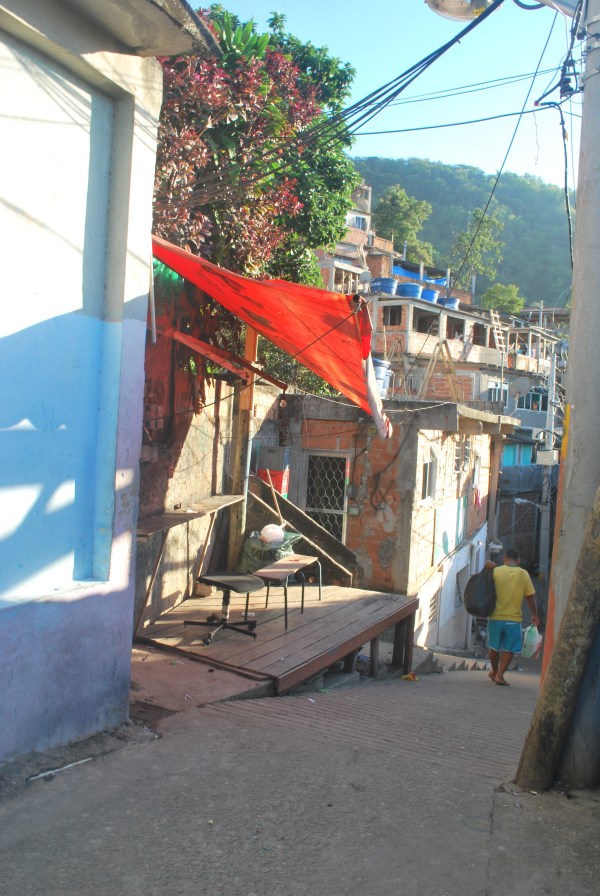
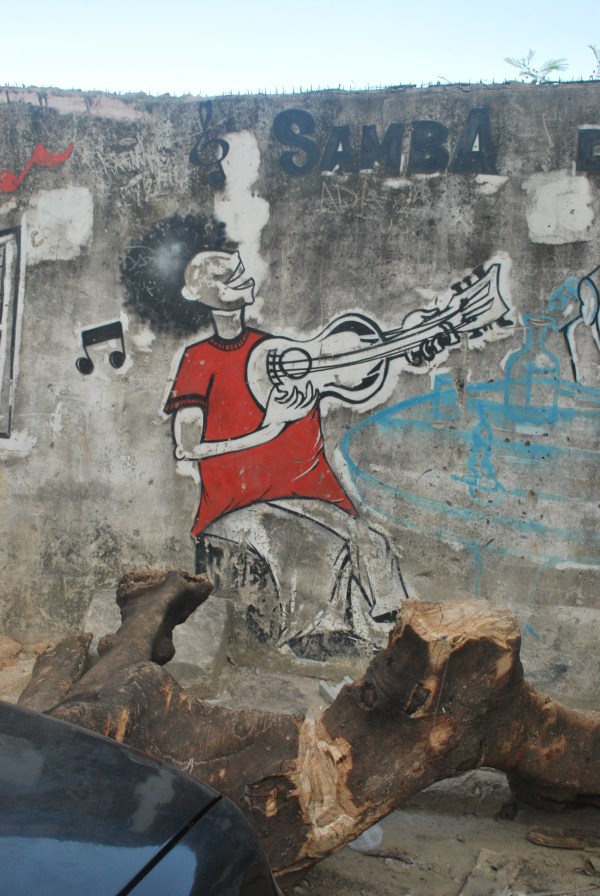
Although the climatic conditions in Brazil and United Kingdom are ‘poles apart’ and I have spoken this week of these extraordinary extremes. While my daughter goes to great lengths to keep out the sun’s harmful rays in Rio; we fear the Thames breaking her banks and the devastation that might might cause to our friends and neighbours.
However, it never ceases to amaze me when I consider the sun so cruelly hidden by heavy storm clouds here is the northern hemisphere; shines down on my daughter two hours later … at a time when Brazil seems so far away this is very comforting. Until the clocks change again in the spring when we become 5 hours apart.

 Coat Hanger Doll's House