Silent Sunday
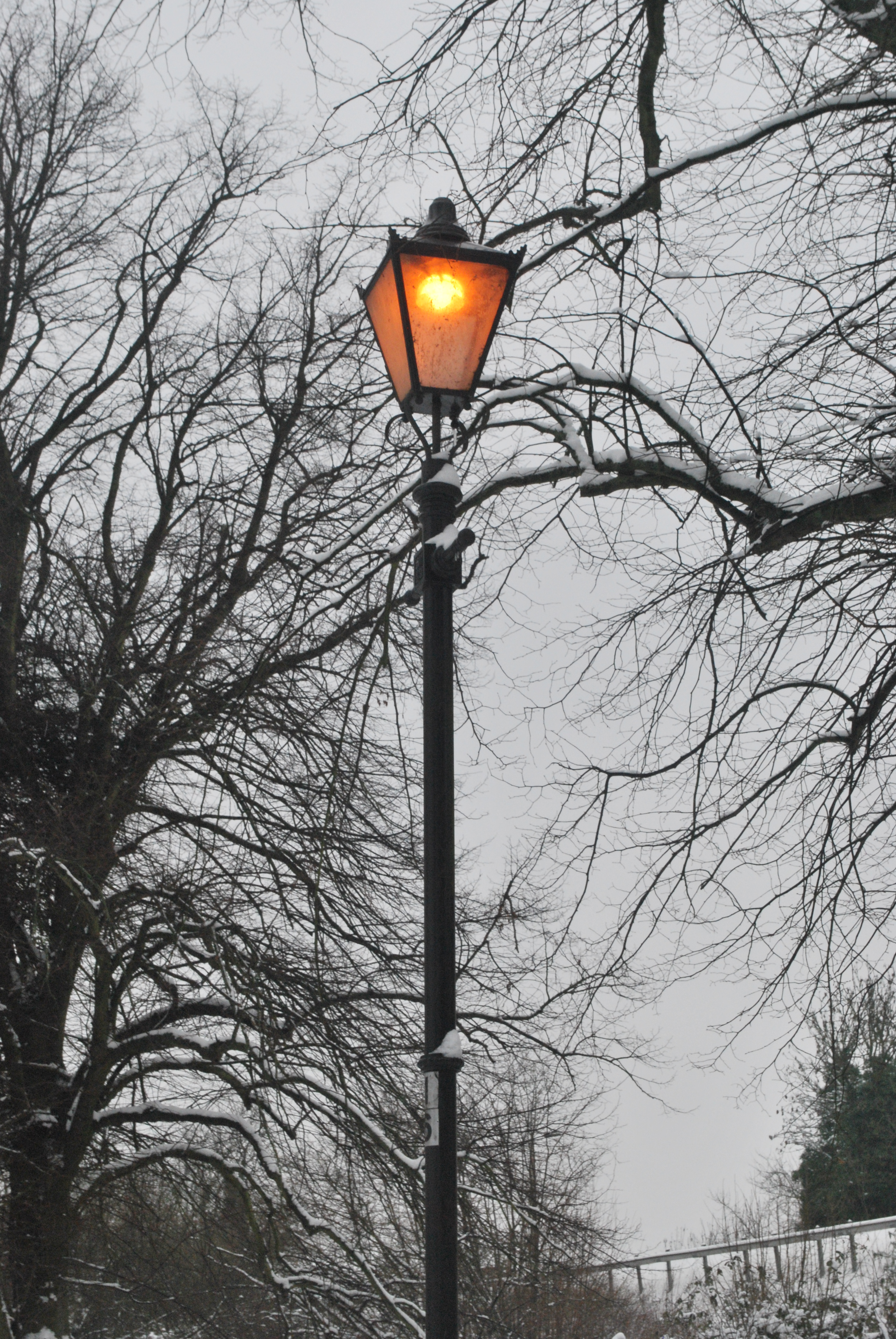

Saturday … Snow and Winter!
Today is Saturday when I usually pray, supplicate or eulogise off the cuff. It is the day I never ‘prepare’ for in more ways than one, but particularly not my daily post. I have been posting daily for several months and dare I say it; has become a ceremonious routine along with the other daily tasks like emptying the coffee pot, to publish at 5am. The post has been unceremoniously drafted the night before, the images have been snapped, scanned or dragged from some dubious place also during the day before. So each morning with a thank you to the angels in cyberspace, I post. Then I begin the routine again on Sunday evening with ‘Monday; OMG ‘What DID I learn last week?’
So it is with a cup of tea on Saturday morning and the weekend feel I rely on a poem, picture or a prayer that next week will be OK
After all it is just a blog; it is not my life or anything … is it?
So here I am at 5.54am and there is no post and no idea.
It is the snow! Why does everything grind to a halt when in the UK we have a slight deviation in the weather?
It not for me just the snow, it is more winter in general I began this ‘routine’ last year in the spring. The days were long, and light was kind, I had endless opportunities to find images and potential works of art in nature to illustrate a poem or not for Silent Sunday. Unfortunately my photographic and technical skills are not compliant, even if there was an image to portray. It is now 6.30 and the darkness still looms … there is no other choice I will go back to bed and leave you and a picture of Rio and double Rainbow … Taken yesterday by my dear son-in-law! while in Brazil they were having heavy rain … and of course some sun!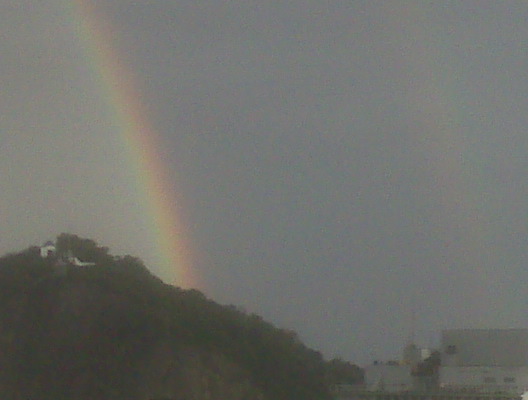
Forgot to say I am not counting the days yet (really) but I am going to Rio in March!
Friday’s library snapshot … Aubrey Beardsley
Aubrey Beardsley (1872-1898) as a student of music and literature at Brighton Grammar school he also had a talent for drawing. However, it was not until he met Edward Burne Jones in 1892 and attended evening classes at the Westminster School of Art that he was considered an artist. During this time he was working as a clerk and suffering from the after effects of tuberculosis. While he enjoyed good health he was able to develop his artistic skills and make good connections in the art and literature world. So he was soon able to give up his clerical position and establish himself as a major Modern artist.
He began by illustrating the new edition of Malory’s Le Morte Darthur and then the volume series of Bon Mots.
In 1893 he illustrated Salome, the Symbolist play by Oscar Wilde, the result was greeted with much attention and controversy. In the minds of the public, the illustrator and author became linked. So when Oscar was found guilty and imprisoned for committing indecent acts, Beardsley was considered guilty by association.
As a result he was dismissed from his recent commission the Yellow Book. However it was not long before he had set up a rival periodical the Savoy with the help from the decadent poet Arthur Symons and pornographic publisher Leonard Smithers. This relationship was instrumental in the publication of the Rape of the lock by Alexander Pope and Lysistrata by Aristophanes in 1896.
His health began to deteriorate and in an attempt to regain his strength, he sought spiritual solace and converted to Catholicism and spent time the warmer climes of Europe where he died aged 25.

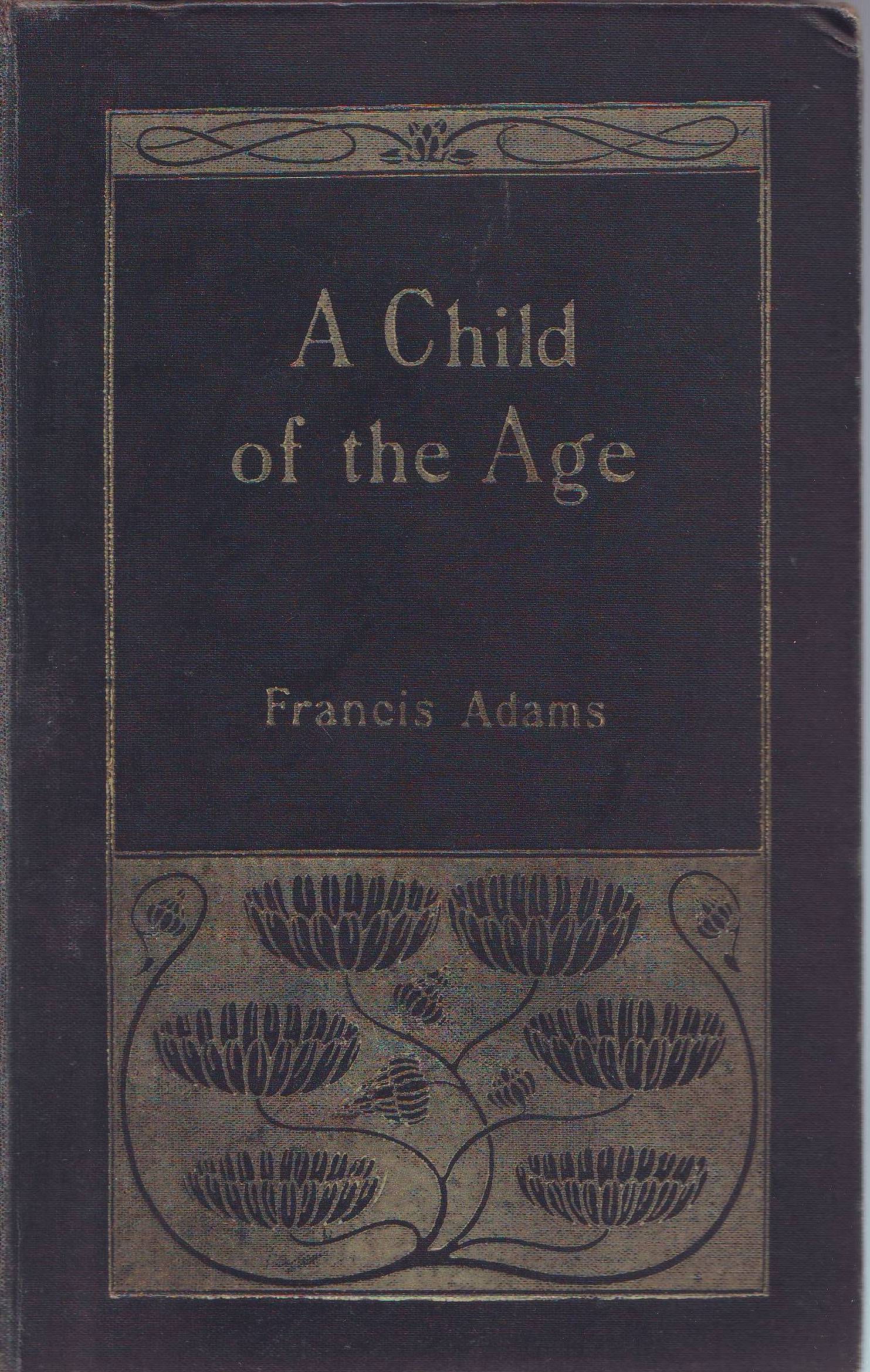
Book binding by Aubrey Beardsley
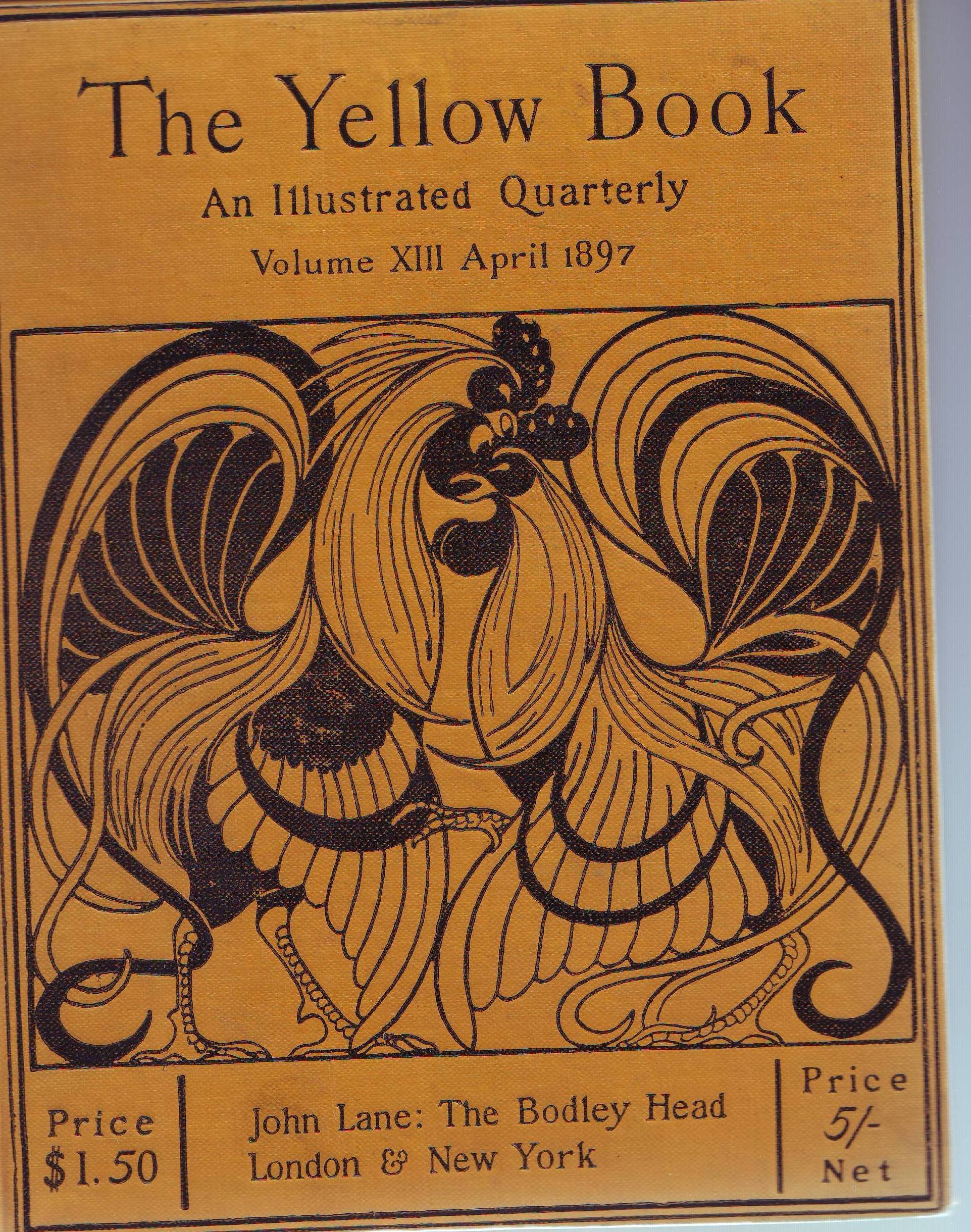
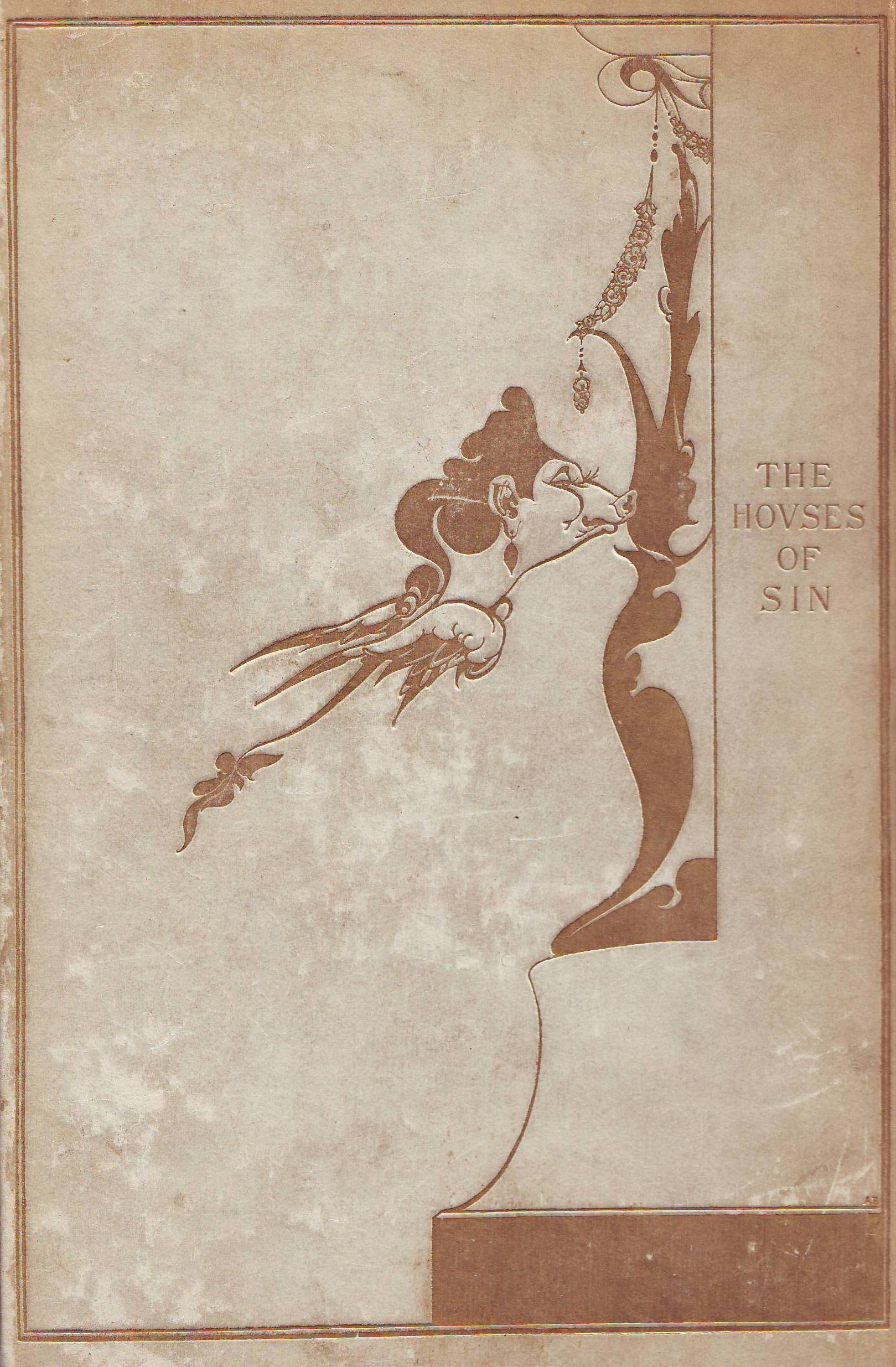
Book cover by Aubrey Beardsley
Alphabethursday I is for Ink
For my previous ‘I’ for Alphabethursday I wrote about my collection of ink wells so I thought would keep to the trend and research ink. Many books have been written on the history and art of printing yet little has said on the subject of ink; however for my humble blog there is more than enough.
Also, I realise that the ink discussed below bears no resemblance to the ink I would find in a pot.
A celebrated Chinese calligrapher said in 4th century AD that ‘Paper represents the troops arrayed for battle; the writing-brush, sword and shield; ink represents the soldier’s armour ; the ink-stone, city’s wall and a moat … in so saying the mental attitude of the Chinese towards the arsenal of learned is well crystallized : paper, brush, ink and ink-slab are the four great emblems of scholarship and culture.
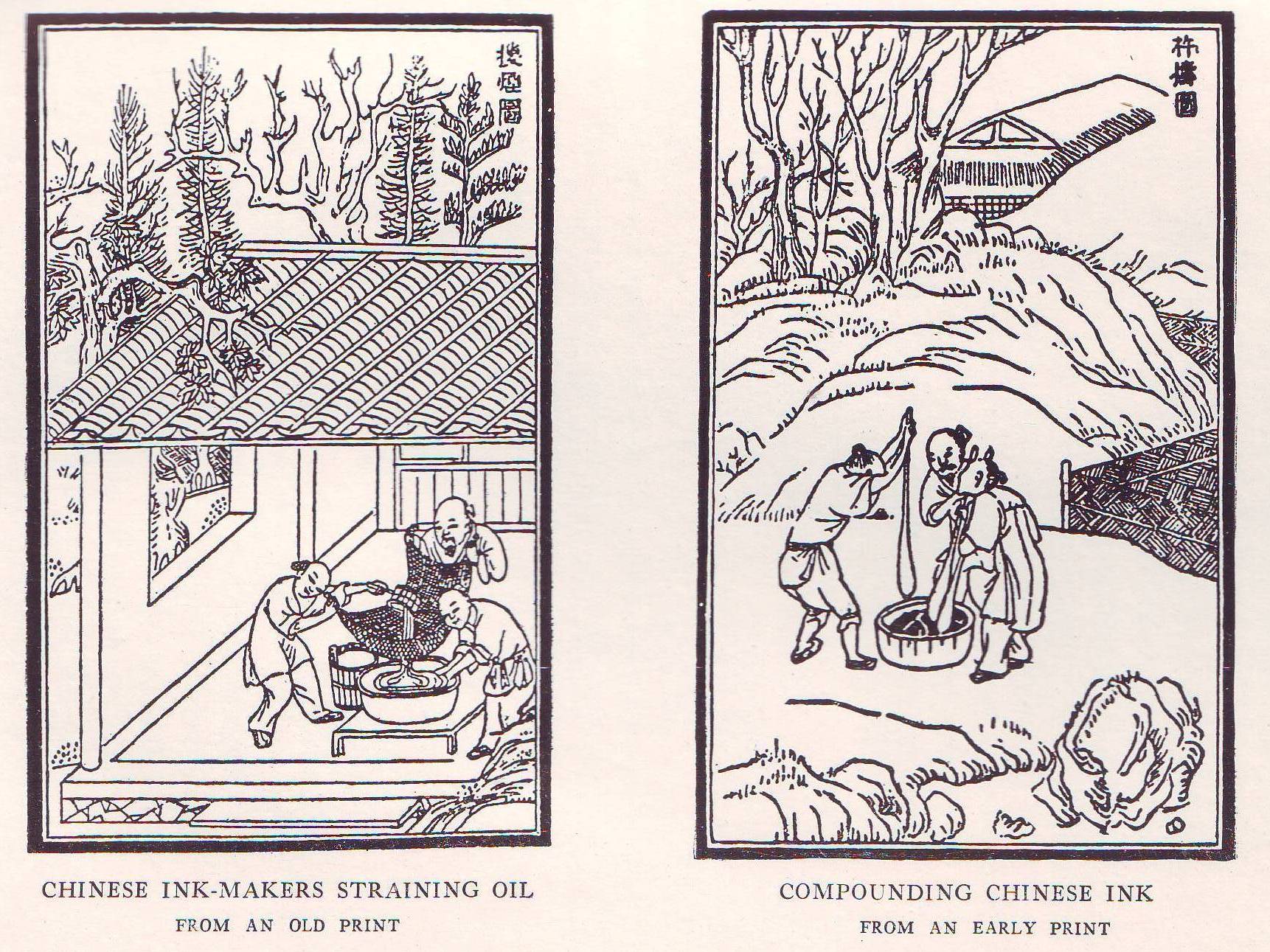
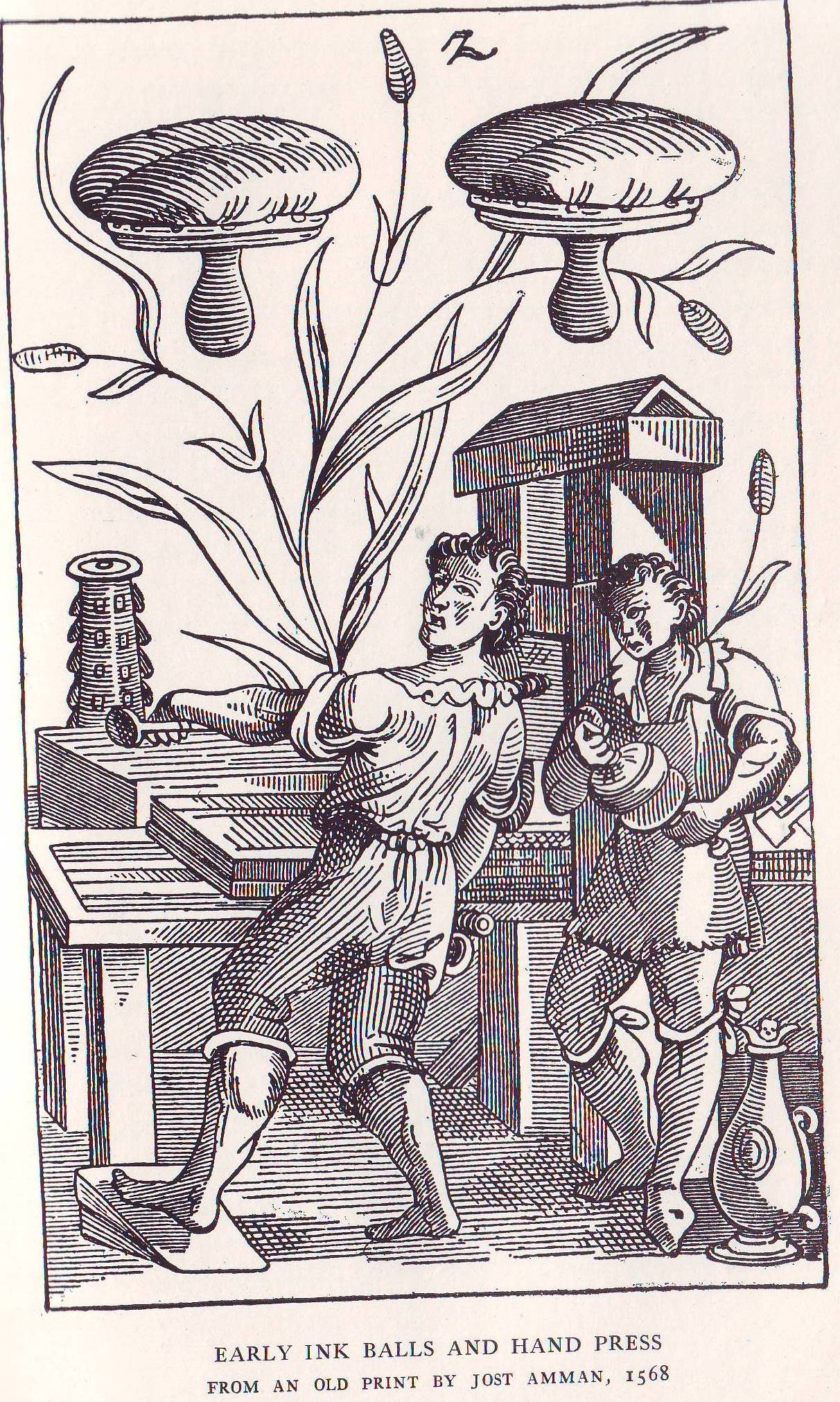
Records show that the earliest typographic printers made their own inks usually furnished with their own ingredients. There are many romantic historical notes on the subject of early ink manufacture.
When ready to make a new batch of ink for the season, the master printer with his and apprentices, with their families and friends would take a holiday. A fire would be built, over which would be hung a huge iron pot for boiling the linseed oil. The merry makers would feast on meat and bread that had been roasted or fried in the hot linseed oil.

Ink balls were made with wooden handle and a sheepskin bag filled with horsehair and used in pairs. The inker would ‘mill’ the ink between the balls and then apply the ink to the type before printing. This method was used soon after the invention of the press and for the follow 340 years
For further reading Printing ink by Frank B. Wiborg

Wednesday’s Wise Women and Meinrad Craighead
On Saturday afternoon I attended an art class at a local school. Once a month a group of printmakers take over the art department with an experienced facilitator. Each person brings a work in progress or a plan to start something new and makes use of the teacher and equipment for a small charge.
I took along my little collection of tools and a stash of inspiring pictures; thinking I would select one to replicate.
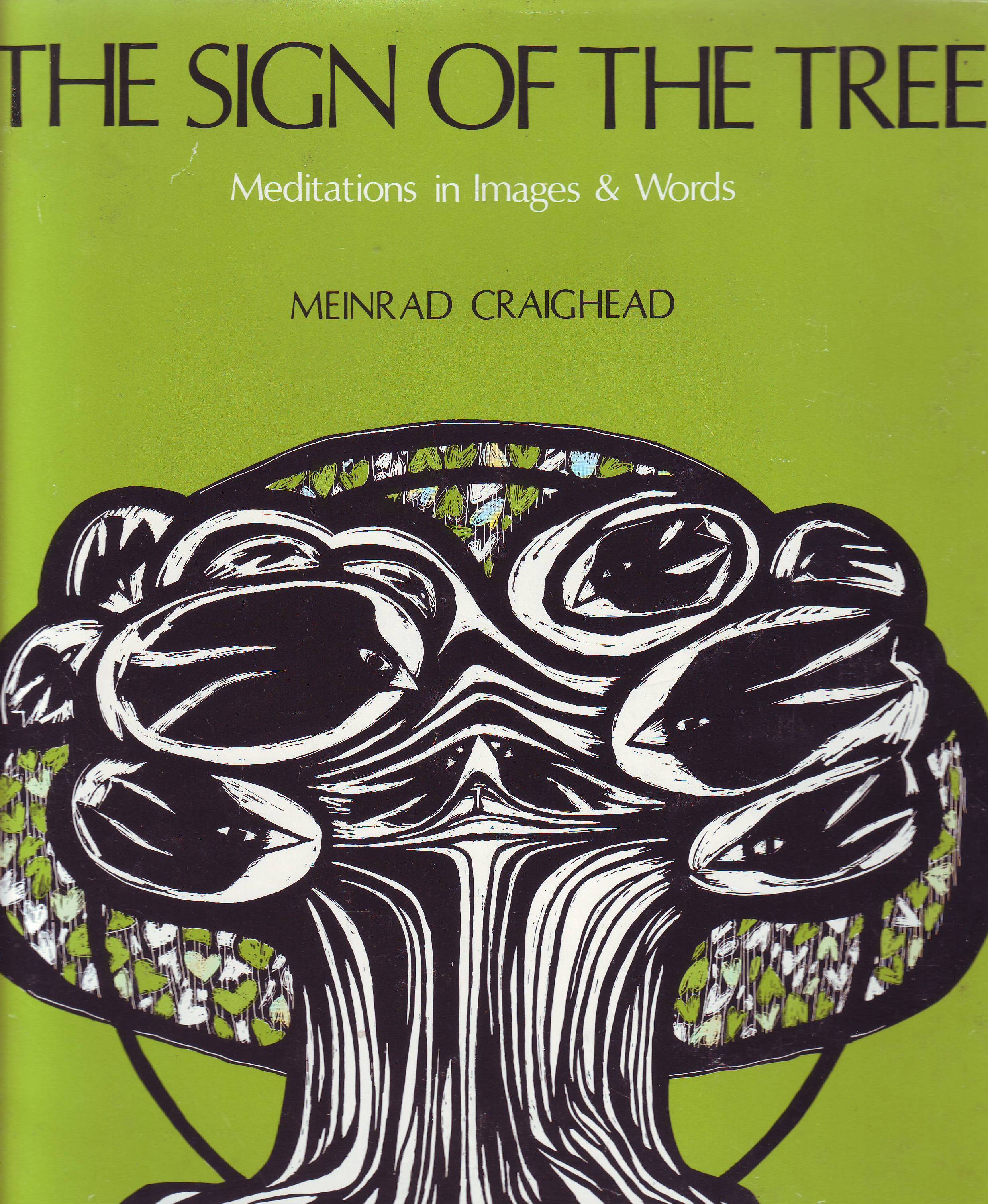
I wandered among the other ‘pupils’ and was suitably impressed by the works of art that were unfolding. I was also interested in their motivating images. One lady had a meaty tome by Meinrad Craighead called the Sign of the tree. The book, I am advised came out of meditation and in turn a focus on which to meditate. For Meinrad, the tree is an ‘archetypal symbol, which she uses to to express the intensity and the wonder of the contemplative experience.
Meinrad Craighead was born 1936 in Arkansas. She studied at the Academy of Fine Arts in Vienna and the Universities of Iowa and Wisconsin, then lectured in art at the University of Albuquerque in New Mexico; where she fell in love with the sparse landscape and the ancient Native American culture. In 1962, she went Florence where she taught art and art history. Since 1960 her graphic work has been exhibited and many of her woodcuts are part of permanent collections in the United States and Europe. She received major awards in graphic arts including in 1965, a Fulbright Award in printmaking which took her to Barcelona for a year.
In 1966, she entered Stanbrook Abbey, a Benedictine monastery in Worcester, England, where nuns lead a life of contemplation, celebrate the liturgy, farm their land, tend the orchards and work in a variety of ways to make the community of sixty women as self-supporting as possible.The Rule of St Benedict welcomed and encouraged monastic craftsmanship. Stanbrook Abbey was renown for its fine printing business for many years Meinrad’s art illustrated their publications.
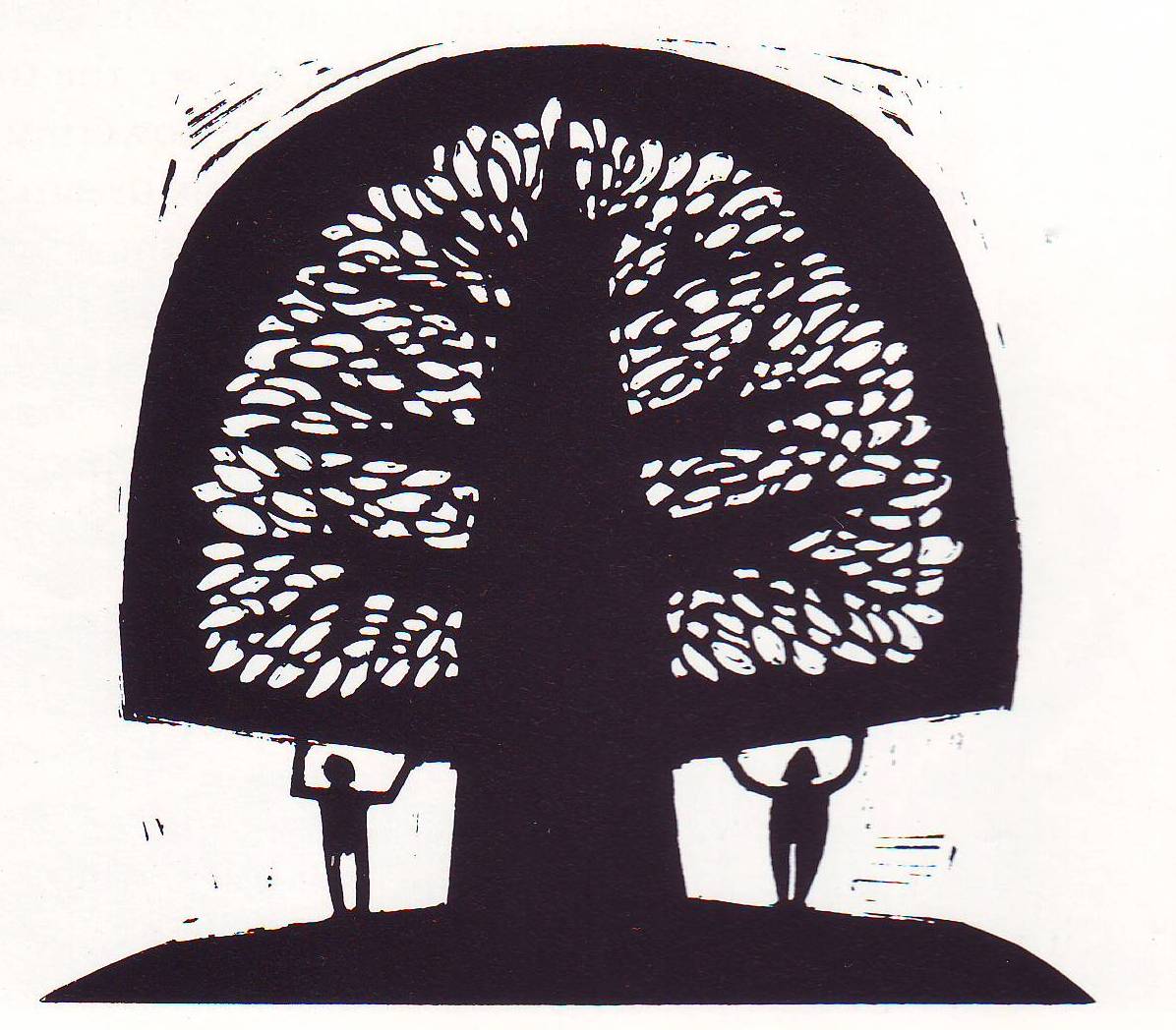
She was particularly interested in images of the feminine divine.
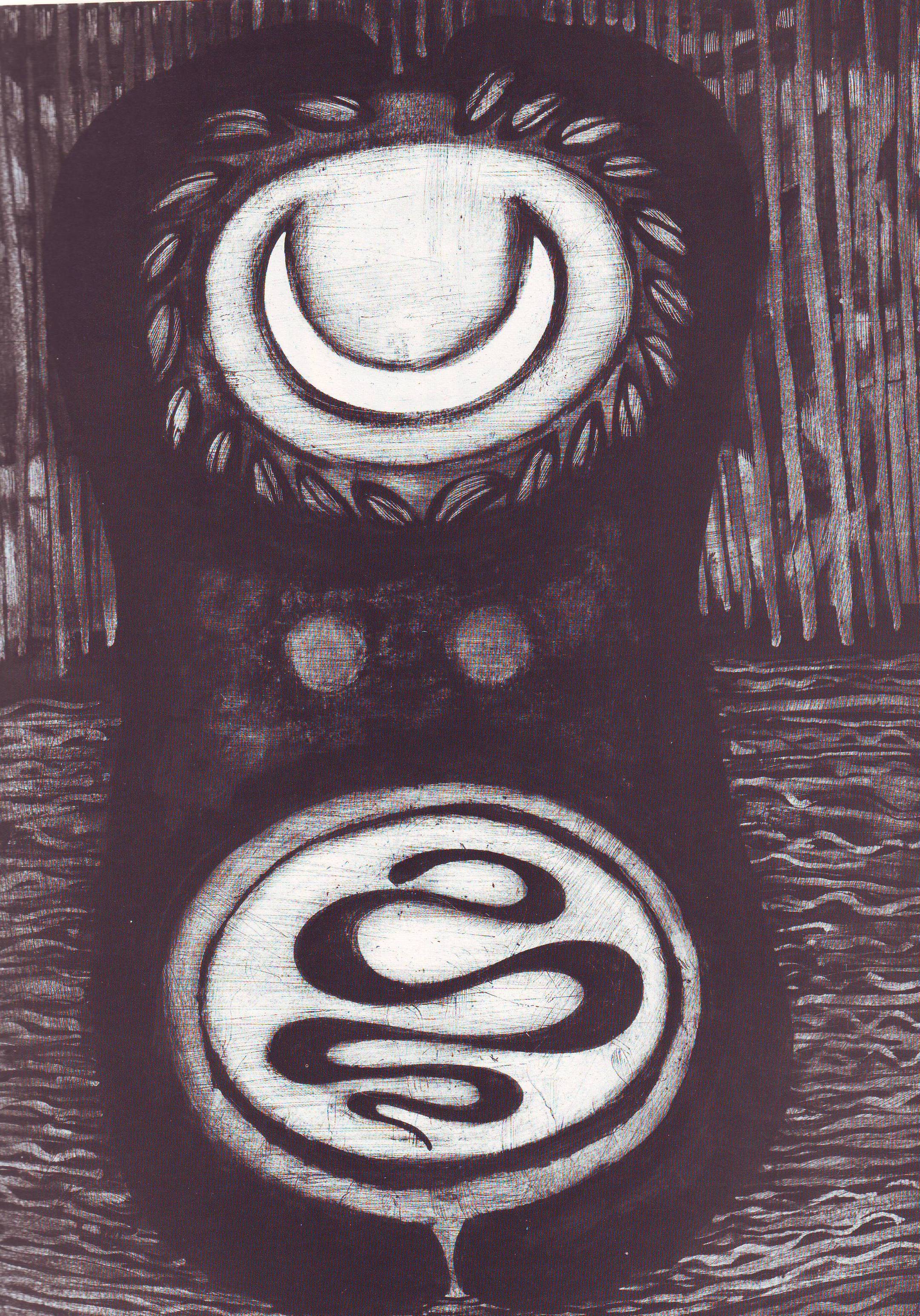
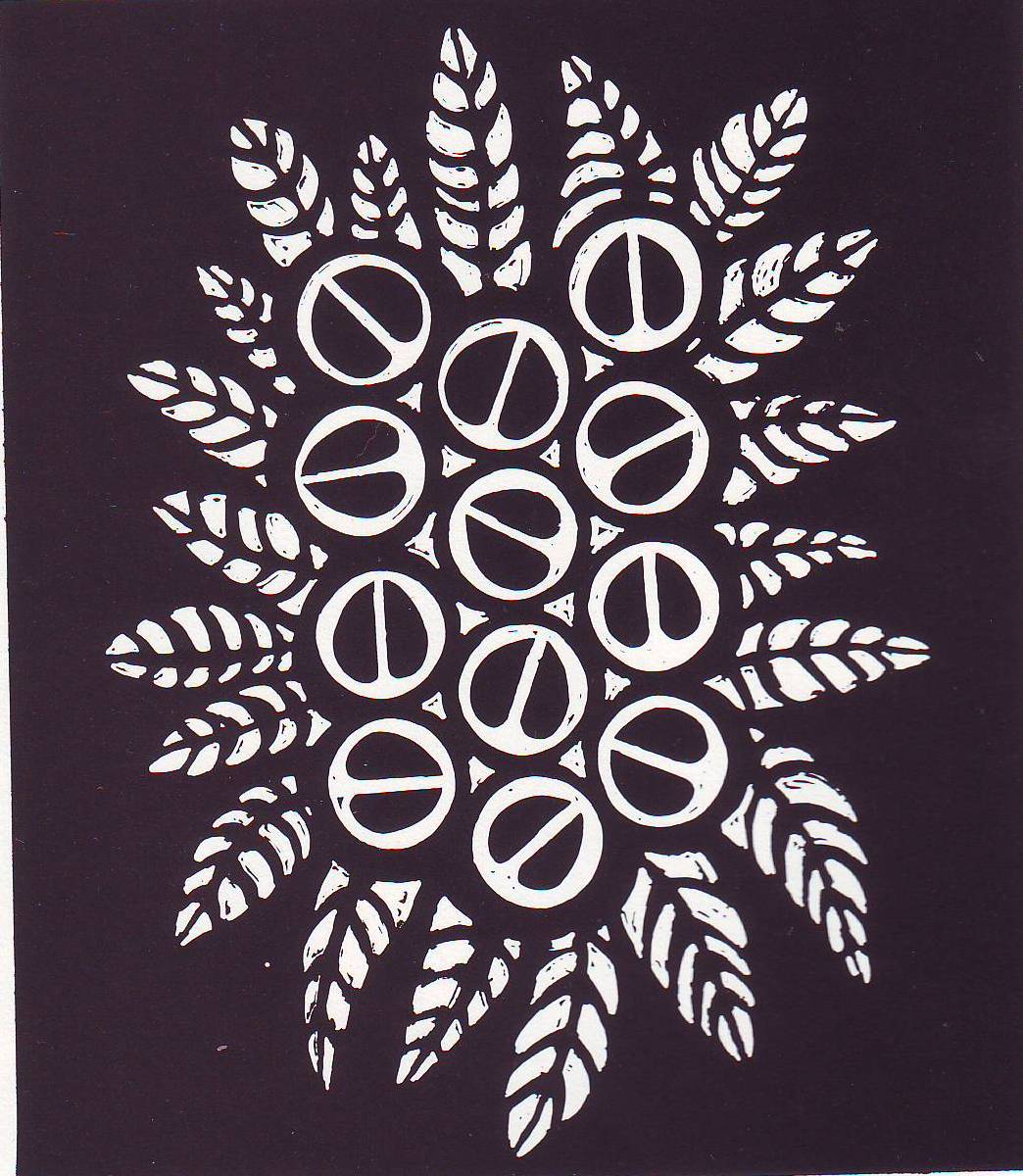
Leaving the monastery after 14 years Meinrad returned to Mexico where she still lives with her beloved dogs. By the Rio Grande she paints her dreams and beliefs in a blend feminist, Native American and the archetypes of the Great Mother into images that have clearly gone on to inspire other women print-makers.
100 Word Challenge for Grown Ups – Week#73
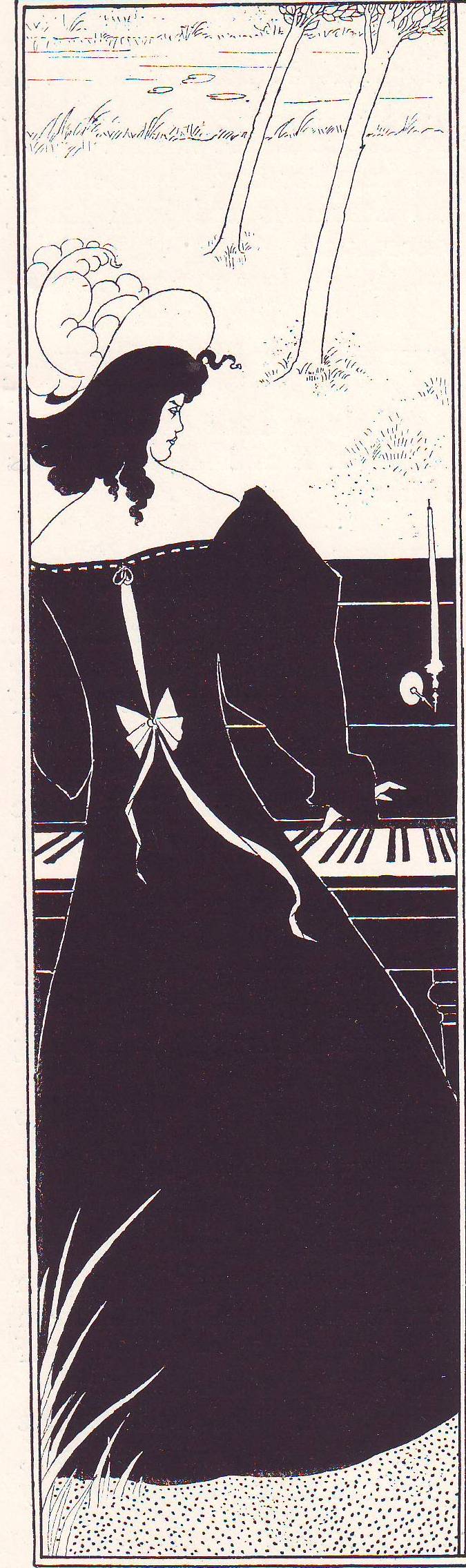
The notes from the piano hung on the summer’s evening air. Mother walked barefoot across the newly mown lawn in time to the melodious tune; that wafted from inside the the french windows where the breeze gently lifted the lace curtains. The cat turned from gazing at the crickets as they sung in the shade of the laden apple tree and yawned.
Its a shame the reality didn’t match the dream. The woman turned from drawing the shabby old curtains, to put some more wood on the fire. The girl tearfully at the piano struggled to find middle C and begin the scale for the umpteenth time.

Weekly Photo Challenge …Illumination
These ‘lights’ never fail to delight me especially when I consider that the light required for such intricate work was limited only to daylight as any other form of lighting such as candles would have be considered unsafe for their valuable work and forbidden.
This illumination is from the Book of Hours.Like many medieval manuscripts it has richly illuminated borders and miniatures. From the late antiquity it became to be the practice to enlarge the the first letter and filling in with colour. The earlier Irish manuscripts at the beginning of the 7th century show text divided into sections each marked with big pen work initial ornamented with interlaced patterns and simple animal forms. For the next eight hundred years even the humblest text manuscripts usually opened with an enlarged initial on the first page and indicated chapters in the text with slightly smaller capitals. Medieval books have no title pages; the opening initial or illumination introduced or announced the beginning of the work.

For further reading Medieval craftsmen ; scribes and illumination by Christopher de Hamel

Last week I learned that …
Life is a journey and you never know who or what is round the corner …
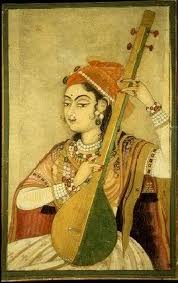
Some months ago I received an email from a reader, who was interested in my early postings about my family history; he claimed that he knew of my family and their whereabouts over 50 years ago. He hoped I would get in touch to confirm his findings. I did eventually reply to his email and since then we have been communicating like old friends about the ‘old days’. Although we did live in adjoining lanes; I, on a houseboat by the river and he, a mile or so away in the village. We are, give or take a month or two the same age but our paths until now never crossed; even though it would seem that for almost twenty years we mixed with the same group of friends and acquaintances.
It was good to share experiences from all those years ago and I am sure we will carry on chatting for some time to come.
However, I learned that ‘my friend’ had a distant relation who might interest me and my passion for dead languages and particularly Sanskrit. His Great Great Great Uncle Henry Thomas Colebrooke (1765-1837) was an English Orientalist and a Sanskrit scholar.
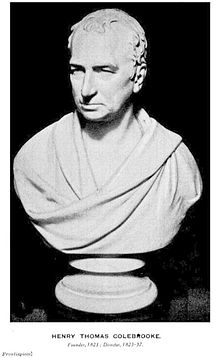
While researching him I discovered he had translated a work by the Indian Mathematician Bhaskara II also known as Bhaskarachaya (Bhaskara the teacher) (1114-1185) His works represents a significant contribution to mathematical and astronomical knowledge in the 12th century. Also Bhaskara’s work on calculus predates Newton and Leibniz by 500 years. His book on arithmetic was written for his daughter Lilavati (meaning the one possessing beauty in Sanskrit) After studying his daughter’s horoscope, Baskara learned that she would not marry and remain childless unless she married at a certain time. To avoid this fate he invented an ‘alarm clock’; a complicated device with a cup and a container of water ensuring the girl would be married at the auspicious hour.He warned Lilavati not to go near; intrigued by the contraption Lilavati had a look, a pearl from her wedding gown dropped in, upsetting the mechanism. The moment passed and the wedding did not take place. Devastated by the tragic turn of events her father promised to write a book in her name that would remain until the end of time; ‘akin to a second life’
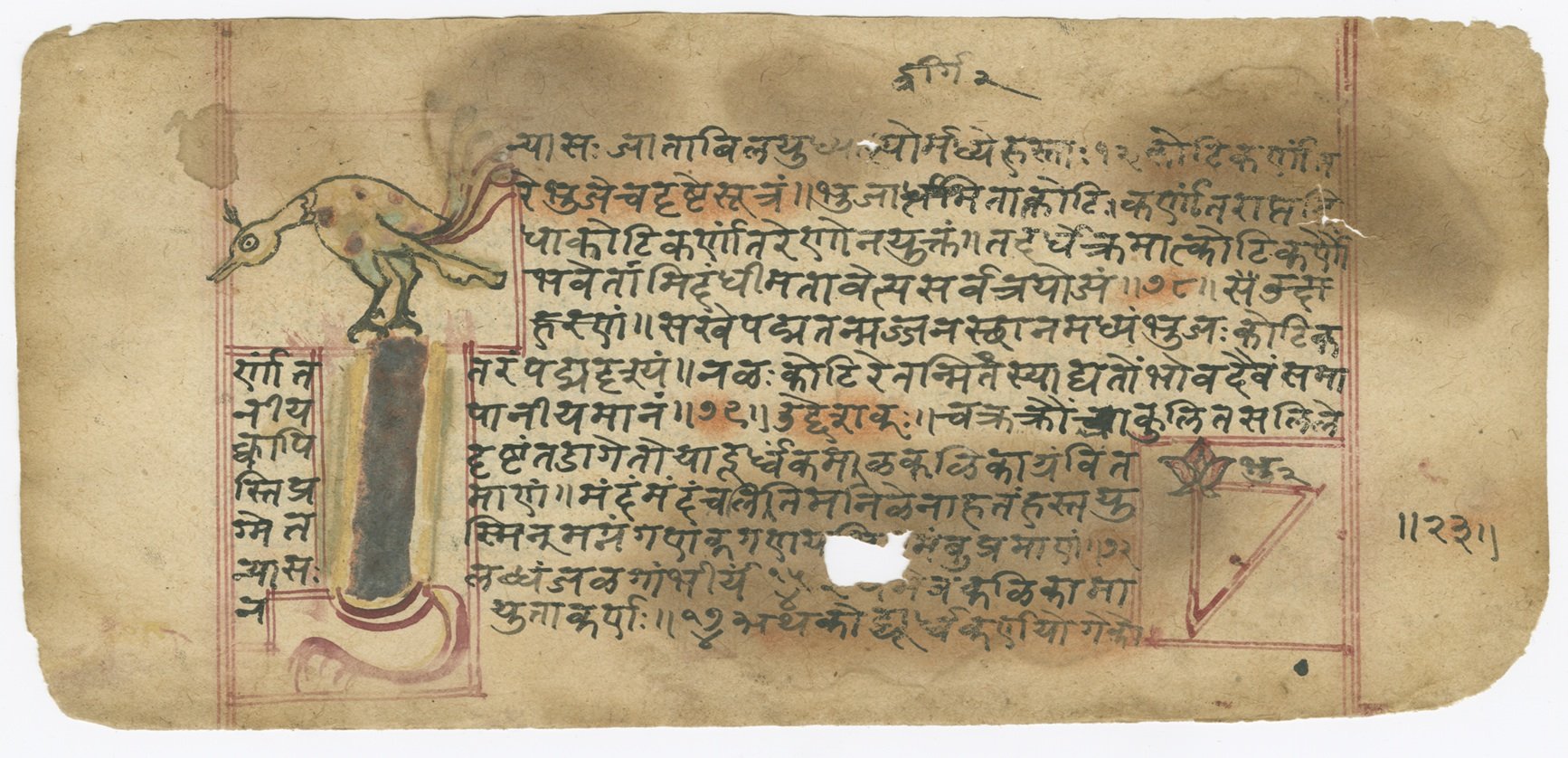
It would seem many of the problems in the book were addressed to Lilavati; ‘the intelligent one. To make the treatise understandable to a common man Baskara uses evey day items such as Kings and elephants to explain multiplications, squares and progression.
For example translated by Colebrooke and additional problem
Whilst making love a necklace broke.
A row of pearls mislaid.
One sixth fell to the floor.
One fifth upon the bed.
The young woman saved one third of them.
One tenth were caught by her lover.
If six pearls remained upon the string
How many pearls were there altogether?
This is a lovely story that would have escaped me if not responded to the email or indeed begun this wondrous journey.
Silent Sunday
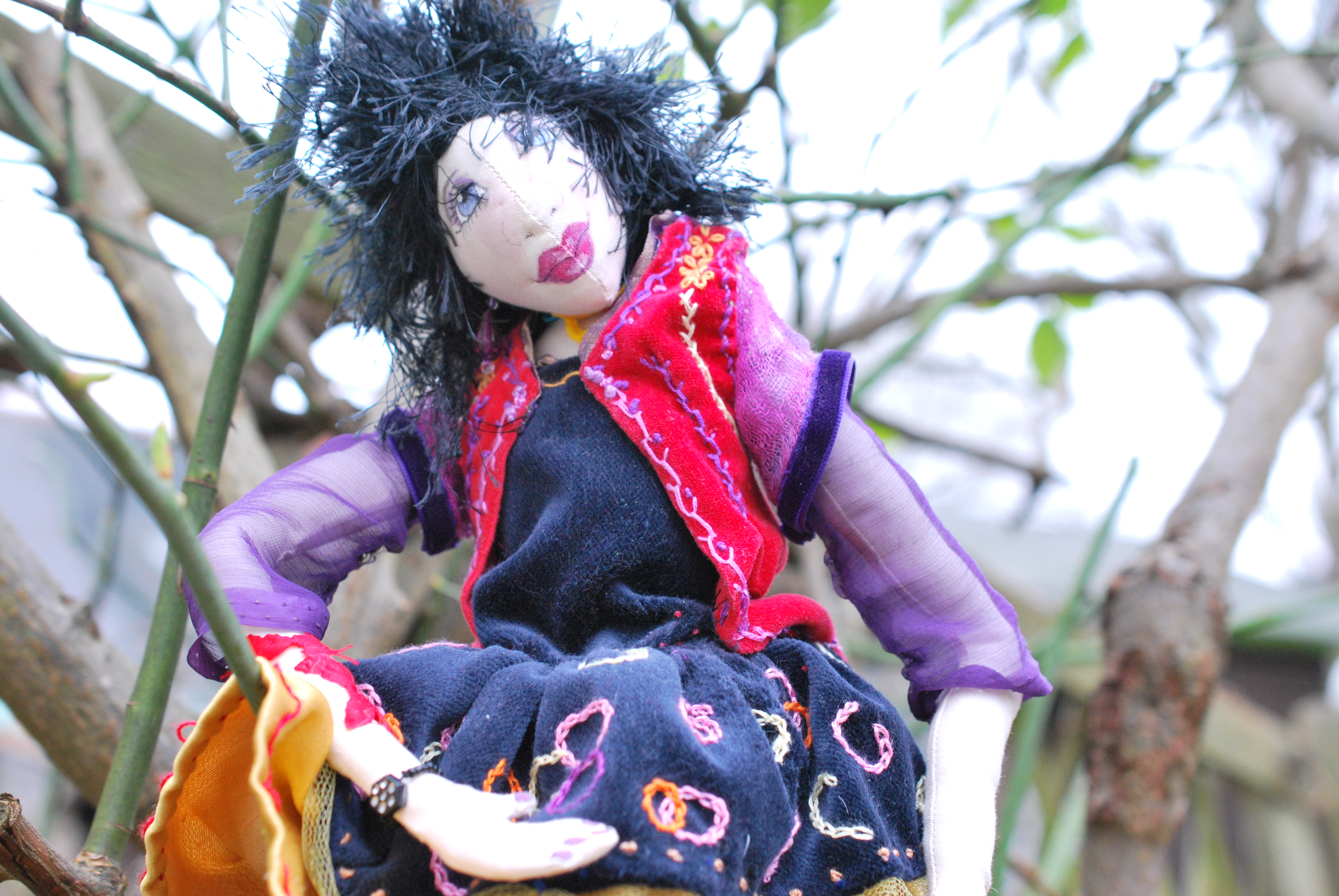

Saturday request …
I have had a good week; life has been kind generally and my blog has had lots of visitors and views. There is no reason for me not to be happy.
Also, I have continued my New Year’s Resolution, to be creative, through the week. I have had some pleasant results and stimulated interest beyond the WWW or rather without the WWW. Even if it is as a result of sourcing ‘erasers,’ It would seem that using pencil rubbers as I prefer to say (even my spell check is arguing with me!) to my colleague’s aghast, is rather expensive and perhaps not environmentally correct. So while I am perfecting the skill: How do I make good use of the resources, recycle the debris and more important use the prints especially those of a one legged chicken who has fallen foul of the lino cutting tool?
I got this idea of using an eraser to make prints from Peter Hay a local artist and print-maker who no longer here to ask sadly.


Also what does one do with a silly print of an owl or sailing boat?
 Coat Hanger Doll's House