Wednesday’s Women wood-engravers.


In the early 1980s it seemed there was a trend away from the tradition boxwood usually used in wood engraving. In Australia, while boxwood was unavailable, three women; notable print-makers worked with ‘other’ woods and substitutes.
Edwina Ellis (1946-), who trained as a jeweler came to England to study metal engraving; but then discovered wood engraving, finding boxwood available but expensive, she used commercial products and plastic such as Delrin for her work.
Meanwhile. in Brisbane Margaret Lock (1950-) cut into marine plywood to illustrate stories by Samuel Johnson and Leo Tolstoy.
Then Rosalind Atkins (1957-)took her printmaking to another level. She began experimenting with embossed prints from engraved blocks. Using thick pulpy paper, the results were rather more sculptural and could only achieved by using industrial materials and equipment. It was told that she once used a tractor as a press for dramatic effect.
Weekly Photo Challenge Twinkle
Sparkle … personally not so twinkly yet. But Saturday while I sat in my favourite coffee shop it became overcrowded with overly jovial christmas shoppers. Me, squeezed, began pout; but noticed these twinkly things. Wanting to get the perfect shot I trampled a few bystanders; by way of a strange retaliation!
So lacking the Christmas twinkle thus far … the result sadly reflects this …


Monday …
Bit disappointed that the vital printing felt for my press didn’t arrive as I hoped on Saturday. So while I understand the seasonal postal problems; I have exhausted all possibilities as regards the lino cuts I have prepared.
I have made a protective cover for the dream machine ; it won’t be paraded along the catwalks of the Parisian Fashion houses but it will keep the dust off!
I have packed some Xmas presents … which have been sadly neglected since the advent of ‘printing press’


Silent Sunday
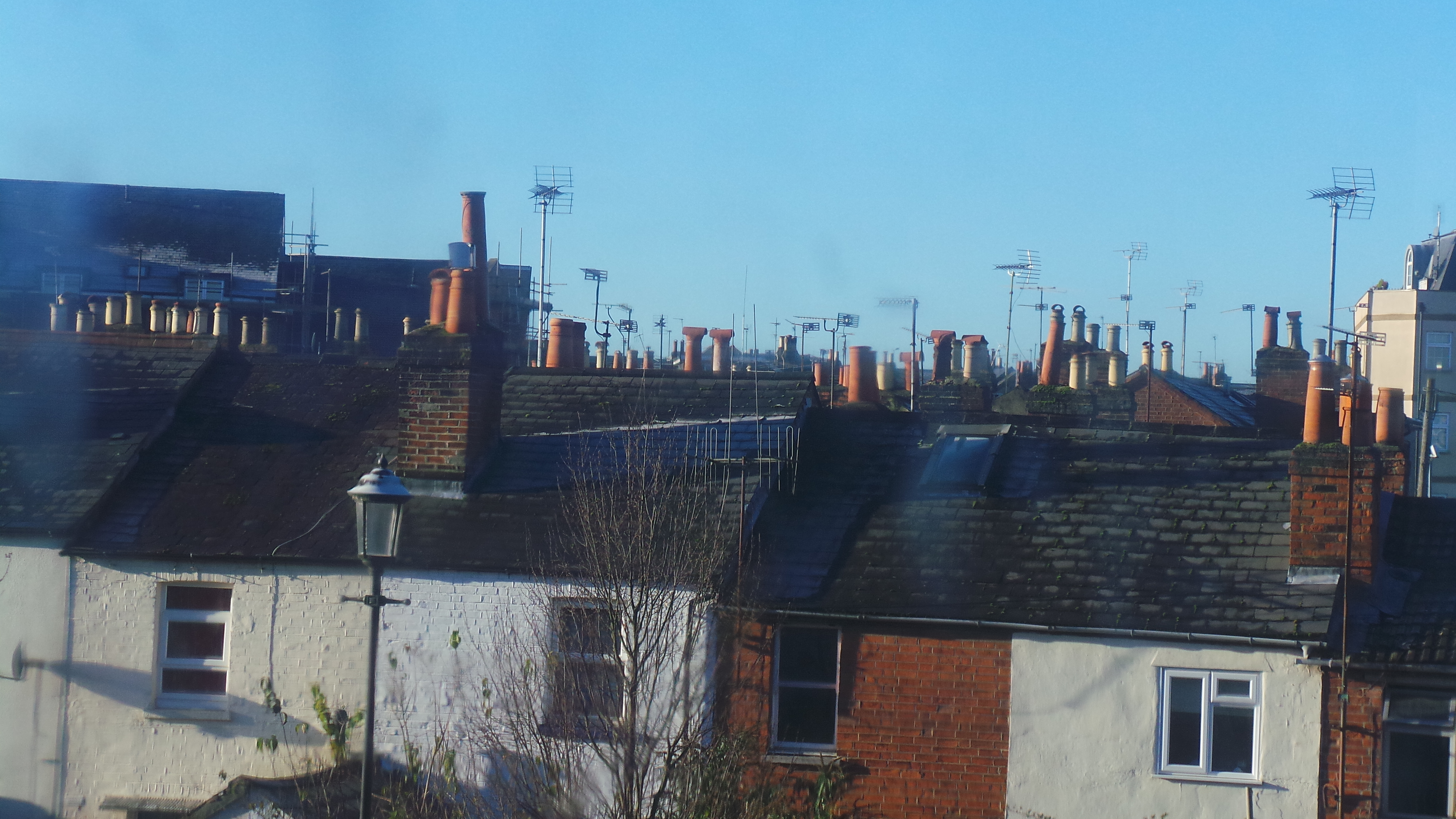
Saturday and all is well
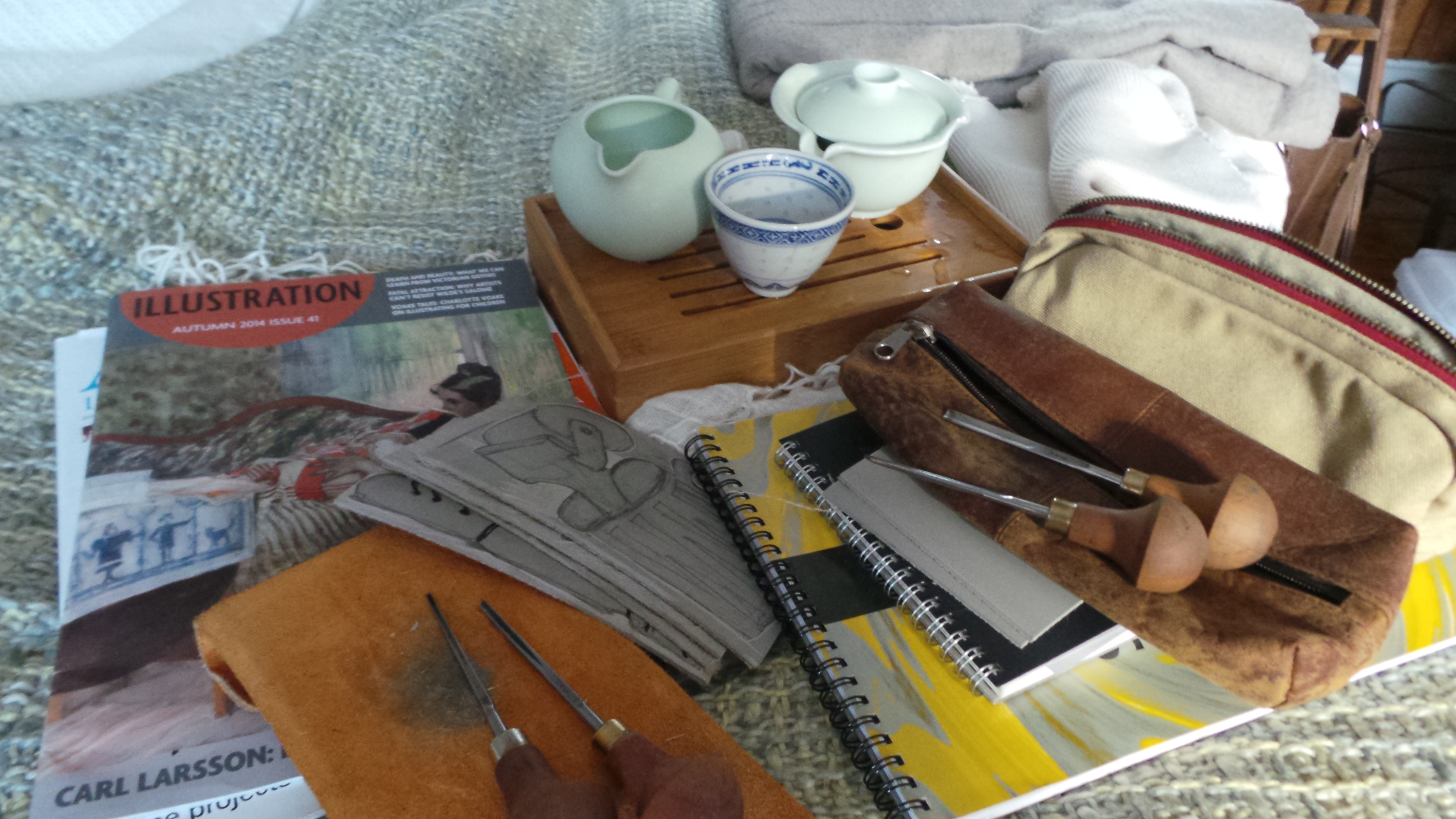
… Especially as the the autumn harvest of Dragonwell is good this year! Also, I am off to an art class ; more a show and tell but hoping to talk about some projects for spring next year. I am waiting for my printing pad; to arrive so I can begin printing with my new press ; it is delayed I expect, because for those other less attractive seasonal happenings! I remain hopeful it will arrive today if not I have a plan and that will no doubt feature tea and some cake … even a humbug like me will find some joy today and with you too I hope!
Friday’s Library snapshot …
Soon it will be 24th December and that means work for Father Christmas. ” Blooming Christmas again,” he mutters as he gets out his nice warm bed … and so begins a most surprising and delightful Christmas story, for Raymond Briggs’s Father Christmas is a true original and not the usual stereotyped kindly white-haired old gentleman.
Briggs’s Father Christmas is certainly a kindly white-haired old gentleman, but he is so much more as well; he is inclined to be grumpy, he is very fond of a cup of tea, loves to sing in the shower and is in fact, the most thoroughly human and endearing Father Christmas imaginable. His exploits are drawn in a series of strip pictures, filled with every detail and very funny, which occasionally erupt into full page spreads.
This is a picture book is to warm the heart of any humbug … young or old. It is Raymond Briggs’s own affectionate tribute to a universally beloved character.


Alphabe thursday … D is for Charles Dickens
I love to walk the streets of towns and cities. I have been to some of the greatest cities in the world including London, Athens, Edinburgh, Rio and others. Of course, my experience has only been that of a visitor and superficial. I would love to live in a city like Paris, London or Lisbon, so I could have a true experience, not just the high life but also some of its lowliness.
Like Charles Dickens who was considered the poet of London life, his novels were as much dramas of situation as of people.
In our Mutual friend he describes the piles of dust in the dim taxidermy and skeleton shop; the expensively icy interiors of the wealthy, are portraits of those who live there.
Charles Dickens, we understand had a keen sense of place; as a boy while his father was in debtor’s prison he worked in a blacking factory and lived nearby in a rented room. He was an abandoned child in a city of strangers; he was exposed to a unique situation. He had the key of the street; that, with his literary gift he was able to demonstrate all that happened during his urban walking.
His novels like his streets are full of intrigue, followers and those being followed, lovers and criminals, it is told like a colossal game of hide and seek.
Sometimes, he wrote of his own experiences of London, he walked so fast and long that no one could keep up with him. He was a solitary walker and roamed for many reasons. He describes himself in the Uncommercial traveler as a town and country walker like an athlete. I am always on the road rising before dawn walking thirty miles to the country for breakfast. The road was so lonely and the step so monotonous that he fell asleep. In a later essay, as tramp, he walked in a straight line to a definite goal or he loitered with no object ; a pure vagabond.
Sometimes, he like to walk as policeman on a beat, even his idlest walk should have destination and a duty!
Yet despite the throngs and the business of those who populated his books, his London was often a deserted city and his walking a melancholy pleasure.
In an essay about the visiting of abandoned cemeteries he wrote ‘ Whenever I think I deserve particularly well of myself, and have earned the right to enjoy a little treat, I stroll from Covent Garden into the City of London, after business-hours there, on Saturday, or -better yet-on a Sunday, and roam about its deserted nooks and corners’.
Then there was Night walks the essay begins ‘Some years ago, a temporary inability to sleep, referable to a distressing impression, caused me to walk about the streets all, for a series of several nights.’ He tells us that these walks from midnight til dawn as a curative of his distress, and during them ‘I finished my education in a fair amateur experience of houselessness.’ What we now call homelessness ; and remains still a less attractive part of city life.

Wednesday’s Wood engraver …


To do today
and no 7 Go to the Pantomine and have fun = have fun
Weekly Photo Challenge … Gone but not forgotten


This may not look much; it is an iron rivet one of many thousands used in the ship building yards seconded in the Second World War to construct warships. This particular one was used for a landing craft assault vessel that took troops and weapons to Europe.
After the war my Dad in 1948, recently demobbed from the Merchant Navy began working in the boat building industry now florishing on the south coast of England. He, like many others without a home due to the heavy bombing of the Southampton and Portsmouth dockland bombing ‘recycled’ redundant war ships, converted into a home for his growing family.
These home were only a temporary measure until the ‘homes for hero’s’ were built ; our home was very comfortable and we stayed longer than most. Nonetheless we did move to a house in a nearby village.
Although we went back from time to time; it was not until recently almost 60 years did we go back as family with my mother’s ashes. Little remains of our home, the tide with it relentless coming and going has removed a little piece of history but not yet forgotten … but the rusty relic cannot withstand mother nature!
 Coat Hanger Doll's House