Last week I learned that … I will never learn!

I have been going on holiday for as long for as I can remember. When will I learn that ‘holiday’ is not home in a different place or that I cannot take everything ‘just in case’.
So packing for me is a nightmare or it would be if I could sleep!
I can be remember as a child ; we spent our holidays sailing; on a sailing boat with limited space. My mother sent me back home with my bag of books; too many to fit on board. We might sink!
Even now I have difficulties in the book area … even of late when I spend my holiday in a library!
It is the same with clothes and accessories; with those alone I would exceed my 20 kilos. Now I have the delights of the added extras; laptop, flash pens and extra hard drive. How would I manage without them?
The kitchen sink is a joke; but as I write I am tempted to put in a basin so that I can wash my feet. Where we stay is very dusty ; the feet washing is a pleasant way to end the day. Why should I not take a bowl and my essential oils — Oh! the oils?
An so it goes. My book pile grows; I think of another ‘must read before I die title’.
Oh! Yes! There is my stash of tea, white, green and a blend of just in case!
As a coeliac and dairy allergic; it is vital that I take a supply of food that suits my palate or more important my gut.
Also it would save me a few more sleepless nights if I could empty the entire contents of my bathroom cabinet into my suitcase. Oh!the airing cupboard …
It is hardly surprising that I need a holiday; if I didn’t I do now.

Silent Sunday … shh! this is the library
After a long and tedious journey we arrived late … so this is what I woke to this morning
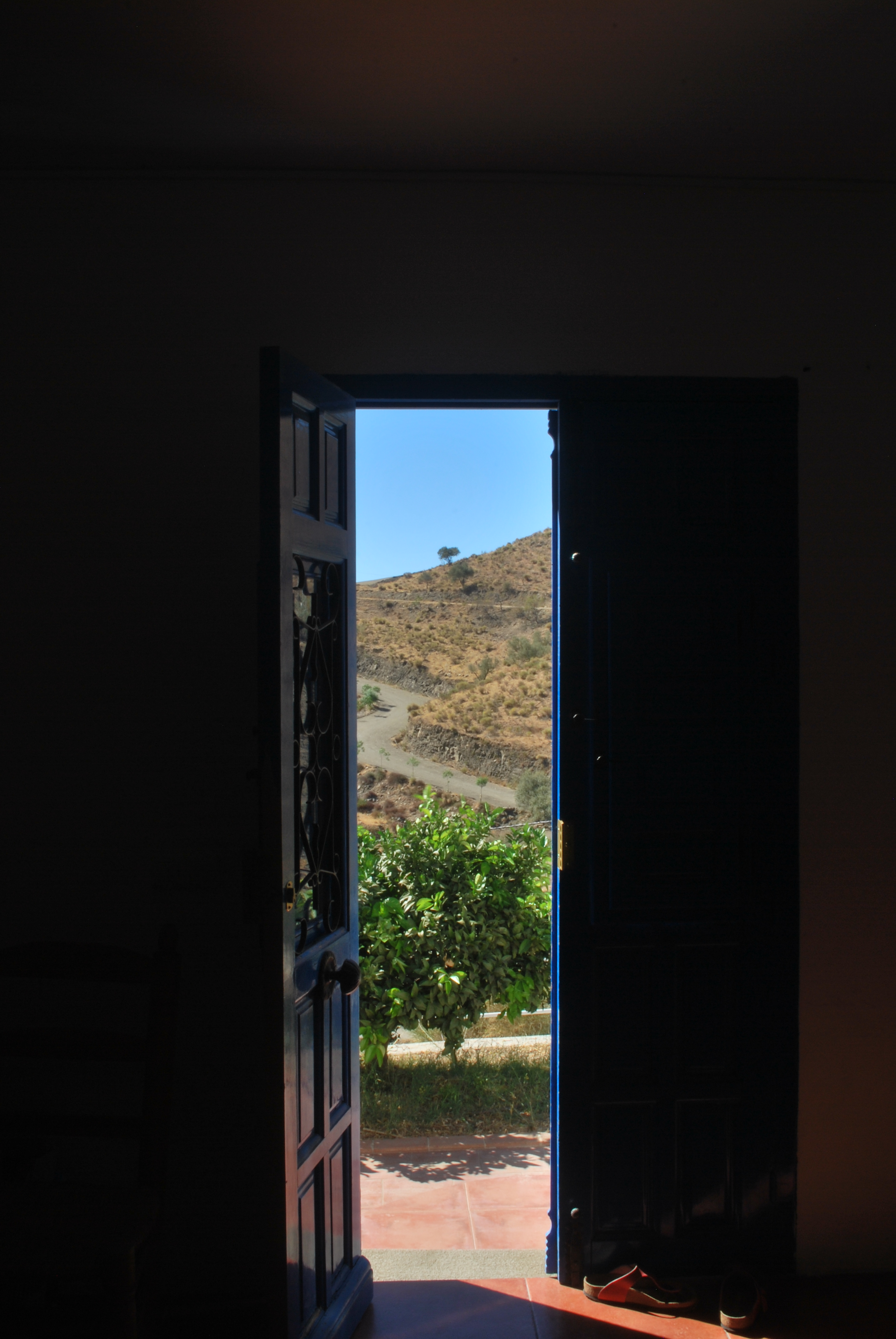
crickets chirrup
warm air
quiet noise

This is a Silent Sunday post inspired by Mocha Beanie Mummy. Check out the rest of the entries using tag #silentsunday on twitter.
Saturday’s Supplication …
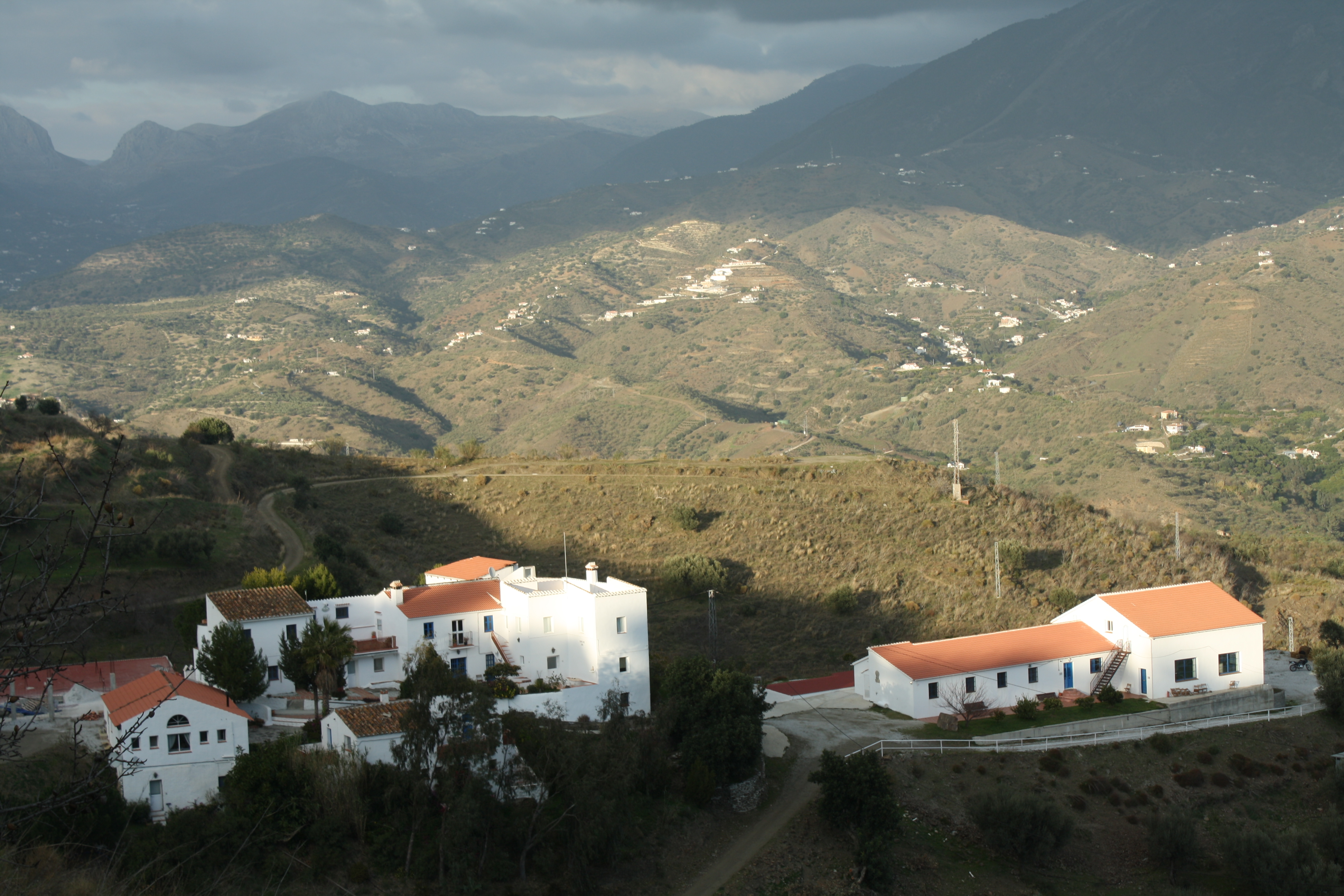
Today I go on a long awaited holiday; I say ‘holiday’ and for the most it is; but I also work. Three or four times a year I go to Southern Spain where I work in a tiny academic library. The library is in a small institute that teaches a BA course in Buddhist Studies. The international students throughout the year study remotely and come together at regular intervals to receive tutorials and examinations etc.
While the institute began about decade ago; I have been the librarian for 6 years. During this time the library has grown from about 1500 items to over 3000 and is still growing.
My tasks range from receiving and classifying the books; adding them to the database. Then shelving, maintaining and caring for them. To dealing with the students and academics who use the books constantly; especially the Tibetan and Sanskrit texts.
This explains why it is necessary for me to understand classical Tibetan and Sanskrit. However my knowledge of language; dead or otherwise is miniscule compared with the students who attend the college. They come from all corners of Europe, Scandinavia and beyond and even South America and can speak more languages than ‘I can shake a stick at’ and English!
I am a humble librarian who wishes that all the students and academics will find their way to Malaga safely and the next two weeks will benefit all.
Saturday Centus … Wot no E or T!
In Brazil rain clouds hung gloomily hiding any sun’s rays.


Friday’s library snapshot …
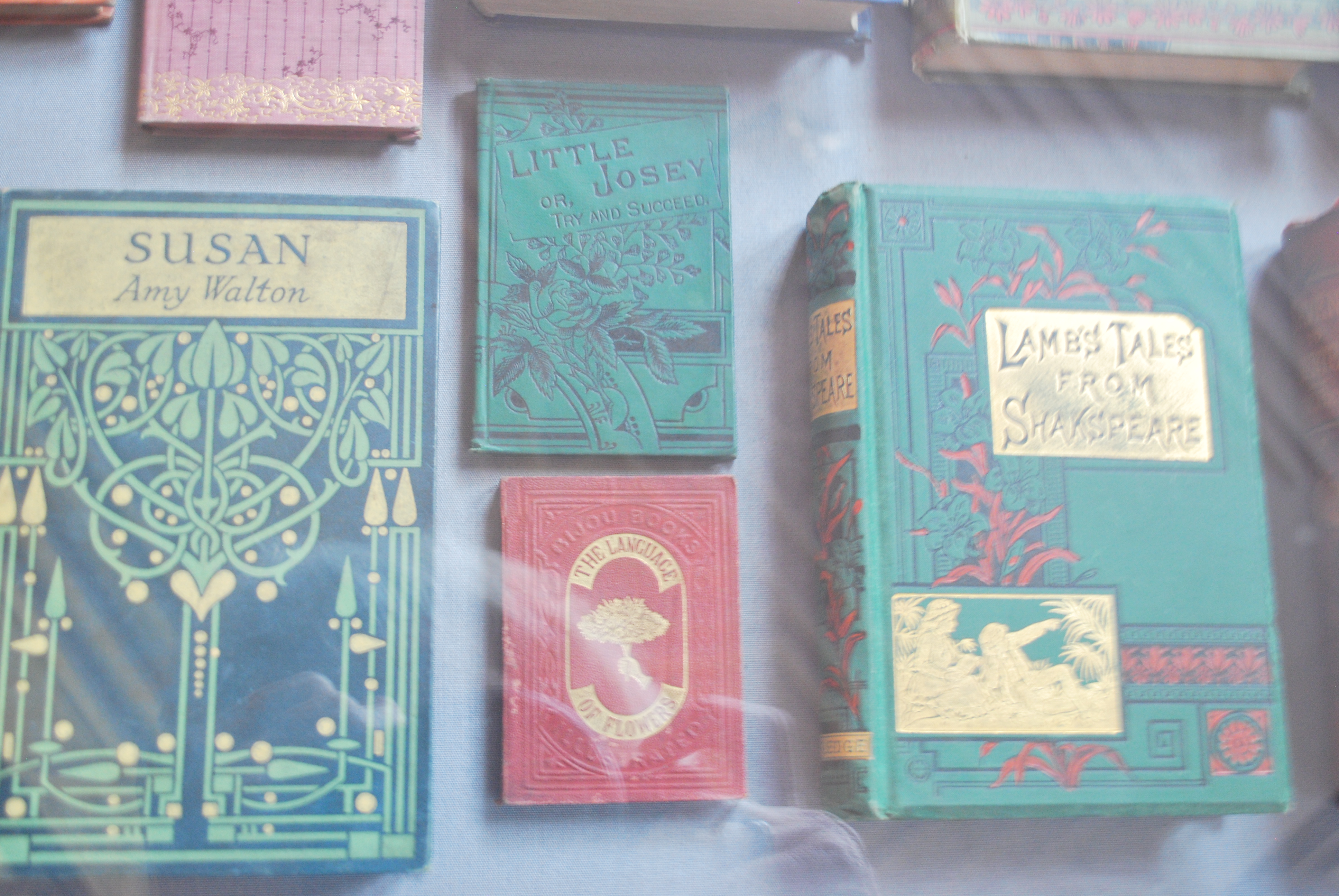
Just recently we had a display in Special Collections; the books were noted because of their covers and dust jackets; Barnett Freedman was one of the illustrators featured.

Barnett Freedman (1901-1958) was born in London to a poor Jewish family who had recently emigrated from Russia. He studied part-time at St.Martin’s School of Art and went on to to study and teach at the Royal College of Art between 1922-1925.
Freedman was an official war artist during World War II and to this day considered amongst one of the greatest graphic artists and book illustrators of his time.
We recently acquired a mighty and expensive tome to complement our rich collection of books and archives of Barnett Freedman and other contemporary graphic artists and illustrators.
Tone, texture, light and shade ; a Freedman Barnett picture album by Ian Rogerson. It contains wonderful examples of ephemera, photographs of his posters on hoardings and on display in Lyons Corner Houses, paintings in public ownership and student work from the early 1920s when at the third attempt he gained a scholarship to the Royal College of Art.+
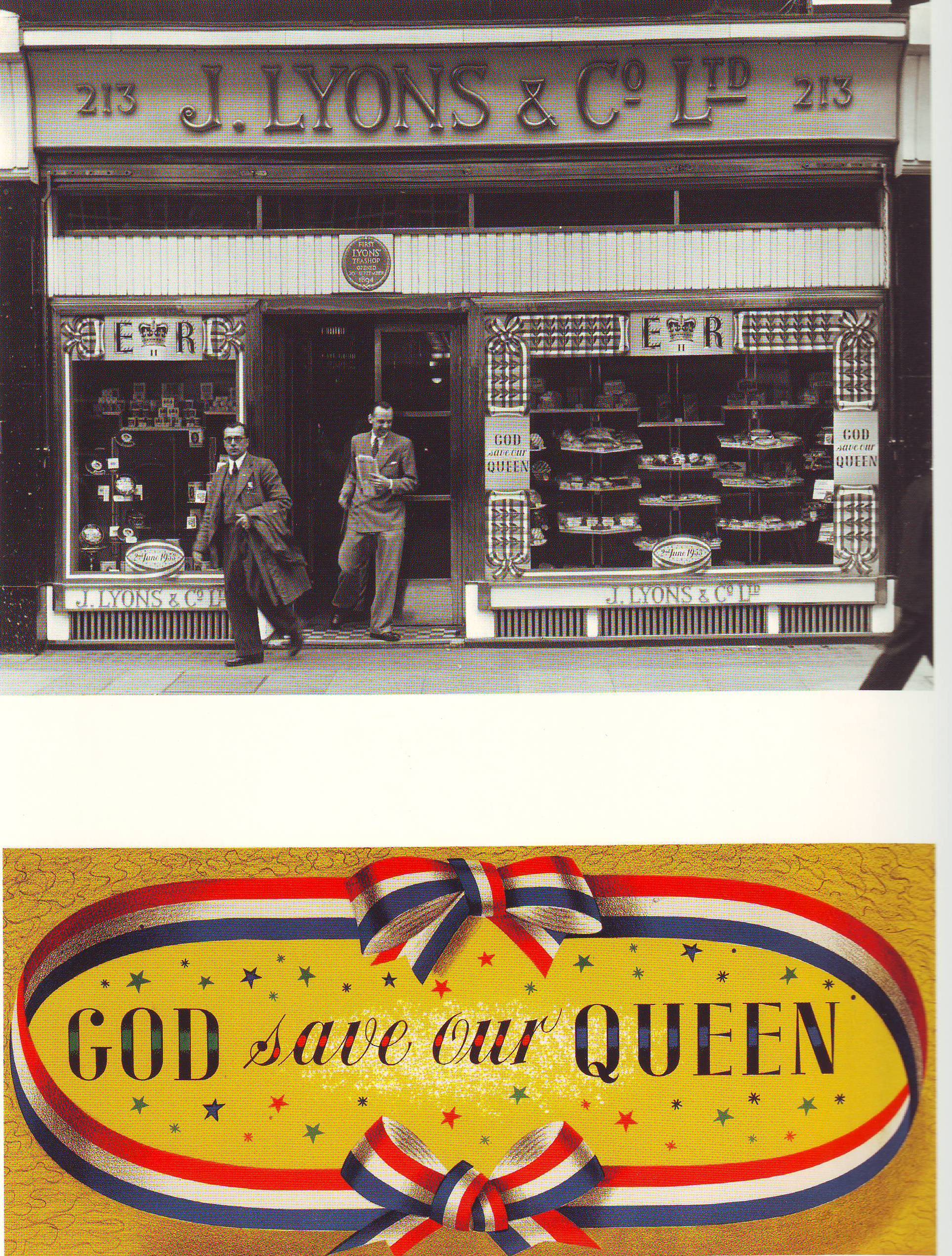
To decorate Lyons Tea Shop 1953
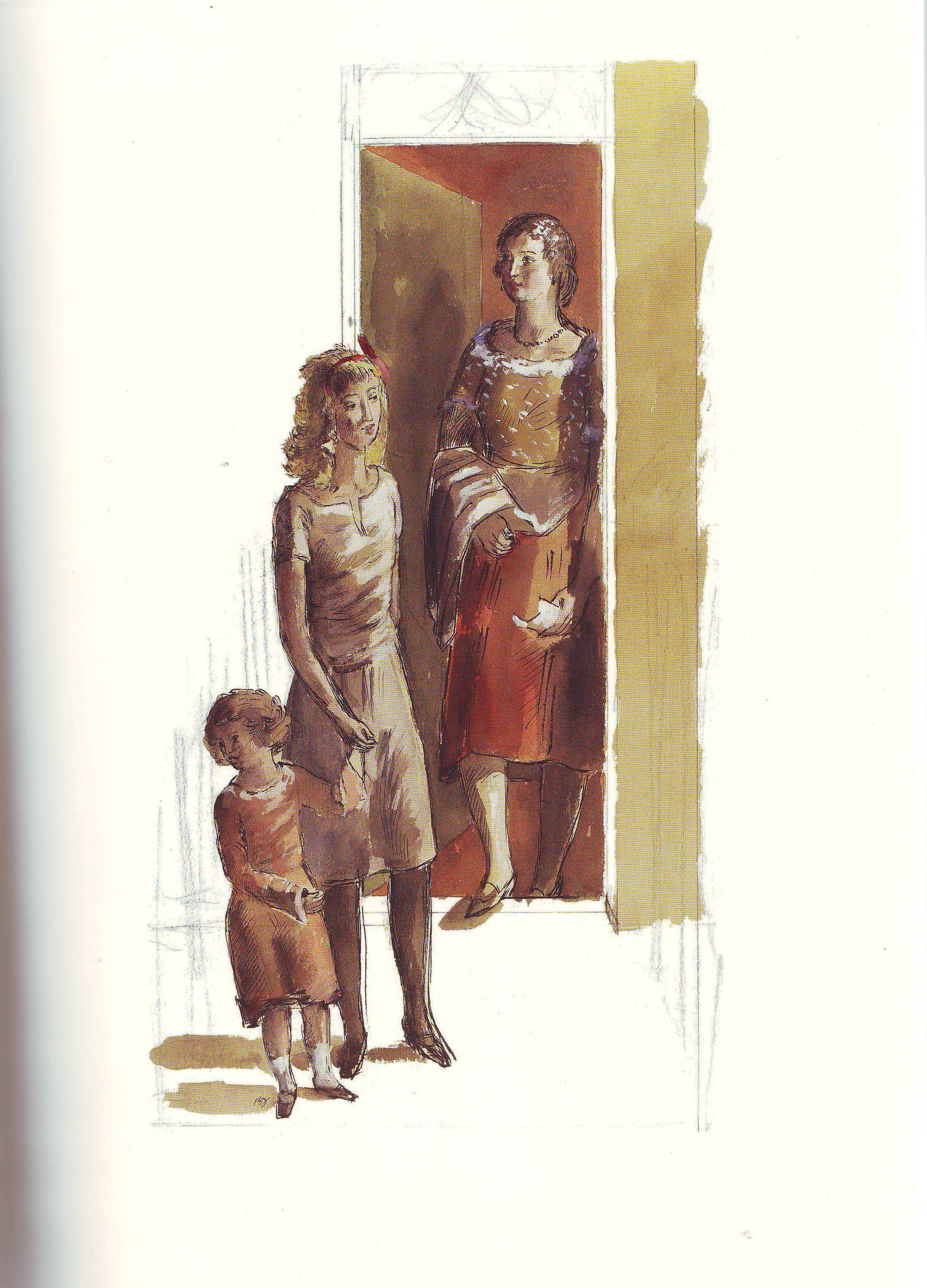
Family Scene c1925
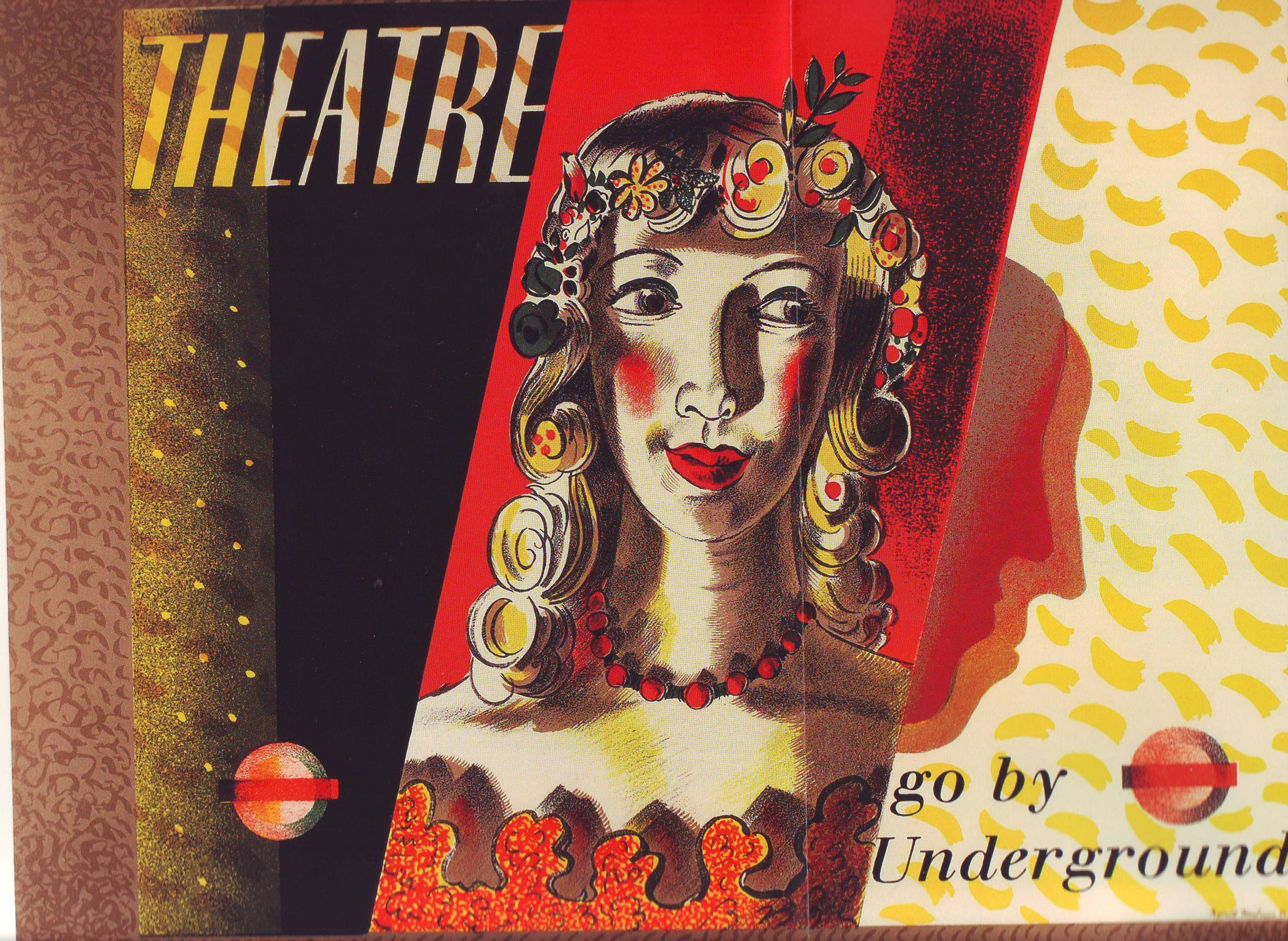
London Transport Poster 1936
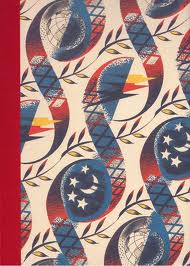
Book Cover

The Window Box 1955

Woodland Garden 1925
Alphabe Thursday …. N is for …
Today I struggle with the letter ‘N.’ I wish to write a blog post that features a subject beginning with the letter ‘N’ ; I am at a loss. I have made a list of prompts.
Nice, New, Neruda, Now, Narcissi, Nasturtium, Nature, Nela and Nephew.
‘What is nice?’ Ah! Yes! Nephew, my nephew got three A*s in his ‘A’ levels – that is exceptional not nice!
Neruda, a poet of great acclaim, several of his books line my daughter’s bookcase. Very nice but sad. So, not nice enough!

Nasturtiums, are one of my favourite summer flowers; they flourish in poor and dry soil. Sadly this recent wet summer bought an invasion of snails and slugs and the tender blooms were munched. So the nasturtiums cannot be celebrated.
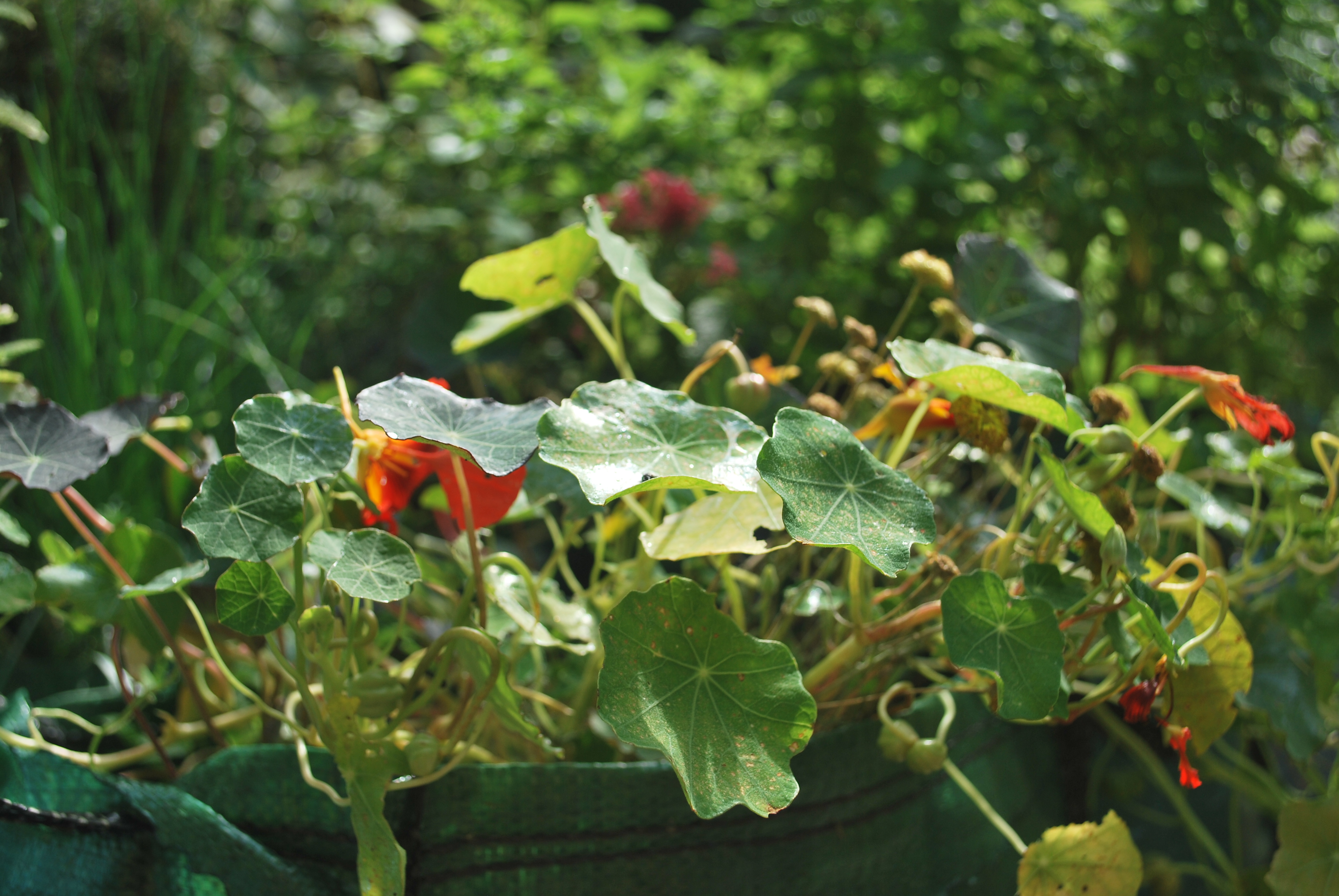
N is for nature and nowness; nature is flighty doesn’t stay long enough for me to grasp. For instance, my Narcissi were a joy in early spring; but now their drying bulbs are not such a nice sight.
There is Nela, Me, from the name Helen, she has enjoyed a little notoriety this past year. Nonetheless she does not exist beyond the realms of Blog Land.
I thought of new: new born, new day, new year, newness and night. Then I try to create a clear image and the aging process comes with the morning.
So I excuse myself from AlphabeThursday
N is for Nothing.
as a PS and a welcome attachment I recieved an emailed response that I take as a kindly reminder from a colleague who has supported me through my journey (s) on this blog.
‘A little response Helen
Nature is flighty, I agree but it is also never-ending. As individuals, we are privileged to see such flighty moments; The Mayfly, Mr Badger with his brood, sunrise/sunset, the new-born.
These are not to be grasped but merely enjoyed, in that flighty moment. The disappointment felt by missing one of those moments ie the Nasturtiums non show, is counterbalanced by the next offering that nature decides to give. Please enjoy those flighty moments… Next!’
100 Word Challenge for Grown Ups – Week#55
The buying and choosing of suitable greeting cards is difficult and I could write a post about the issues they pose. The consideration required when buying any sort of card from a ‘sorry for your loss’ to ‘congratulations for reaching 100’ is troublesome.
And then to add the element of humour is doubly difficult; you suggest PG; and I am inclined to agree. I always buy my baby brother of 52 years a funny card. Since his children were tiny I was always careful that the card could stand on the mantelpiece without being hidden by the clock!
So I think I am going to go with … ‘clean,’ ‘tried and tested’ (and failed in my case) and ‘the oldies are always the best!’ (or not) !
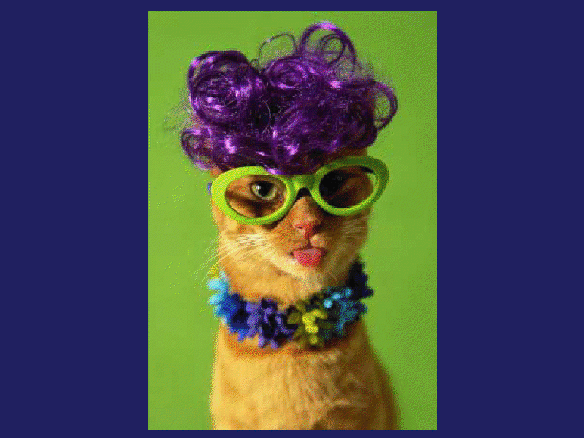
‘How many times have I told you; can wear my wig, necklace and glasses but don’t stick out your tongue it is not attractive.
Or
‘Does my bum look big in this?’
Or
‘I have told you before blue and green should never been seen’
I think I will not give up my day job yet!

Wednesday’s Wise Woman … Violeta Para

‘From time immemorial
Hell was invented
to frighten the poor
with its eternal punishments’.
Violeta Para (1927 -1967) was a Chilean composer, song-writer, folklorist, ethnomusicologist and visual artist. She was responsible for the renewal and reinvention of Chilean Folk music, bringing it beyond the bounds of Chile onto the world stage and recognised by many as Chilean New Song (Nueva Cancion Chilena)
Violeta was born in San Carlos, a small town in southern Chile. To a poor family who moved from town to town to find work. This was rarely successful and as a result her father, a travelling teacher, became an alcoholic and Violeta had to abandon her studies to support her family. She began singing on trains, in restaurants, small concert halls and circuses.
After her father died; although this loss left the family destitute; her mother worked as washerwoman and was able to finance Violeta´s elder brother through university where he became a professor of Mathematics and a poet.
Violeta moved to Santiago and formed a singing duet with her sister. They were called the Parra sisters and they sang traditional Chilean folk songs. During this time she married and had two children a son, Angel and a daughter Isabel with whom shared her love for music. After the breakdown of her first marriage she married again and had two more daughters.
Violeta was not only a singer-songwriter but also one of Chile’s foremost researchers in Chilean Folklore. She offered concerts and readings throughout Chile. In 1953 after such a concert and reading in Neruda’s house the Chilean Radio offered Violeta a number of programmes so that she could broaden her listening audience into thousands of homes.
Violeta´s name ‘Parra’ in Spanish means ´grapevine´an image that prompted Neruda to write of Violeta ‘Parra you are, and sad wine you will become’.
In 1954 she began travelling in the Soviet Union and Europe and for a while she lived in Paris. In 1956 she she recorded her first album.
Following the sudden death of her youngest daughter; Rosa Cara while still little baby she returned to Chile where she accepted a post at the University as a director of the Museum of Popular Art where she continued her research and went on to record more albums.
By the end of the 1950s she had developed her painting, sculpture, ceramics and tapestry. So with her visual art and her music she traveled again and settled in Paris;where she earned respect as the first South American artist to exhibit in the Louvre Museum. It was about this time when she recorded the famous song La Carta.
Back in Chile in 1960 some earthquakes cut short a tour of the south and also her health was deteriorating. So she was confined to bed. This did not stop her continuing her intricate needlework; that would give her great acclaim in Europe later. While in her bed she met Gilbert Farve, ‘a gringo’ and a conservatory-trained clarinetist who almost twenty years her junior became the love of her life.
She returned to Europe and traveled with her family, again drew appreciative audiences. The Parras won many honours.
In 1964 Violeta’s children; Angel and Isabel returned to Santiago and opened the Pena de los Parra where many of Chile’s best known musicians performed and today it is still the home the Violeta Foundation.
Later in 1965 Violeta returned to Santiago; on the outskirts she set home and a centre of folklore culture called La Carpa. After her exhibition in the Louvre Violeta became a household name compared to Gabriela Mistral, the country school teacher whose poetry won her the Nobel Peace Prize 1945. Like Mistral it was the foreigners who valued her work and not her countryman.
So, she enveloped herself in politics and worked for Salvador Allende who was running for President in a coalition of the Socialist and Communist Party against the Christian Democrat Eduard Frei. Prominent in the campaign were the stars of Nueva Cancion Chilena and the Parras whose lyrics of social criticism and traditional rhythms with a notable departure from the folkloric instrumentation was gaining popular attention especially with the young people. While Allende had lost the 1964 presidential bid. So the present government was not sympathetic towards music committed to the workers struggles. Even the Radio Stations that once were supportive were now reluctant to play the traditional music. Also record companies became disinterested and afraid to associate themselves with potest tunes and turned towards foreign music. La Pena enjoyed public support and La Carpa struggled to survive.
Her relationship with Gilbert was fraught and fragile and ended. Violeta became more and more neglectful of herself and dependant on alcohol and made enemies as a result. Fortunately she had loyal friends and family who would rally round and support her when times got difficult and she in turn was able to mentor and support fledgling groups of musicians
She would instruct them diligently long and hard. When she was satisfied she would say ‘free yourselves the song is a bird without a flight plan, that hates mathematics and loves the whirlwinds.
Meanwhile the neighbours began a malicious fight against the La Carpa and Violeta´s relationship with her youngest daughter now 16 was volatile and troublesome. And for the second time Violeta tried to take her own life but recovered.
It was after the break up with Gilbert that she wrote the the song Gracias a la vide (Thanks to life) a song that brought her international acclaim.
‘I thank life, which has given me so much
It has given me laughter and a flood of tears;
to distinguish between happiness and heartbreak,
the two elements that form my song
and your song, which are the very same song
everybody´s song, which is my own song ‘
Violeta clung to the hope that she reunite with Gilberto but did take other lovers but they proved to be a disappointment. Violeta enjoyed some success in 1966 while touring to Puerto Natales and made a successful album in January 1967. But sadly a depression came with violent mood swings as a result people stayed away from the la Carpa. Without an audience Violeta felt unworthy; so she stayed alone writing, singing and drinking. On one occasion she took her gun she threaten one of her few devoted friends and turned the gun on herself, the moment passed but it was an alarming expression of her mood.
Violeta committed suicide in February 1967.
Violeta Parra was a well loved and respected woman who tirelessly bought folklore tradition of Chile to the fore. Violeta was brave enough to disregard the imperialist rhythms that may have harmed the already fragile culture of Chile.

Weekly Photo Challenge … Merge


I was born on the Hamble, on the south coast of England; a child of the river. From the womb I have had a healthy relationship with my environment. The wind and the tide were my constant companions; treated with honour and respect. The flow from the source of the river Hamble was fairly insignificant; it was the twice daily tide that flooded from the sea which brought life, uncertainty and disorder to the river dwellers.
I now live on the Thames at Reading where there is no tidal flow upstream. However; there is a downward stream from the Cotswolds in Gloucestershire. In the winter there are threats of floods and broken banks; but mostly the river supports a steady flow of little boats unhindered by tide and her constant fluctuations.
It is not until the Thames reaches the Teddington Lock does it merge with swell and salt of the North Sea.
I recently ventured down stream in search of the William Morris’ Home at Hammersmith. I was surprised to see mud either side of the river and sea gulls foraging in the weeds left by the receding tide. Also the smell of the sea that was long forgotten. As we watched and waited, we saw little flurries on the surface of the water as the tide turned and merged with the downward flow. Gradually the muddy water became turbulent as the flow increased. Within minutes the sail boats that had been pulled up on the shingle banks were pushed into the deepening channel and were carried upstream as their sails caught the breeze that I remember as a child came with the turn of the tide.
While this post may meet the challenge set by The Daily Post at WordPress.com
and not a technical photographic work of art it does demonstrate the merging of the tide with the constant downward flow and the emergent river folk who attempt to wrestle with it.


Last Week I learnt that …
There is Samuel Taylor Coleridge and there is Samuel Coleridge Taylor
Last week I made a ridiculous mistake. That might have been pretty embarrassing had I not noticed in time.
Whilst watching the tweets on Wednesday; I noticed the celebration of Samuel Coleridge Taylor’s birthday. I am always on the lookout for a theme; grabbed the opportunity to perhaps celebrate also.
I found some nice images of the Kubla Khan as seen by Peter Hay and The Ancient Mariner by Gustave Dore. Then I began to gather the vital information; if only to look as if I knew who I was talking about. Only to find that the man I was researching was not Samuel Coleridge Taylor but Samuel Taylor Coleridge. The name difference is subtle. But the rest is as I said embarrassingly so!
Samuel Taylor Coleridge (1772-1834) was an English poet, Romantic, literary critic and philosopher who, with his friend William Wordsworth, was a founder of the Romantic Movement.
On the other hand Samuel Coleridge-Taylor (1875-1912) was an English composer who achieved such success that he was once called the ‘African Mahler. He was born to Alice Hare Martin, an English woman and Dr Daniel Peter Hughes Taylor; a Creole from Sierra Leone; they were not married. The child took his father’s name and was named Coleridge after the poet. He adopted the name Samuel later. Coleridge Taylor was bought up in Croydon and studied the violin at the Royal College of Music. By 1896, Coleridge-Taylor was a respected composer; his greatest success was his cantata Hiawatha’s wedding feast. It was widely performed by choral groups in England during Coleridge-Taylor’s lifetime and in the decades after his untimely death at 37 in 1912. He did also set music to the poem; Kubla Khan by his near-namesake Samuel Taylor Coleridge
He was rated highly amongst the great English musicians of his time against all odds; he also became a cultural hero for the African-Americans.
To celebrate his recent birthday I add this poem written by his close friend and poet Alfred Noyes.
Too young to die
his great simplicity
his happy courage
in an alien world
his gentleness
made all that knew him
love him
I return Samuel Taylor Coleridge and celebrate him with these images


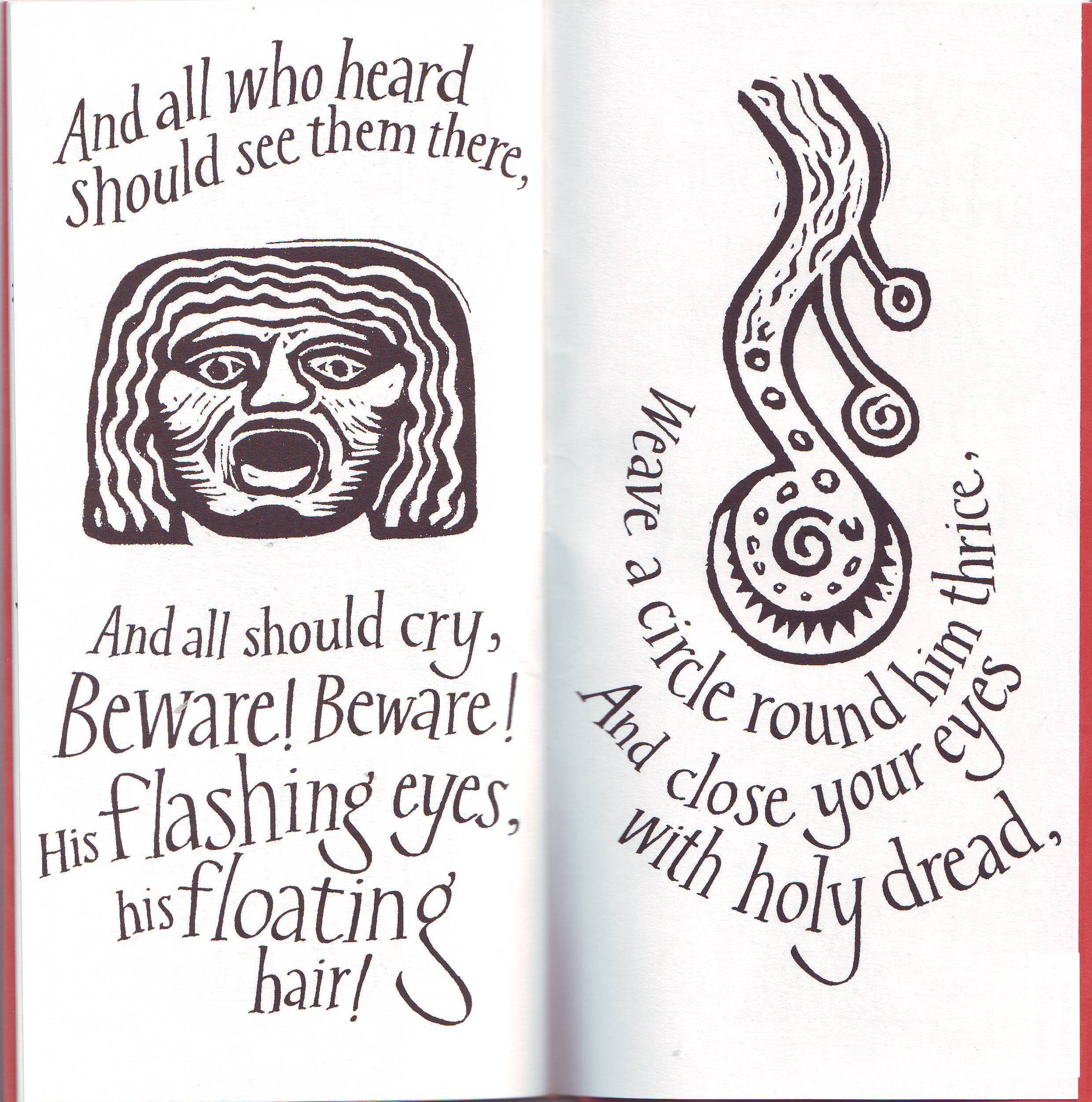
By Peter Hay of Three Rivers Press

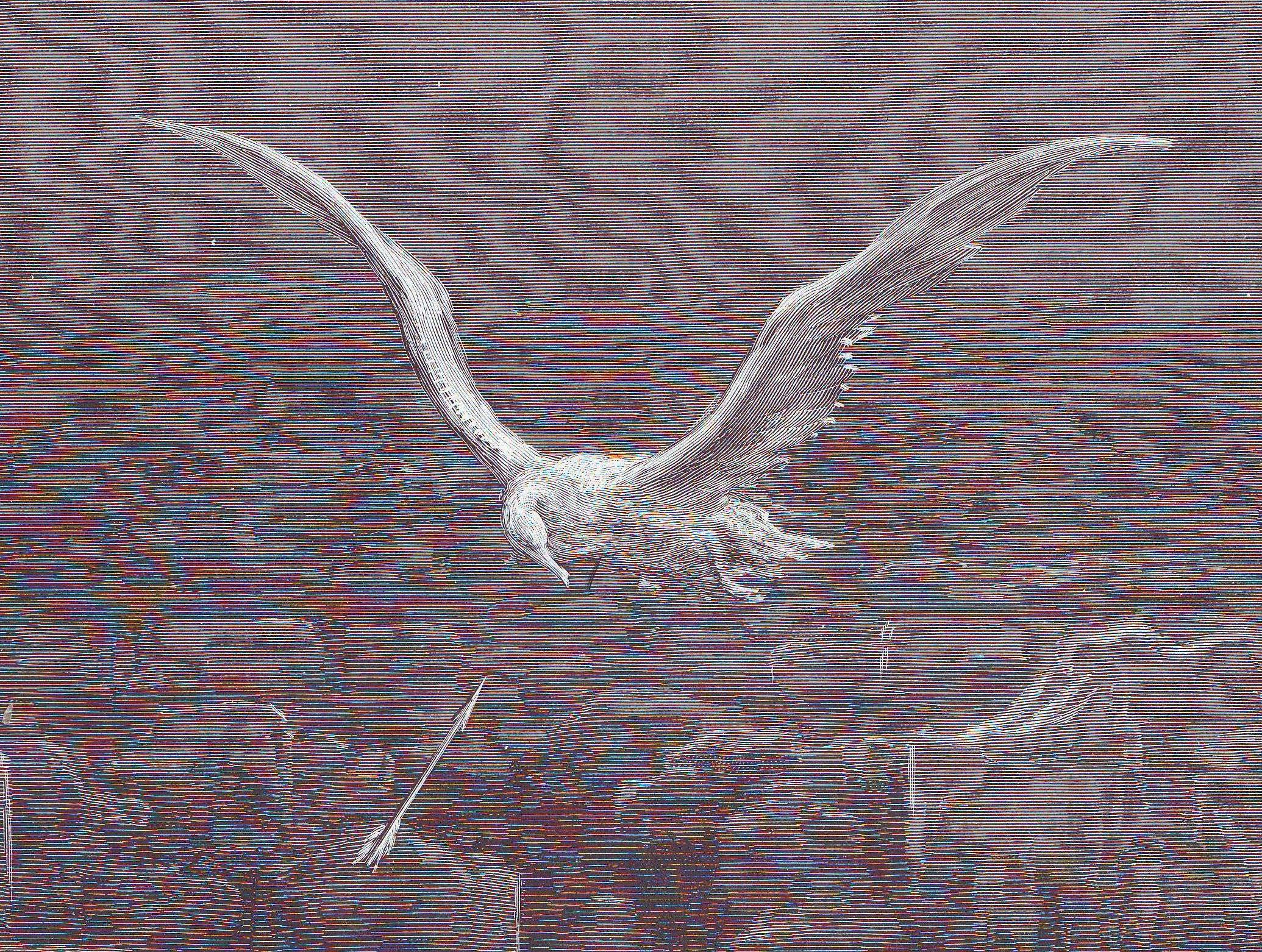
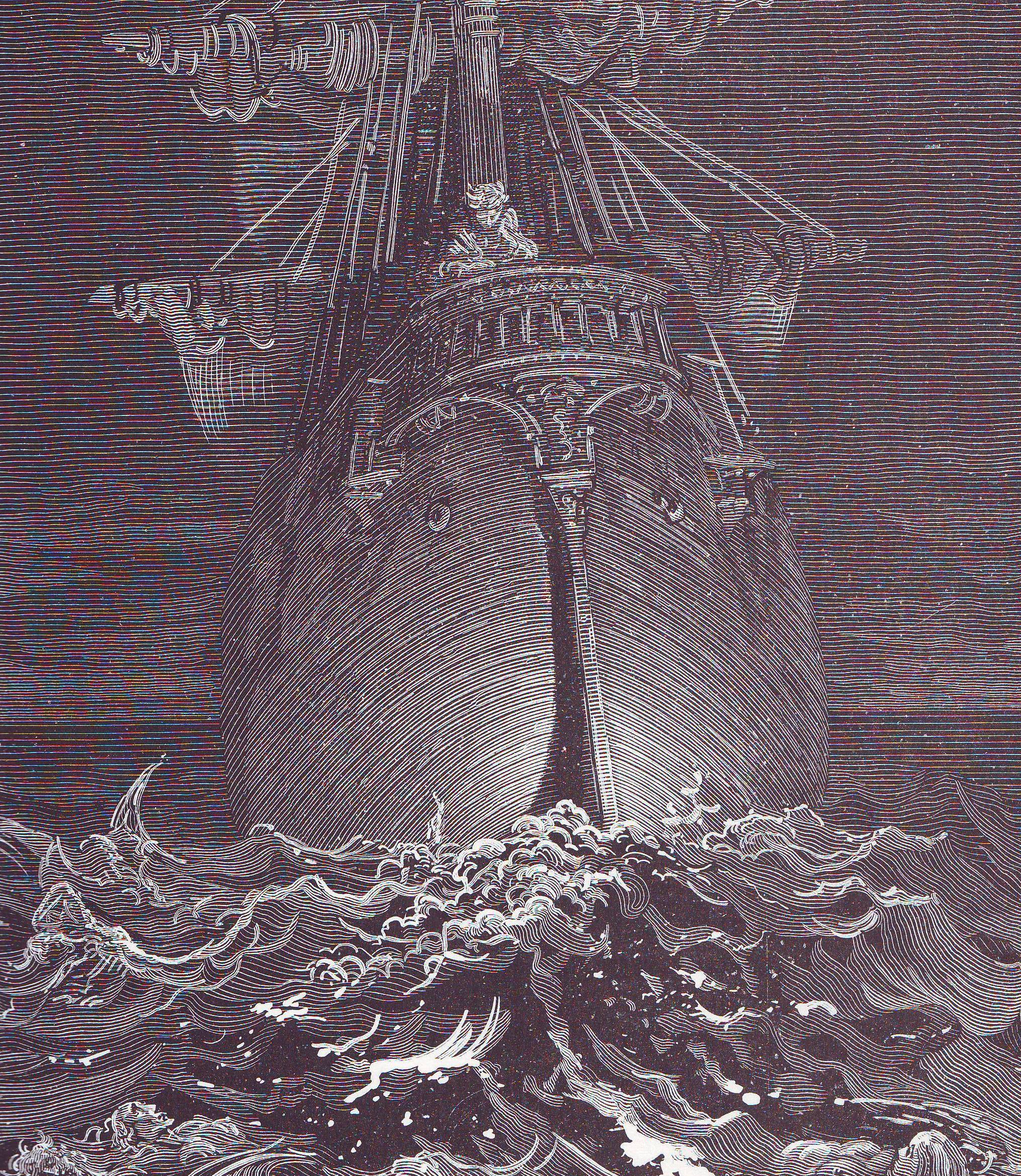
From the Rime of the Ancient Mariner by Samuel Taylor Coleridge and the illustrations of Gustave Dore.
 Coat Hanger Doll's House