100 Word Challenge for Grown Ups – Week #57
Returning to the routine; I wish I could think of a 100 words that express my feelings about the end of several weeks of Jubilee and Olympics. Since I didn’t celebrate either; I stayed in my routine and went on holiday. Like many others; not because I am a party poop. More because it was media and commercially led; driven by the need to turn on the telly or open a newspaper.They were events that did not touch my life. While I can understand why some people put their lives on hold for the summer; I did not.
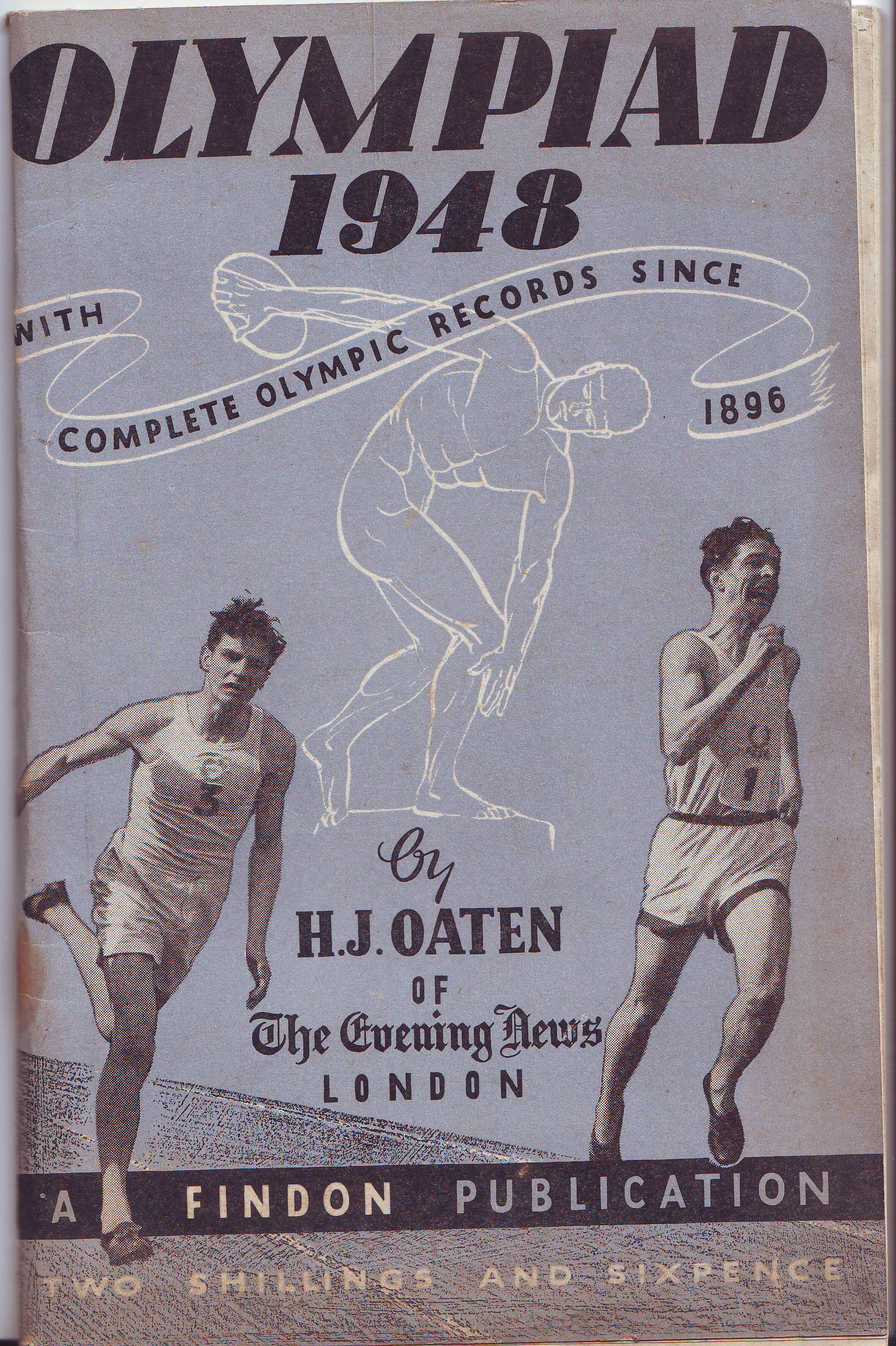
These are interesting images that I hope will cheer after my dreary attempt to this weeks prompt!

Wednesday’s Women … Jane Morris
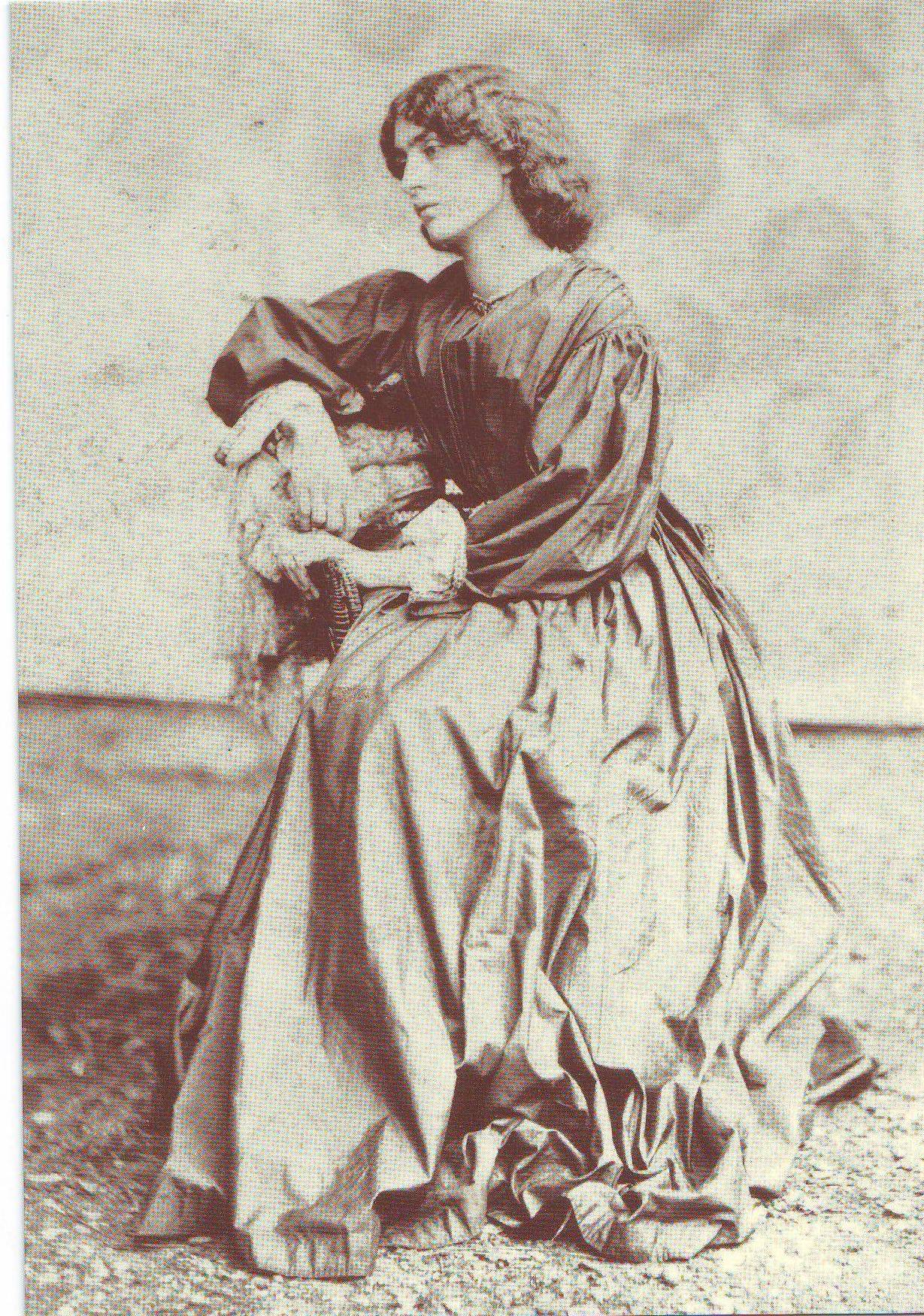
Jane Burden met William Morris through Dante Gabrielle Rossetti; who was always on the lookout for a ‘stunner’. Research shows that Rossetti put much effort into looking for beautiful models. He saw Jane and her sister at the theatre in Oxford. At first she modelled exclusively for Rossetti; when she did model for Morris for the La belle Iseult,

which still hangs in the Tate Gallery, he fell in love with her and they married her two years later.
Jane was born in 1839 to Ann Maizey and Robert Burden in Holywell; in a cramped and unsanitary cottage. Her mother registered her birth with a cross; suggesting she was illiterate. Her father was a stable hand. Jane was one of three surviving children with an older brother and little sister Bessie; who was considered at the time to be the more beautiful of the sisters.
Jane was tall, gaunt with frizzy hair; with an exotic and foreign features; some suggested gypsy–like. It was these features that, while they did not please those less artistic, did appeal to those in tune with the Pre-Raphaelite ‘stunners.’ Jane was to become the Pre-Raphaelite icon.
William Morris fell in love because she was aesthetically pleasing; George Bernard Shaw suggested that it was her role ‘to be beautiful’
Jane admitted later that she had never loved her husband; Morris had given her an offer too good to refuse. Although it would appear at the time she had no choice in the matter; she added that 40 years later if she would not have done it differently.
William and Jane married on 26th April 1859 at St Michael’s Church, Oxford. It was a simple occasion conducted by licence. While none of William’s family were present; Jane’s father and sister signed the register. They honeymooned for six weeks in Europe; visiting Bruges and Paris, places that William had been previously with his sister Henrietta.
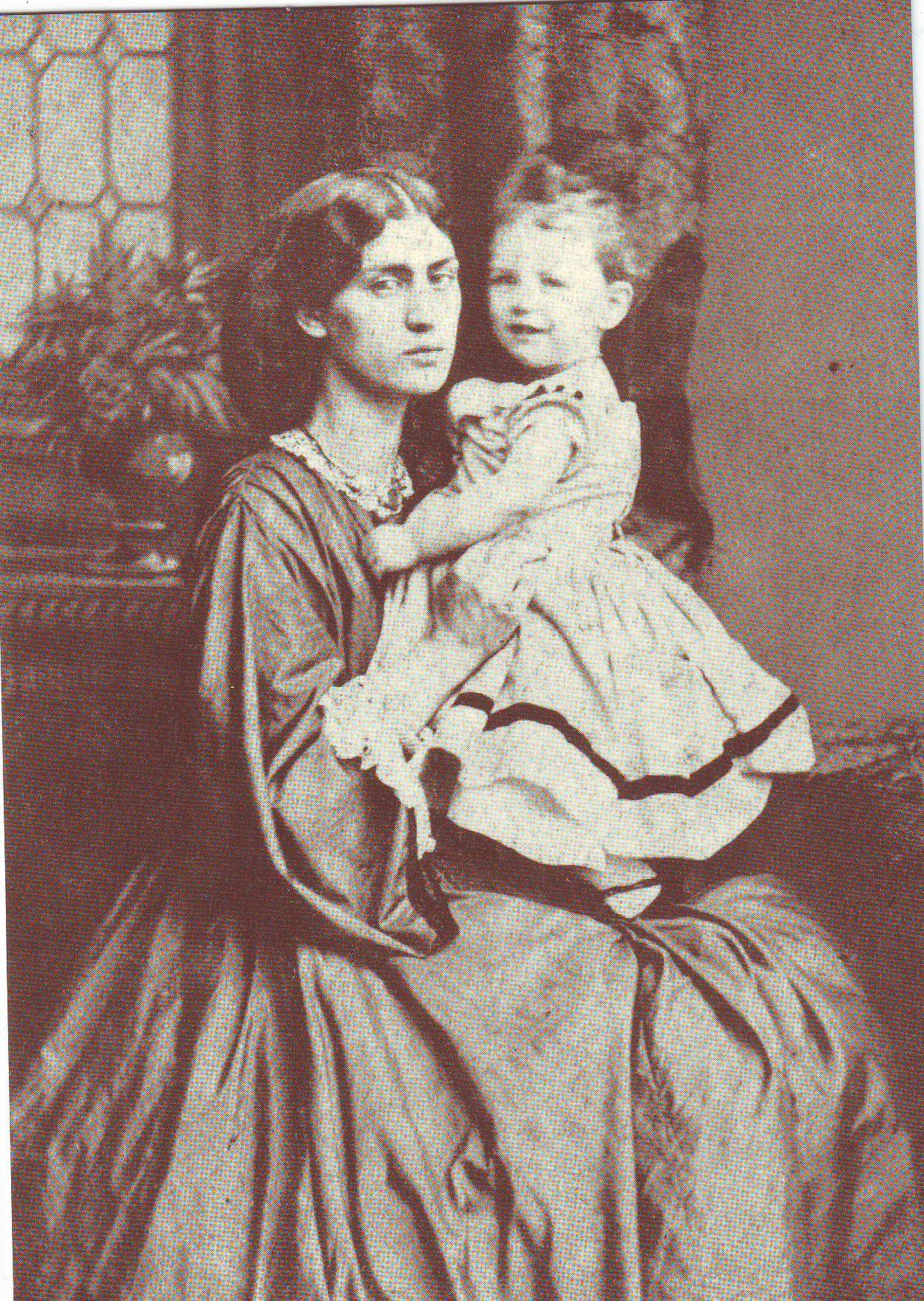
Jane had her first child ; Jane Alice called Jenny in 1861 and Mary called May a year later.
The Morris family moved to Bloomsbury in 1765. By now Jane was suffering from a mystery illness and it would continue throughout her life it was not ever diagnosed. It was considered to be either gynecological and or spinal. However, rather than be invalided out of society she used her condition to her advantage. The archetypal Victorian; semi- invalid beautiful and supine on the couch attracting sympathy.
In the summer of 1869 William took Jane to Koblenz in Germany, when her condition worsened to take the water. They left the girls with friends. By September Jane seemed to have improved and the doctor was able to give her a prescription; a formula of carbonate of soda and salt that suggests he was treating a gynecological complaint. The treatment was to be continued at home using a shower-like contraption to be rigged up in Jane’s bedroom. The journey home went well although Jane did have back pain while crossing the Channel.
William hired a steamship so that the family and friends could make the journey between Kelmscott Manor at Lechlade to Kelmscott House, Hammersmith. Although Jane had been unwell before the trip she seemed to find the experience comfortable and was able to sit and do her embroidery.
While Jane’s daughters were members of the Socialist Party; Jane was not a political animal; for this private person the comings and goings of the Socialist activists in her home at Hammersmith were difficult for her. She did however join a demonstration and march in a procession of the Ladies National Society. It was during the summer of the Pall Mall scandals when W.T. Stead exposed the selling of children into prostitution. She was also a supporter or Irish Home Rule.
In was never a secret that Rossetti and Jane had a close relationship; Jane denied that is was physical as she feared further pregnancy. Also she cared for her husband and was devoted to her children and feared more the difficulties she would have faced if infidelity was proved.
In 1883 a year or so after the death of Rossetti Jane met Wilfred Scawen Blunt, they became lovers. He was already married and a notorious philanderer, poet, explorer and political adventurer.
Although Jane was over forty and still beautiful she was vulnerable from recently losing Rosetti. The relationship lasted another ten years until she was no longer beautiful for Blunt. He would stay at Kelmscott with his wife and children; Jane would invite him to her bedroom by strategically leaving a pansy in his room. On one such occasion he declined the invitation and slept alone thus ‘allowing the love to die.’ They did however stay friends until she died,
In the shadow of her celebrated husband and lovers Jane went unnoticed. She made a calculated decision to remove herself from a life of drudgery when she accepted William’s offer 40 years before. She she was educated privately during her engagement to William. She became an avid reader and proficient in French and Italian. Jane contributed to the political and artistic stage with dignity and poise.
Weekly Photo Challenge … Near and Far … In Brazil and Spain
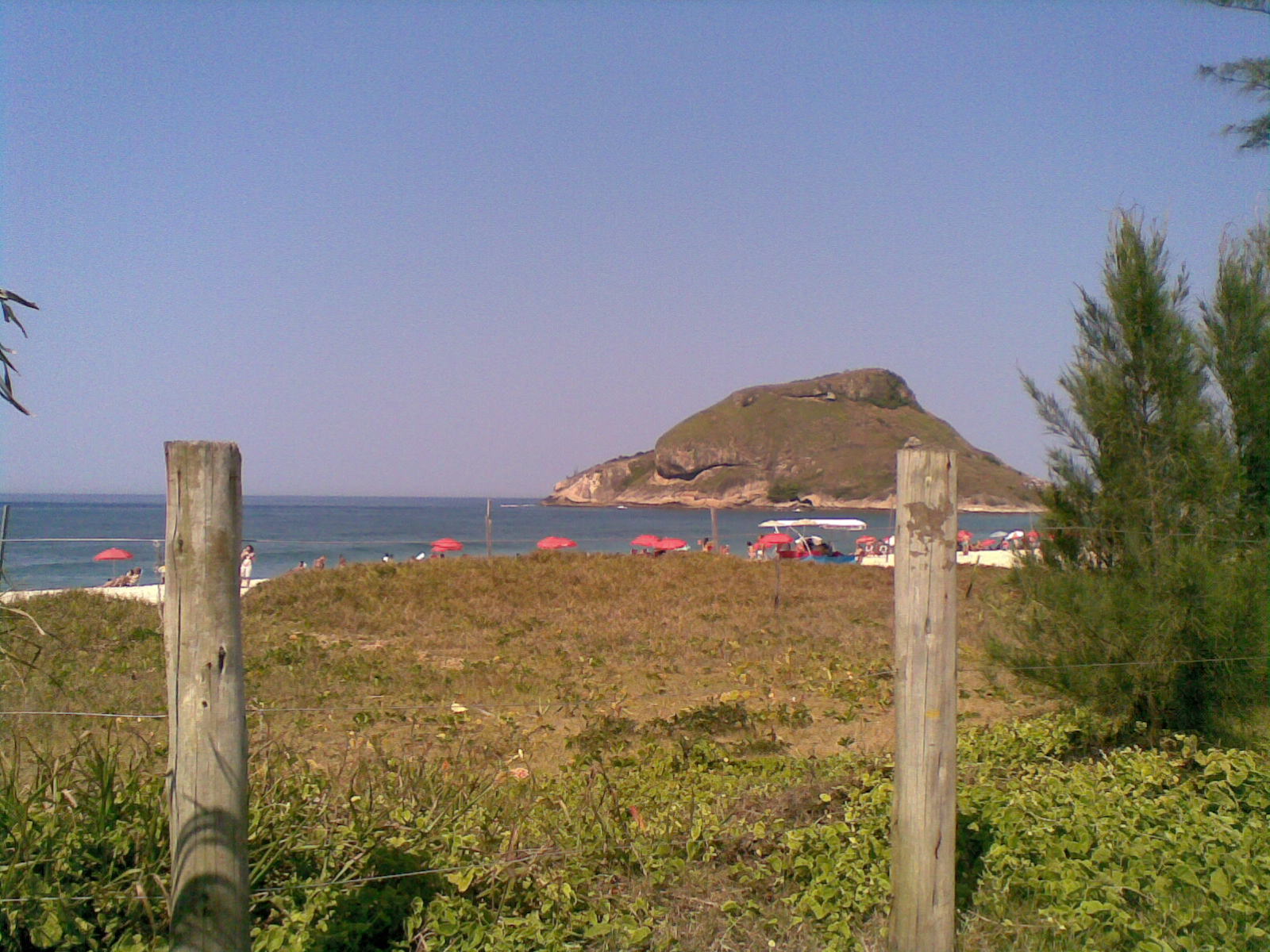
This picture taken by my daughter on the beach at Recreio along the coast from Barra da Tijuca on Sunday afternoon. An image as suggested ‘demonstrating perspective’ a photographic technique to give depth and oomph to two dimensional picture.
However the challenge ‘Near and Far’ is demonstrates the emotional separation of a mother and her child far across the Atlantic ocean … a snapshot across the airwaves for a moment brings near -ness.
Not to outdone by said Daughter here is my attempt to ‘give some depth’ during my last few days in Spain …


These are taken at Comares looking towards the Sierra Navada in the distance.

Last week I learned that …

If one dog has fleas you need not shoot them all …
During recent refurbishment in the library; the department where I work moved to another part of the building. Where the toilet facilities were not so conducive to women’s privacy as we were used to. It has become the norm throughout the University that toilets were now unisex. Some of us including me were not comfortable with this arrangement.
So we began grumbling about our experiences at home. While my situation was not so bad; others were of nightmare proportions.
While staying in the library rooms at Karma Guen; where we do not have the luxury of en suite, we have to share a bathroom. I am usually the only female among 10 or so men; it has been this way for 6 years. During this time there have been Tibetan monks and artists whose bathroom cultural differences are notable.
I can safely say without exception I have never had a problem. I do play a little game; trying to shower etc. earlier or later. The former means I risk: disturbing those who may have only gone to bed a couple of hours before. Or the latter, I am late for meditation.
As regards the other complaints my colleagues shared I have never had these. My bathroom mates were clean, tidy and honourable.
Silent Sunday … You cannot dance quietly, I tried.

This is reminiscent of my recent holiday. I found this image in a tiny quiet street away from the hustle and bustle of the area near the Picasso Museum.
These little shoes are worn by children as part of the Spanish national costume, the dress worn by the Flamenco Dancers of Andalucia. I have not experienced this delight, even though I have been visiting Spain for many years. In truth I maybe thought it was a of bit a tourist attraction and not a true representation of traditional life in Spain.So I eat my words. Since reading about Violeta Parra I have learned that this song and dance ; this very unsilent practice of Andalucia was a vital part of Spanish culture that is slowly being lost. So when I come back next year I want to find out more about this recognised art form. It comes from the Romani; that can be traced back to northern India where Romani originated and still be seen as Kathak dance.

This is a Silent Sunday post inspired by Mocha Beanie Mummy. Check out the rest of the entries using tag #silentsunday on twitter.
Saturday’s supplication
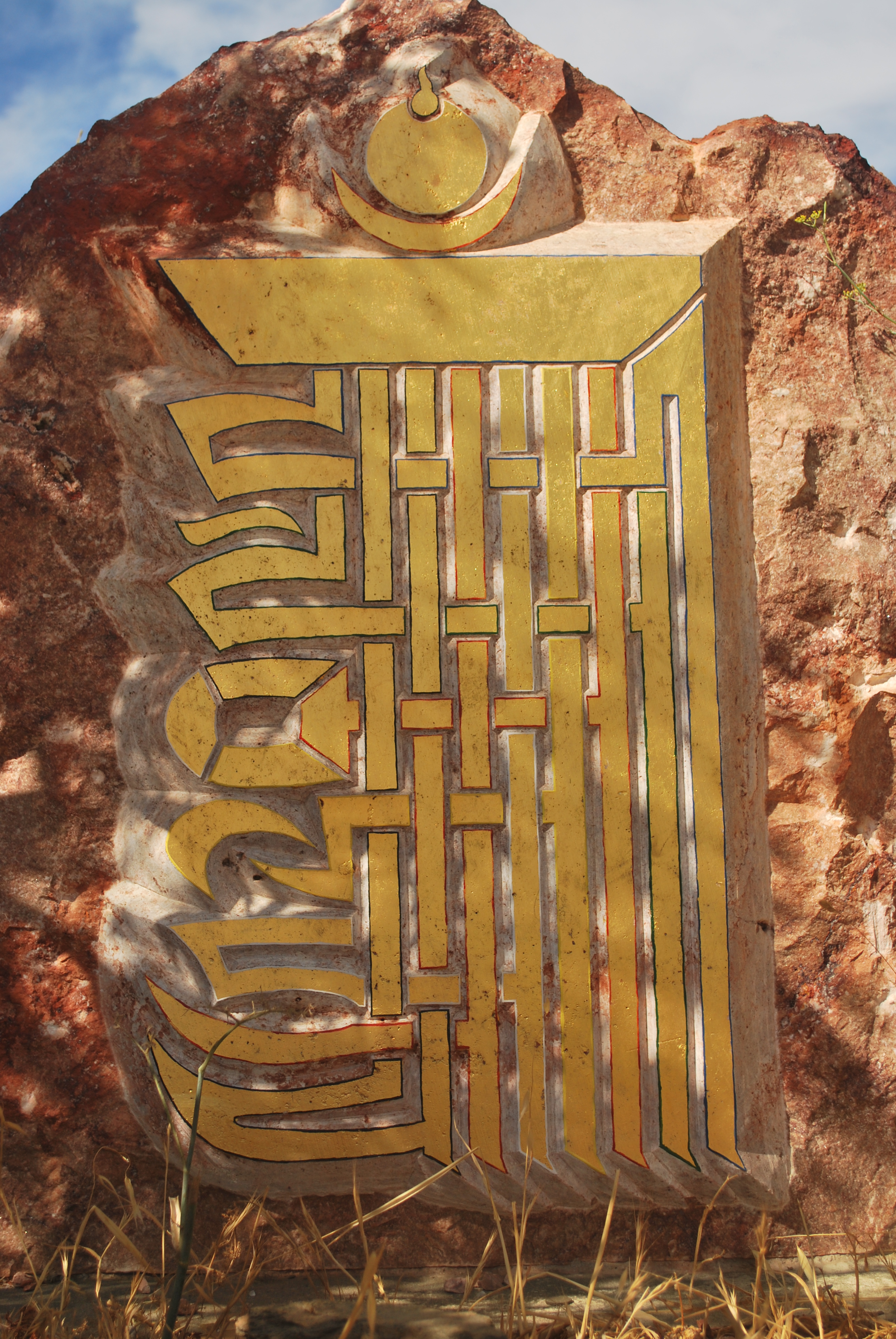
The Mantra of the Kalacakra (the Wheel of Time)
After two weeks of ups and downs, ins and outs, overs and unders … two weeks of life, I consider. Life in a condensed holy place; a limited space. A time of emotional turmoil, a time when truths are uttered. Relative truths of pain and joy.
May I endeavour not to utter truths unless they are true … therefore remain silent.
May I forgive those who dare to utter a truth and find themselves alone and alienated. Also recognise the absolute truth that we are blameless and celebrate a good and fruitful two weeks.
Saturday Centus … Forbidden fruit!
My father was not a communist rather more liberal, but believed that football like religion was the opium of the people. He could and expected his girls to find something better to do on a Saturday afternoon.
My best friend´s dad was a strong supporter of the local team and each saturday he would go to the match. When he returned; he would report back the antics of the football heroes to eager little girls. When England won the World Cup in 1966; I was as patriotic as the next girl.
‘Am I ready for some football ?’
I would say ‘No, now the fun has gone’.

Friday’s Snaphot … a pecha
I have thought long and hard regarding my Friday snapshot coming from Karma Guen. Like RUL Special Collections the books here are special because of their subject matter. However since the European books are mostly post 20th century without fine bindings, illustrations or unique fonts they don’t at first glance appear ´special’
The pechas (Tibetan for book) on the other hand are special; brought from Tibet in difficult and dangerous situations.
Pechas are loose leaf books; with each rectangular page is laid on the other with a cover plate of wood or card either end to protect. For further protection it is wrapped in cloth.
Their production was instrumental to the introduction of Buddhism in Tibet during the 11th century. In the beginning of Indian Mahayana Buddhism it is said of the Lotus Sutra ‘If a good man or woman shall receive and keep, read and recite, explain or copy in writing a single phrase of the the scripture … that person is to be looked up to and exalted by all the worlds’.
In the Scripture of Ba it suggested that paper and ink are necessary materials for the founding of a monastery in central Tibet.
This hand copying was a skill; seen as sign of intellect; being part of the intellectual culture not as a labourer.
Of course some scribes were better than others; it was reported that one such copier was able to write 100,000 lines in a single day. On a smaller scale a student might copy a few pages for penance to his master. Other books were copied for teaching needs or for funeral ceremonies.
In 1411 the first woodblock edition of the Kangyur (an early Buddhist text) was produced in Beijing; even though in Tibet works had been printed since the mid 12th century.
Hand-copying was a costly and time consuming business; but it still continued after the development of printing because of its ‘spiritual’ invocations.
It was noted that the Pakpa in 1274 had his edition of the Hevajra Tantra carved into blocks by Tibetan and Chinese craftsmen and no fewer than 1,000 prints were made. This alone suggests that if Buddhist texts were going to distributed to a larger audience , printing was the way forward.
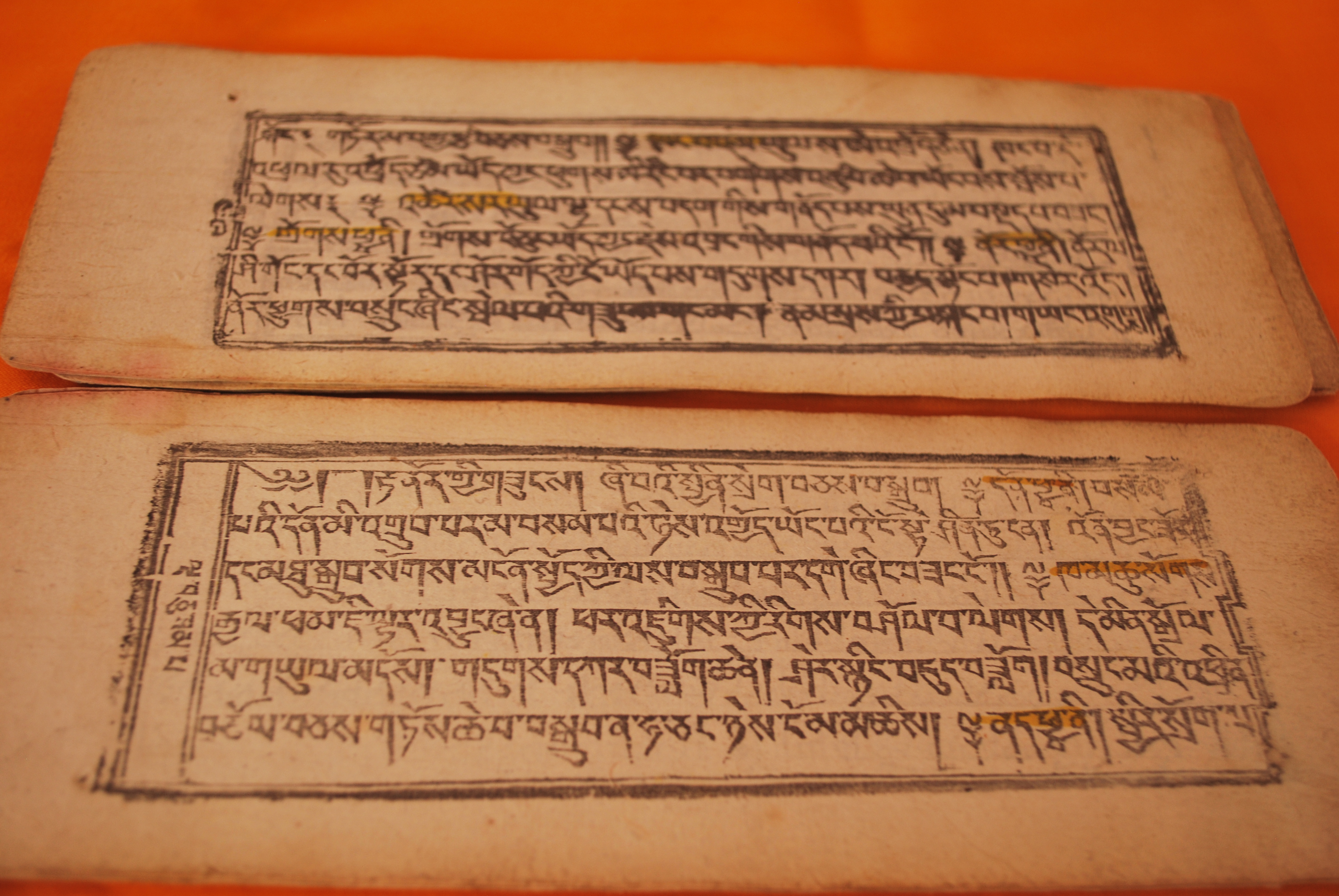
The carving of the block was the most expensive part of the procedure. First a manuscript would be placed onto a blank woodblock so that the wet ink would make a mirror image on the block. The reverse image would be carved to make a printable surface. The finished block would be smeared with ink and the blank paper laid on top; and pressed with a roller.
This operation still needed the workforce of scribes as with any handwritten manuscript project as well as carvers and printers.

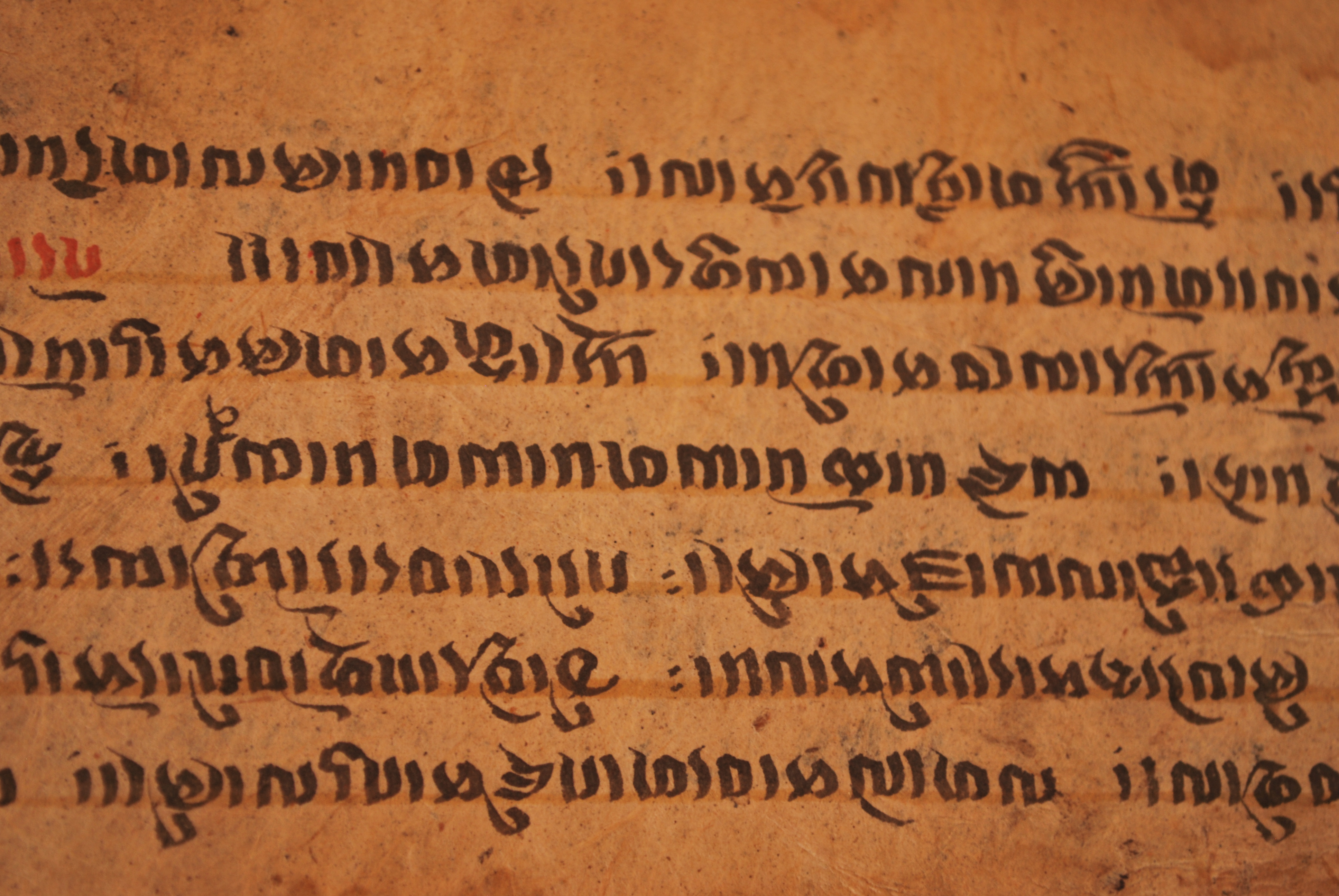
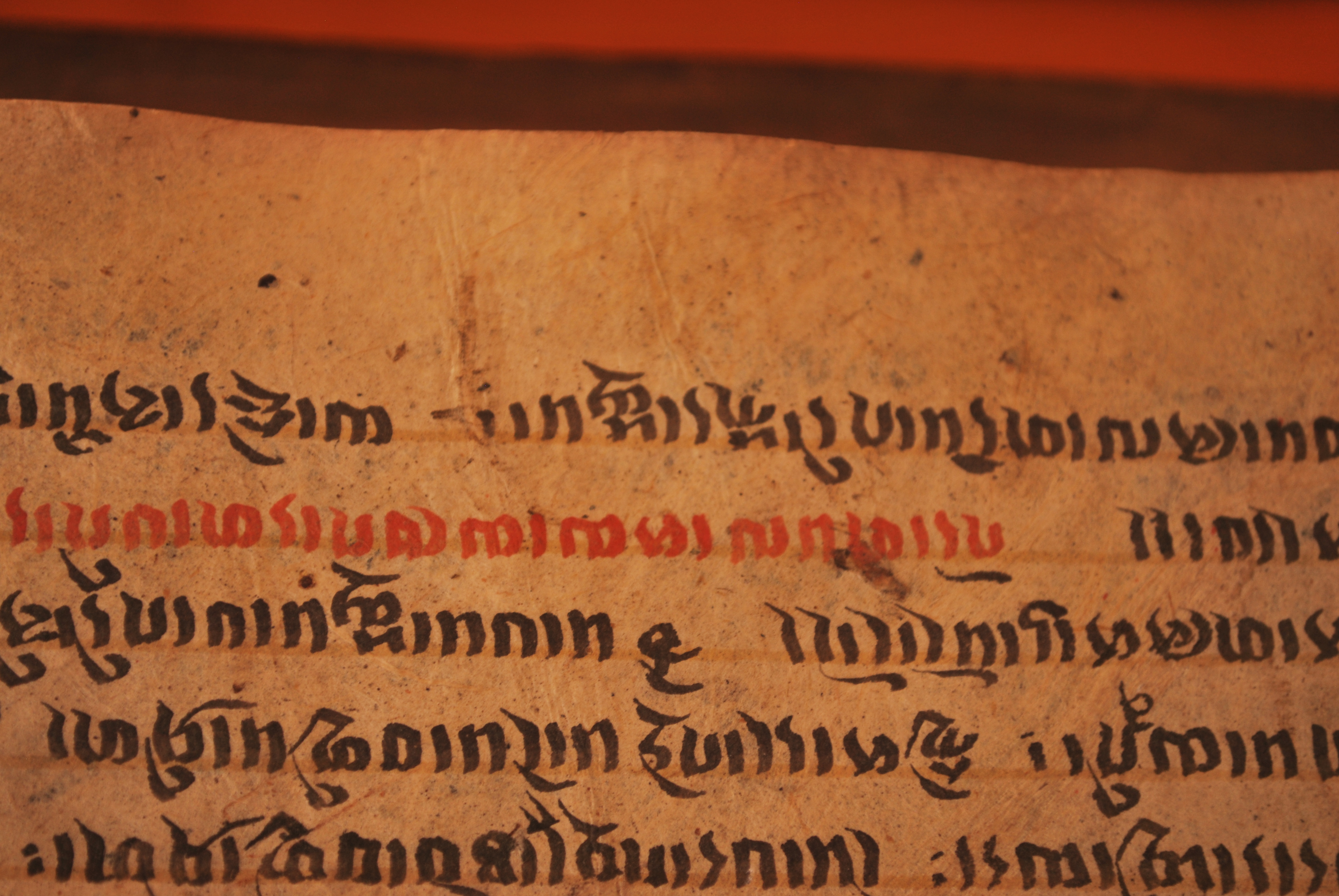
This is very early handwritten manuscript

This is early printed text
Bibliography
The Culture of the book in Tibet by Kurtis R. Schaeffer, Columbia University Press 2009.
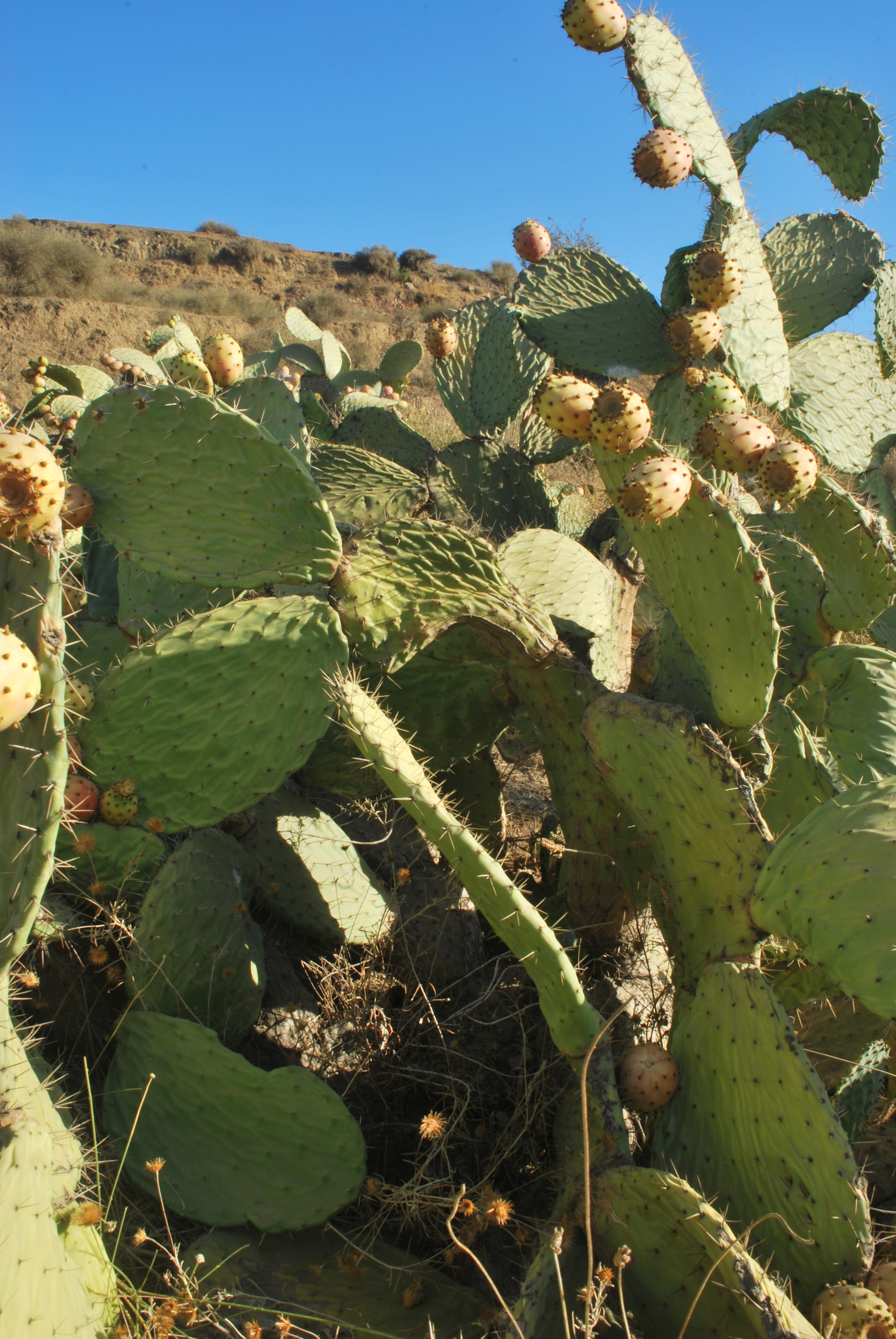
Alphabe Thursday … P is for Prickly Pear (Opuntia)
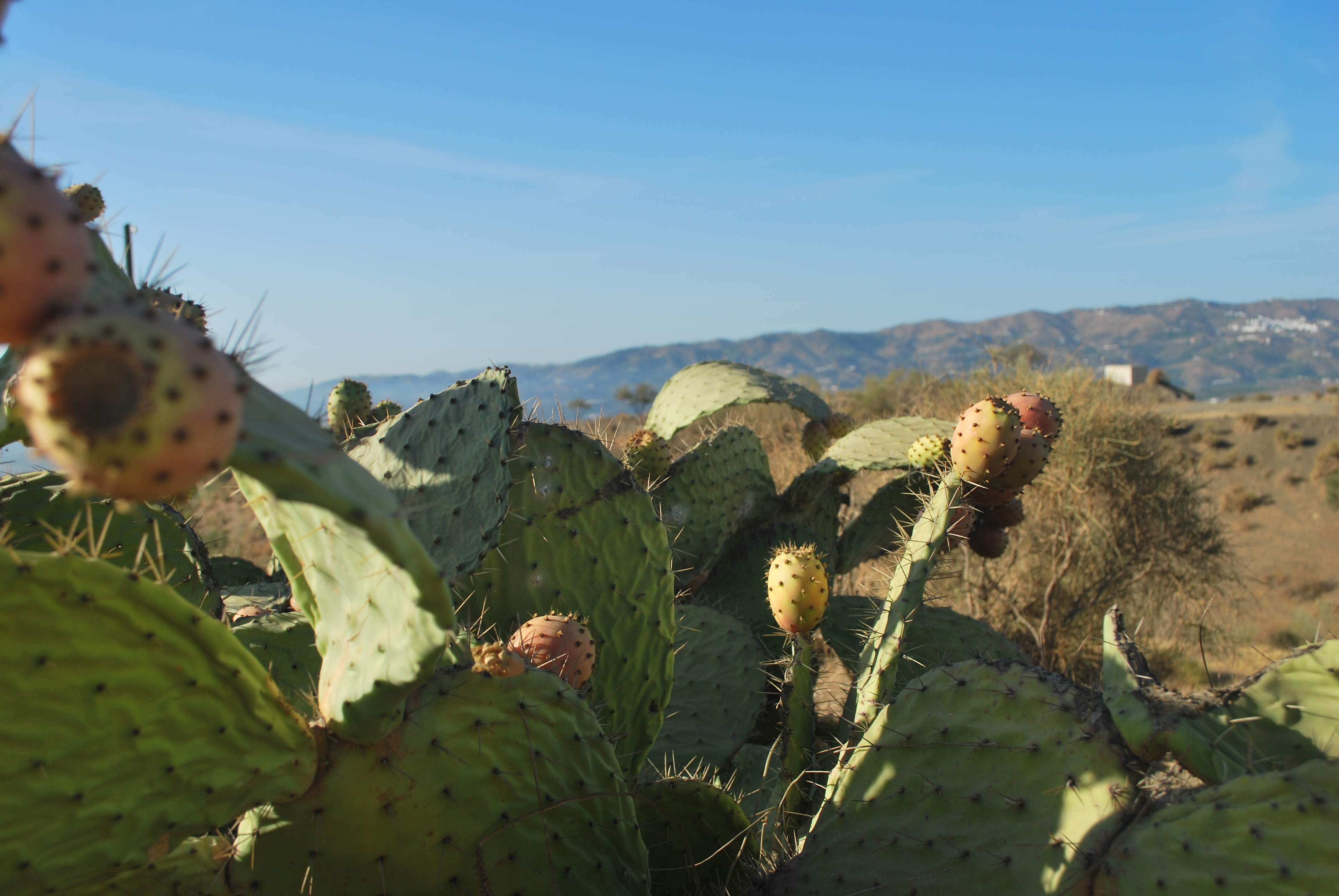
I know little about these rather brutish weeds that grow on the side of the road here up the mountain. I have of course conducted a little research which I will not regurgitate now. ‘Thank goodness’ I hear you say.
However they are for me a little emblem of my newfound love of the Americas.
They were I believe introduced to Europe from Mexico; where they are a rich resource for food, alcohol and medicine. In the 18th century in Europe they were used in gardens as an exotic feature and as agricultural fencing. Also it was used as an attempt to establish the cochineal dye industry.
However they did become an invasive weed; in some farms it formed an impenetrable jungle.
For me they are just weird.


Wednesday´s Wise Woman … Karen Kerschen.

When I started researching and writing for my regular Wise Woman post; I did not anticipate the value of and longevity the blog. Also I overestimated my so called knowledge and understanding of regular writing and its quality. So each week I am ashamed of my attempts to learn and share information about women who would ´knock me into a cocked hat’. Women, I should pay homage to rather than degrade with inaccuracies and lies discovered on the internet. Instead I should do meaningful research and give honour.
So in a bid to rectify my errors in my post about Violeta Parra I decided to read further. Then correct any inaccuracies and improve its readability. Within my capabilties I have done this I hope.
However I think it would be prudent instead to recommend Karen Kerschen who wrote Violeta Parra : by the whim of wind and I quote this book ‘combines a fascinating biography of Chile´s foremost folk singer as well as a poetical insight into Violeta´s passionate, tumultuous life and creativity. This is no doubt, the most complete and sophisticated work ever devoted to Violeta Parra, an iconic symbol of cultural heritage in the Americas’.
 Coat Hanger Doll's House