100 Word Challenge for Grown Ups – Week#77
Prompt …oh my goodness! I nearly forgot…
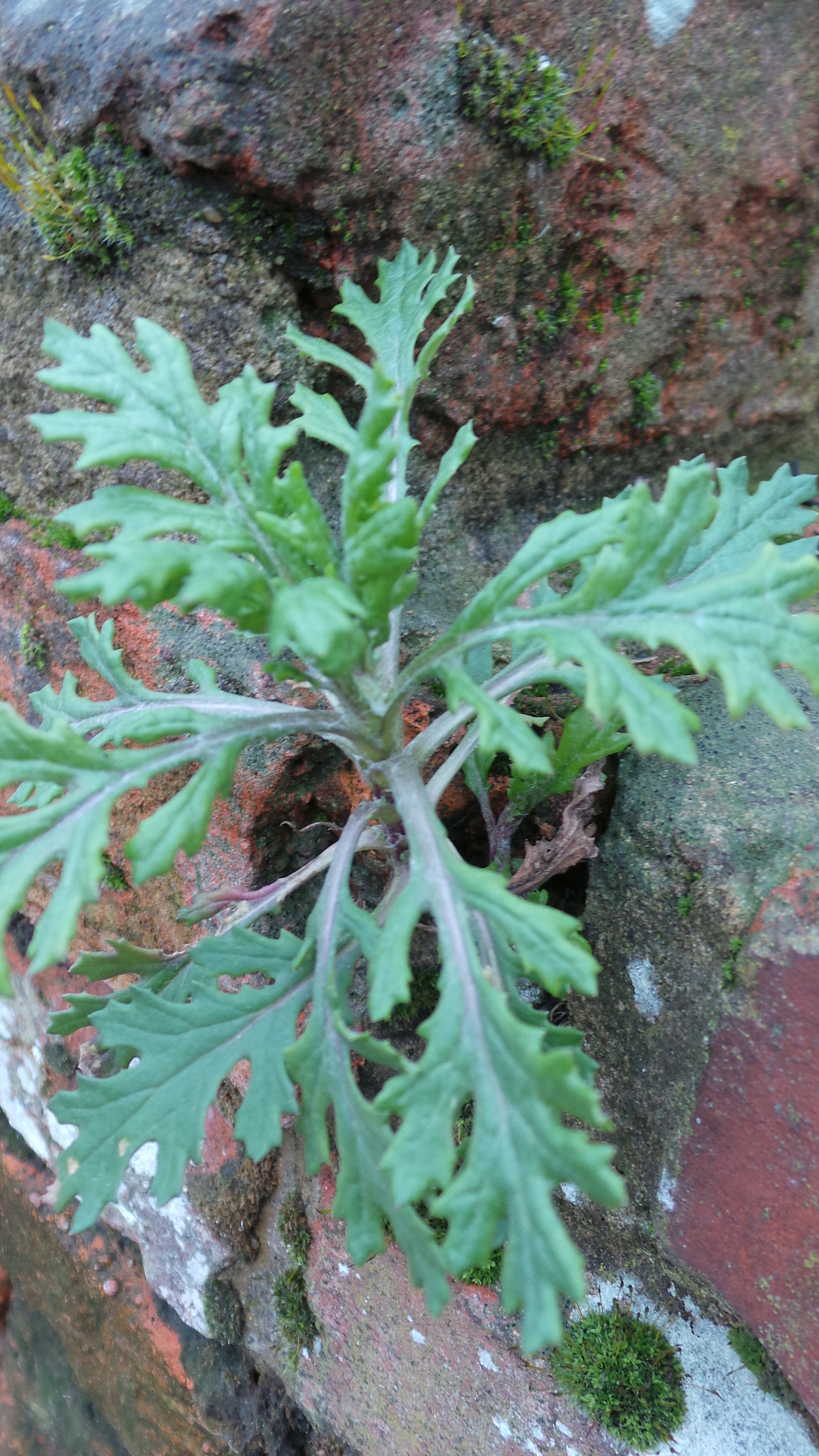
It feels so strange; the piercing sunlight with its silver golden glow on my eyes. I welcome the warmth on my back as I turn from the gate on my way to work. Even the pock marked pavements sparkle. Tiny bright green shoots peep between the cracks and the previous autumn leaves. I surprise a blackbird; singing in the hedge while his mate forages in the undergrowth for tasty morsels by the bus-stop. How peculiar; the children and the beloved carers wander to school, daring not to button up their coats and un-twirl their scarfs. They laugh and chatter. My goodness I nearly forgot winter is over!

Wednesday’s Wise Woman … Sojourner Truth
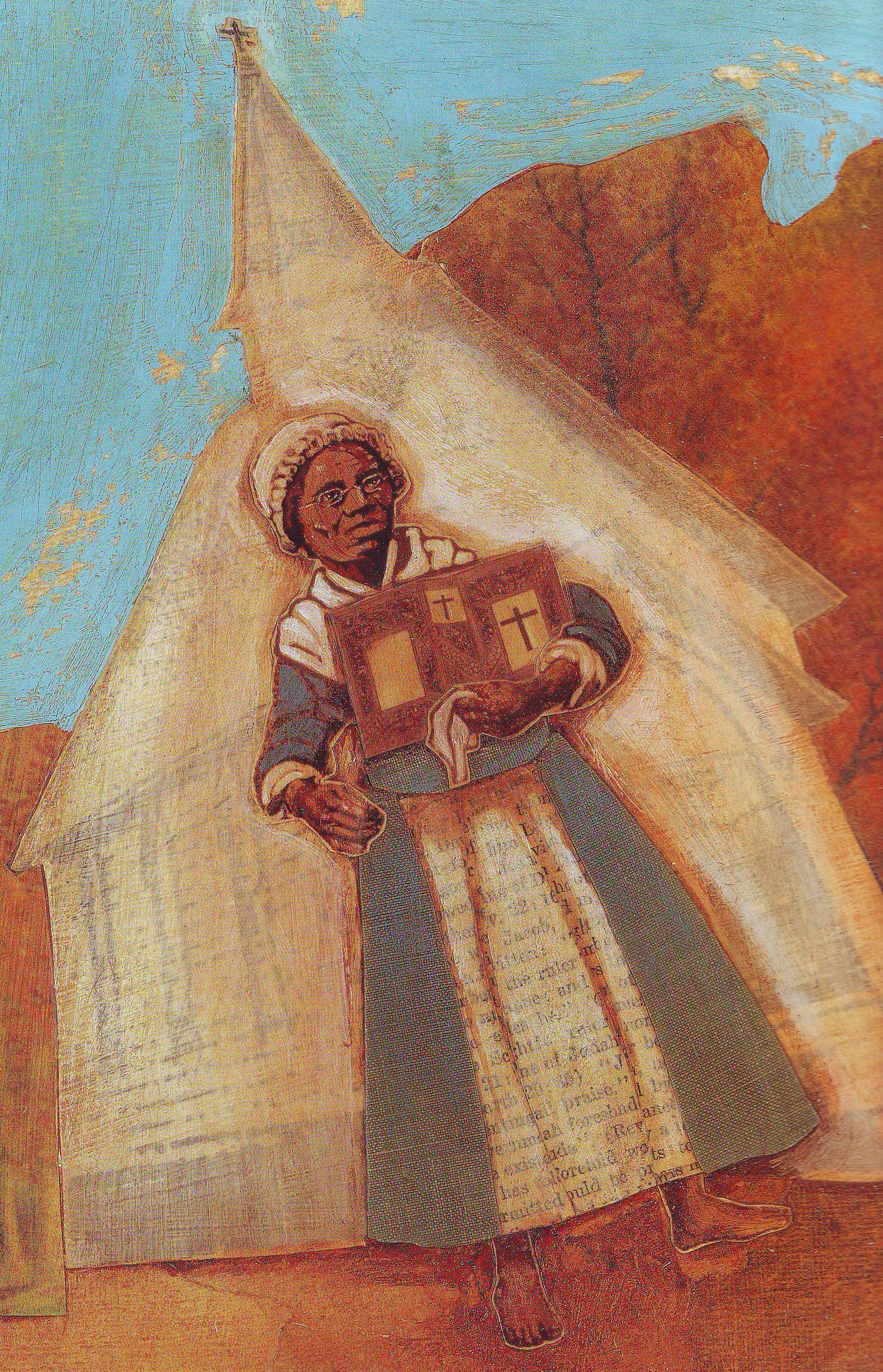
Sojourner Truth (1797 -1883) changed her name in 1843 from Isabella Baumfree; the name she was given by her Dutch owners. She was an African -American abolitionist and a women’s rights activist.
She was born to James and Elizabeth, slaves captured from the Gold Coast. She was one of 10 or 12 children all enslaved by Colonel Hardenbergh. When he died, she at 9 years was sold at auction with a flock of sheep. Sojourner , known then as Belle was cruelly treated by a succession of owners.
In 1815 Sojourner met and fell in love with a slave called Robert from a nearby farm. The relationship was forbidden because Robert’s owner could not claim any children they might have.
Robert was savagely beaten to prevent them meeting as a result he died a little later. While expecting Robert’s child she was forced to marry another older slave named Thomas and went on to have 4 more children .
In 1799 the state of New York began the abolition of slavery but it was not completed until 1827. Sojourner’s master agreed to free her before the ‘state of emancipation’ however he changed his mind and she remained, expected to work harder to earn her release.
Later in 1826 Sojourner was able to escape with her baby daughter. She had to leave her other children because they were still legally bound to the master until they reach 20 years of age.
She was able to recover her son later through the courts and became the first black woman to win such a case against a white man.
The first thing she did when she won her freedom was change her name. Sojourner means traveller; and she did. She travelled the country, on foot preaching against slavery and the racism that caused it. She was a very tall woman; with a loud voice and a forthright disposition.
Although she could not read or write she had memorised long tracts from the bible. She learn well and would find herself in ‘white only’ churches arguing with the preachers about the scriptures. When challenged she would defend herself and the African -Americans who had been enslaved and mistreated all over America not just the south; with her only weapon – words.
She went to great lengths to remind the white people that the black community had a voice. However, this made her very unpopular and she was threatened and abused in many places that she visited. Unperturbed she stood up courageously for the most American tradition ‘freedom’ and maintaining her right to ‘freedom of speech’ help to win freedom; then, and for future generations of African Americans and women.
Further reading Peaceful Heroes Jonah Winter illustrated by Sean Addy
Weekly Photo Challenge … Home
… is where the bag is

The house I am living in has been my home for the last 23 years: I have no immediate plans to move on. Although for the previous 40 years I was a nomad; beginning my life on the rivers edge in a houseboat crafted by my father as our home after the city devastation of WWII. I continued to live as and where I needed.
However, I have accumulated some belonging that make nomadic live less attractive; so rather than, ‘home is where the heart is’ … because actually my heart is often in Brazil!
my home is where I am.
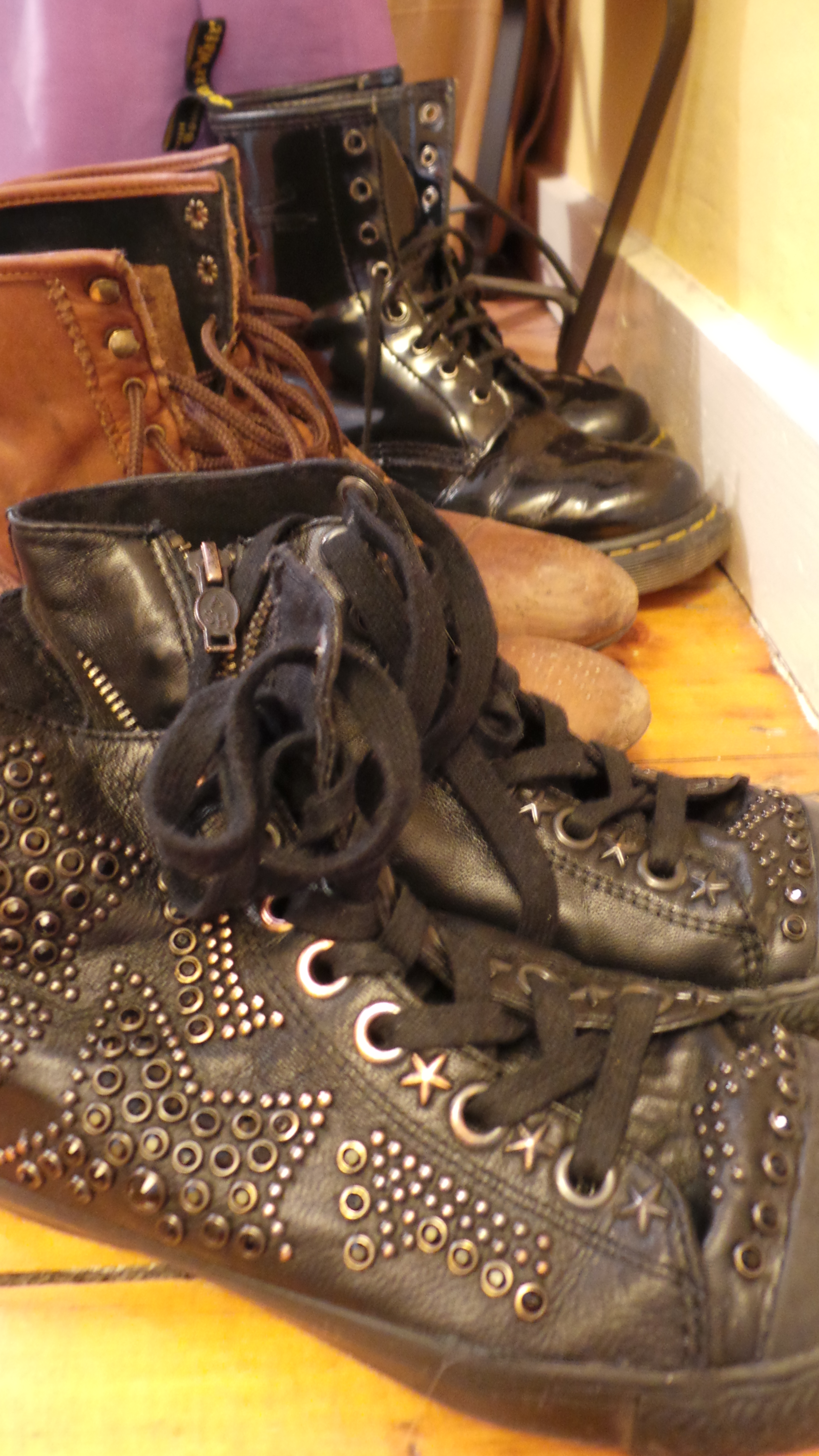
Doesn’t look as if I am going anywhere yet!

Last week I …
![image001[1]](https://nelabligh.com/wp-content/uploads/2013/02/image0011.jpg)
‘Read’ in Horyig Script
Last week it was my birthday and to mark it I had a new seal designed and made by Tashi Mannox. While it has been made I have not yet taken delivery of it.
Meanwhile i thought I would share it with you and its significance.
This is my second seal; the first had to celebrate my 60th birthday.
This one although coincides with my birthday is more a celebration of my blog and its growth.
Seals take many forms; widely used in the East are becoming popular in the West.Used like badge to represent a family or organisation. They may be incised with name or pictorial design representing a a quality or desire for instance my daughter was born on the 8th August 1988 in the year of the Dragon her seal depicts that precious day.

My first one says ‘ Goddess’ in Yin script.

The seal can be used of applied as a signature to authenticate artwork or correspondence or as a badge or icon on Twitter or Facebook as I have.
Silent Sunday …


Trifextra Reading Challenge
This Trifextra challenge is new to me … we have been asked to scour through our favourite pieces of literature and select the best 33 words. I have chosen Anne Dillard’s Pilgrim at Tinker Creek. Although I have not read it from cover to cover yet I often dip in …
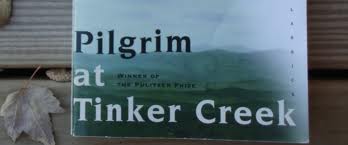
Slow it down more, come closer still. A dot appears, a flesh-flake. It swells like a balloon; it moves, circles, slows and vanishes. This is your life … tracing on the surface of mystery.

Saturday thoughts …

This week of my birthday has been mixed; allsorts of things have happened. As the week progressed so the little events came and went, Also my Saturday ‘post’ remained unconsidered. There is nothing unusual in this; in fact it is perfectly normal. I never write it before Saturday morning; it is its nature. Unlike the rest of the week including ‘Silent Sunday’ each post is carefully prepared the evening before.
As regards Saturday; as the week progressed each seedy event that loomed embroiled in my mind as a likely subject; the petty quarrel, the lonely misjudgment throbbed like a sore thumb! Unnoticed went the birthday good wishes, hope and good repair.
Instead the angry thoughts, recriminations and distaste I remembered. During the night I woke with clever one-liners ringing in my head that echoed my hard-done-by-ness. Neat remarks that would remind you that my boss was against me etc. etc.
As I came down the stairs so the pen was poised ‘WHY?
The truth is I have had a good week; I received a Good Achievement Award. My work experience student, who has been shadowing me (and doing a whole lot more beside) for the last few months has won a post as a Graduate Trainee at Cambridge! It was my birthday as already noted. I met with friends and had fun! Working for 99.9% of the time; I was unaffected by any negative vibes(previously discussed)
I had a meeting that didn’t go according to plan…
Why is it I want to to tell you about this and win some sort of sympathy vote … I will never know!
Friday’s Library Snapshot … Vesalius


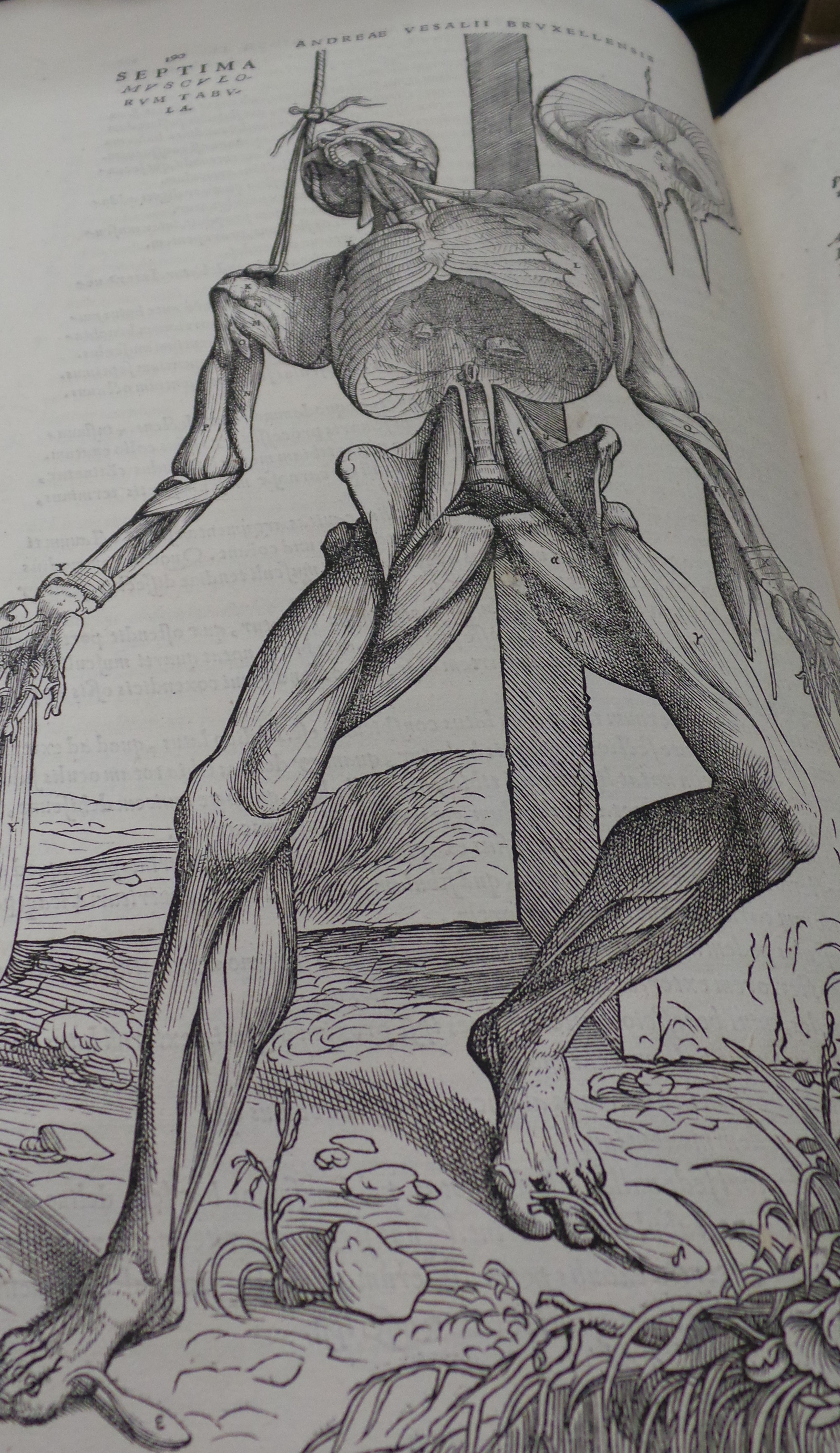
De humani corporis fabrica libri septem by Andreas Vesalius, 1514-1564 ; Wood-engravings by J.S. van Calcar
‘On the fabric of the human body ‘ by the Brussels born physician Andreas Vesalius (Andries van Wesel) marks the birth of the anatomy as a science. It contains an elaborate, accurate, clearly constructed and illustrated account of the dissections by the author. Empirical research replaces the customary reiteration of accepted views from classical antiquity, especially those of Galen (AD 129–c. 200/c. 216)
This book is especially enjoyed by work experience students who are excited by a very old book. with a familiar author if they have recently been studying history of science at school. One visitor from Brazil was interested in all the 15th century books as it would seem they were published before his country was discovered!
Further reading The book of books: 500 years of graphic innovation edited by Mathieu Lommen.
Alphabe Thursday L is for Latin Libri
The ancient Romans spoke the language of the district in which they lived which was Latium in Italy Therefore their language was called Latin not Roman.
Latin belongs to the family of languages known as Indo-European, which includes Sanskrit, Persian, Greek, Italic, Celtic, Germanic (English) and Slavonic.
The imperial power of Rome made Latin the general speech in southern and western Europe, and from it came the Romantic languages such as Italian, Spanish, Portuguese, and Romanian.
The earliest examples of Latin language we have are inscriptions and fragments of songs, hymns, laws and annals. However literacy activity and actual speech did not begin until the third century BC. Until then in most branches of literature the Romans were indebted to the Greek models; the influence of Greek civilization on Rome began with the commerce between the people of Latium and the Greek cities of southern Italy and reached its fullest development after the conquest of Greece by Rome which was completed in 146 BC.
The first Latin author, known to us is Livius Andronicus, a Greek of Tarentum. When he was taken prisoner of war he became a teacher at Rome and produced Latin adaptations of Greek plays. (240 BC) The works of the writers that followed in that and the next century are no longer extant. Although the comedies of Plautus and Terence and the prose of Cato still remain. (220-160 BC) Thereby for centuries Latin remained in use for the highest literary compositions. letters, legal registers administrative and technical writings and became Classical Latin It was around the 9th century AD when an early form of French was reported and the variant forms of ‘vulgar’ Latin became the the Romance languages.
However Latin (Medieval) did survive in scientific and philosophical works and the Roman Catholic Church still uses it for official purposes. An example is shown here with a reference to the a Greek
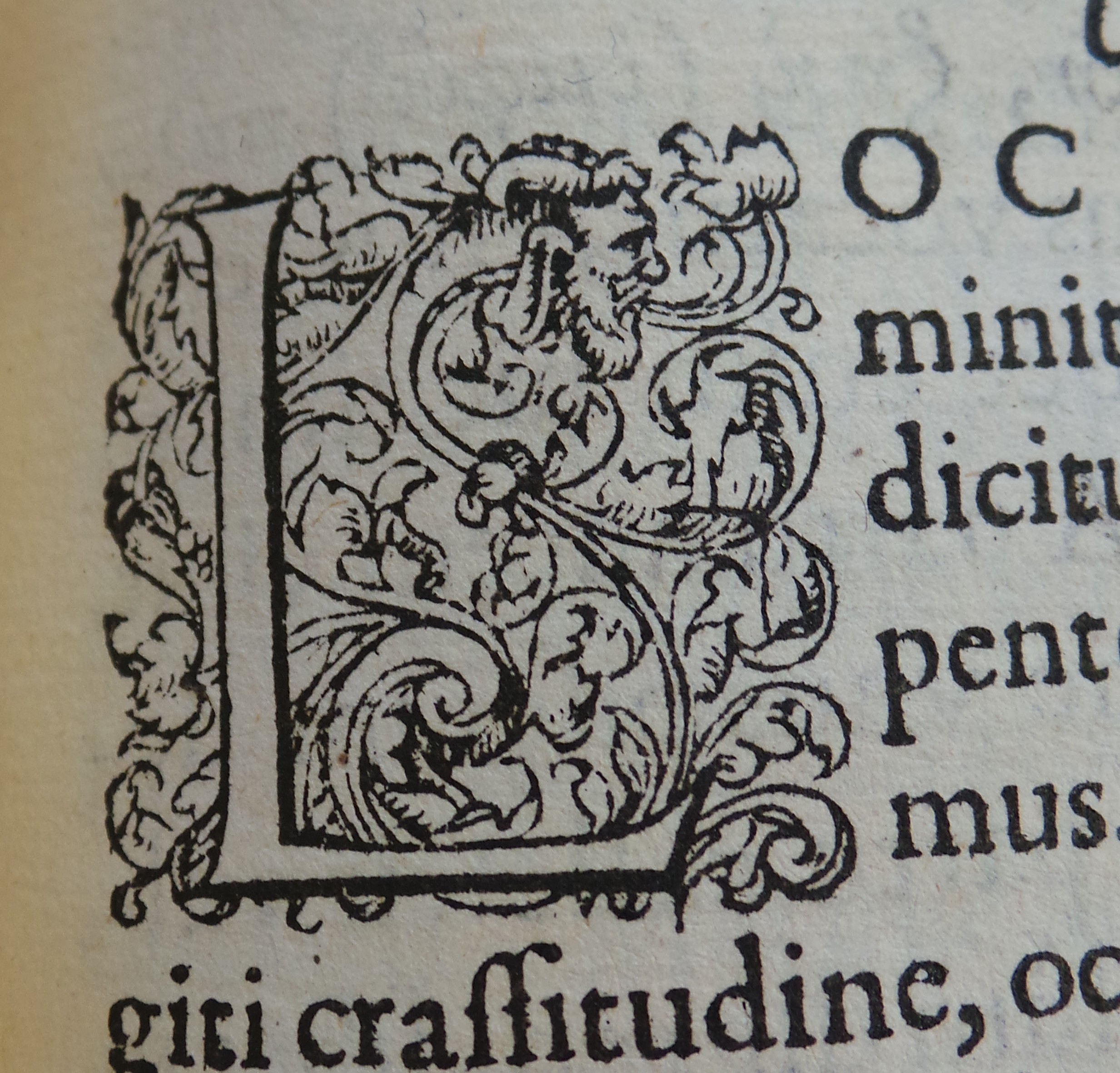
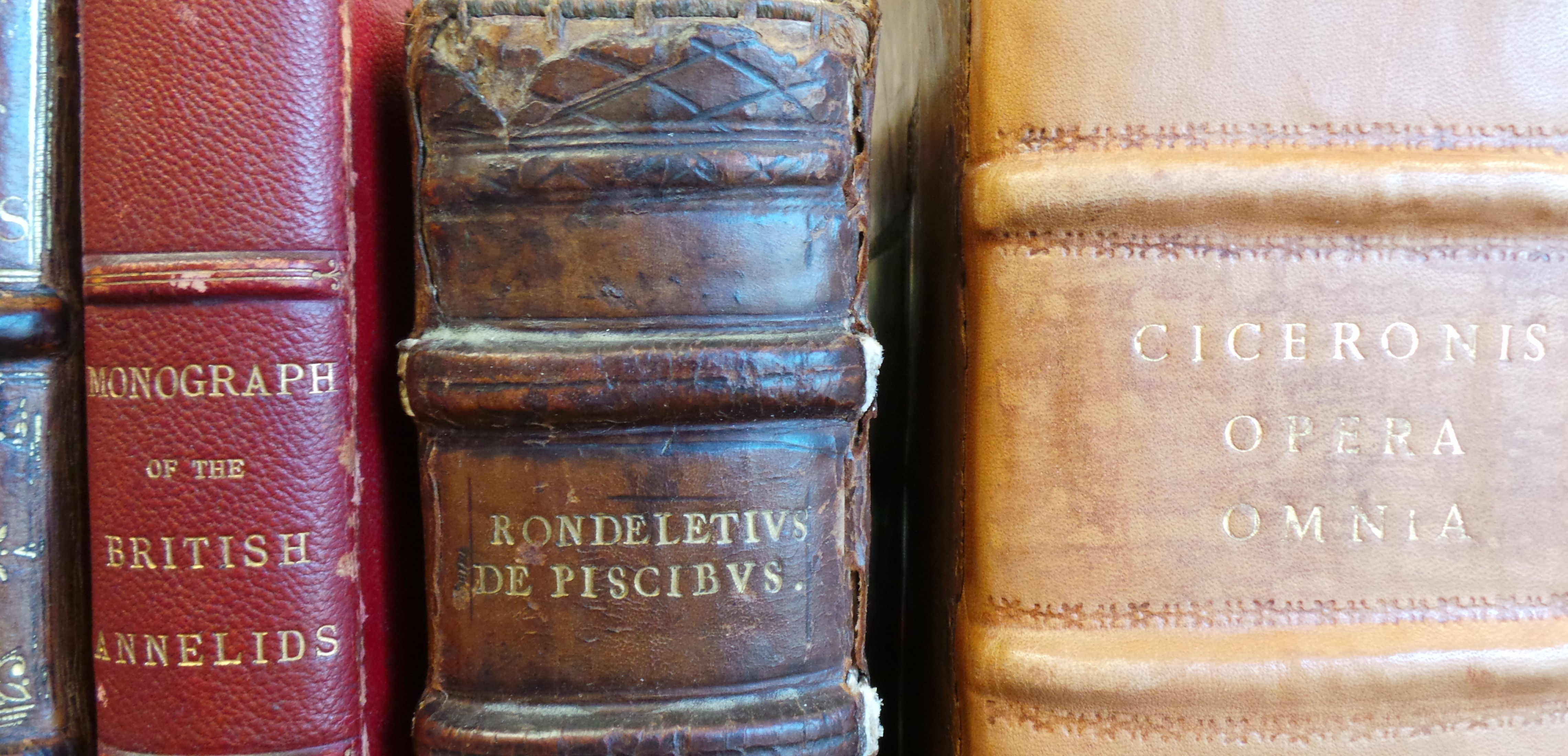

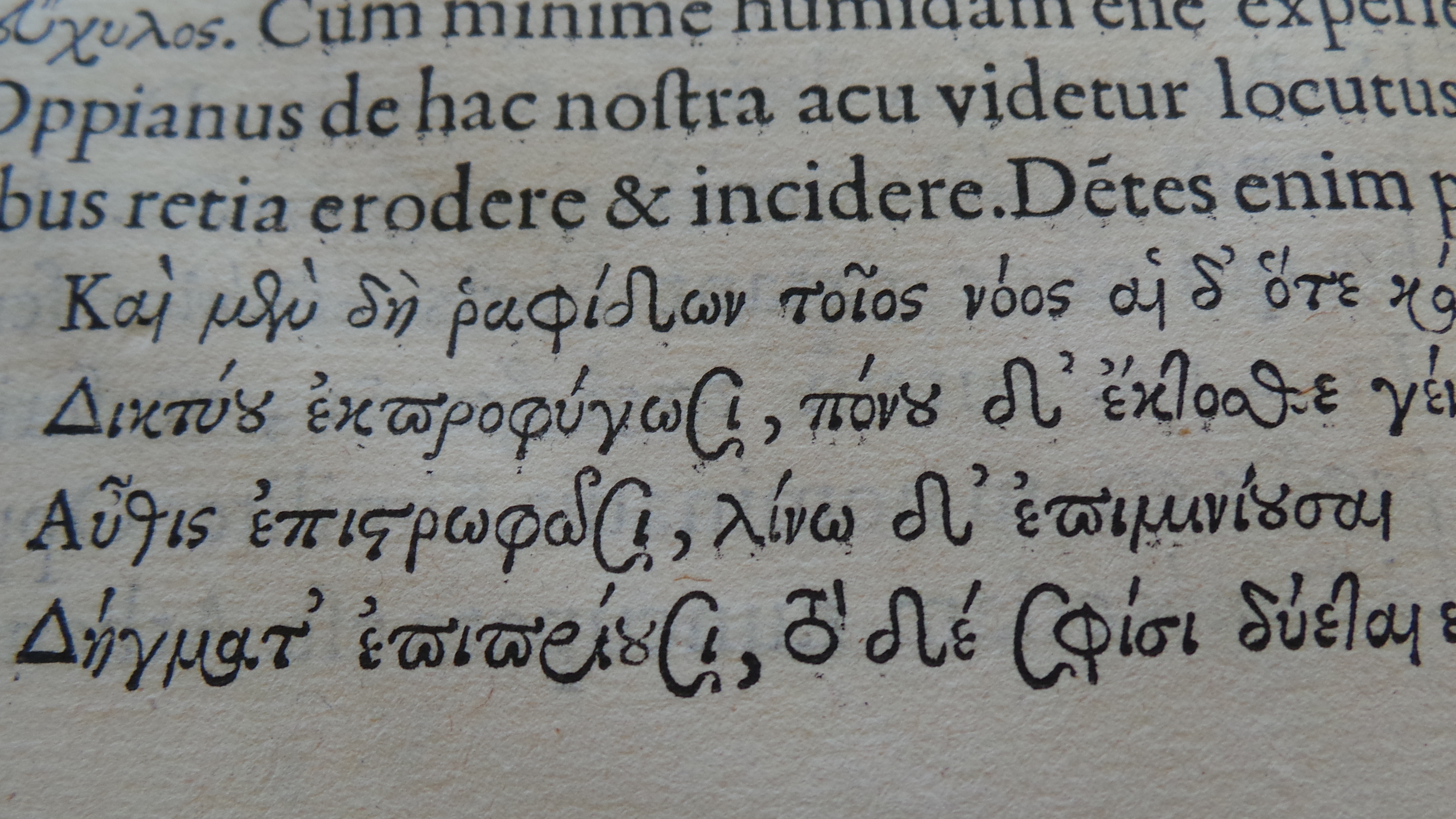
Libri de Piscibus Marinis


100 Word Challenge for Grown Ups – Week#76
….beneath the surface…
Vellum from the Latin “vitulinum” meaning ‘made from calf.’ It is a translucent material produced from the hide of a young animal; used in the production of books and scrolls.
First it is washed with water, then with lime and soaked for a few days to soften and remove the hair. The skin has two distinct sides; the inside layer is lighter and delicate. The outer layer may still have hair follicles and some scarring. There is a membrane that shows the pattern of the animals vein network which is rubbed, so that just beneath the surface the ink will adhere well.

Book of hours written on Vellum early 15th Century
 Coat Hanger Doll's House