Alphabe Thursday … P is for Samuel Pepys.


While we look back to the 16th century and the practice of walking, the castles were beginning to turn palaces and mansions. Some with long narrow passages going nowhere in particular, built into the design. Doctors even then were advocating the need for a daily walk. So when inclement weather prevented a walk taken outside these galleries were used for the constitutional stroll. Soon the gallery became the place to exhibit paintings and to preserve health was no longer the point of the exercise. Queen Elizabeth I had a raised terrace built at Windsor Castle and walked there daily before dinner as long it was not too windy.
Although, it seemed walking then was more for health than pleasure, some joy must have been experienced. Still, some walkers did not enjoy the landscape so much, Samuel Pepys for instance, while walking in St James’s Park after dinner, notes in his diary the way in which the water pumps work there. A couple of years later while walking with his wife in White Hall Garden he was most interested in the lingerie of the king’s mistress as it hung to dry in the privy garden.
It was society that interested him, not nature, and landscape was not yet a significant subject for British painting and literature, as it was to become. Until the surroundings became important, the walk was just movement, not experience.
Images from Samuel Pepys / by Nicholas Abbott, with illustrations by Roger Hall.

Wednesday’s woman wood engraver …


I have mentioned Mary E. Groom (1900-1968) before in a previous blog post and while she also exhibited in the Oxford Museum in 1979 I know little of her. Except that she studied at the Leon Underwood School of Painting and Sculpture. She was also a founder member of the English Wood Engraving Society. Shortly after completing her training she returned to her family home and little is known of her until in 1936 when she produced 30 wood engravings for Paradise Lost and 12 for Roses of Sharon for the Cockerel Press.
I like her style and would like to find more works.
Weekly Photo Challenge … Reward
This is a difficult challenge, first it is difficult to measure reward, either that we give or that we or receive and, second illustrating it. I, for instance practice and enjoy good manners, but do not expect reward in return. I work hard but do not expect more than a fair salary, the reward is personal satisfaction in a job well. Being a parent is a pit of reward, unrequited and full blown reward that cannot be measured or recorded.
Also, reward is for over and above the call of duty and I don’t think this is celebrated in the way is should be. We live in a culture of horror, abuse and blame those who address it are often overly celebrated and frequently overpaid. While, those who care for the poor and vulnerable daily, deserved of reward and reasonable income are ignored.
On a personal level, reward is rarely acknowledged, we are far more likely to reprimand ourselves for a small job undone or badly than reward ourselves for a wonderful achievement. I come from a generation who did not encourage a self- congratulatory spirit, boasting was unseemly, and big head was degraded.
So, some of us have become overly self-effacing and self -harming. It was only recently when I wanted to address my place in this world of blame and low self worth, to celebrate small and pleasing events not just self praise but real rewards … cake, tea, new frock, a day(s) of learning etc. So, reward, reward, we cannot get enough. Lets do it for ourselves and each other.
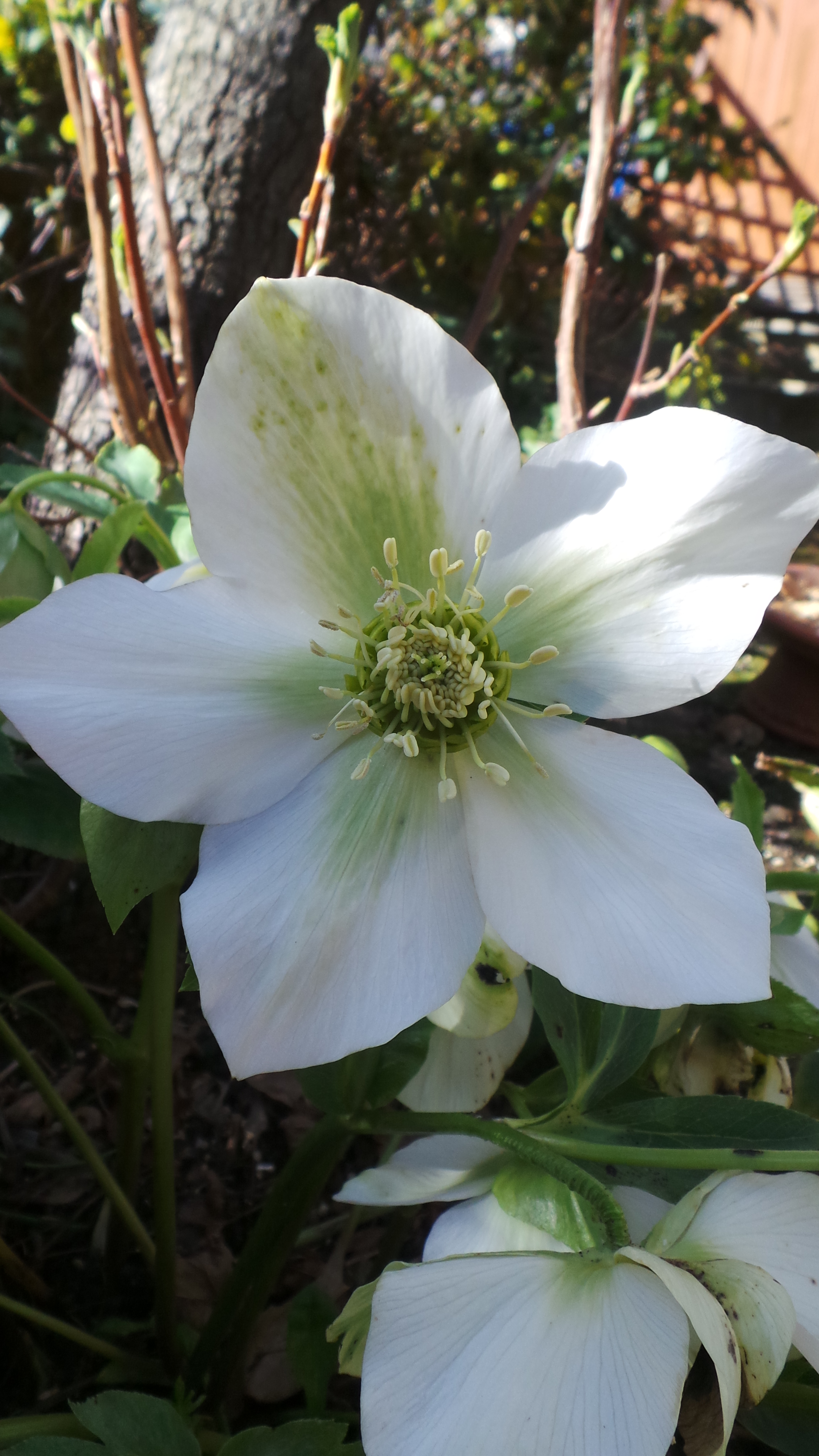
However, I still have a dilemma; how do I illustrate reward? This hellebore in my garden this morning is reward enough …. Thank You
Happy 450th Birthday Rio!?

Rio is still a child …

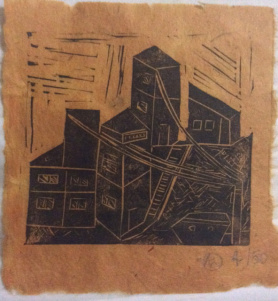 The little black boy is probably from Rio, it is 2015, a historic moment, the city faces an uncertain future, imagined in our fruitless fantasy of “what will be?” Little black boys don’t have certain futures: the police could kill him or the state abuse him. If he keeps mum he is an outcast, if he speaks out there will be someone who wants to shut him up. The black man, once himself this black boy, imagining his son’s future, weeps in the silence of a Friday night because Saturday is no day of leisure.
This is a text that was written by Elieser E. Borba and translated by AJW.
The text was inspired by “O Menino Preto” by Elieser E. Borba. O texto foi inspirado por “O Menino Preto“.
Last week I …
Last week I had a one to one session with a ‘real’ printmaker. Although I have had a few lessons over the last couple of years I am pretty much self taught with a mish mash of methods, tools and ideas.
I have worked hard and accomplished much and my work does have a pleasing look.
However, my worked lacked a good finish in fact my work remained consistently unfinished.
I felt that if I want to show my work and sell it then I must learn, develop and maintain good practices.
So after making my way to Margate and the Hello Printing Studio, Nick, well primed with the idea that I work better with tea the day began.
Learning about paper, about how to prepare it ; cutting, tearing, and their values for the press whether by hand or not; also right or wrong side.
Which are valuable lessons already!
The fog began to lift!
The use of an etching press like the one I have, making the press work for me, be its master, rather than the other way around.
We also made some comparative observations and the value of using a mat, different ink rollers, wet or dry paper, etc; personal choices that only I can make.
Then, the use of a barren with Japanese mulberry paper remembering, for a fine finish this is a long methodical task … it cannot be rushed.
Registration; a simple technique that for me thwarted the need to rush the printing, thus making irretrievable mistakes.
The use of inks, mixing colours, along with housekeeping tips that bring order to an area that can become contaminated when not looked over carefully.
All good lessons for one who is inclined to rush or too arty to be careful.
I learned to clear away in a gentle but military fashion without the use of harsh chemicals and loud expletives.
I learned how to sharpen my tools a very technical but pleasant job to be done more frequently than I thought.
So my 5 hours were a mix of joy and painful home truths ; but I had plenty of tea to alleviate the hurt … I wish I had done it sooner, but at least now I know the right, wrong and (in)different methods and how to make calculated decisions in my printmaking with pleasing results.
I don’t want to loose my style or undermine my artistic spontaneity, rather use them with good habits and more reflective actions to work professionally.
Of course, this will not happen overnight and there is still a need for play and experimentation. So the next few months will be spent galvanising these new found skills and learning patience.
Yesterday, I began working again while is is easy to see the failings or horrible results of rushing, poor or no registration, blunt tools, sloppy inking, working in a mess, no planning etc etc., there is a long road ahead. I will practice my new found skills regularly and find a printing community in Reading where I can maintain good practice in a conducive atmosphere.
So meanwhile on my cake stand the result of yesterdays printing not perfect but I know how I did it and what needs to be done!


Silent Sunday …

Friday’s Library Snaphot ….


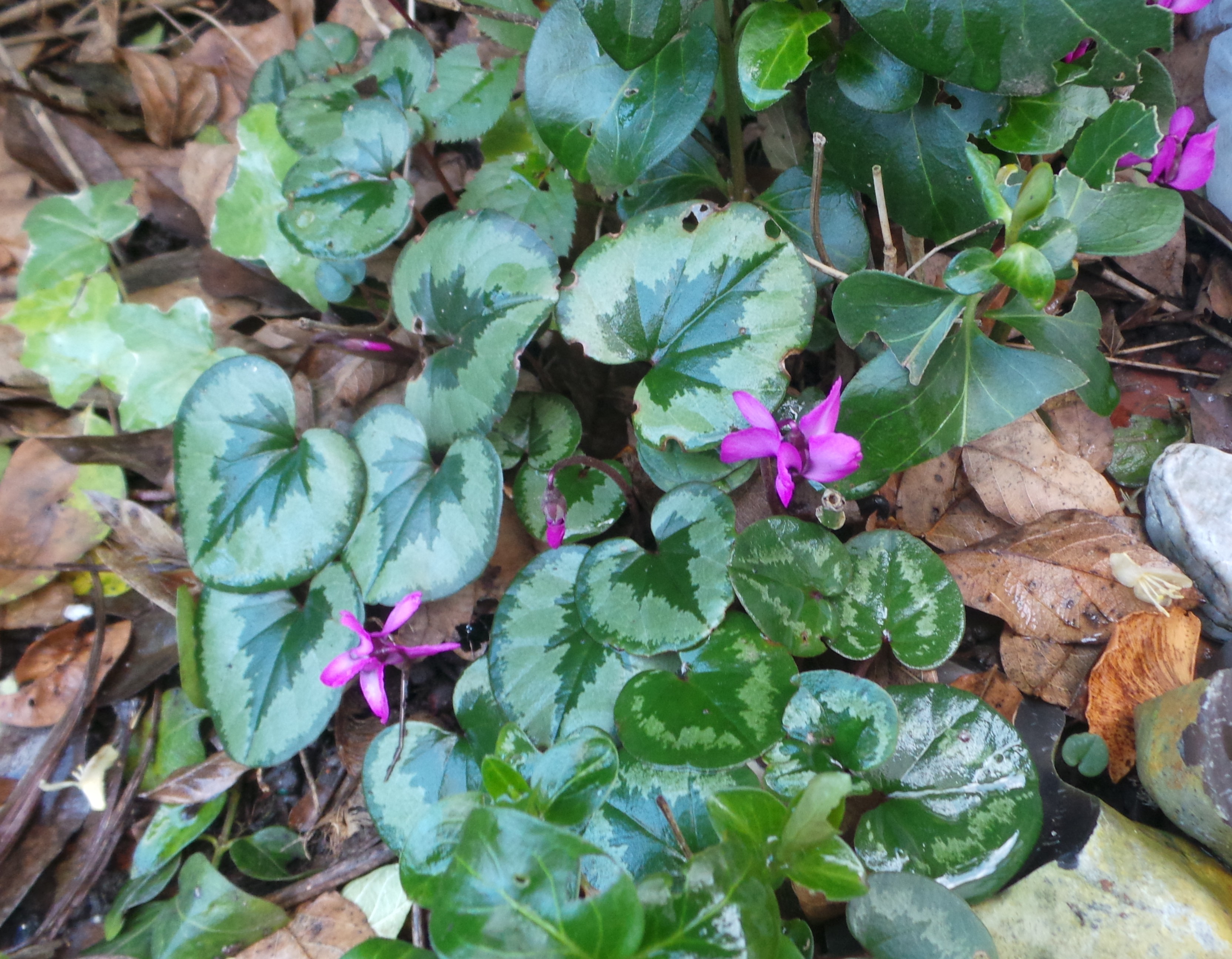
These little wood engravings are from The historiated initials from the farmer’s year by Clare Leighton introduced by Simon Brett 2013.
The book was among several used this week in a lesson with some students; before I returned to the store, it I had a peep … it is lovely!
Simon Brett’s introduction is wordy and long but nonetheless explains the methods Clare Leighton used on tiny blocks of wood and with what appears to be minimal effort to tell a story; she is a master! A book I would like on my book shelf it is perfect bed time reading … it is what dreams are made from.
Alphabe Thursday O is for Frank O’Hara
 On my walking journey through the alphabet I meet, Frank O’Hara (1926-1966) who I understand was as handsome as a marble statue. He wrote poems about tender everyday adventures; not the type to be shouted from the roof tops. O’Hara’s poetry is as casual as the conversations he might have as he strolled in the streets. One of his books was titled Lunch poems; not about food particularly more about his lunchtime walks from his workplace at the The Museum of Modern Art where he was a curator. Second Avenue and the collection of essays Standing Still and Walking in New York are also self explanatory works. It would seem that he addressed an absent lover or companion as he strolled the streets. He had a relationship with the artist Larry Rivers who said ‘It was the most extraordinary thing to walk with O’Hara’ and O’Hara wrote a poem called Walking with Larry Rivers. Walking was a very important part of his day it was a time to organise his thoughts and engage with his emotions. The city was the place where he was most comfortable, here could in his campy style celebrate the happy accidents and the inconsequential happenings. In his prose-poem Meditations in an emergency he says that ‘I cannot even enjoy a blade of grass unless I know there is a subway handy, or a record store or a some other sign that people do not totally regret life. It is important to affirm the least sincere, the clouds get enough attention as it is …’ The poem Walking to work ended ‘ … I am becoming the street. Who are you in love with? Me? Straight across the lights I cross. In another walking poem ‘… I am getting tired of not wearing underwear And then again I like it strolling along feeling the the wind blow softly on my genitals’ and goes on to ask ‘who dropped that empty carton of cracker jacks?’ before turning to the clouds, the bus, his destination and the ‘you’ to whom he speaks, Central Park. Image taken from Jacket Magazine with thanks http://jacketmagazine.com/16/ah-oha1.html
Wednesday’s woman wood engraver …
I have pretty much exhausted the ladies of the exhibition at Oxford Museum in 1979 the remaining few I am familiar with except for Shirley Mungapen (b. 1933) Of whom I know very little. I understand she studied painting and engraving at the Nottingham School of Art and Crafts and at Portsmouth College of Arts and Crafts she obtained the National Diploma of Design. Later, she worked in various hospitals as an art therapist. I like both these images and would like to see more.


 Coat Hanger Doll's House