Saturday Centus … Please remit payment promptly.

In 1967 I worked as clerk in an accounts office; one side the buying department; accountable to the bought ledger. On the other, the marketing section reporting to the sales ledger. In the days before computers and calculators; the hand written ledgers, huge leather bound tomes, loomed on the accountant’s desk like a pair of demanding crows.
Day by day the buying department worked out ways in which money could be saved and cunning ways in which to delay paying the bills.
The sales department was spurred on to increase sales and send out invoices; stamped in red ink; please remit your payment promptly.
Friday’s Library Snapshot … Jenny Uglow and Thomas Bewick
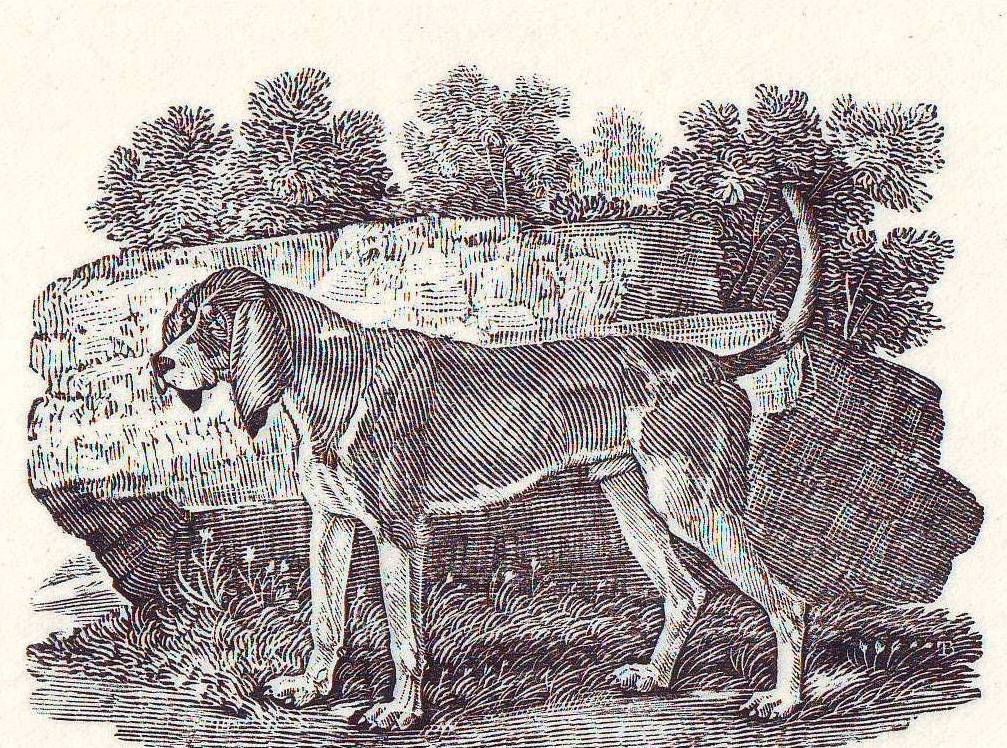
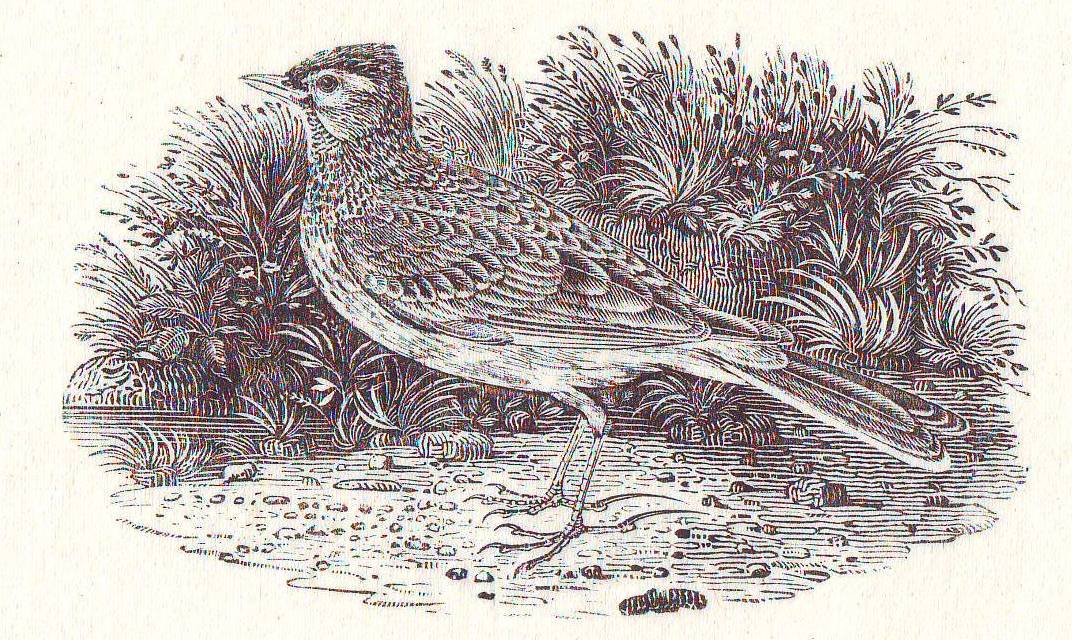
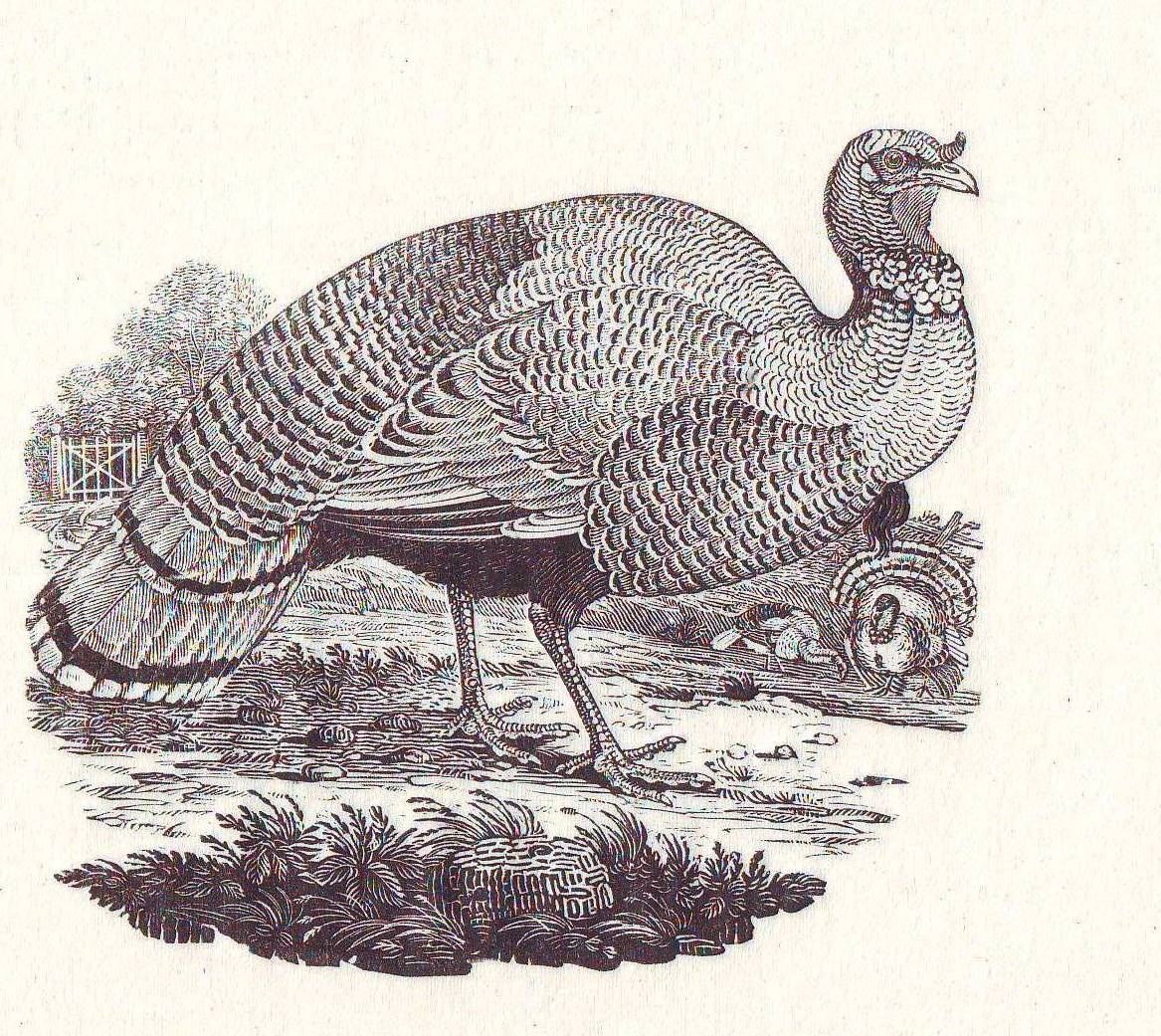
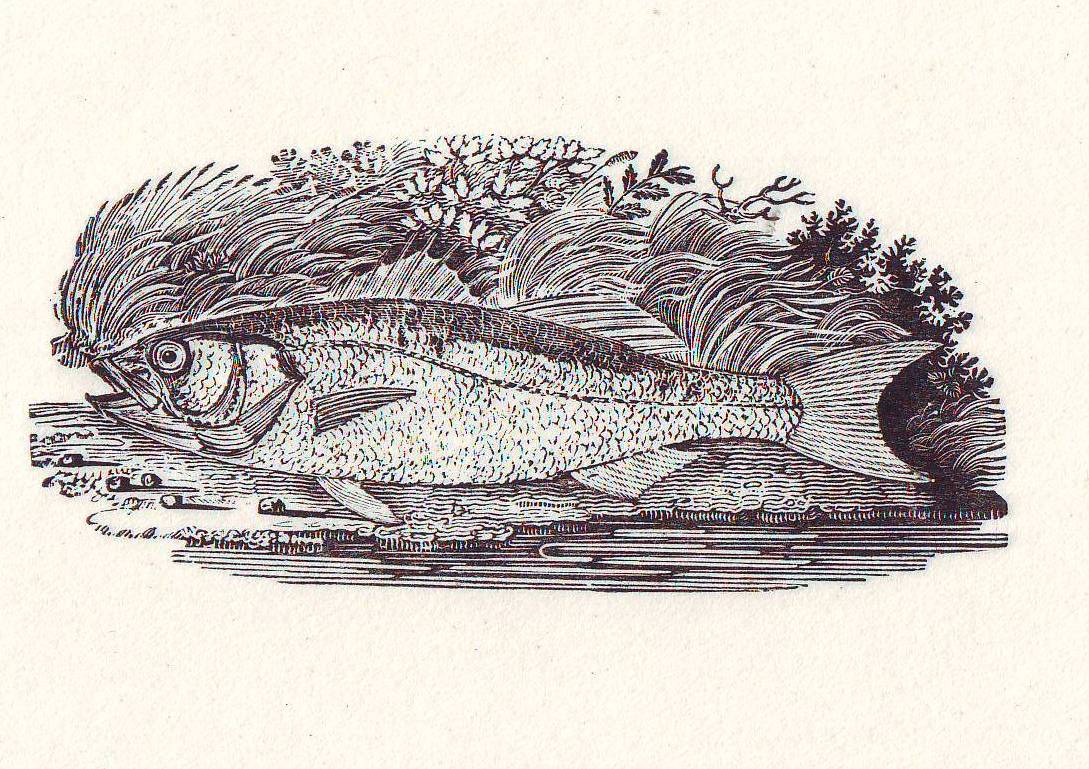
Nature’s Engraver : a life of Thomas Bewick by Jenny Uglow
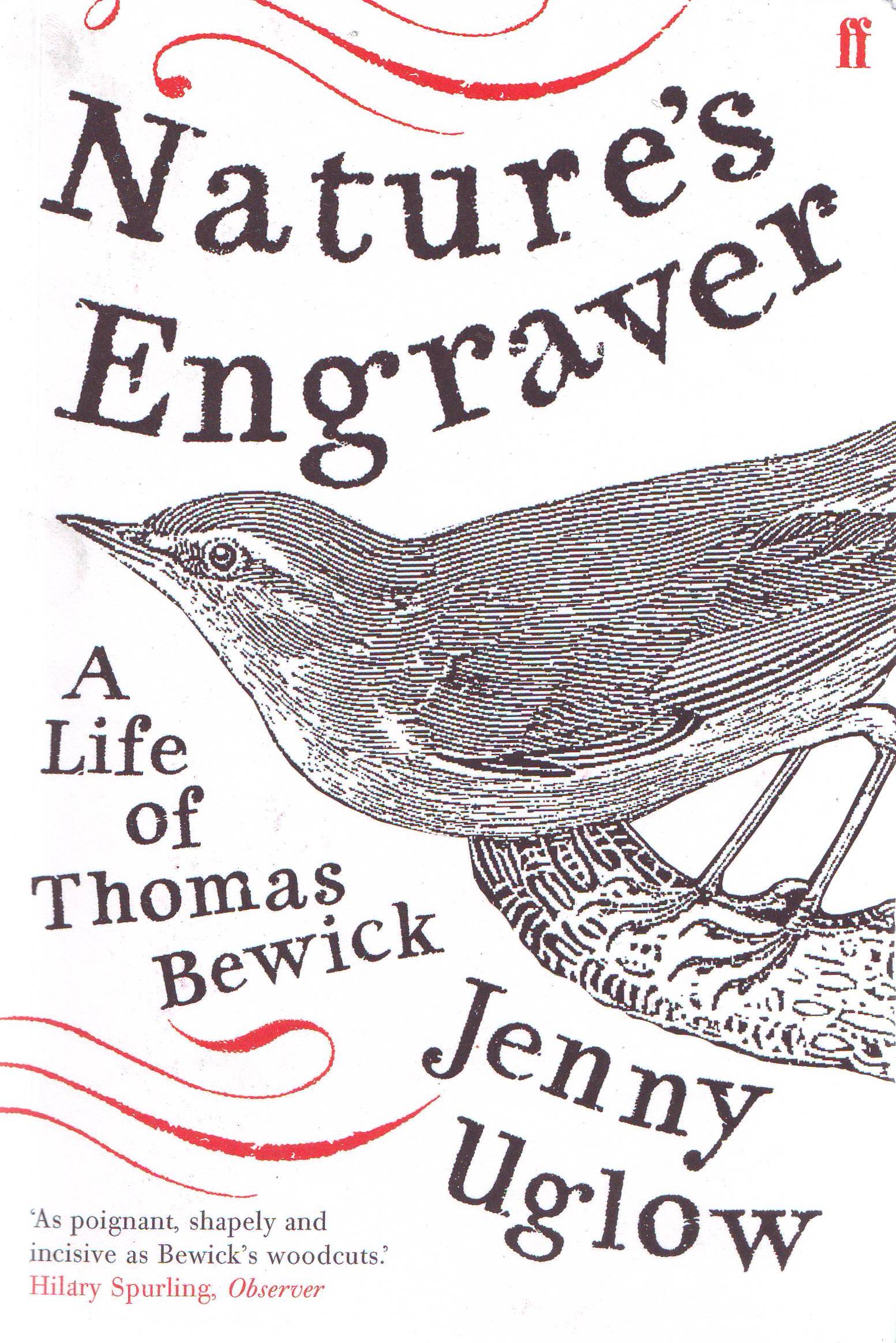
This is a fairly new acquisition in our reference library here at Specials Collections. It complements our wide collection of books about and by Thomas Bewick. Of late I have seen many books of this type but only have time to give them a cursory glance before I shelve them.
I always promise myself time for a revisit. Unfortunately, I get taken over by events or books about other artists like William Morris or Eric Gill and more.
For this item I did make time; the perfect history book with the usual facts and figures; but for me lots of images and much social comment.
Berwick was born beside the river Tyne 250 years ago; into farming and mining family. He was a poor scholar but from a child he was interested in nature and art and found every opportunity to draw; even in the margins his school books; in the style of Hogarth.
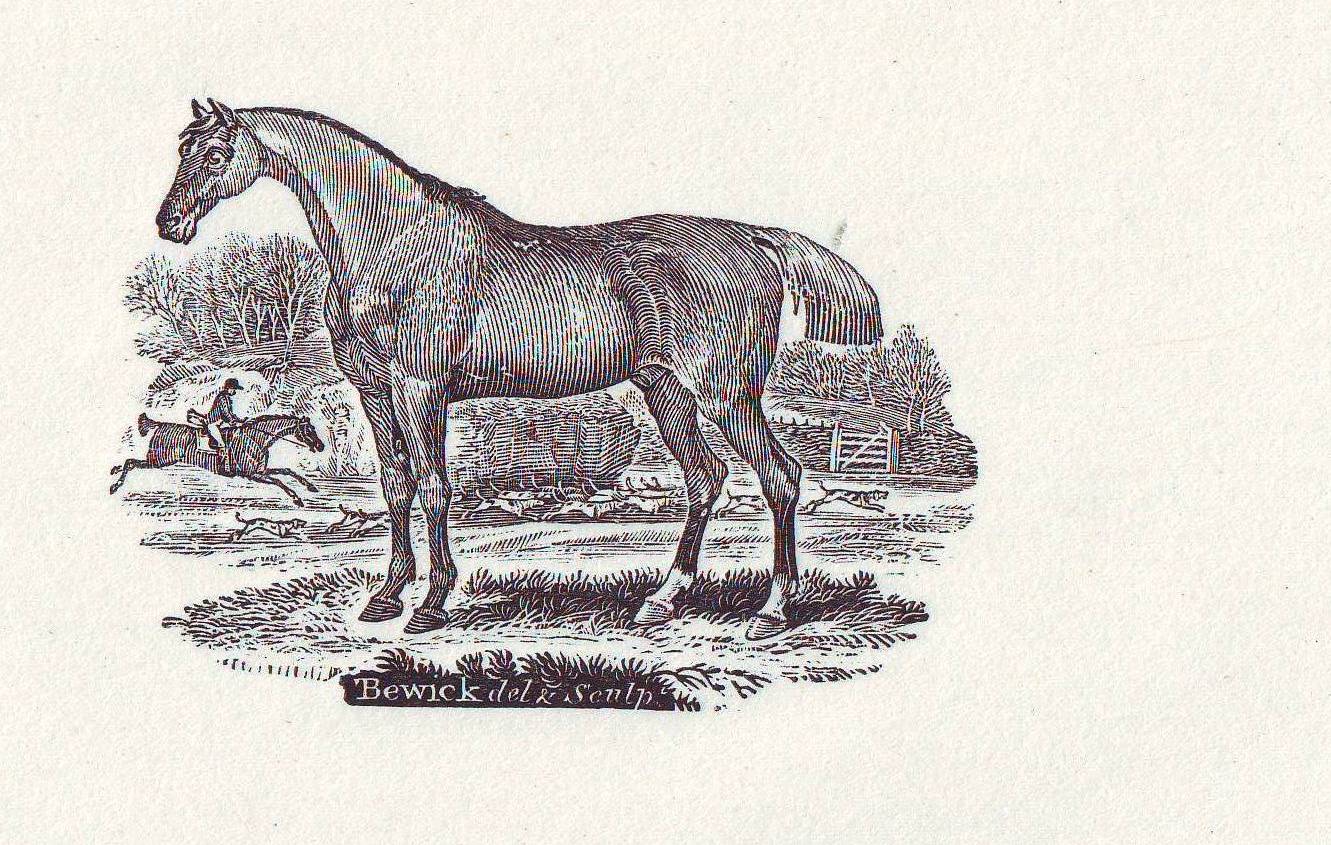
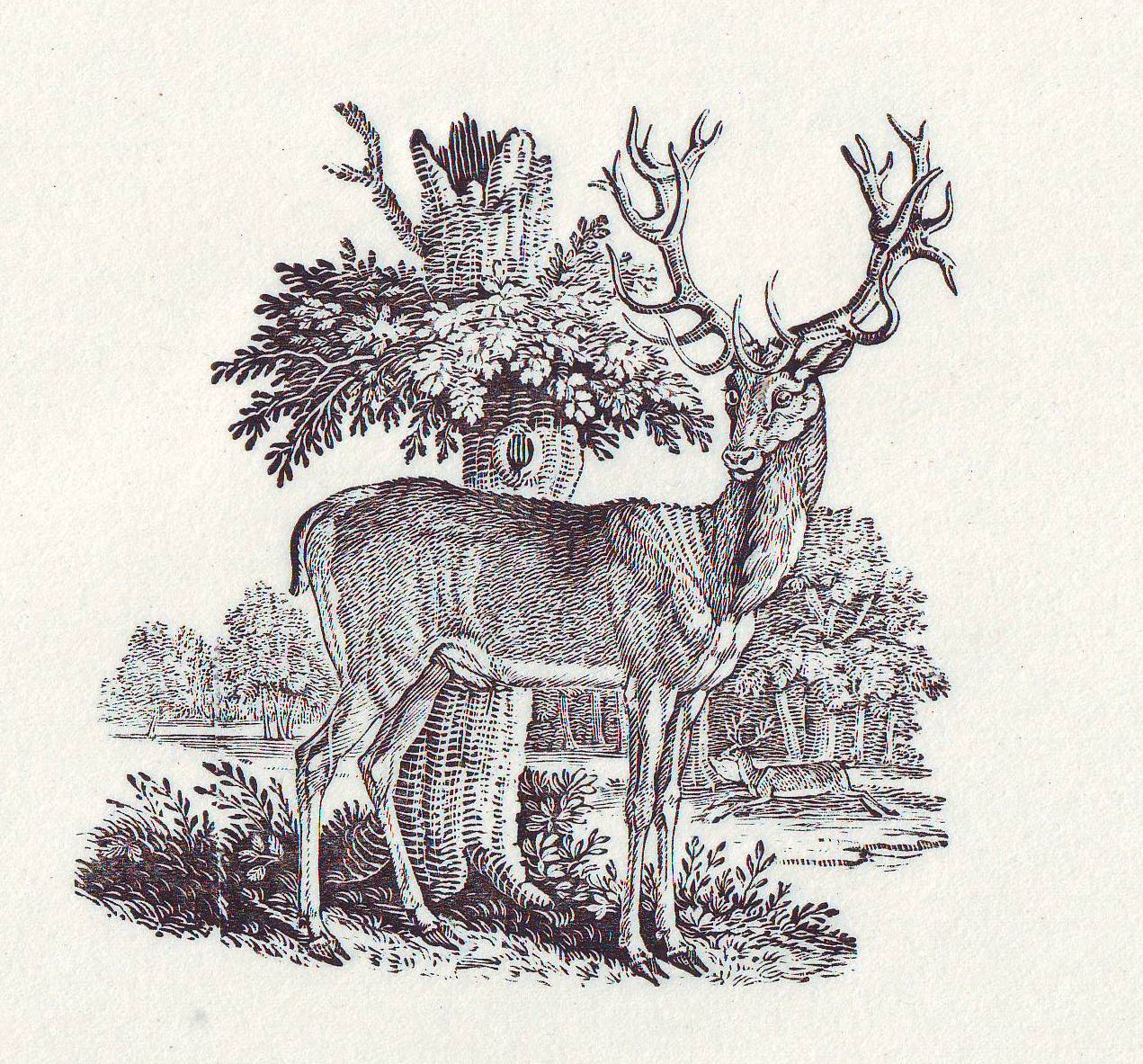
At the age of 14 he was an apprentice to Ralph Beilby an engraver in Newcastle. Here he learned wood engraving and developed the craft using hard wood with tools that would have been generally used with metal. He went on to revolutionise and influence book illustration for the next century.
Berwick’s story also captures and marks the beginning of our lasting obsession with the natural world …
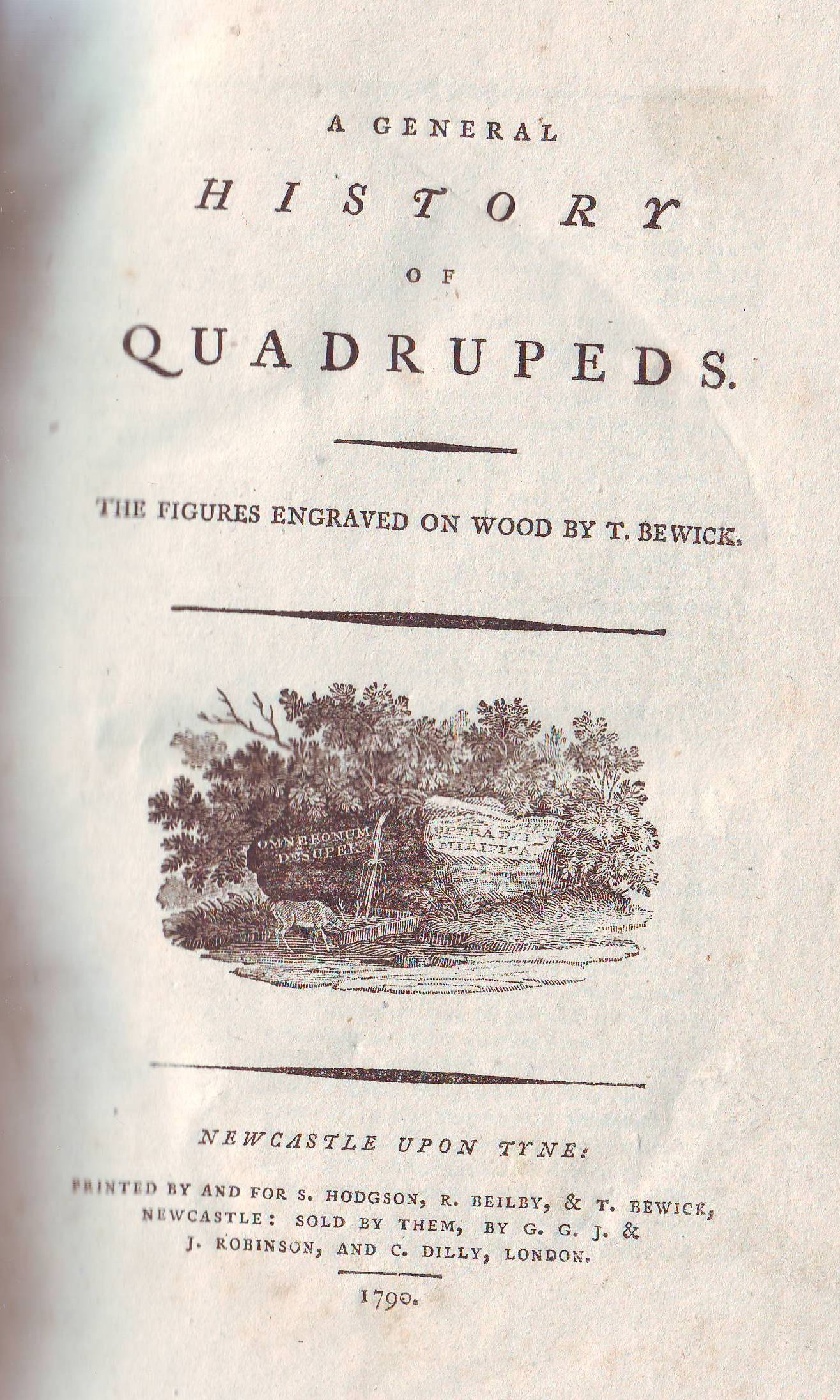
A General History of Quadrupeds appeared in 1790 and Bewick’s great achievement, and the History of British Birds, was published from 1797-1804.
Gallery … Delicate
I recently attended photography workshop and we learned how to photograph a moving object and this was my effort … the morning after. There is a trail of smoke from the incense stick … believe me!!
Delicate glow of nothing
perfumed breeze
thread barely seen

Alphabe Thursday … K is for Ka …

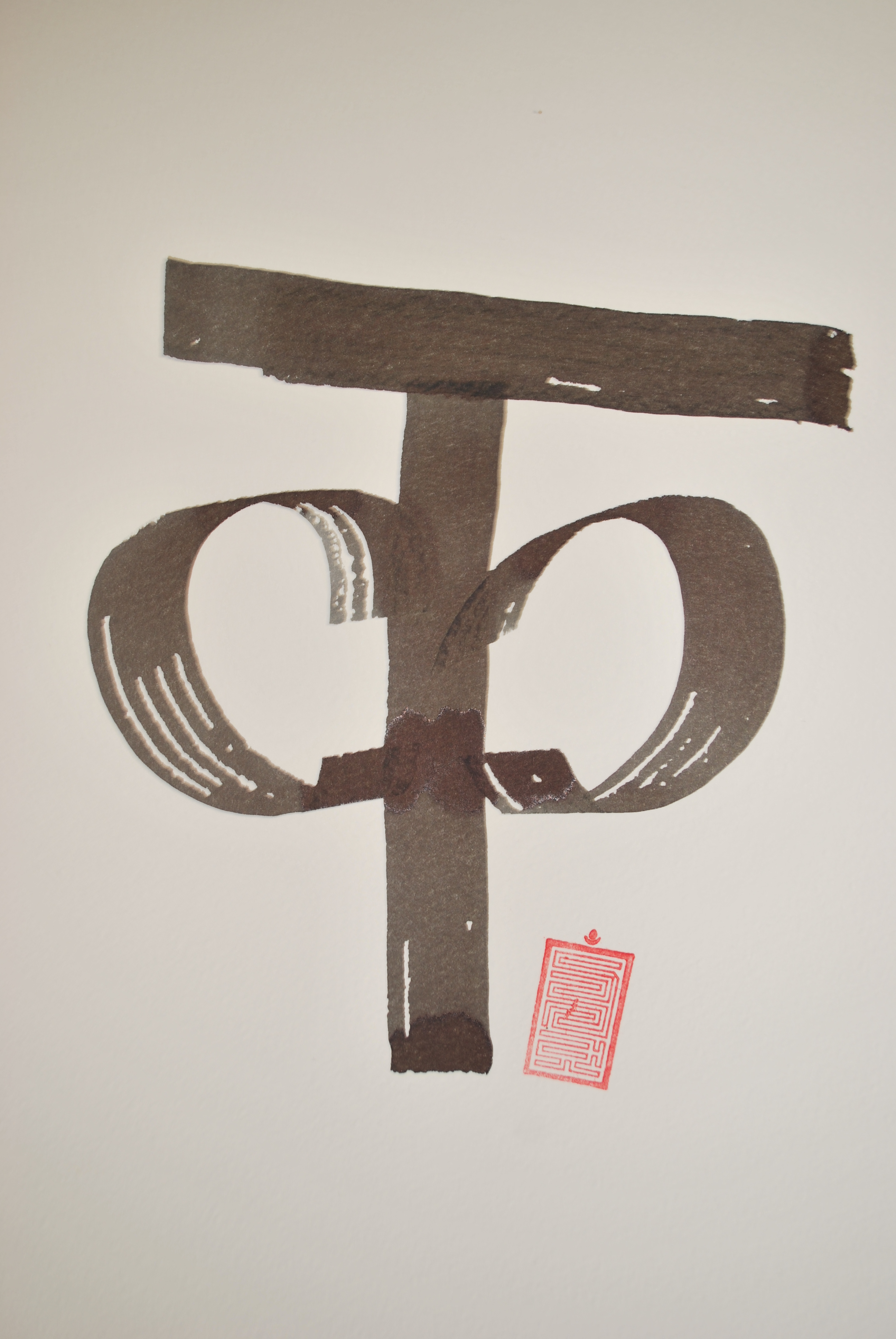
Ka is the first letter of the Sanskrit alphabet. Sanskrit is the classical language of India; a member of the Indo-European family of languages including English, Welsh Latin and Greek.It is usually written and printed in a script called Devanagari which means ‘script of the gods.’ which can be traced back to the fourth century BC.
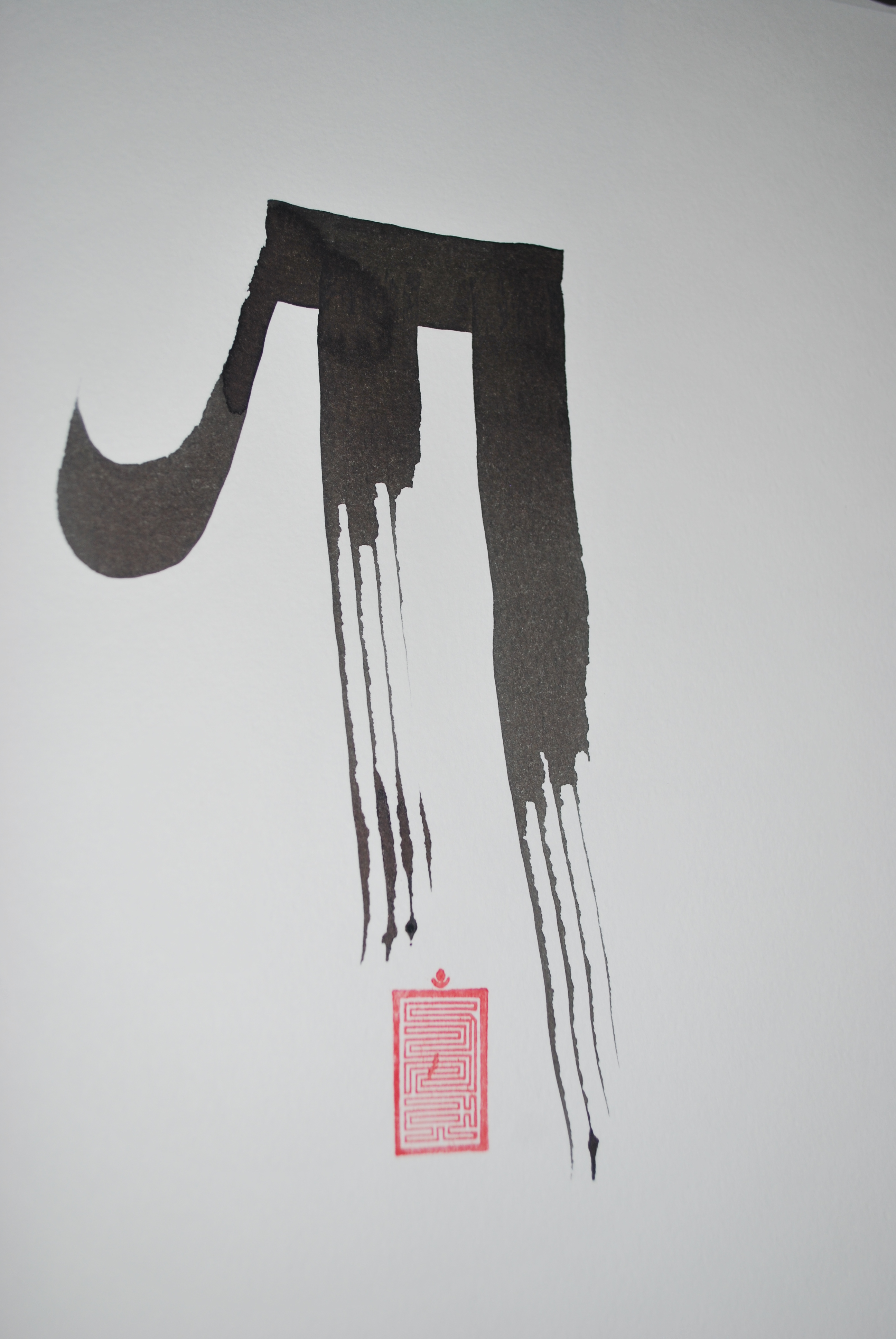
Ka is also the first letter of the Tibetan Alphabet. This is one of many similarities between the two languages. These suggests that although Tibetan was member Tibeto-Burman group of languages and possibly a distant cousin of Chinese it was adapted from Sanskrit. In the seventh century a writing system was introduced in the monasteries of Tibet for the first translations of Buddhist texts.
Wednesday’s Wise Woman … Elizabeth Bishop
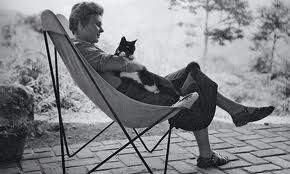
Elizabeth Bishop (1911-1979) an American Poet and author of short stories; was baby and the only child when her father died. Her mother suffered from mental illness and was hospitalised in 19i6. Elizabeth was never reunited with her mother. Instead she was cared by her maternal and paternal grandparents. Neither was a happy relationship; so she lived with her mother’s sister. As a result of this personal turbulence she suffered from chronic asthma for the rest of her life. Due to her illness Elizabeth had little formal education. It was her Aunt who introduced her to poets such as Tennyson, Thomas Carlyle, Robert Browning and Elizabeth Barrett Browning.
She studied music at Walnut Hill School hoping to become a composer; unfortunately she was unable to perform without debilitating anxiety. Elizabeth changed courses and began to study literature. Before she graduated she had published work and co-founded the literary magazine ‘Con Spinto’
As a result of a substantial inheritance from her late father; Elizabeth did not need to find employment. She was able to travel widely until she died,
With this financial independence and travel fellowship from Bryn Mawr College in 1951 Elizabeth set of to circumnavigate South America by boat. She planned to stay in Brazil for two weeks instead she remained fifteen years.
She lived in Petropolis with Lota de Macedo Soares a descendent from a prominent political family. During this time Elizabeth won the 1956 Pulitzer Prize for poetry for the collection of Poems North and South/Cold Spring.
Elizabeth remained private about her relationship with Soares; however she did correspond with Samuel Ashley Brown and told him of its breakdown, her depression and subsequent alcoholism and he was less discrete.
While Elizabeth was in Brazil she immersed herself in its culture, language and literature. She translated some works of Latin American poets; particularly that of Joao Cabral de Melo Neto, Carlos Drummond de Andrade and the Mexican poet Octavio Paz.
Elizabeth was careful not to label herself. Although she was a feminist she did not consider herself as a lesbian or female poet. Unlike contemporary poets, who used the intimate parts of their life as the focal points of their poetry; considered by Elizabeth as a confessional style. Elizabeth was discreet about her alcoholism and bouts of depression that she suffered throughout her adult life. She instead wrote about people in her life as child particularly her mother.
Elizabeth won other literary awards in the 1970s; such as the National Book Award and the National Book Critics Circle Award. When her inheritance began to run out she taught in the University of Washington, Harvard University, New York University and the finishing at the Massachusetts Institute of Technology.
Elizabeth was not a prolific writer and much of her work remained unfinished. Her last published work was Geography III in 1976.
Three years later she died of a cerebral aneurysm and is buried in Worcester Massachusetts. After her death the Elizabeth Bishop House and artist’s retreat in Great Village, Nova Scotia was dedicated to her memory.
I came across Elizabeth Bishop by accident; when looking for book about Brazil and its culture, I found ‘Life World Library Brazil’ written by her in 1962. It is a slim volume but filled facts about its geography, culture and politics in bite size pieces for a beginner like me to dip into. I can look closely at her bibliography in time add to my miniscule knowledge.
100 Word Challenge for Grown Ups – Week#52

Prompt … together the flame …
Fire, earth and wind are symbols of life; forces of hope and source of all energy. A powerful image demonstrated by the Olympic flame; here in the UK for the last few weeks.
For a while we forget those in Tibet whose hope for the future diminishes and the flame brings despair. Tibetans have lived with oppression and ethnic cleansing for decades. A lone youth prostrates 108 more times before the Potala Palace; winter retreat of the Dalai Lama. He stands defiantly in the shadow of Chinese power; dowses his body with petrol and strikes a match … together the flame and hope dies.
Last week I learned that …

Last week I learned that life is hard enough without learning about it in a foreign language.
I am not the best communicator; even in English. So when I discovered that my daughter’s partner was Brazilian, who I might add speaks good English, I did foresee many difficulties.
These of course have been overcome or are not a problem.
The language differences at first were stressful for my daughter; because she had to translate a lot. This has improved as the relationship grew and understanding on both sides developed.
This year for the first time my husband and I spent a holiday in their home in Rio. They live in the favela Babilonia.
One night we sat after a meal listening to the noises of the night. Nearby we heard a man wailing a drunken song .
I asked my son-in-law ‘What he was singing?’
He replied ‘’ My heart is in pieces’
‘Oh dear poor man, I wonder what has happened to cause this unholy row?’
My imagination went into overdrive.
‘No! the song is my heart is in peace(s)’
‘He has much peace … he is happy!’ he added.
So the conversation went on; not about the poor soul and his broken heart or his great happiness.
Rather more about the irregularity of the English language and the intricacies of translation.
Weekly Photo Challenge … Purple
Contained blooms fade
with purple perfume
secret seed lives


Silent Sunday … triumph
Silver beast
waits
reflecting beast



Saturday’s Supplication …
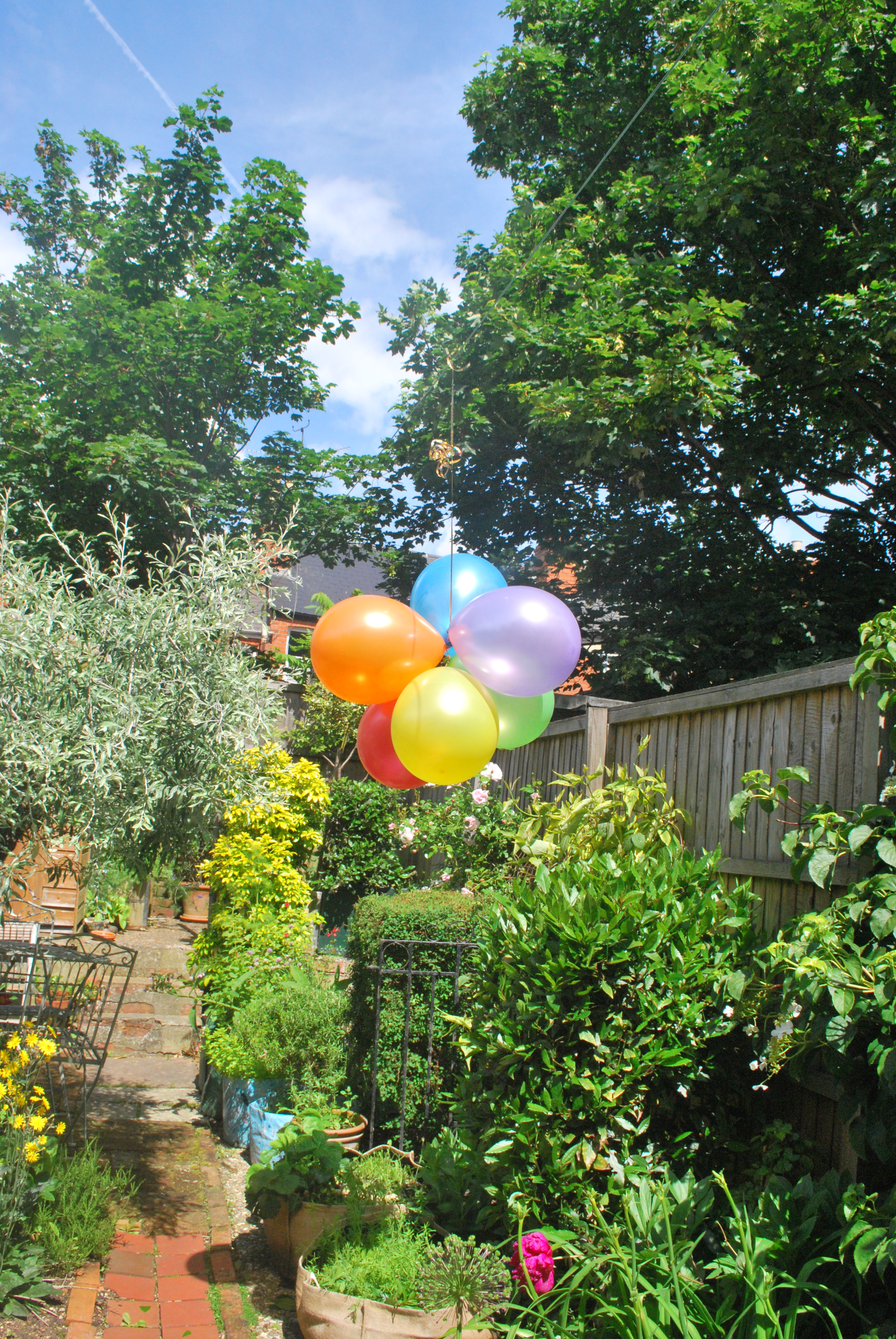
Today my wish is simple. It is a my son-in-law’s birthday. Although he is not married to my daughter their relationship in Brazil is recognised in law as a ‘stable union.’ So along with certain legal rights; they both now have a family of in-laws. Adilson has a mother-in- law and I have a son-in-law, of whom I am proud and delighted to have. He is my second son-in- law and I have a daughter-in-law with whom I share a loving bond.
This relationship is often ridiculed and a object of cruel humour and certainly underrated
I bring honour and celebrate my extended family and today especially Adilson on his birthday
I wish I could be with you.
 Coat Hanger Doll's House