Wednesday’s wise woman … Florence Mills
Florence Mills (1896-1927) known as the Queen of Happiness and Harlem’s Little Blackbird was an African-American singer, dancer and comedian known for her bubbly stage presence, delicate voice and wide-eyed beauty. It was not only talent she was remembered for mostly it was her generosity and faith.
She was born in Washington DC.; her parents Nellie and John Winfrey were formerly slaves. Florence had two older sisters; from an early age they sang and danced in a vaudeville act called the The Mills sisters. Although they were successful her sisters soon gave up performing. Florence, determined to make a career in show business carried on.
She went on to join Ada Smith, Cora Green and Carolyn Williams in a group called the Panama Four and enjoyed some notoriety.
She toured tirelessly from state to state until she moved to New York City where the stages got bigger and the lights brighter and also the opportunities to become an international star. First in 1921 Florence won a role in Shuffle Along; a sell out show that introduced jazz to white audiences.
During this time the Harlem Renaissance was happening; all sorts of creative minds were contributing to Harlem’s new and vibrant cultural movement. People such as Duke Ellington and Langston Hughes. Florence in play after play she continued; after one particular performance of the play From Dover Street to Dixie , Florence and the rest of the cast was invited to London
Although Florence knew she was gifted with a sweet bird like voice that everyone loved; she understood first hand the profound ache of racism. She, her family and friends were turned away from the ‘white only’’ theatres where Florence was supposed to be performing. On the ship to England white passengers refused to eat in the same dining room as Florence and the troupe.
When she arrived in London many people threatened to boycott the show; not wishing to see black people on their stage. Nonetheless she did step on stage and received an ovation before she sang a note.
 +
+
After Florence returned to Harlem she was offered a leading role, she would be the first black woman to star in the Ziegfeld Follies it would have been a dream opportunity however she turned it down. Instead she found opportunities to sing in shows that gave unknown back singers and actors the chance to perform on stage. Florence became the leading lady in Dixie to Broadway.
Her signature song; a cry for human rights was I’m a little blackbird looking fpr a bluebird. A song from the hit musical Blackbirds.
‘Tho’ I’m of a darker hue,
I’ve a heart the same as you …
For love I am dyin’, my heat is cryin’.
A wise old owl said Keep on tryin’.
I’m a little blackbird looking for a bluebird too …’

It was a huge success and when she returned to London this time she was greeted by reporters and photographers and invitations to many parties.
This however didn’t stop her performing long and hard and visiting hospitals and giving money and food to the homeless. Unfortunately this exhausting situation took its toll in 1926 Florence became ill with tuberculosis and had to return home. In a weakened state she got a secondary infection and died aged 35. Her death shook the music world; tens of thousands of mourners took to the streets of Harlem. Letters, telegrams and flowers were sent to the family from worldwide. Tributes came from the rich, poor, politicians, entertainers, black and white.
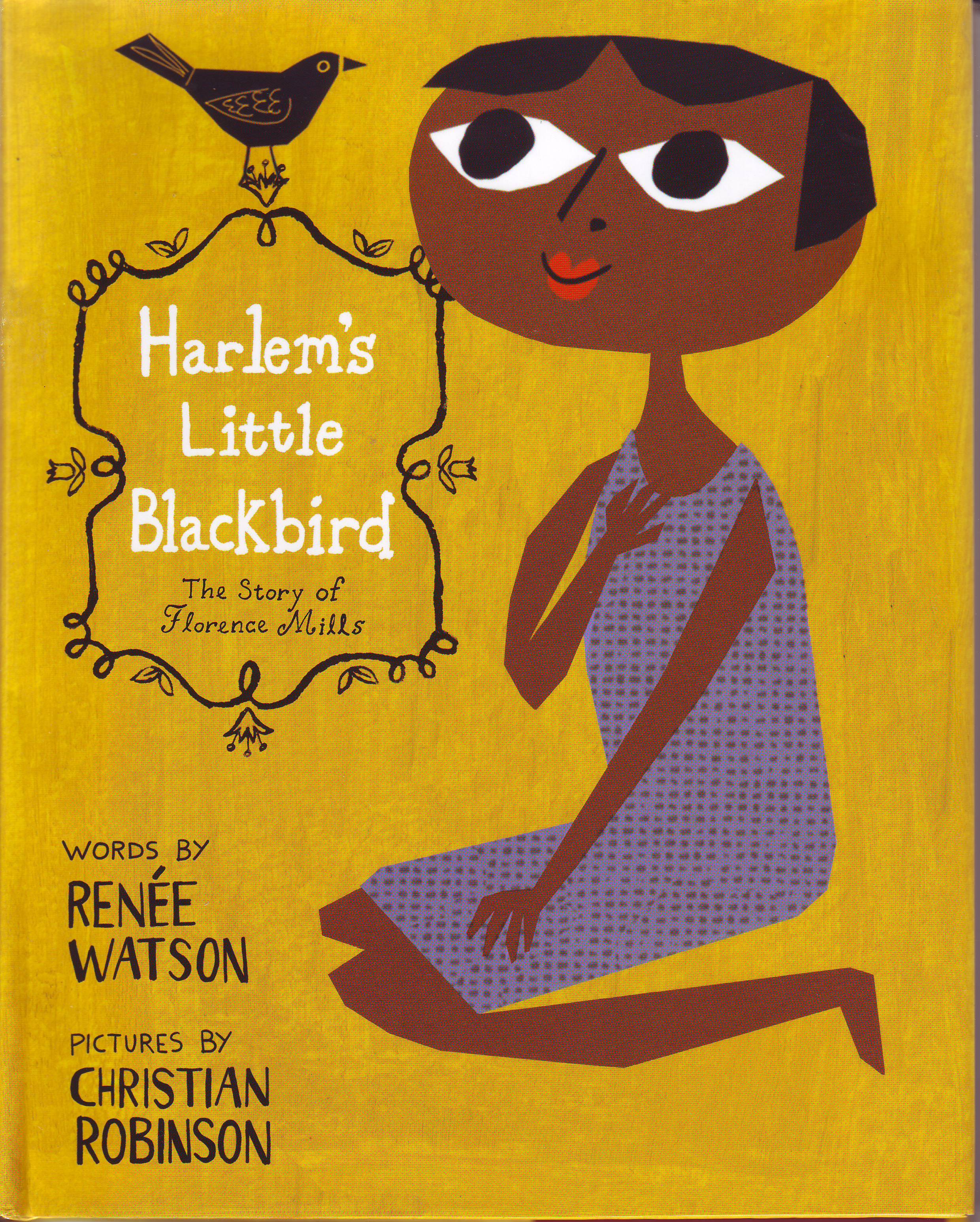
Further reading Harlem’s Little Blackbird : the story of Florence Mills by Renee Watson ; illustrated by Christian Robinson a children’s book with interesting illustrations a sound biography of a beloved entertainer.
Weekly Photo Challenge … Unique
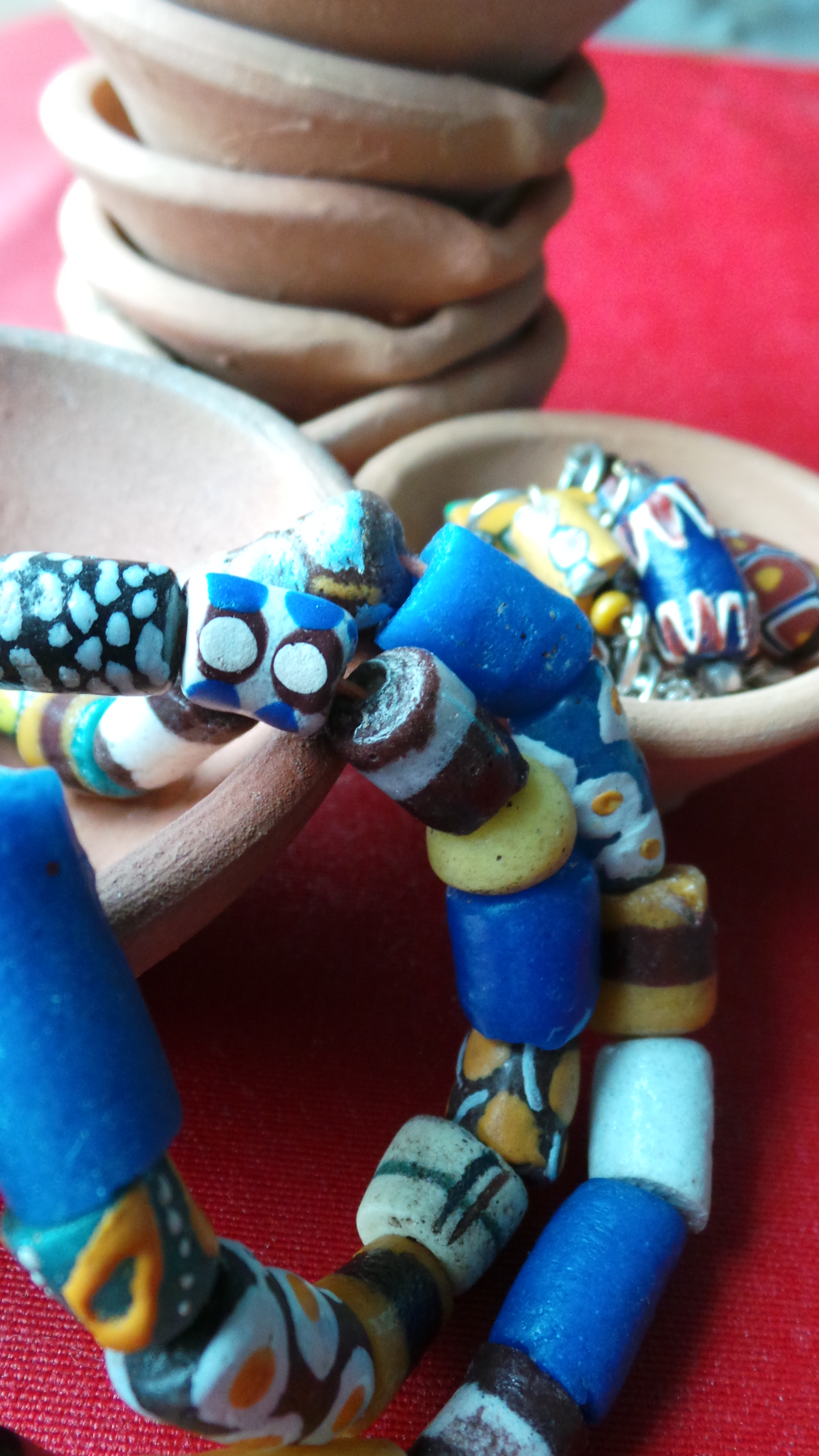
These Murano or Venetian Wound-glass beads are unique. They were a Christmas present although I don’t know whether they are 19th Century or not. I do know they are made using the age old method unchanged since the 1800s, that is complicated (often secret) and labour intensive.
The molten glass is wound round a rod or wire so that there is no need to drill or perforate the bead.
Further reading The history of beads by Lois Sherr Dublin.
Last Week I learned that …
![DSCN0560[1]](https://nelabligh.com/wp-content/uploads/2013/02/dscn05601.jpg)
I learned last week that a mother’s lot, no matter what men say is never straightforward. It doesn’t matter how old they are or how far away the child is, they only ever a thought away.
We say, ‘we only want them to be happy’, and while they are in our care we move hell and high water to ensure that they are. Mostly of course we succeed even in the most adverse situations. I am careful what I saying because I know from my own experience and we only have to watch the media in all it forms to know that family life is not always attractive, hopeful or even happy, but a mum will always try her best.
This week my daughter began her quest to further her education in Brazil. It was always an option but the time has not been right. Brazilian bureaucracy has not been kind, consistent or fair. So to allow for this and also to become familiar with the politics of the education system she has played the waiting game. Besides this there is the financial commitment, loss and the difficulty finding work when she is not even allowed a work permit!
Having made the decision to apply for the study opportunity; ‘all the balls go into the air’ and ‘What ifs? and ‘How?’ a multitude of unanswered questions and soul searching.
To the child it is a ‘nightmare to the mother, at such a distance it is indescribable. The resources I have drawn upon in the past are outdated and redundant. Her experience at the moment is something I can only imagine. At her age I was a mother and my experience was that of a young mum at home.
Regardless of good advice, attention and even financial repair I can only watch.
I have to call upon an outer experience; the universal mother who over the eons has endured the pain of our children who have to make difficult decisions in foreign lands whether they chose to be there or not
Leaving the problem with this ‘other’ being does ease the pain. I can ‘stop worrying’ because my child can connect with the universal mother the one we have all bared our souls to over the centuries.
Whether we believe or not in the super power; there is a bond to previous and future mothers there is a support network for women whether we see it or not. I am hoping.
Silent Sunday


Saturday supplication
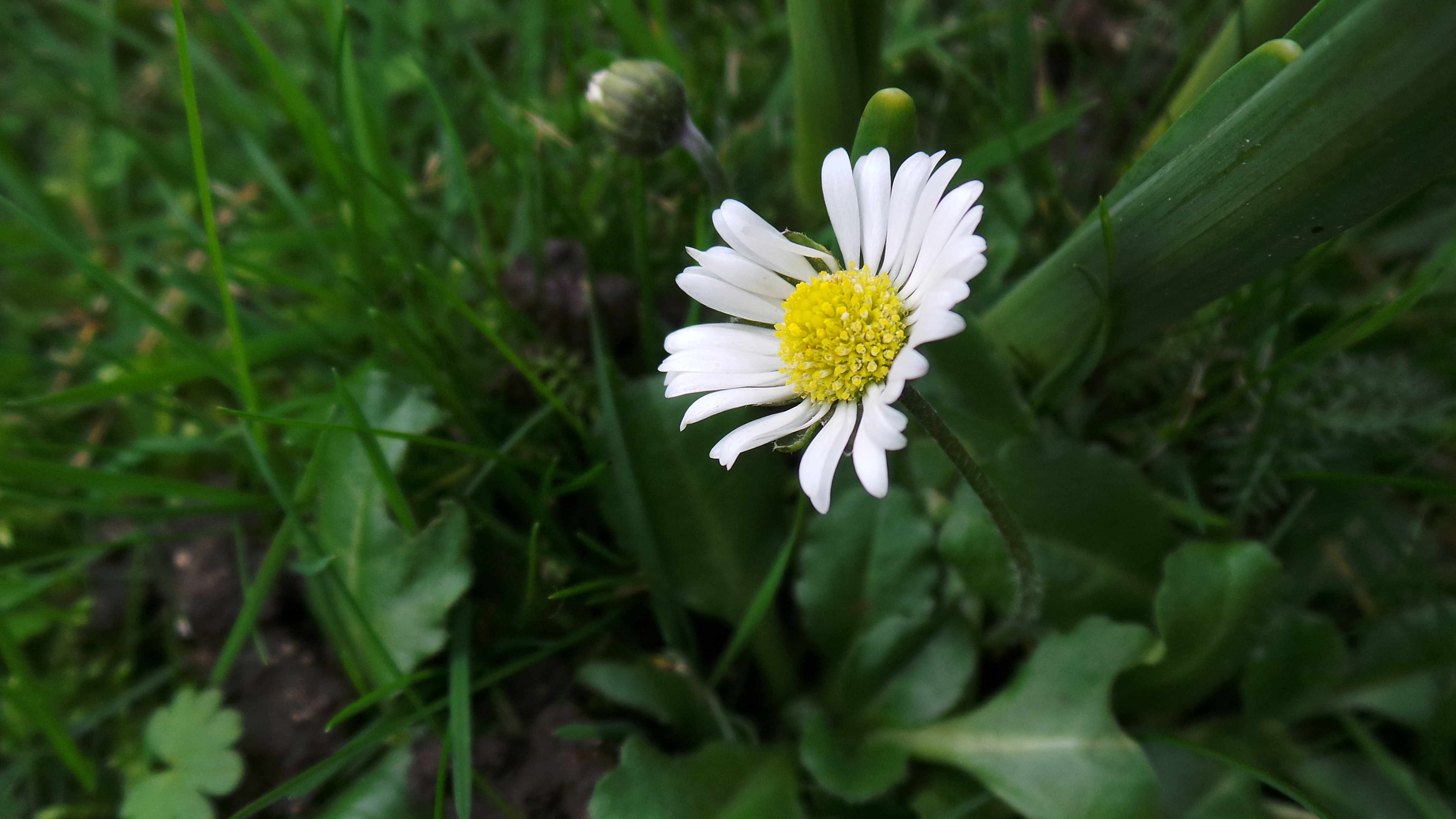
I have much to be thankful for and wish to honour this daisy. I found it last week in a bed of daffodils; a magnificent golden swath of glory in a juxtaposition to an architectural ‘has been’. The School of Humanities has recently been refurbished but still it remains little more than an egg box when compared to the fine structures of Oxford and Cambridge that had stood the test of time for hundreds of years.
Nonetheless the students, academic staff and I within and around like the daisy flourish without the need for such golden glory.
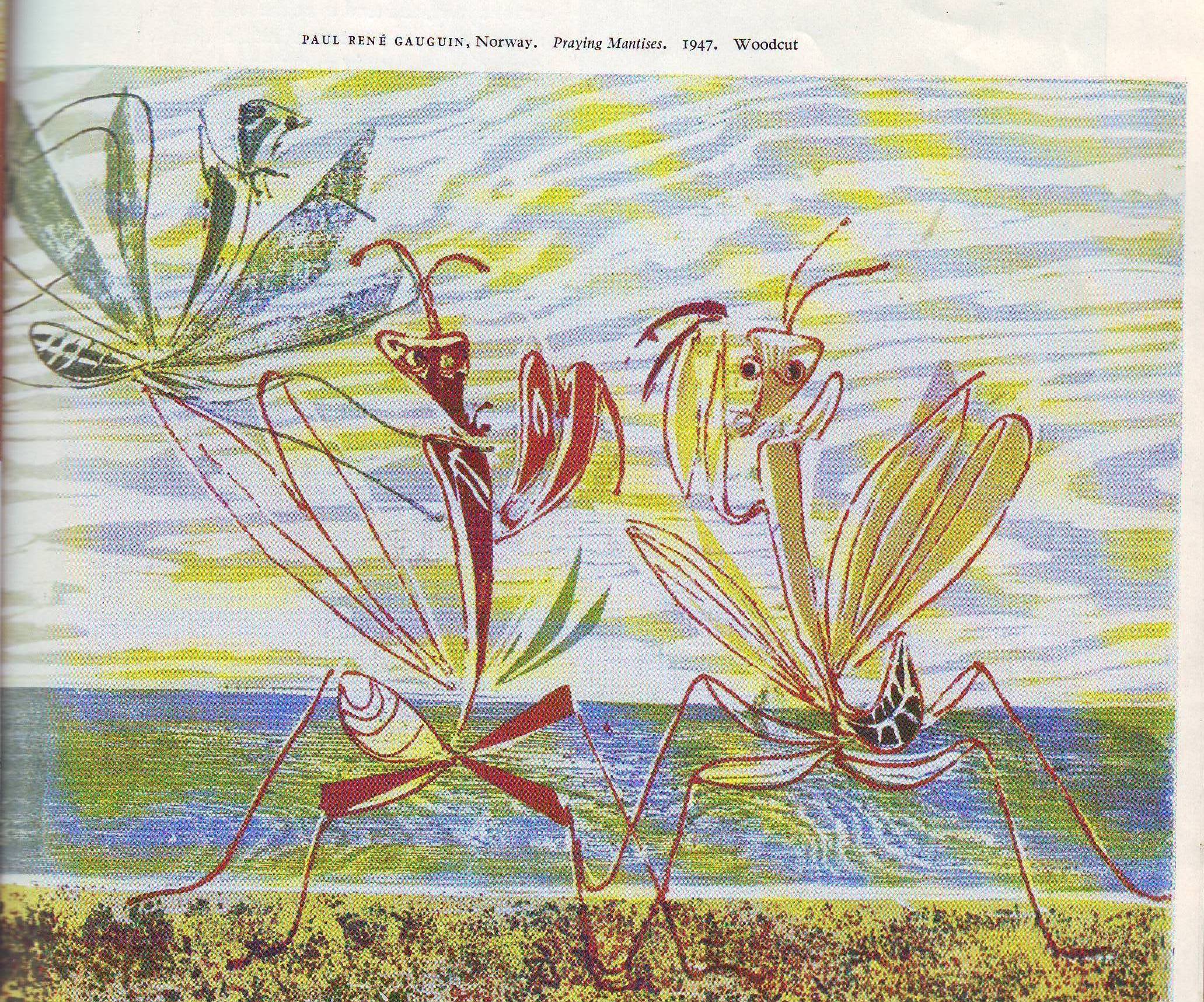
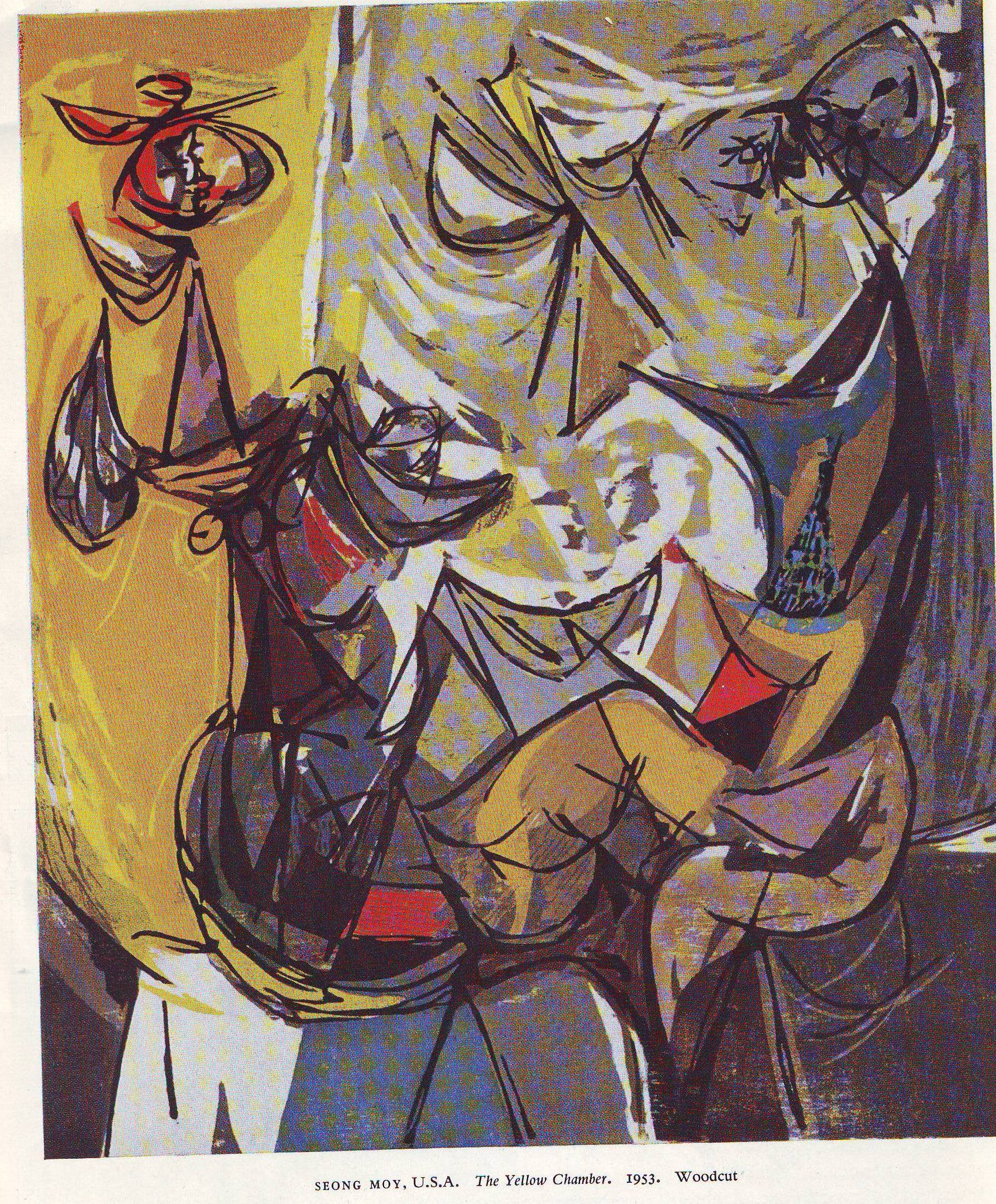
Friday’s Library Snapshot … Colour Woodcuts
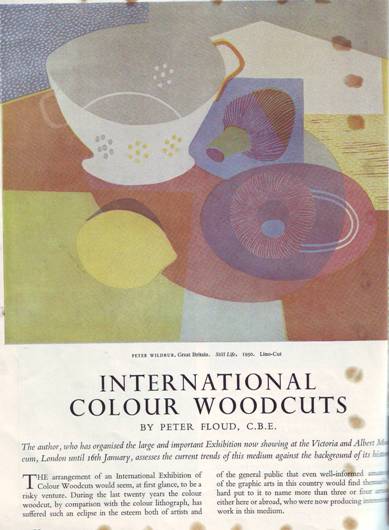
I was drawn by these images in an offprint from the journal The Studio 1955. The article was written by Peter Floud who organised an international exhibition of colour woodcuts at the Victoria and Albert Museum in January 1955.
He discusses the fall in interest in woodcuts between the wars; blaming in part the interest in colour linocut as a recognised graphic medium for the teaching of children. He suggests that by association colour woodcut lost it status as a serious medium for the adult artist.
There were 200 prints in the exhibition from Europe and America by artists who had established reputations in their own countries and it was hoped that after they been seen in other cities in Britain they would earn international acclaim and stimulate new interest in the colour woodcut and it potentialities as a graphic medium.

Alphabe Thursday K is for Key
For centuries crude methods have been used against intruders when the premises are occupied. However it was not so easy to seal a dwelling during the occupier’s absence. While there are references to locks in old tales and myths from China and the near east and also mentioned in the Bible and Homer; there is no clue when the lock and its key was first used.
The first lock to be found was a wooden lock discovered on the site of the great palace of Sargon at Khorsabad, north of Nineveh. A similar design was drawn on the frescoes of the Temple of Karnak on the Nile. These findings and other clues prove that the lock found was at least 4000 years old; but more surprising that other locks have been discovered with the same mechanical principle in other places in the world such as Scotland, Japan, Norway and America.
More intriguing is that such locks were still being made and used until recent times.
It would seem that the keys were not the tiny slips of metal we carry today; Greek keys for instance were enormous and a wealthy owner would employ a slave to carry a bunch of them; crooked over his shoulder.
It was not until the Romans came to the fore that locks and their keys attained a fuller development. However Iron Roman keys did not survive completely (the Greek and Egyptian keys made of bronze that didn’t corrode) so historians had to construct replicas.
A favourite device of the time in the safeguarding of possessions was the padlock, used by the Romans, Asians, Chinese and the peoples of the Mediterranean. They were often made of brass and the practice of forming cases in the form of animals was very common.
In Britain when the Romans withdrew in 410 AD and the subsequent invasions of the Anglo Saxons and Jutes etc. so the building work of the Romans crumbled into decay. It was not until 600 AD and the ‘conversion to Christianity’ that led to the building of churches and permanent homes, when the need for security, locks and keys become standard again.
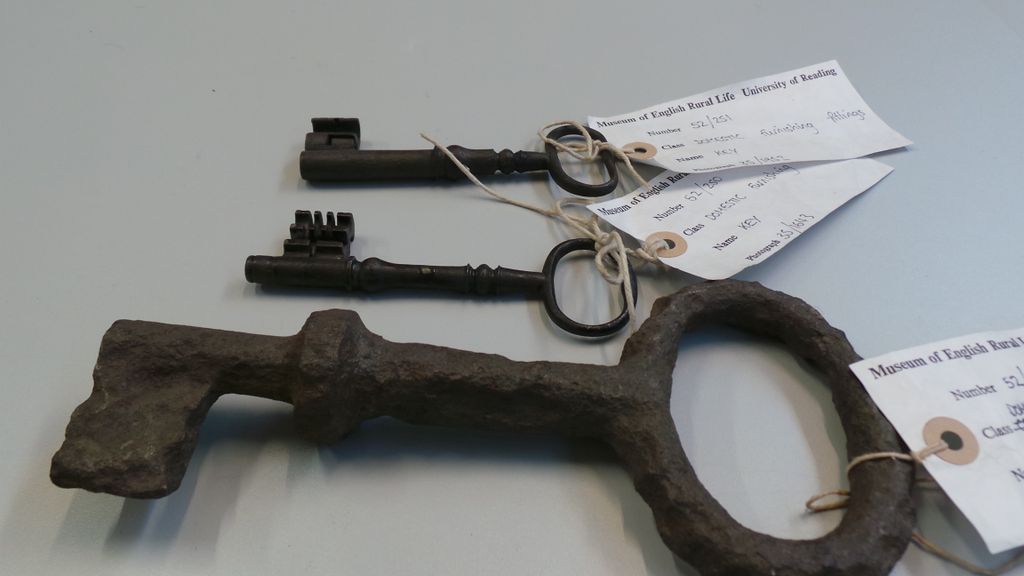
Three keys from the collections of the Museum of English Rural Life (MERL 52/250,52/251, and 52/382) Images copyright Museum of English Rural Life, University of Reading (2013)
Further reading Keys; their history and collection by Eric Monk

100 Word Challenge for Grown Ups – Week#75

For the last three thousand years, how many peoples have stood on the edge of the canyon and paid homage to the gods that dwell in those lofty wastes? Whose feet have trod the ancient rocks that stood unsullied by humans for millions of years before that? Who can tell the various cultures that have laid claim upon that sacred rim and the many tongues they spoke?. Do we hear the echoes of those plaintive songs of love and honour to the sun, moon and stars that have lighten and warmed our hearts and souls before and beyond a further billion years?

Wednesday’s Wise Woman … Frida Kahlo
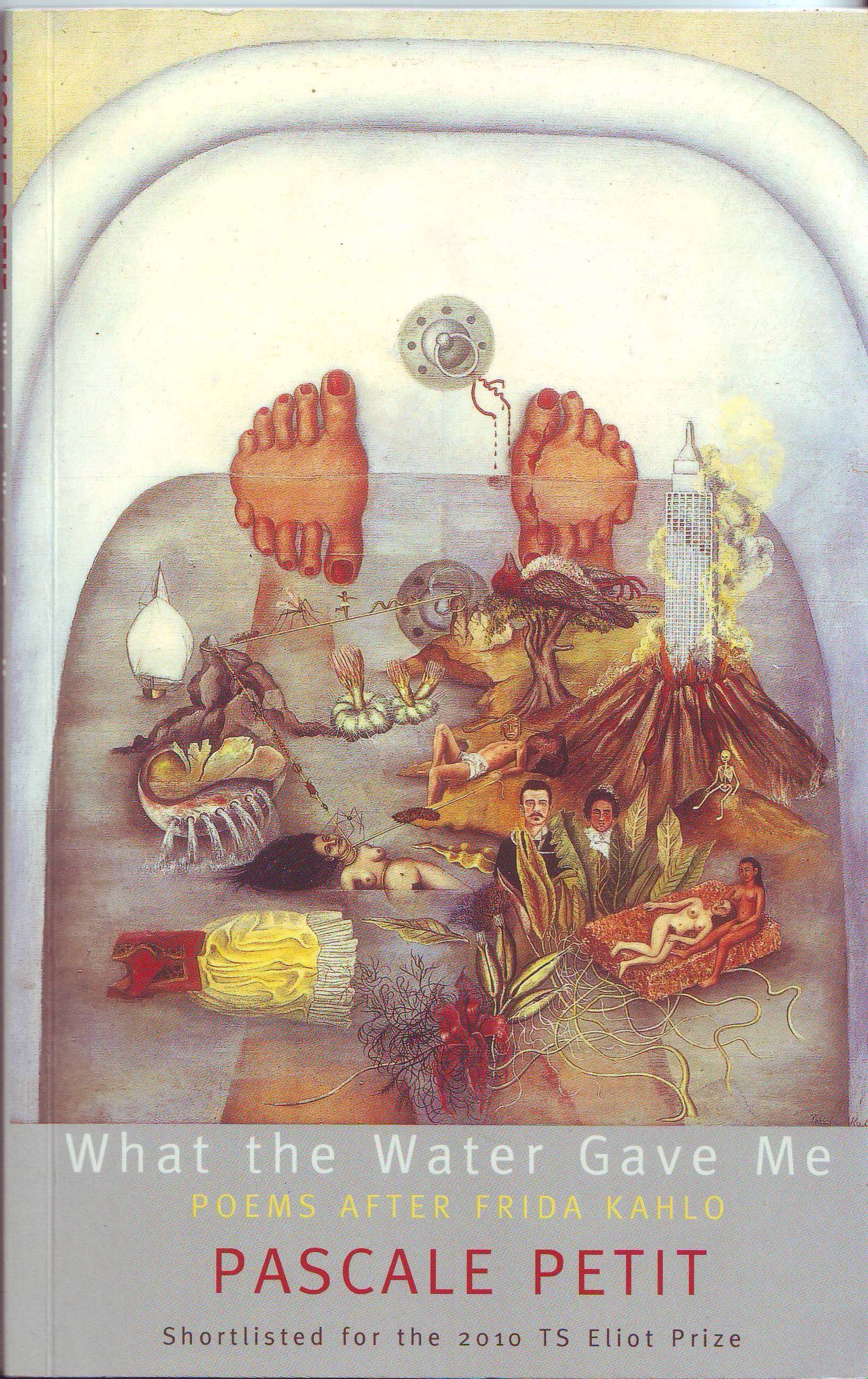
Over the last months, I have written briefly and inadequately about women who have risen above adversity (Whatever that is?) to fame (Whatever that is?) My selection may seem random but it is not altogether without careful consideration; mainly because ‘ What do I know?’ Also,’What can I say?’ in 400 words (my self imposed word limit) who has indeed found fame while I have not and never will!
So it is from this humble place I look towards Frida Kahlo, (1907 -1954) who has contributed much to the world of art, to the Mexican Peace movement and making political stands against the North American Government and to the female forum while suffering tragedy and pain.
I have read Lacuna by Barbara Kingsolver, and various art books about Frida and even found a poetry book and all provide a rich source in relation to her life and do her a great justice.
Its is her tragedy and her power to overcome it, that comes to the fore; one book called Kahlo by Andrea Kettenmann; has the subtitle ‘Pain and Passion and begins with the first chapter ‘Peg-leg Frida and the rebellious child’
However it is the poem by Pascale Petit that tells it for me.
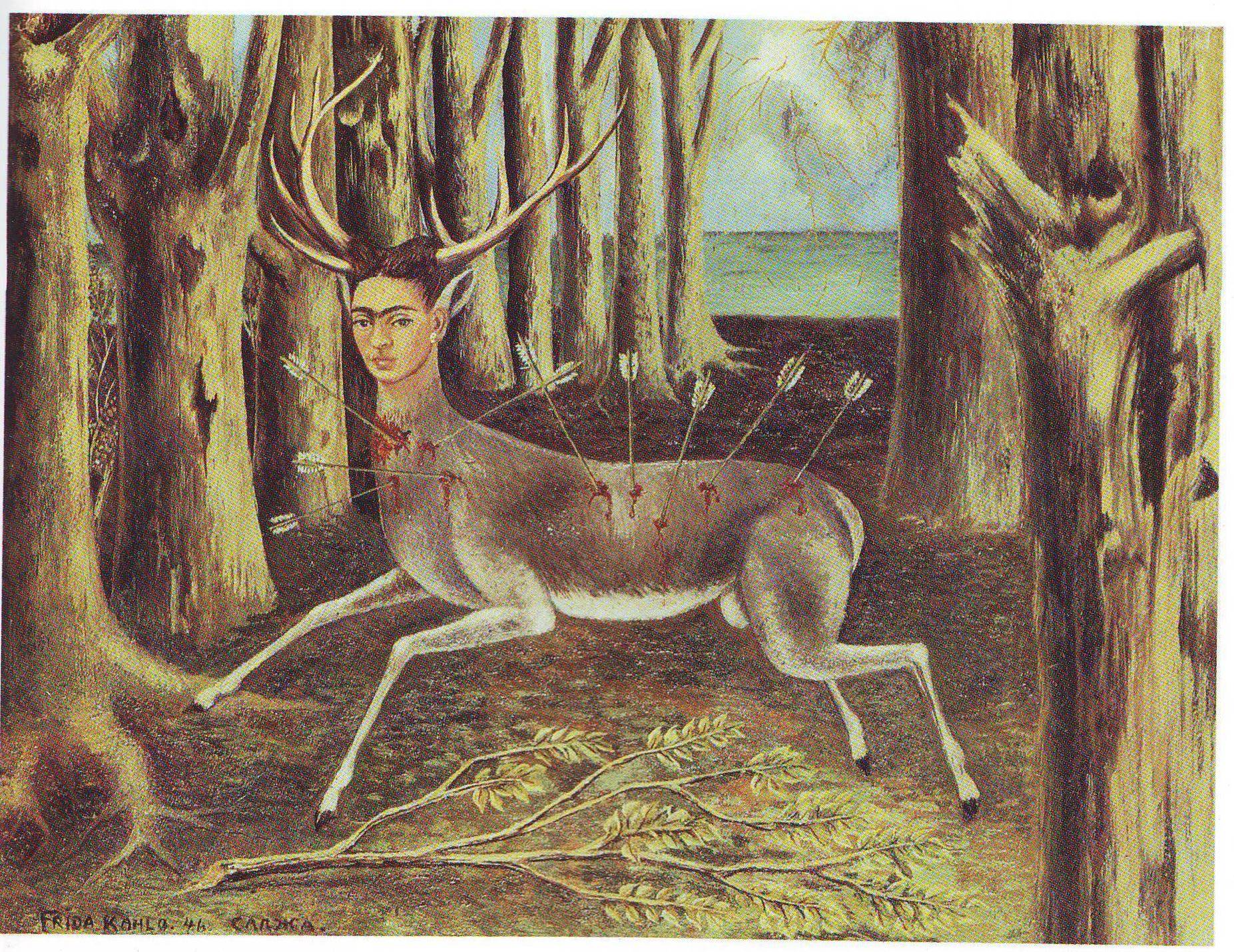
The wounded deer
I have a woman’s face
but I am a little stag,
because I have the balls
to come this far into the forest
to where the trees are broken.
The nine points of my antlers
are battled
with nine arrows in my hide.
I can hear the bone-saw
in the ocean on the horizon.
I emerged from the waters
of the Hospital for Special Surgery.
It had deep blue under-rooms.
And once, when I opened my eyes
too quickly after the graft,
I could see right through
all the glass ceilings,
up to where the lightning forked
across the New York sky
like the antlers of sky-deer,
rain arrowing the herd.
Small and dainty as I am
I escaped into this canvas,
where I look back at you
in your steel corset, painting
the last splash on my hoof.
In this image a young stag is fatally wounded by arrows, the artist expresses the disappointment which followed the operation on her spine in New York in 1946, which she had hoped would cure her pain. Back in Mexico she continued to suffer both physical pain and deep depression.
The wounded stag was painted later in her career; after she had polio as child, then as teenage suffered as a result of a near-fatal bus accident which left her in constant pain for the rest of her life. Her marriage to the muralist Diego Rivera bought much despair, she loved him dearly but he subjected her to infidelity and cruelty. During this time she had three miscarriages followed by a acrimonious divorce. Frida underwent many operations none of this seemed to thwart her vivacity and love of nature.
“I lost three children and a series of other things that could have fulfilled my horrible life. My painting took place of all this . I think work is best.’ Frida Kahlo
In 1954 Frida caught pneumonia when she , against the wishes if her doctors, takes part in a demonstration against North-American intervention in Guatemala. Frida died on the 13th July in the Blue House the house where she was born and returned to in 1941.
Further reading
Frida Kahlo 1907 -1954 Pain and passion by Andrea Kettenmann
What the water gave me ; poems after Frida Kahlo by Pascale Petit
The lacuna by Barbara Resolver
Weekly Photo Challenge … Love
When I consider who or what I love most then I would suggest my family especially my long suffering husband, daughters, and son and their children without them life would be worthless.
However their love and mine cannot be contained or put in a picture
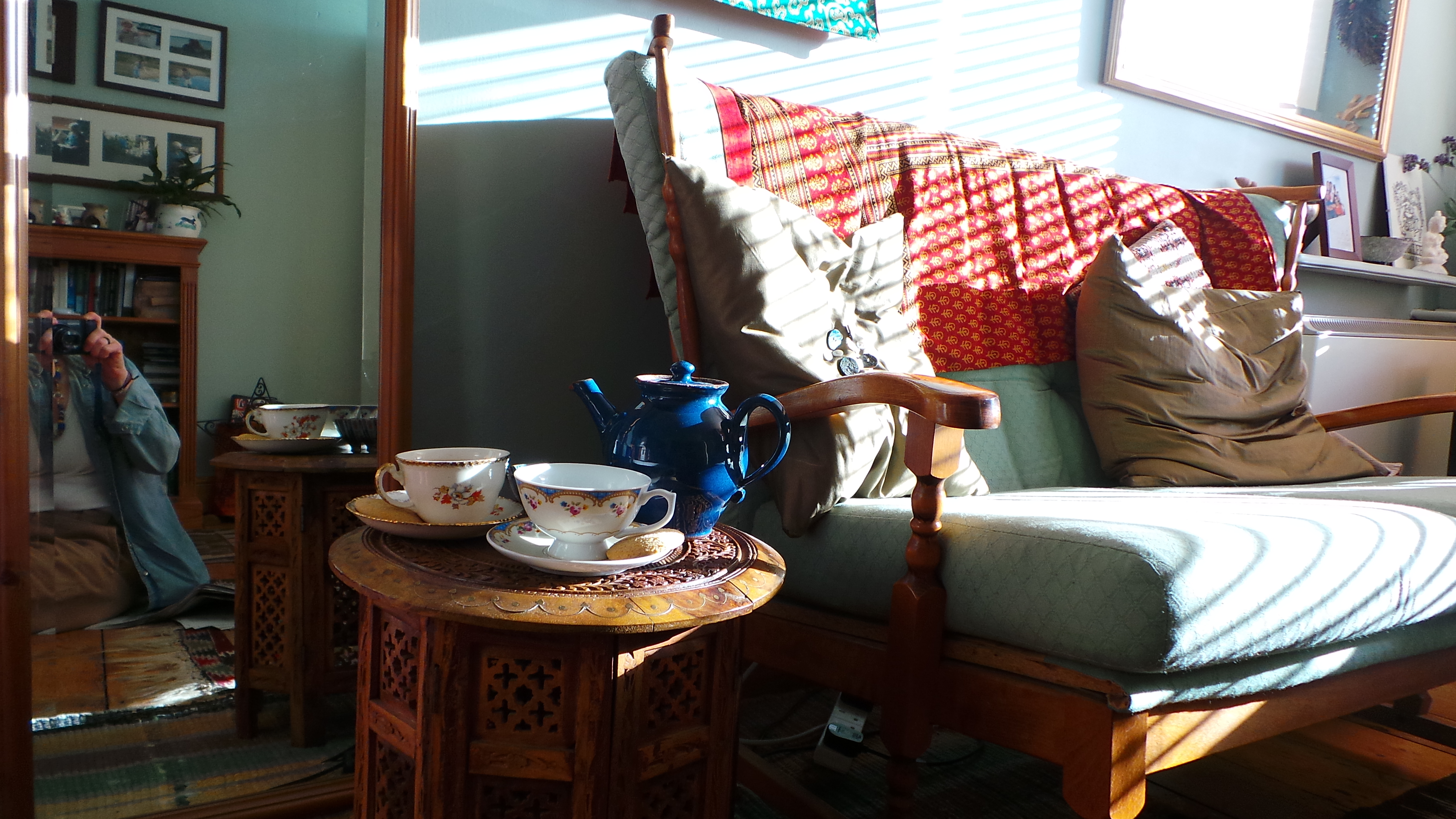
So if they were here now and they are never more than a thought away; the next best thing would be a cup of tea!!

 Coat Hanger Doll's House