Weekly Photo Challenge … Juxtaposition
Juxtaposition, got to honest is not a word that popped up in general conversation; ever. However, I learned to to use it in essays for my degree around ten years ago even then I don’t believe it always worked.
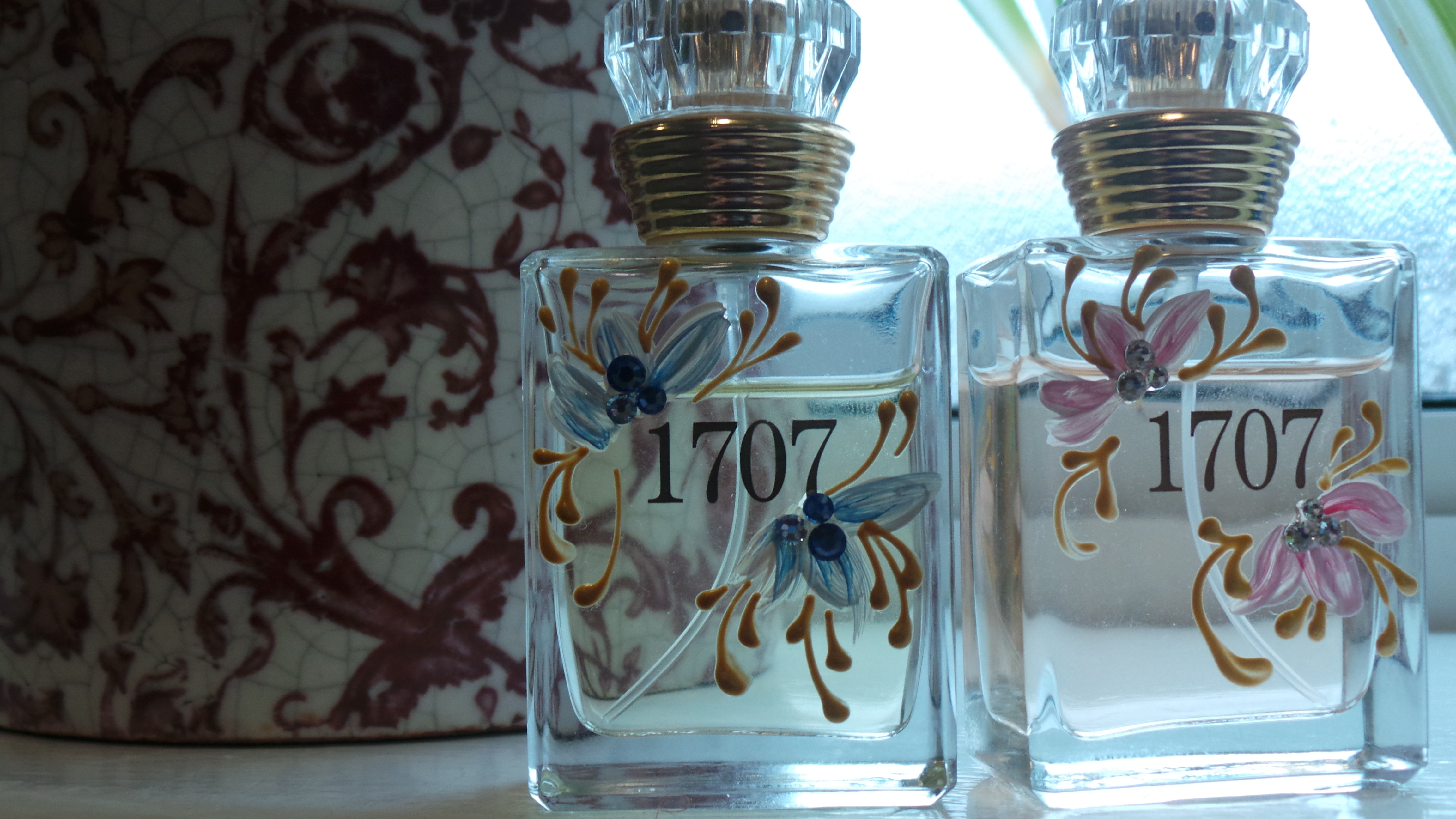
Rest assured these two little gems side by side on my window sill are pretty straight forward … until I come to chose Ylang Ylang or Rose?!
Monday … and good wishes to Rio!


For the first time for a long time I do not have a blog post prepared. Even during the events surrounding my daughter’s visits and my mother’s death I was able to reblog some old posts with some dignity. Its seems this time I am really blocked. Life has not been kind and struck another blow below the belt.
My daughter and her partner arrived back in Rio early last week; not entirely happy to be home; but were ready to give the New Year their best. While they were struggling with the difference of temperature they were getting back into a routine.
Sadly, on Saturday they met with an accident; while on their motorbike. I am not sure of the details but assured they were not to blame. I am not even sure the extent of their injuries, all I know is that they both have broken legs. While this seems like a farcical situation like something out from a Carry on Film or a comic book; there is a dark side that overrides any laughter. We are all in awe of the new found ‘connections’ we sing the praises of Facebook, Skype and Twitter etc … until one has an accident and the vital charger is left at home … and worse the very person who would go home to collect the charger is nursing a equally broken leg! The practical difficulties go on;- they live in a favela … there is no vehicular access with in 1/2 mile of their home only steps up and down. This will make walking with crouches almost impossible.
They are alive, I have that to be thankful for! But there are so many unanswered questions, so many what ifs? And an overwhelming grief that I can do nothing to alleviate my daughter and son-in-laws’s hurt.
Silent Sunday


Saturday Salutation to a book!


I am sure I did ask my mother … ‘Where will I go when I die? I am certain that as a school teacher she would have struggled with the answer and reluctant to give me the stock answer ‘to heaven with the angels.’ Unlike the teachers at Sunday school and even the Vicar at my mother’s recent funeral.
It is a difficult question; I, of course didn’t come to any clear conclusions when required to answer my own children’s questions relating to birth and death.
My grandchildren, with increased resources their parents might make a more valid attempt it still remains an unanswered question. But at least I hope, that no one is suggesting, if they are very good they will go to heaven and if they are bad then it is off to the fiery furnace. We are at least a bit more enlightened.
I have a little stash of books I have bought over the years that go someway to help children to to discuss and understand; birth and death, coming and going, growth and deterioration. I came across another while at the Tate last week, called Where do we go when we disappear? by Isabel Minhós Martins, that will help my grandsons and me.
I don’t cope with coming and going, no more than a child; especially during the last few years while my daughter has been commuting to and from Brazil. I, as a sensible, rational woman has found the whole business heart breaking. I am of course getting better and actually beginning to enjoy the situation! Seeing her come filling our home with joy; then seeing her return to Rio imaging the joy she takes back. Yes! I am sad but the grief is not so powerful
Isabel Minhós Martins tells many stories illustrating the movement of the world and its effect on life and death in a way a child can understand like the way sand rushes from shore with the pull of the tide. The beach does not disappear it is not lost; it is dragged by the sea to another coastline. Both shorelines have changed shape; none more beautiful than the other; just different!
Each little story has a poignant ring, a little ‘arh yes’ moment, that brings hope to a woman who should know better and a little boy who struggles when he loses sight of a precious toy or his pet rabbit dies.
Friday’s library snapshot …


I have not before featured book on my Friday Snapshot from the Main Library; I usually promoted something pretty from the Special Collections. My daughter found the Anarchist Collectives ; workers’ self-management in the Spanish Revolution 1936-1939 edited by Sam Dolgoff; first noticing its very lovely cover illustration by Karin Batten and some very evocative posters within. The book as the title suggests is about the Spanish Revolution; the first of its kind in English devoted to the experiences of the workers and their self management both in factories and agricultural industry and went on to become one of the most remarkable revolutions in our time.
Between 1936 and 1939 the Spanish Revolution came very close to becoming the ideal of the free stateless society on a large scale. The Spanish Revolution, Sam Dolgoff says is an example of a libertine social revolution where genuine workers’ self-management was successfully tried. It represents a way of organising society that is increasingly important now.
The earlier Russian Revolution in 1917 was controlled by the elite and was a political revolution. It set the pattern for the authoritarian state capitalist revolutions in Eastern Europe, Asia, and Cuba.
The Spanish Revolution, Dolgoff suggests ‘marks a turning point in revolutionary history. Others say that ‘a proletarian revolution is more profound even than the Russian revolution itself’
Yet it has been ignored; overshadowed by the Civil War and relegated as unsuccessful … it is only now that it being adequately evaluated.
Alphabe Thursday J is for Owen Jones


The Crystal Palace was built in London to house the Great Exhibition of 1851; it was the pinnacle of the many achievements of Victorian England. It was designed by Joseph Paxton on the principle of a giant conservatory; with its stark geometric forms and the use of prefabricated units of iron and glass it was far ahead of its time.
Although, the Great Exhibition was primarily a commercial project, for the nations of the world to promote their products and crafts, it was also had a social and artistic aim. Prince Albert wished to champion peace and tolerance between the nations and also draw attention to the arts and the history of civilisation worldwide.
Owen Jones, the Welsh interior designer (the colour king) was among the distinguished figures who made this happen.
In the late 18th century London architecturally was dull and grey. I understand that the interiors of churches once brightly painted had been covered with whitewash by the protestant reformers.
Owen Jones wanted to instill ‘polychromy to the the puritan English visitors to the Palace. He said that although English painters had become know as ‘colourists’, England was far behind ‘in the employment and appreciation of colour’ while decorating the inside and out of our homes and public buildings. People, he said, were ‘disinherited of the spectrum, men were reluctant to give up their idea of the white marble of the Parthenon and the simplicity of form. They would not consider that while the statues and architecture had faded the Greeks and Romans had decorated them with the primary colours; blue, red and yellow.
Owen Jones eager to bring bright colours from the far east; burnished by the sunshine; shades that possessed a theatrical liveliness and presented intricate new patterns and harmonies of colour.
Inspired by the ancients Owen Jones’ idea were based on the theories of the English colour maker George Field. He insisted that the three colours ‘distributed in a specific ratio; three parts yellow, five parts red and eight parts blue’ would ensure the ideal of harmonious colouring. Other architects were not convinced; however Jones got his way. Unfortunately, due to limited resources the industrial paints did not contain the bright pigments that artist were used to; so the Palace was painted with dirty off-yellow, pale blue and brownish red.

Wednesday’s woman continued.


Each week after researching, writing and posting for my Weekly Woman I promise myself;that I will find time to add to my knowledge. Like all good plans these have gone by the wayside. However, while my daughter was with me we looked more closely at some of the books I had bought over the last year to aid my research but ‘put by the wayside’ Also, she too has added to my collection; with a book called Quiet rumours : an anarcha-feminist reader. It took her immediate attention because it it is illustrated by Miriam Klein Stahl a print maker I had recently learned of.
Also, it had two essays by Emma Goldman; one of my earlier wise women. A woman without a country written in the wake of the first world war, that she says, destroyed countless lives but also the ‘fundamental right to exist in a given place with degree of security. Every government it seemed had the power to determine which person may or not continue to live within its boundaries as a result hundreds of thousands of people were expatriated. They were expelled and set adrift in the world; their fate was and remains so at the mercy of some bureaucrat with the authority to decide whether or not they may enter ‘his’ land. Huge numbers of men, women and children forced by the first world war (and others since) to wander in search of a place where they can make roots and not be afraid of further removal.
This story still seems familiar almost 100 years later.
The essay goes on and the story although from the eyes of the self proclaimed Wandering Jew, a ‘victim of the strange perversion of human reason that dares question any person’s right to exist’ and an American citizen it doesn’t have a happy ending yet.
Weekly Photo Challenge … Family
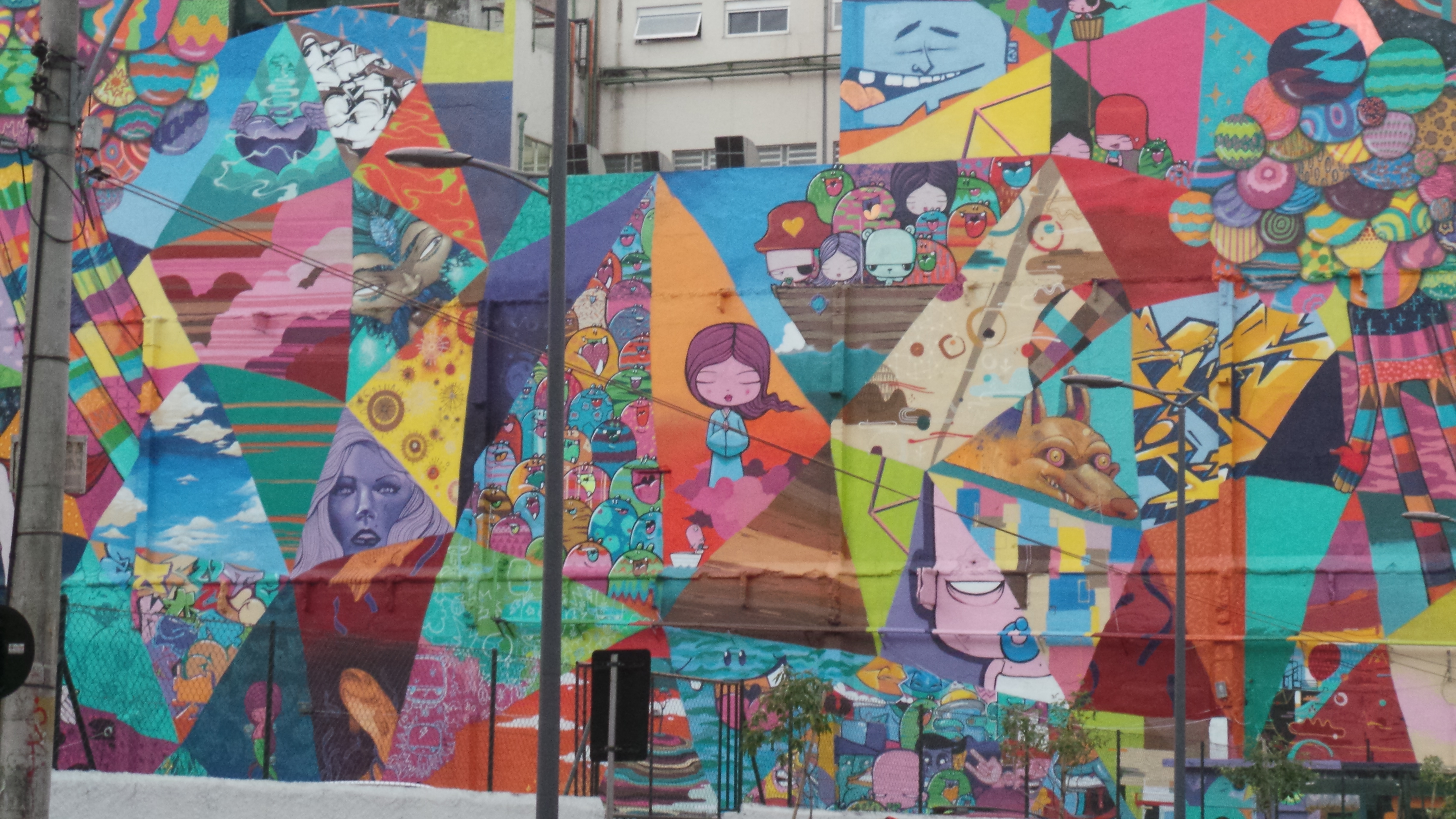
Our Family home is old and shabby; even though at almost 200 years there is life in the old girl yet. Also, the family car at 10 years old, not the latest model, with care (care is priceless) will go on for a few more years. The house and the car are in need of repair and parts need replacing mostly achievable, but consuming of time and money. However,I think my family, also a timely and economic demand, are more important.
Each night as I climb the stairs and notice the increasing needs of the threadbare carpet. So rather than waste time getting to the carpet fitter; I dream of my next visit to or from Colchester, Rio or Southampton and remain thankful for the options.
A missing sail and compass … Part 1
Today my daughter left for her home in Brazil … While I am still in holiday mode and not yet prepared for daily writing (hoping usual life will return or not soon) I remember that by dad also had links to South America and even visited Brazil. My son-in-law was also a Sailor and would have loved my dad too!

My dad’s family home in Kensal Green, London was bombed during the 2nd World War so they went to live in their holiday home, on Canvey Island. My dad was always mad on sailing and had a dinghy. The Master of a Thames barge lived nearby and Dad was always stowing away on the vessel and not coming out until it had left land, too late to put him ashore until the first port of call. His mother got tired of that and sent him to sea school- on the T.S. Vindicatrix. Dad hated it, apparently the treatment of the trainees was harsh and unforgiving – not unlike the environment he had left. He joined the Merchant Navy in 1940. Meanwhile he continued to enjoy sailing his dinghy between trips.
He sailed to Zealand for lamb or to bring beef from South America. German submarines used to lay in…
View original post 246 more words
Silent Sunday …
 Coat Hanger Doll's House